


What Is Natural Wine, Actually?
Your honest guide to one of wine's most debated — and most misunderstood — categories.
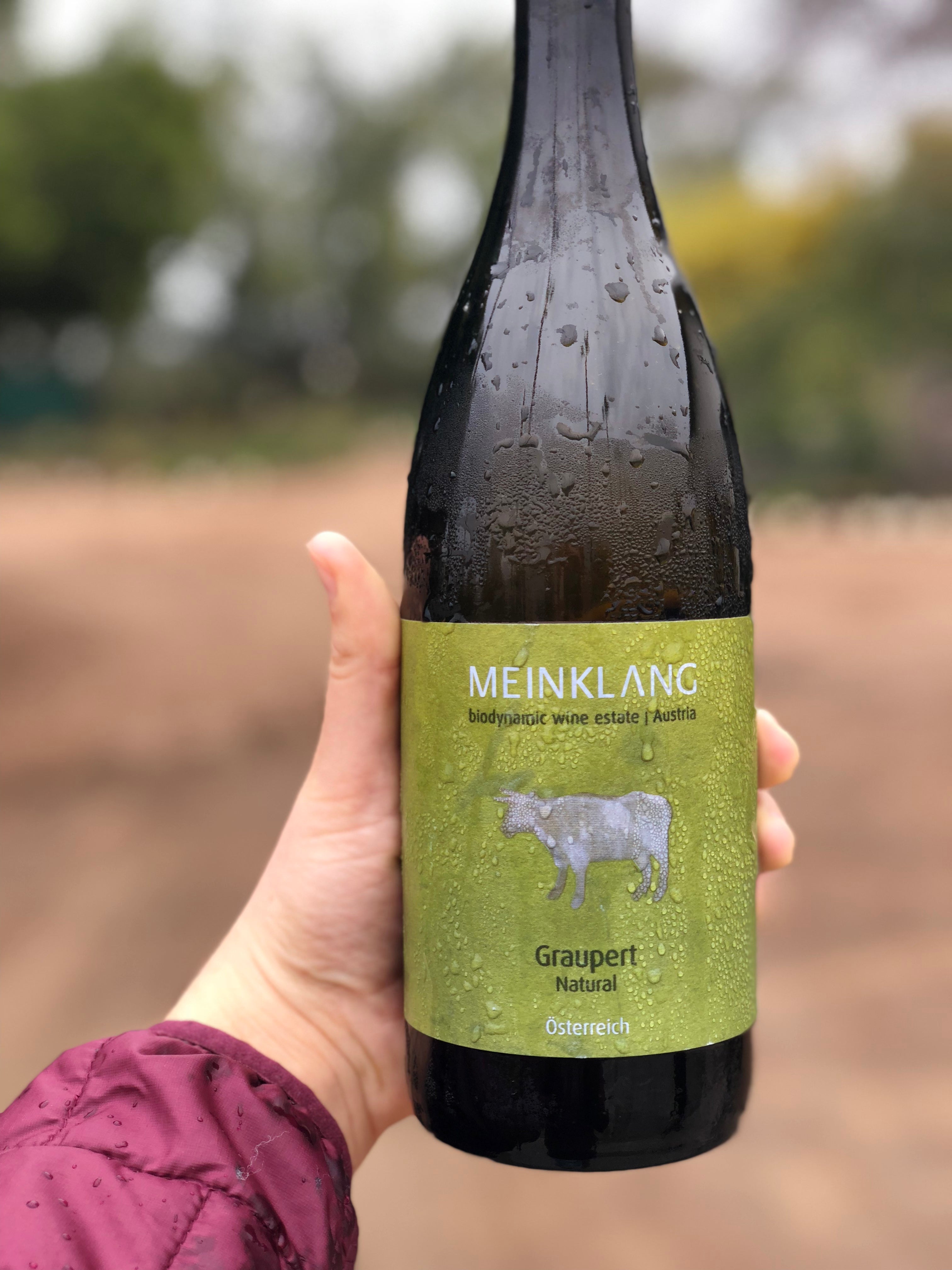
If you've spent any time on food Instagram or wine TikTok lately, you've probably seen the words "natural wine" alongside photos of cloudy, amber-colored bottles with hand-painted labels. Maybe you've also seen the other side: the memes, the controversies, the viral posts about herbicides and Big Wine and what's really in your glass.
Here's the honest truth: the answers you'll find online range from passionate advocacy to outright misinformation. Natural wine is real, it matters, and understanding it will make you a better — and more confident — wine drinker. But the conversation deserves more than a hot take.
Let us break it down.
What Is Natural Wine?
Here's the first thing you need to know: there is no legal definition of natural wine. Unlike "organic" or "biodynamic," "natural" is not a regulated term. No certification body, no government agency, no international standard gets to decide what earns the label.
What does exist is a philosophy — a loose set of principles that most natural wine producers agree on, even if the details vary:
- Farmed organically or biodynamically. Most natural winemakers grow grapes without synthetic pesticides, herbicides, or fertilizers. The vineyard is treated as a living ecosystem, not a production facility.
- Hand-harvested. Grapes are picked by hand, not machine. This allows for selective picking — choosing only the fruit that's ready — and is gentler on the grapes.
- Native yeast fermentation. Instead of adding commercial yeasts (lab-cultivated strains bred for consistency), natural winemakers rely on the wild yeasts that live on grape skins and in the air of the cellar. The result is fermentation that's less predictable — and often more interesting.
- Minimal intervention in the cellar. No added sulfites (or very low levels), no filtering, no fining agents, no acidification, no added sugar, no manipulation of alcohol content. What goes in is grapes. What comes out is wine.
The short version: natural wine is made with as little help — and as little interference — as possible. The idea is that the vineyard, the vintage, and the grapes should speak for themselves.
What Natural Wine Is NOT
This is where a lot of the confusion lives.
Natural wine is not automatically organic. Organic certification requires a paper trail, inspections, fees, and bureaucracy. Many natural winemakers farm organically in practice but haven't pursued certification — often because they're small producers who can't afford it, or because they distrust the system. Conversely, a wine can be certified organic and still be made with significant intervention in the cellar.
Natural wine is not always low-alcohol. Some natural wines are actually quite high in alcohol, especially in warm vintages when grapes accumulate more sugar.
Natural wine does not always taste "weird." This is the stereotype that drives natural wine lovers crazy — and honestly, sometimes for good reason. Yes, some natural wines are funky, fizzy, cloudy, or oxidized in ways that take some getting used to. But many natural wines are just... delicious. Bright, alive, expressive. The funkiness often comes from poor winemaking, not from the philosophy itself.
Natural wine is not a guarantee of quality. The absence of additives doesn't make a wine good. A poorly farmed vineyard producing damaged grapes, handled with minimal intervention, will produce a flawed wine. Natural wine lives and dies by the quality of the farming and the skill of the producer.
Why the Herbicide Debate Matters
Here's why this conversation is happening right now, and why it's more than just internet noise.
In 2026, a wave of social media posts and independent testing reports put a spotlight on herbicide residues — particularly glyphosate — found in some conventionally made wines. The response was immediate and, in some corners, furious. Consumers started asking harder questions: What's actually in my wine? What does the label not tell me?
Wine is one of the least regulated beverages when it comes to what producers are required to disclose. Unlike food products, wine labels in the US don't require an ingredient list. That bottle of Chardonnay you're drinking could contain any of 75 approved additives, including synthetic colorants, mega-purple (a grape juice concentrate used to deepen color and add sweetness), and yes — trace levels of agricultural chemicals absorbed from the soil.
None of this is a scandal, necessarily. These additives are FDA-approved and the levels are generally considered safe. But the conversation matters because informed consent matters. If you want to know what's in your wine, you currently have to work pretty hard to find out.
Natural wine — for all its messiness and lack of legal definition — emerged partly as a response to exactly this: a desire for transparency, traceability, and a connection between what's in the glass and what happened in the vineyard.
That's worth taking seriously, even if you're not ready to commit to exclusively drinking cloudy pét-nat.
How to Find Natural Wine You'll Actually Like
Here's the practical part — because knowing the philosophy is one thing, and finding a bottle you'll love is another.
Start with the style, not the label. Natural wine spans everything from crisp, mineral whites to rich, earthy reds to skin-contact "orange" wines with texture and tannin. Before you buy, think about what you tend to enjoy. Bright and fresh? Earthy and complex? Funky and adventurous? The "natural" category is wide enough to hold all of it.
Find a producer you trust. The natural wine world runs on relationships. Some producers are meticulous farmers and careful winemakers whose wines are consistently beautiful. Others are inconsistent. The difference matters — and it's hard to learn from a label.
A few names worth knowing:
- Domaine Overnoy (Jura, France) — the godfather of modern natural wine; his Poulsard is a benchmark for what this style can be at its most alive
- Elisabetta Foradori (Trentino, Italy) — biodynamic pioneer; her Teroldego wines are earthy, mineral, and profound
- Eben Sadie (Swartland, South Africa) — rigorous and terroir-driven; his old-vine blends are some of the most compelling natural-adjacent wines being made anywhere
- Donkey & Goat (Berkeley, CA) — among the most consistent natural winemaking operations in the US; their skin-contact whites are a great entry point
Be willing to be surprised. The best things about natural wine are the things you can't predict: the vintage variation, the slight effervescence in a wine that wasn't supposed to be sparkling, the color that shifts as it warms in the glass. Give yourself permission to not know exactly what you're getting — and to love it anyway.
Ask for help. This is where algorithm-driven wine platforms hit their limit. A recommendation engine can match keywords. It cannot taste the wine, know the producer, or understand what you're in the mood for on a Wednesday in August. That's where a knowledgeable friend — or a curated wine club — earns its keep.
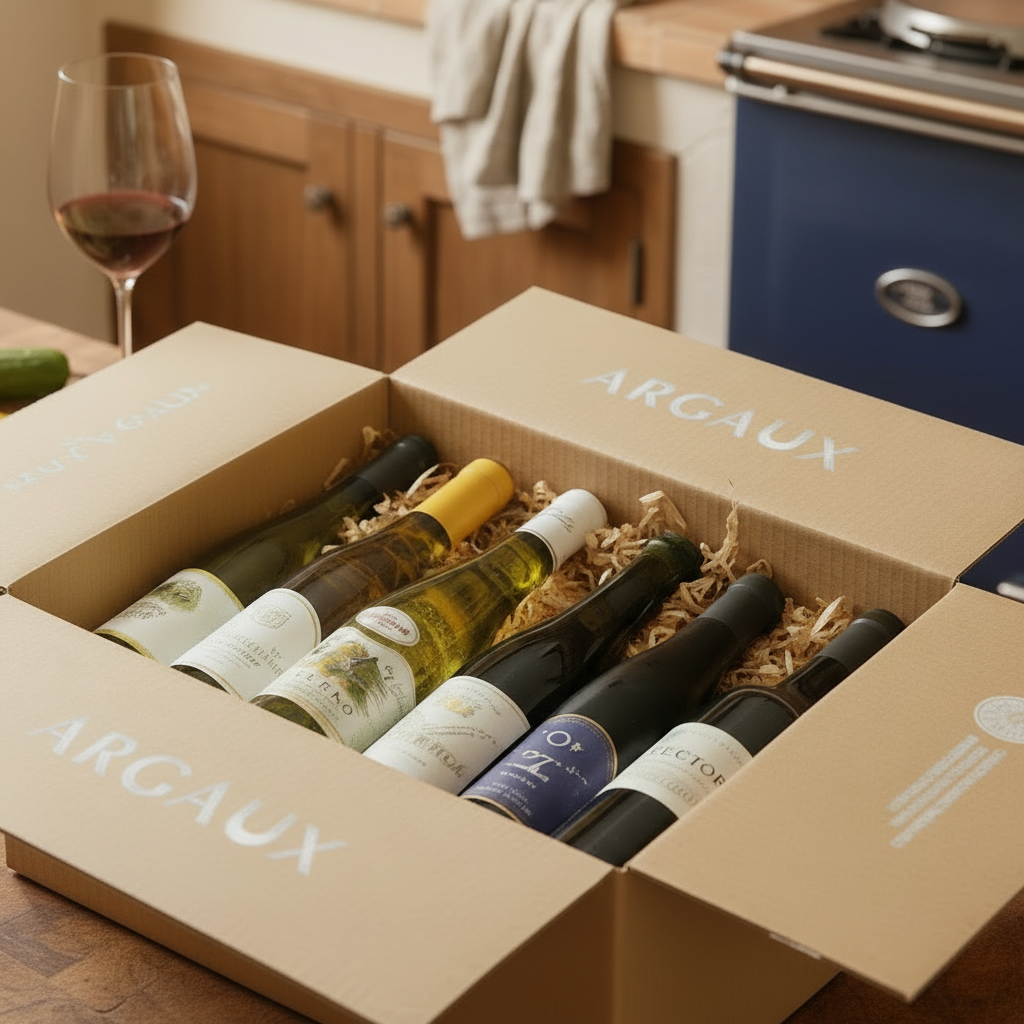
At Argaux, every bottle we recommend has been tasted and chosen by our team. If natural wine is where your curiosity is pointing right now, we'd love to help you find something you'll actually love. That's what Club Argaux is for — not an algorithm picking by price point, but a real person who knows wine choosing something specific for you.
Frequently Asked Questions About Natural Wine
What exactly makes a wine "natural"?
Natural wine has no legal definition, but producers who use the term typically mean wine made from organically or biodynamically farmed grapes, harvested by hand, fermented with native (wild) yeasts, and produced with minimal or no added sulfites or other additives. The philosophy prioritizes transparency, terroir expression, and minimal intervention from vineyard to bottle.
Is natural wine the same as organic wine?
No. Organic wine is a certified category with legal standards that vary by country — it primarily governs farming practices and, in some regions, limits on added sulfites. Natural wine is not a certified category; it's a philosophy. A wine can be certified organic without being natural (significant cellar manipulation is still allowed under organic certification), and a wine can be made in a natural style without carrying an organic label.
Does natural wine have sulfites?
Most natural wines contain very low levels of sulfites — naturally occurring as a byproduct of fermentation — but no added sulfites. Conventional wines typically have added sulfites as a preservative. "No added sulfites" is not the same as "sulfite-free." Even natural wines contain some sulfites; histamines and other compounds are more commonly associated with wine-related headaches than sulfites are.
Why is natural wine sometimes cloudy?
Cloudiness (called turbidity) in natural wine usually comes from not filtering or fining the wine before bottling. Conventional winemakers filter wine to remove yeast, tannins, and proteins — this creates a clear, stable product. Natural winemakers often skip this step, leaving those particles in the bottle. The cloudiness is harmless and can indicate a less-processed wine. That said, excessive cloudiness can also be a sign of a flaw — it depends on the wine and the producer.
Is natural wine actually healthier?
There is no reliable research showing that natural wine is meaningfully healthier than conventionally made wine. The absence of certain additives is worth knowing about, but the health effects of drinking wine are primarily determined by alcohol content and quantity, not production method.
What is the herbicide controversy in natural wine?
In recent years, independent testing has identified trace levels of agricultural chemicals — including glyphosate — in some conventionally made wines. These levels are generally below regulatory limits, but the findings sparked a broader conversation about transparency in wine production. Wine labels in the US don't require ingredient disclosure, which means consumers can't easily see what's in their glass. Many people have turned toward natural, organic, and biodynamic wines partly in response — though "natural" alone is not a guarantee of zero chemical exposure.
How do I find good natural wine?
The fastest path to natural wine you'll actually enjoy is a recommendation from someone who knows the category and knows your palate. Wine apps and algorithms are useful for conventional wine — they struggle with natural wine because the category is so producer-specific and vintage-dependent. A trusted wine shop, a knowledgeable friend, or a curated service will get you there faster than browsing alone.
The Bottom Line
Natural wine is not a fad, and it's not a fraud. It's a genuine movement toward greater transparency and care in how wine is made — with real philosophical roots and real producers doing beautiful work.
It also has its share of confusion, inconsistency, and hype. Knowing the difference between what natural wine actually is and what it claims to be makes you a smarter, more confident drinker — regardless of what ends up in your glass.
If you want help finding your footing, that's what Argaux is for. Subscribe to our newsletter for honest wine guidance, producer spotlights, and notes on what we're drinking right now. No jargon. No gatekeeping. Just wine, the way it should be.