Skip to content

Cart

Your cart is empty

Wine 101

Where to Start.

Entering the world of wine means entering a world of flavors and experiences. Whether you've had a little training or you're starting from scratch, this guide will help you understand the basics.

The World of Wine

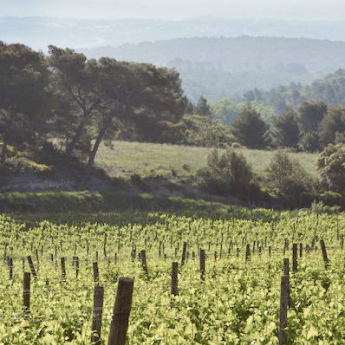
The history of wine dates back to 7000 B.C.E., but it's always started the same way: grapes cultivated in vineyards, harvested at their peak, and fermented for months or even years. The type of grape, where it's grown, and the weather during the growing season all affect the nearly infinite flavors you'll find in every glass.

Sommeliers are experts who study wine deeply enough to distinguish between thousands of varieties with just a sip. But you don't need to become an expert to pick a bottle you'll love. Your taste is yours alone — and with a little wine knowledge, you'll have everything you need to enjoy a bottle, whether you're pairing it with food or simply enjoying it on its own.

Learning the Basics

Five Things Worth Knowing Before Your Next Glass.

Origin

Old World, New World, and Regions

One of the most important factors in a wine's flavor is where it's grown. Today's wines are usually divided between Old World and New World regions. European winemaking traditions developed in countries like France and Italy, with many lending the name of their region to the wine itself — Bordeaux, Burgundy, Champagne. New World vineyards in places like California and South America expand on, and sometimes break from, those traditions. Every region brings a unique palette of flavors.

The Grape

Grape Varietals and Vintages

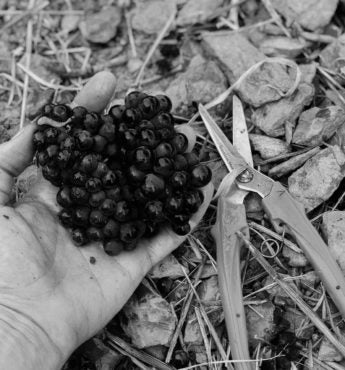
Wine grapes are smaller, sweeter, juicier, and have thicker skin and more seeds than table grapes — and each of the thousands of varietals changes the wine dramatically. Reds and rosés come from black or red grapes, while orange and white wines come from green grapes. Some of the most popular varieties lend their name to the wine itself, like Pinot Noir or Cabernet Sauvignon. Vintage — the year the grapes were harvested — also matters: wines can taste different from one year to the next based on the growing season.

Structure

Understanding Tannins

Tannins are one of the most important elements in a wine's flavor — and one of the most confusing to newcomers. They're antioxidants that naturally occur in the skin, seeds, and stems of grapes, as well as in the wood barrels where wine is aged. Tannins have a slightly bitter taste that can make your mouth feel dry, but they're also a source of a wine's unique flavor and help protect it during the aging process.

Vocabulary

Wine Tasting Tips

Sommeliers describe wine using a few key terms, each like a spectrum with two ends. Sweet versus dry: sweet wines retain natural sugars from fermentation, while dry wines have little to no sugar. Light-bodied versus full-bodied: a fuller wine feels heavier in the mouth, while a lighter one is closer to the weight of water. Tart versus smooth: tart wine has a tangy, acidic flavor, while smooth wine has little or no acidity. You'll also hear about 'notes' — other flavors like oak, citrus, vanilla, or blueberry used to describe what's in the glass.

Getting Started

How to Choose a Bottle of Wine

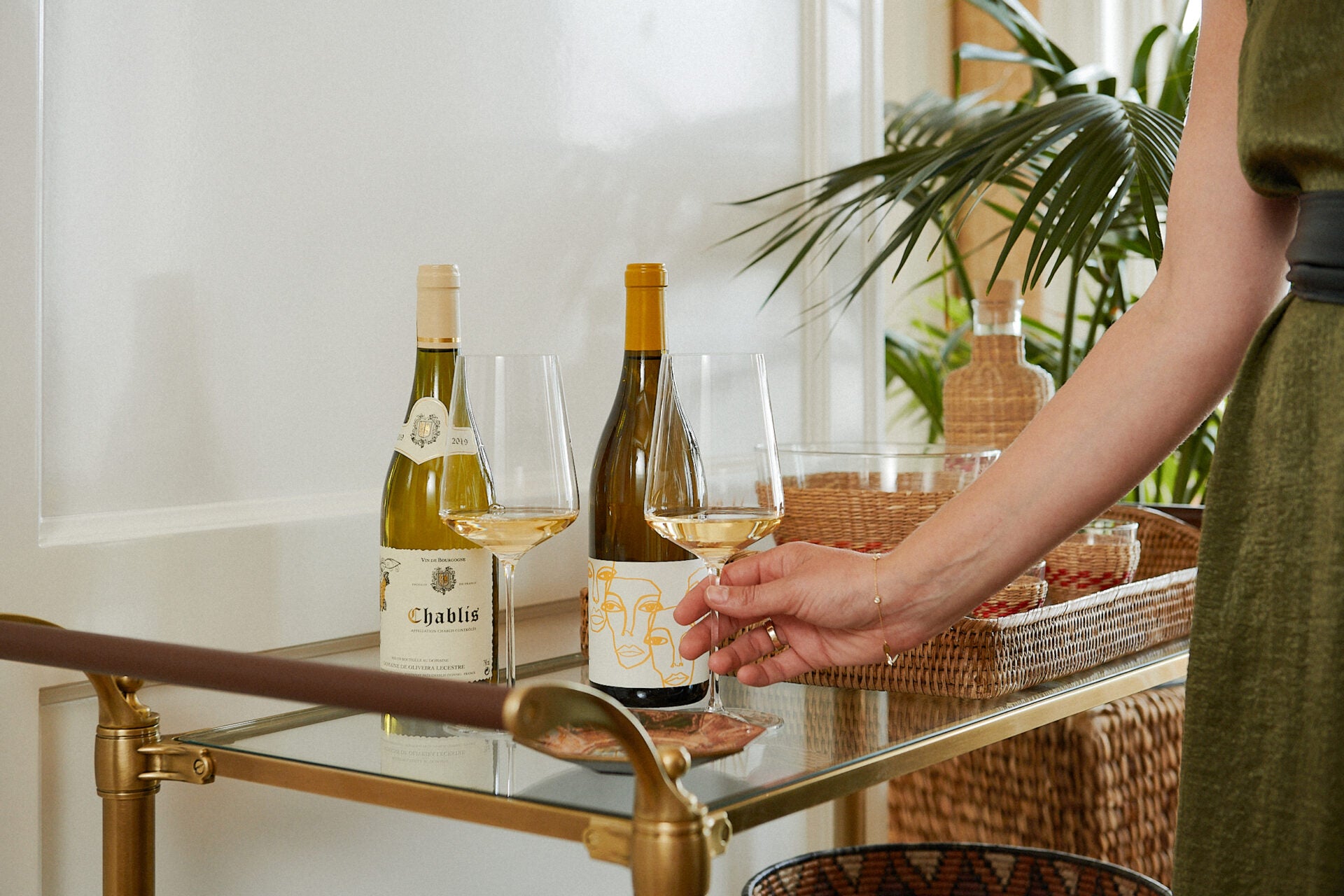
There's no single right way to choose a bottle. If you don't know where to begin, start by deciding the style you prefer — red or white. Then decide the flavors you want to try: sweet or dry, tart or smooth, light-bodied or full-bodied. That's all you need to choose a great bottle. To go further, you can explore by region, vineyard, varietal, or vintage. Over time, you'll notice what you like — stick with your favorites or keep experimenting with something new.

The Argaux Difference

Wine Is About the Table, Not Just the Bottle.

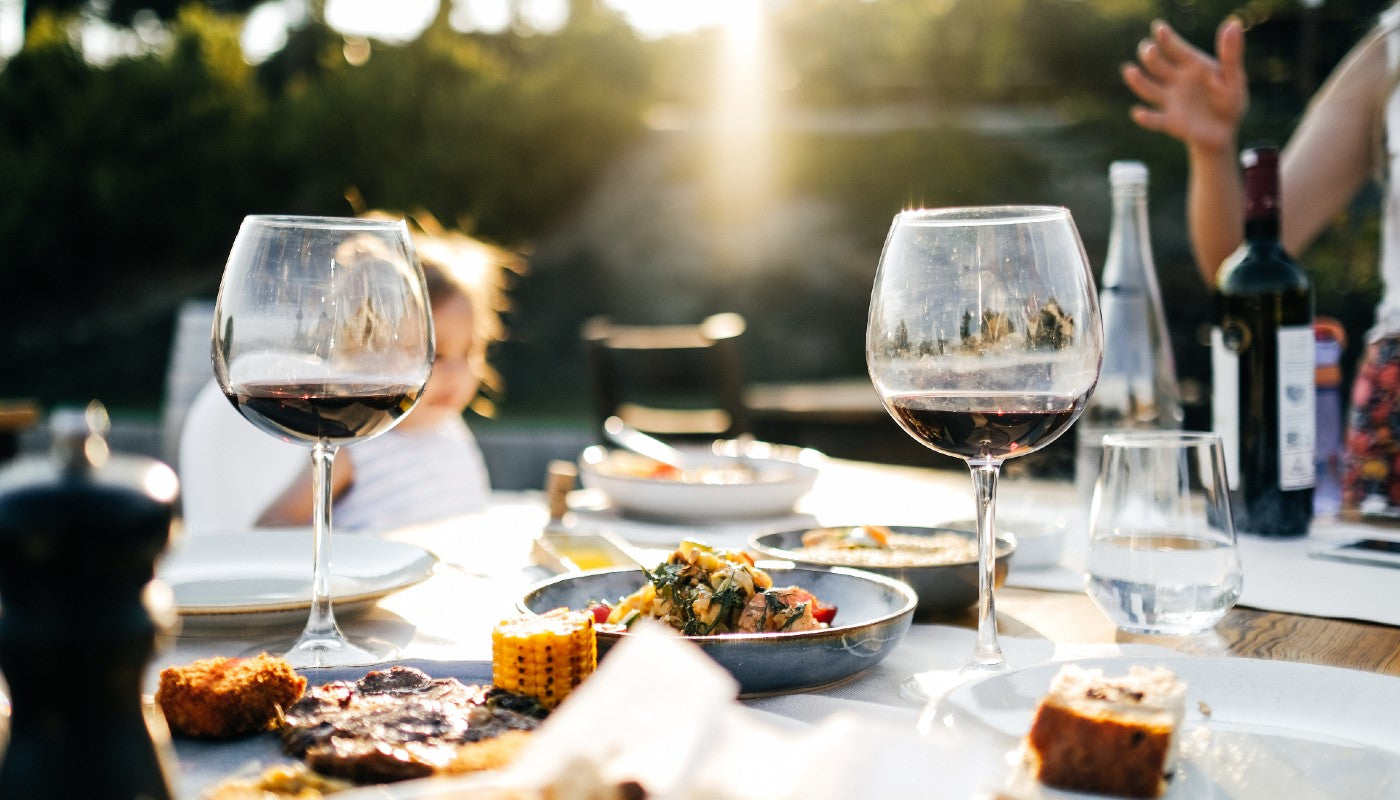
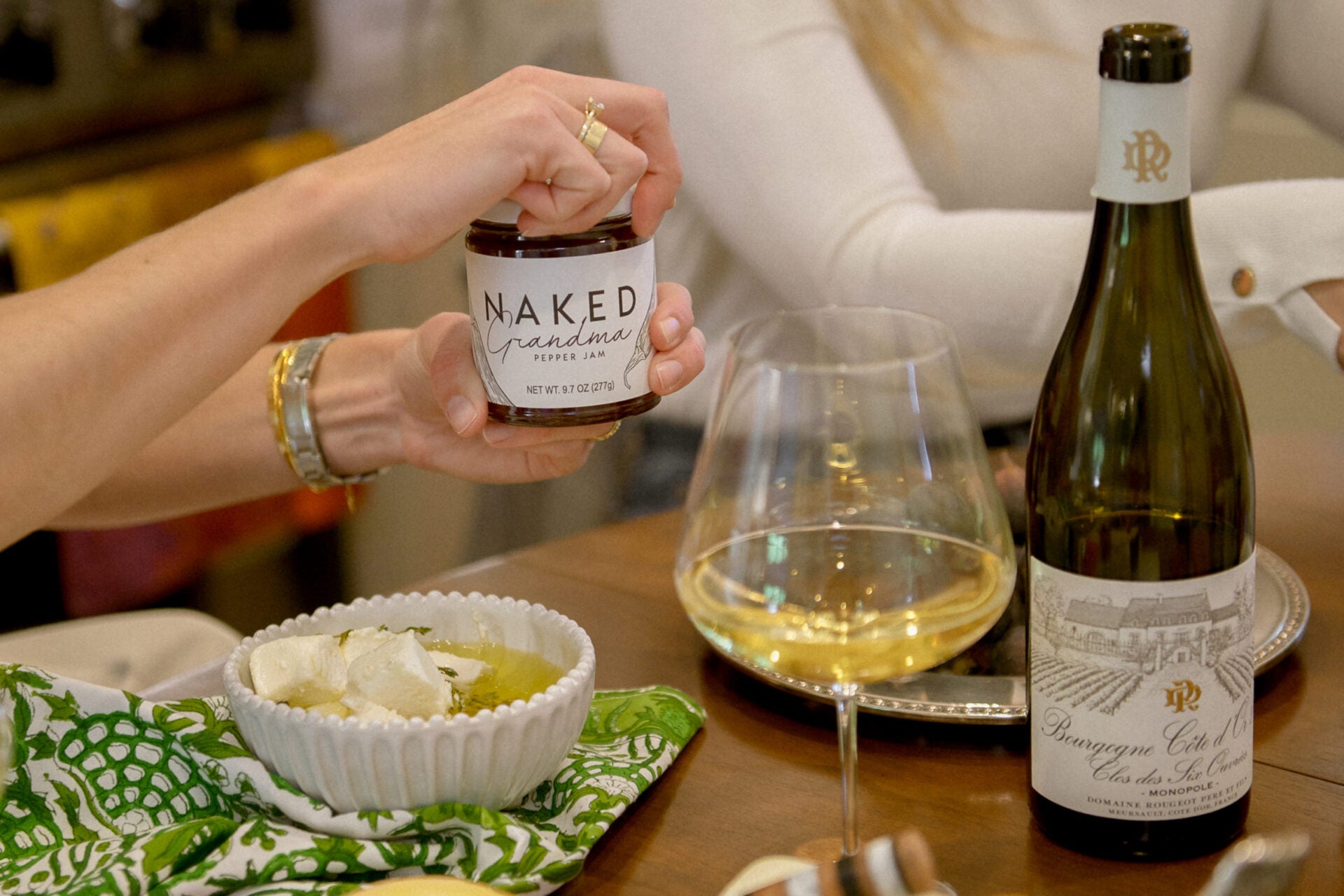
For us, wine is about food and bringing people together around a table. It's about relationships and honest conversation. And when it comes to sourcing, we take the same approach.

We represent real wine, made by real people who take pride in their craft and are driven by quality and a sense of authenticity.

When it comes to choosing eco-conscious wines, the lines can be blurry. We're not so much focused on what certification a winery might have, but on the key practices they follow — conserving water, reducing energy consumption, eliminating toxic pesticides and herbicides, and promoting biodiversity in their vineyards.

We pride ourselves on finding wines you won't find at your average grocery store. Our goal is to open up the world of wine by discovering grapes, regions, and producers that are up-and-coming or simply hidden gems worth exploring.

Have a Question?

We'd Love to Help You Find Your Next Bottle.

Our sommelier team is always happy to talk wine — whether you're just starting out or looking for something new to try.