
How to Host a Blind Wine Tasting at Home | Argaux
Blind wine tastings have a reputation problem. People hear "blind tasting" and picture white tablecloths, hushed voices, and someone using the word "tertiary" without irony. But here's the thing: a blind tasting at home is actually the most fun you can have with wine, full stop.
When nobody knows what's in the glass, the playing field levels immediately. Your friend who "only drinks Cab" might fall in love with a Tempranillo. The person who thought they hated Chardonnay might pick the oaky one as their favorite. The best blind tastings end with a reveal that surprises everyone — including the self-appointed wine expert at the table.
This is a guide for doing it at home, without fuss, without pretension, and with a lot of room for debate.
What You Need Before You Start
You don't need much. Here's the honest shopping list:
The essentials:
- 4–6 bottles of wine (more on selection below)
- Enough identical glasses for each person and each wine (wine stores often rent or lend)
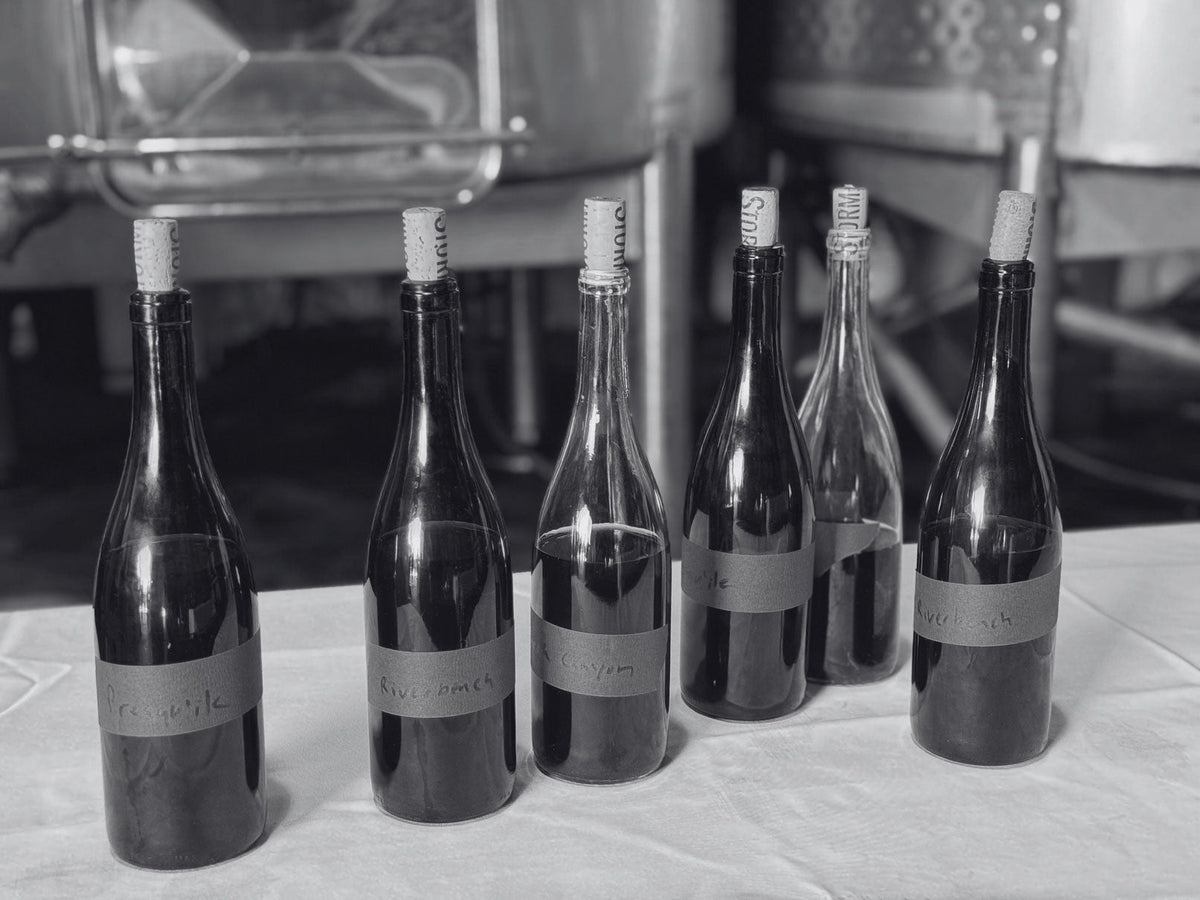
- Bags, paper bags, aluminum foil, or a purpose-built blind tasting kit to cover the bottles
- Sticky labels or masking tape + a marker to number each bottle (1 through 6)
- Scorecards — paper and pen works fine, or download a simple template
- Palate cleansers: water, plain crackers or bread between pours
- Spittoons if anyone wants them (optional, but worth having)
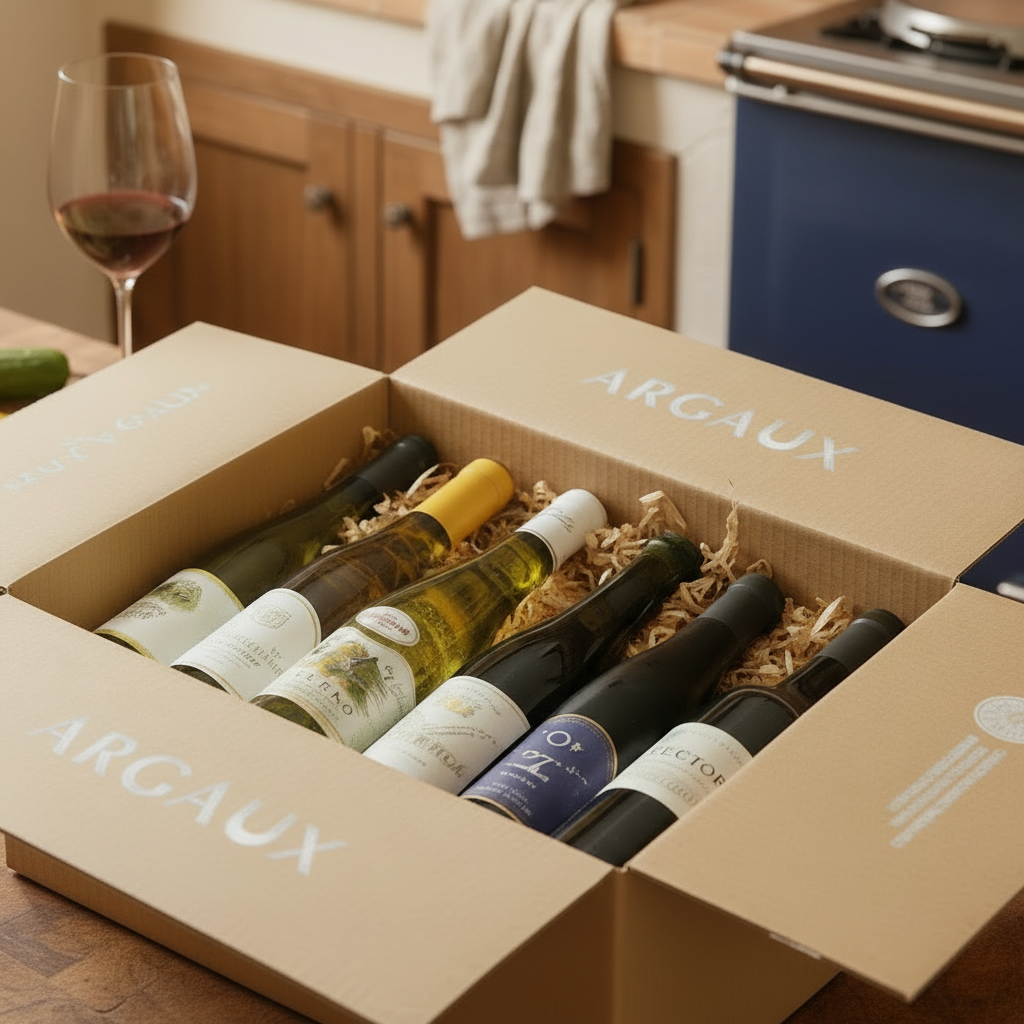
The easy button: Argaux's Blind Wine Tasting Kit pulls this together for you — it includes sommelier-selected bottles, already wrapped and numbered, plus the Argaux tasting guide and tasting grids, so you're not improvising with tin foil twenty minutes before guests arrive. If you've hosted one of these before and spent the pre-party wrapping bottles in grocery bags, you know exactly why this exists.

Step-by-Step: How to Run It
Step 1: Choose your wines
Pick a theme and stick to it — themed tastings are more memorable and give the reveal a satisfying punch. See the themes section below for ideas.
Buy the bottles yourself or ask each guest to bring one inside a paper bag with the label hidden. The host-buys approach is less chaotic for blind tastings because you control the price range and make sure the wines are genuinely comparable.
Aim for 4–6 bottles. Fewer than four and there's not enough contrast. More than six and palate fatigue kicks in before the reveal.
Step 2: Number and cover the bottles
Do this before guests arrive. Cover each bottle completely — foil, a bag, or skip this step (its already been done) with the Argaux Kit — and number them 1 through 6 with masking tape. Keep the key (which number is which wine) somewhere private: your phone's notes, a sealed envelope, a trusted co-host.
The reveal is everything. Don't let anyone accidentally see a label before you're ready.
Step 3: Set up the pour station
Pre-pour or pour as you go — both work. Pre-pouring into numbered glasses means guests can focus on tasting instead of waiting, but it takes more setup. One poured glass per wine per person, lined up left to right in order, is clean and easy to follow.
Put a carafe of water and crackers at each seat. Tasting multiple wines back-to-back without a palate reset means everything starts tasting the same by glass four.
Step 4: Taste in order
Move through each wine left to right. Give people five minutes with each glass before moving on. Encourage people to smell first — you get more information from the nose than the palate, and it's worth slowing down for.
Step 5: Score as you go
The scoring doesn't need to be complicated. If youre not using the Argaux Kit which includes tasting grids, then simply score each wine to keep it easy. A simple 1–10 or 1–5 scale works. You can also do a pure ranking (1st through 6th, no ties) which forces actual decisions and creates more debate during the reveal.
Some useful questions for scorecards:
- What does it smell like? (Fruit, earth, flowers, something weird?)
- What's the texture in your mouth? (Light, heavy, tannic, smooth?)
- Your guess: red or white? Old World or New World? Youthful or aging?
- Score out of 10.
- Would you buy this?
- Most importantly, do you like this wine?
Step 6: The reveal
This is the whole point. Go through each bottle one by one, announcing what it actually is as you uncover it. Watch people's faces. The gasps when someone's last-place wine turns out to be the expensive one are worth the whole setup.
Tally up the scores and announce the group favorite. If anyone made a correct guess on origin or variety, celebrate it. If the cheapest wine in the lineup finished first, talk about why.
Step 7: Keep talking
The reveal shouldn't end the tasting — it should start the conversation. Now that you know what's in the glass, go back and taste again with that context. Does the wine taste different when you know what it is? (Usually yes. That's the interesting part.)
Wine Selection Tips
The best blind tastings have contrast — wines that are close enough to compare but different enough to spark debate.
Same grape, different regions: Pick four Pinot Noirs from California, Oregon, Burgundy, and New Zealand. Same grape, completely different personalities. The reveal becomes a geography lesson.
Same region, different grapes: All Italian reds, or a lineup of Bordeaux-style wines from different countries. Good for a group with some wine knowledge.
Same price point, different countries: Five red wines all under $25 from five different countries. This is the "can you tell the difference" format — and the answer is usually more surprising than people expect.
Red vs. white blind: Pour reds and whites in opaque cups or dark-colored glasses. Can your group tell which is which? (Spoiler: it's harder than it sounds, and it will make everyone feel better about not knowing everything about wine.)
One practical note on price: include at least one wild card — something very cheap or unexpectedly expensive. It gives the reveal stakes.
Scoring + Judging
Keep it casual. The goal is conversation, not competition — though a little friendly competition never hurt anyone.
Simple options:
- 1–10 score per wine, tally averages at the reveal
- Rank 1–6 (or however many wines), no tied scores
- Vote for your single favorite
If you want to add structure without making it feel like homework, try this three-column card:
- What you think it is (variety/region/age)
- Your score
- Would you buy this?
The "would you buy this?" question is often more honest than a numbered score. And it tells you a lot about what people actually want to drink versus what they think they should like.
Award the right prizes. The person with the most accurate guesses gets bragging rights. But consider a secondary prize for the person who scored the cheapest wine highest — that's the one worth celebrating.
Unusual Wine Tasting Themes to Try
Once you've done a basic blind tasting, themes keep it fresh. Here are ideas that work well:
The $40 Challenge: Every wine must cost $40 or less. The goal is finding gems, and the reveal usually flips everyone's assumptions about price and quality.
Rosé Roulette: Blind taste 5–6 rosés from different countries — Provence, Spain, California, Italy, Greece. The range in color, flavor, and texture will surprise you.
Old World vs. New World: Two versions of the same grape — one from its European homeland, one from a newer wine region. Classic comparison for groups who want to learn something — imagine tasting California Chardonnay against French Chardonnay. Sure to spark conversation and some friendly debate!
The Vertical: Same producer, different vintages of the same wine. For small groups who want to geek out on how wine changes with age.
The Impostor: Five wines from one region, one total wild card from somewhere completely different. Can the group find the impostor? Great format for experienced groups.
House Wine Challenge: Everyone brings a bottle that represents their "house wine" — what they actually drink on a regular weeknight. Cheap, honest, and always interesting. The variety in what people habitually drink is underrated.
Frequently Asked Questions
Do I need special glasses for a blind tasting?
Identical glasses are more important than expensive ones. If every glass is the same shape and size, the only variable is the wine. Mismatched glassware subtly changes the tasting experience in ways that can throw off comparisons. IKEA sells decent identical glasses for less than $3 each.
How much wine should I pour per person per glass?
About 1–1.5 ounces (30–45ml) per pour. You want enough to evaluate — smell it twice, taste it properly, go back — but you don't need a full glass when you're tasting multiple wines. At six wines and 1.5 oz per pour, that's roughly one glass total per person for the whole flight.
What if someone in the group knows a lot more about wine than everyone else?
This is actually fine. The knowledgeable person should stay quiet on guesses until everyone's scored, then they can go first on the reveal discussion. Having one person in the room who can talk about why the Burgundy tastes the way it does is an asset, not a threat — as long as they're not correcting people mid-tasting.
One More Thing
The first time you do this, something will go wrong — a bottle gets uncovered accidentally, someone recognizes a label, the scores get tallied wrong. It doesn't matter. A blind tasting at home isn't a competition. It's an excuse to sit around a table with people you like and pay attention to something together.
That's the whole thing, really.
If you want to make the setup easier next time, the Argaux Blind Wine Tasting Kit has everything you need to run a clean, professional-feeling tasting at home. And if you want the wines curated and delivered — Club Argaux is exactly that.
Have a theme idea or a tasting story to share? We'd love to hear it.