

Best Wine for Christmas 2026
Updated for 2026.
Christmas dinner runs long. There's a toast while the roast rests, a glazed ham, a first course nobody planned for, and then hours of cookies and conversation. No single Christmas wine covers all of that, and you don't need one to.
Here's what we'd pour: a red for the roast, a lighter red for ham and goose, a white for the fish, a plain-English guide to the bubbles, and a few bottles and gifts to carry through someone else's door. Every bottle named here is one we sell.
The short version
- Prime rib or roast beef: the 2024 Bedrock Wine Co. Cabernet Sauvignon ($65).
- Ham, turkey or goose: the 2024 Hanna Glatzer Carnuntum Blaufränkisch ($30).
- Fish, shellfish or a first course: the 2024 Bachelet-Monnot Chassagne-Montrachet ($150).
- Cheese board and cookie tray: the NV Martha Stoumen Post Flirtation orange wine ($30).
- Bubbles for the toast: our guide to Champagne, Crémant and Prosecco is below, and our Dec 9 Champagne & Friends class is the fun way to learn them.
- Bringing a gift: start with our wine gifts.
How to choose wine for Christmas dinner
Christmas food is rich. Butter, fat, salt, a sticky glaze. A wine has to hold its own against that, and it does it in one of two ways.
Tannin is the drying, black-tea feeling some reds leave in your mouth. Fatty beef softens it, so a structured red tastes smoother next to a rib roast than it does on its own.
Acidity is the mouthwatering part of a wine. It cuts through ham glaze, goose fat and cream sauces the way a squeeze of lemon does.
Match each dish to one of those jobs and you're most of the way there. Then open a red and a white, and let people pour what they like.
How much to buy: a bottle pours about five glasses. Plan on one bottle for every two to three wine drinkers over a long meal, then add one for the toast.
One habit makes every bottle taste better, and it's the 20 minute rule. Put a light red in the fridge for 20 minutes before serving. Take a white out of the fridge 20 minutes before you pour. Most whites get served too cold and most reds too warm, and this fixes both.
Best red wine for Christmas dinner: prime rib and roast beef
2024 Bedrock Wine Co. Cabernet Sauvignon "Sonoma County" — $65
Big roast, big red. The firm tannins in a Cabernet are exactly what you want against the fat in a rib roast, and this one is built to deliver them without turning jammy.
Most of the fruit comes from the historic Bedrock Vineyard, first planted in 1854, along with the Lazy Dog Vineyard. It's aged 15 months in mostly neutral oak, so you get cassis, black cherry and blueberry with violet, dried herbs, cedar and graphite instead of a wall of vanilla. The finish is long and mineral. Wine Advocate gave it 92 points.
It holds up to horseradish, pan jus and the crusty end piece everyone fights over. Open it 30 to 60 minutes before dinner so it can relax.
Best wine for Christmas ham, turkey and goose
2024 Hanna Glatzer Carnuntum Blaufränkisch — $30
Ham is salty and sweet. Goose is rich. Roast turkey is mild but sits next to a lot of butter. All three want a red with bright acidity and soft tannins, and a heavy red would flatten them.
Hanna Glatzer makes this one at her family's estate in Göttlesbrunn, in Austria's Carnuntum region, southeast of Vienna. She works alongside her father, Walter, and her brother, Matias, and the grapes come from certified organic vineyards around the village.
Expect sour cherry, wild raspberry and dried violets, with a pinch of black pepper. It's silky and light to medium in body. That pepper is lovely with a clove-studded ham or a bird seasoned with sage and thyme. Give it 20 minutes in the fridge first.
At $30, it's also the bottle to buy two of when the guest list grows.
Best white wine for Christmas: fish, shellfish and the first course
2024 Bachelet-Monnot Chassagne-Montrachet — $150
Plenty of families do seafood on Christmas Eve, or open the big meal with scallops. This is the white we'd reach for. It's white Burgundy, made from Chardonnay, and it's the splurge on this page.
Brothers Marc and Alexandre Bachelet started in Chassagne working five harvests at their grandfather's domaine, then made their first vintage under their own name in 2005. This bottle is 100% Chardonnay from seven parcels in the village. The vines are over 30 years old and farmed organically, though not certified. Native yeasts do the fermenting in 350-liter barrels, only 20% of them new, so the oak stays in the background.
You get apple, pear, yellow flowers and a touch of peach, held tight by sharp acidity. Pour it with lobster, seared scallops, mushroom risotto or roast chicken. Serve it cool, not ice-cold, around 50 to 55°F. It's young, so give it 20 minutes in a decanter, or tuck it away until 2027.
Bubbles for the toast: Champagne, Crémant and Prosecco, explained
Everyone wants something sparkling for the toast. The labels get confusing, so here's the short guide.
- Champagne comes only from the Champagne region of France. The second fermentation, the one that makes the bubbles, happens inside each bottle. That's where the fine, steady bubbles and the toasty, bready flavor come from. It's also the priciest of the three.
- Crémant is made the same way, but in other French regions, like Alsace, Burgundy and the Loire. You get a similar toasty character, usually for less. It's our favorite swap when the budget needs a break.
- Prosecco is from northeastern Italy. Its bubbles form in a large tank instead of the bottle, so it tastes fruitier, fresher and softer. It's the easy choice for a party crowd or a holiday spritz.
Spain's Cava follows the Champagne method too, if you see it on a list.
One label trick: "Brut" means dry, and "Extra Dry" is actually a touch sweeter than Brut. Wine labels are like that.
Want to taste your way through it instead of reading about it? Our December wine class, Champagne & Friends, is Wednesday, December 9, from 5:30 to 7:30pm at Argaux in Costa Mesa. Tickets are $75 each. Champagne isn't the only sparkling wine worth celebrating, and the class is about finding lesser-known bottles of similar quality that are worth sharing. It's a good night out, so bring a friend, or the person on your list who's hardest to shop for.
Something for the cheese board and cookie tray
NV Martha Stoumen Post Flirtation Orange Wine — $30
After dinner, nobody wants another big red. This is the bottle for the slow part of the evening, when the cheese board comes out next to the shortbread and gingerbread.
Orange wine is white wine made with the grape skins left in, which gives it an amber color and a little grip. Martha Stoumen's version comes from California's North Coast and is mostly Vermentino and Kerner. It tastes like dried apricot, chamomile and tangy citrus peel. It isn't sweet and it isn't a dessert wine. It's textured and a bit spicy, and it sits comfortably next to aged cheese, nuts and anything with ginger or cinnamon in it.
It's also a conversation starter, which comes in handy around the second round of cookies.
The bottle to bring as a guest
A bottle you hand a host is a gift, not a contribution to dinner. Say "this one's for later," so they don't feel pressure to open it while the roast is on the table.
- Under $50: the Blaufränkisch ($30). Unexpected, friendly and easy to enjoy.
- For the host who loves red: the Bedrock Cabernet ($65).
- For the host who has everything: the Chassagne-Montrachet ($150). It marks the occasion.
Christmas wine gifts
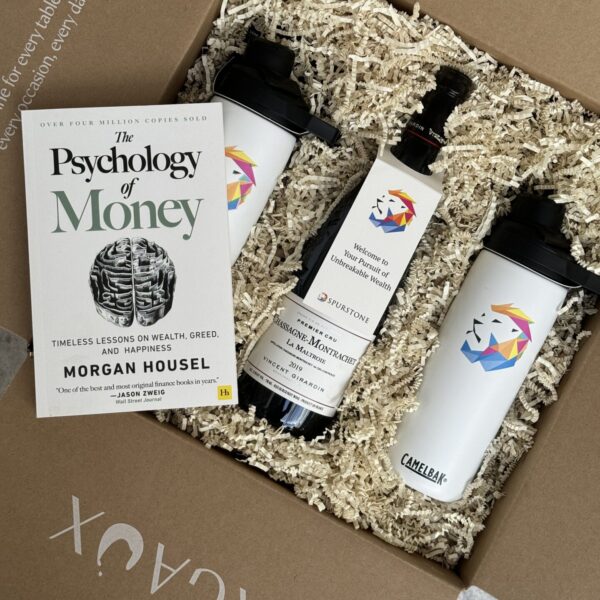
For a coworker, a teacher, a neighbor or a client, these two gift boxes each hold two sommelier-selected bottles.
- The Thank You Wine Gift Box, Classic ($100) arrives with a Thank You bottleneck tag and an optional gift note, and its selections rotate through the year.
- The Wines of California Discovery Gift Box, Reserve ($150) is built around California's most compelling producers.
- For the family that gets competitive over board games, the Three-Bottle Blind Wine Tasting Kit ($125) wraps three wines blind, with a tasting guide and grids. There are also 2-bottle ($100) and 4-bottle ($150) kits.
Christmas wine FAQ
What wine is good for Christmas dinner?
It depends on the main dish. A structured red like Cabernet Sauvignon suits prime rib. A light, bright red like Blaufränkisch suits ham, turkey or goose. A white Burgundy suits fish and shellfish. If you open one red and one white, you've covered almost the whole table.
What's a good Christmas Champagne?
For the classic, look for a Brut Champagne. For a similar toasty style at a lower price, try a Crémant from Alsace, Burgundy or the Loire. Prosecco is fruitier and softer, and works well for a big party or a spritz. All three are good, and it comes down to budget and mood.
What is the 20 minute wine rule?
Put a light red in the fridge for 20 minutes before you serve it, and take a white out of the fridge 20 minutes before you pour. Most whites are served too cold and most reds too warm, so both open up and taste better with a short adjustment.
Should you serve red or white with Christmas ham?
Either works. Ham is salty and often glazed with something sweet, so choose a wine with bright acidity and soft tannins: a light red like Blaufränkisch, or a crisp dry white. Skip big, oaky, tannic reds, which can taste harsh next to the salt.
How many bottles of wine do I need for Christmas dinner?
Plan on one bottle for every two to three wine drinkers over a long meal. A bottle pours about five glasses. For ten wine drinkers, that's four or five bottles for the table, plus one for the toast.
What wine should I bring to a Christmas party as a gift?
Pick a bottle the host can keep for later. A Blaufränkisch at $30 is an easy, friendly choice. A Cabernet suits a red-wine lover, and a white Burgundy suits a host who has everything. A two-bottle gift box from our wine gifts takes the guesswork out entirely.
Before the holidays arrive
Hosting more than one holiday dinner this year? Our Thanksgiving wine guide has the bottles for turkey and sides.

