
What Is Chablis Wine? Taste, Pairings & Top Vintages
The glass is cold. There are oysters in front of you, or maybe a piece of halibut in a light cream sauce, or maybe just a warm Tuesday afternoon. You pour the Chablis. It's crisp, mineral, a little like drinking something that came from the sea — which, in a sense, it did.
Chablis is one of those wines that teaches you what "mineral" actually means. It doesn't taste like fruit. It tastes like limestone and chalk and something ancient, clean. Once you've had a good one, you start chasing that feeling.
Here's what you need to know.
What is Chablis?
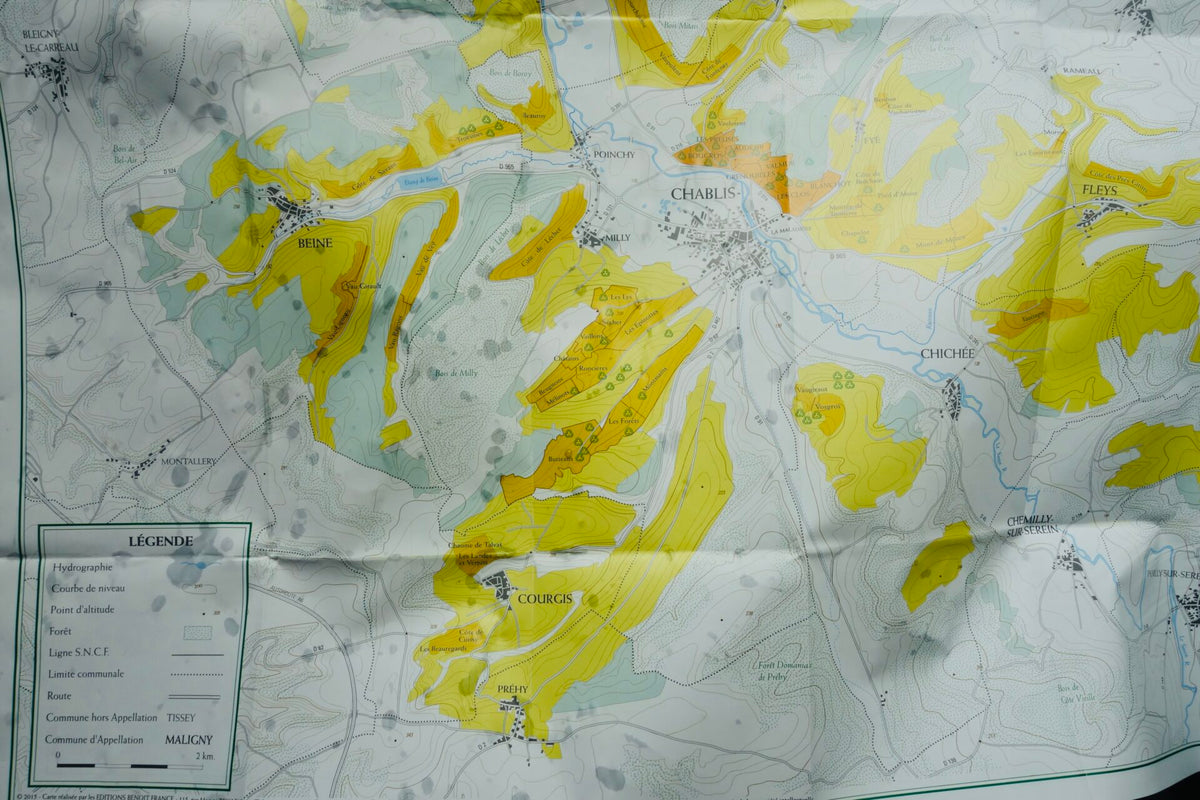
Chablis is a wine region located at the northernmost part of Burgundy, France. Unlike other white Burgundy wines, Chablis is exclusively made from Chardonnay grapes. The secret is in the soil: Kimmeridgian limestone, which is essentially millions of years of compressed fossilized oyster shells. That's not a metaphor — Chablis literally grows in ancient seabed. It's why the wine tastes like the sea. It's why it pairs so well with oysters. The connection is geological.Taste Profile and Styles
Chablis wines are typically light-bodied with high acidity, making them refreshing and vibrant. They often exhibit flavors of green apple, lemon, lime, and occasionally white flowers. The unique soil imparts a flinty minerality that sets Chablis apart from other Chardonnay wines. Chablis can be categorized into four main appellations:- Petit Chablis: Wines from lesser-known, flatter vineyards.
- Chablis: The most common category, representing the classic style.
- Premier Cru: Higher quality with more complexity and aging potential.
- Grand Cru: The top tier, known for exceptional depth and aging capability.
Petit Chablis vs. Chablis: What's the Difference?
Same grape, same town, same chilly corner of northern Burgundy. The difference comes down to where the vines grow.
Village Chablis grows on Kimmeridgian limestone, the fossil-packed soil we talked about above. Petit Chablis comes from Portlandian limestone, a harder and younger layer that caps the plateaus above the classic slopes. That ground sits higher, holds less clay and has far fewer fossils in it. Petit Chablis got its own appellation in 1944, and it's the first step on Chablis's four-step ladder: Petit Chablis, Chablis, Premier Cru, Grand Cru.
In the glass, you taste that difference as a lighter, fruitier wine. The lemon and green apple are still there, and so is the bright acidity. What you get less of is the salty, chalky grip that makes village Chablis taste like a sea breeze. Petit Chablis is made to be opened young, usually within two or three years of the vintage, and it tends to cost less.
Don't let the "petit" put you off. A good one is the bottle you open while the oysters are still being shucked, or the one you bring to a backyard dinner where nobody wants to think too hard about what's in their glass.
Our pick is the 2023 Domaine Vincent Dampt Petit Chablis. Vincent is the son of Daniel Dampt and the grandson of Jean Defaix, two well-known Chablis names, and he's run his own domaine since 2003. His Petit Chablis comes from old vines on rocky Portlandian ground and is made in steel tanks with no oak. It's a Club Argaux member wine, so members can add it to their next order.
If You Like...
If you enjoy other high-acid, mineral-driven white wines like Sancerre or Albariño, you'll likely appreciate Chablis. Its crisp, clean profile and subtle complexity make it a favorite among fans of these styles.Try These:
2024 Domaine Vincent Dampt Chablis (Half-Bottle) - Two generous glasses of classic village Chablis, for dinner for two or a weeknight when a full bottle is too much. Vincent Dampt's family has farmed in Milly, in the middle of the Chablis appellation, for four generations, and he started his own domaine there in 2003. He ferments and ages this one in stainless steel with no oak. Expect lemon, green apple, and a salty, mineral finish. Open it with oysters, roast chicken, or a wedge of aged Comté.
Looking for more bottles in this style? Browse our white wines for crisp, food-friendly picks.
Fun Facts About Chablis
- The only grape varietal permitted in Chablis is Chardonnay.
- The region's unique Kimmeridgian soil is a blend of limestone, clay, and fossilized oyster shells, giving the wines their distinct minerality.
- Chablis is often unoaked or aged in older oak barrels, which preserves its fresh, pure fruit flavors.
Food Pairings
Chablis is incredibly versatile when it comes to food pairings. Here are some delightful matches:- Seafood: The high acidity and mineral notes of Chablis make it a perfect companion for oysters, scallops, and even sushi! Try pairing it with dishes like halibut ceviche or with your seafood platter
- Poultry: Chablis pairs beautifully with chicken, especially in creamy sauces. A dish like chicken Provençal would complement its flavors perfectly
- Vegetarian: Salads with citrus vinaigrettes, goat cheese, or grilled vegetables are a nice pairing as well
Chablis and Cheese Pairings
Chablis, with its high acidity and minerality, makes an excellent pairing with a variety of cheeses. Here are some top recommendations to enjoy:Soft and Creamy Cheeses
Brie and Camembert: The creamy texture of these cheeses complements the crisp acidity of Chablis, creating a balanced and delightful pairing. The subtle flavors of the cheese won't overpower the delicate notes of the wine. Triple Cream Cheeses: Rich, buttery triple creams like Saint-André or Brillat-Savarin are beautifully balanced by Chablis. The wine's acidity cuts through the richness, making each bite more enjoyable.Goat Cheese
Fresh Chèvre: The tangy and slightly grassy flavors of fresh goat cheese enhance the citrus and mineral notes in Chablis. This pairing is a classic and works exceptionally well with both young and aged Chablis. Aged Goat Cheese: Aged varieties like Crottin de Chavignol develop deeper flavors that still pair well with the vibrant acidity and minerality of Chablis.Hard Cheeses
Comté: This semi-hard cheese has nutty and buttery flavors that complement the minerality and complexity of Premier Cru and Grand Cru Chablis. The wine's acidity refreshes the palate, making it a delightful match. Gruyère: Similar to Comté, Gruyère's nuttiness and slight sweetness balance the sharpness and freshness of Chablis, especially the more mature versions.Blue Cheeses
Mild Blue Cheeses: While strong blue cheeses might overpower Chablis, milder blue cheeses like Fourme d'Ambert can pair well. The wine's acidity can balance the creamy texture and slight spiciness of the cheese.Serving Tips
- Temperature: Serve Chablis slightly chilled, around 50-54°F (10-12°C), to maintain its crispness.
- Cheese Board: Include a variety of textures and flavors on your cheese board to find your favorite pairing combinations with Chablis.
- Accoutrements: Add some fresh fruits (like apples and pears), nuts, and a touch of honey to enhance the tasting experience.
3 Recipe Pairings from Argaux
For an exceptional dining experience, here are some recommended recipe pairings from the Argaux website:- Halibut Ceviche: This fresh, zesty dish is a great match for Chablis, highlighting its citrus and mineral qualities
- Chicken Provençal: A classic French dish with robust flavors that pairs wonderfully with Chablis' acidity and subtle complexity
- Swordfish Pappardelle: The tomatillo provides next level acidity while the Dijon instills a bite that sets this dish apart from any other seafood pasta with lemon and butter. Chablis it is!
Best Vintages
While Chablis is consistent in quality, some standout vintages include:- 2017: Known for its exceptional balance and classic minerality.
- 2018: A warmer year, producing more fruit-forward wines with a touch more ripeness.
- 2020: Noted for its purity and precision, reflecting the traditional style of Chablis.
Chablis FAQ
Is Chablis the same as Chardonnay?
Yes — Chablis is 100% Chardonnay. It just doesn't taste like the Chardonnay most people picture. There's no oak, no butter, no tropical fruit. Chablis is Chardonnay grown on ancient oyster-shell limestone in the coolest corner of Burgundy, so it comes out lean, bright, and a little salty instead of rich and golden. Same grape, completely different mood.
What's the difference between Petit Chablis and Chablis?
Both are 100% Chardonnay from the same corner of Burgundy. Petit Chablis grows on younger Portlandian limestone up on the plateaus. Village Chablis grows on the fossil-rich Kimmeridgian slopes below. Petit Chablis is lighter and fruitier, made to drink young, and usually costs less. Chablis has more of that salty, chalky edge.
What does Chablis taste like?
Think green apple, lemon, and wet stone — crisp and dry, with a mineral edge people often describe as "flinty" or "chalky." Village-level Chablis is zippy and refreshing; Premier Cru and Grand Cru bottles carry more weight and can age beautifully. If you've only had oaky California Chardonnay, your first Chablis tends to be a happy surprise.
What do you serve with Chablis?
Oysters are the classic answer, and they earn it — the wine's salinity and the brine of a raw oyster were made for each other. But don't stop at seafood. Chablis is lovely with goat cheese, roast chicken, sushi, or a Tuesday-night salad. Its job is to refresh, so it plays well with almost anything that isn't heavy or sweet.
Is Chablis a dry wine?
Yes, Chablis is bone-dry. There's no residual sugar to speak of — what reads as "fruit" is really just bright acidity and that signature stony minerality.
What's the best way to serve Chablis?
Chilled, but not ice-cold. Around 48–52°F (take it out of the fridge 15 minutes before pouring) lets the aromas open up. A regular white-wine glass is all you need — no special stemware required.