







Thoughtfully Farmed, Naturally Expressive
Organic Wines
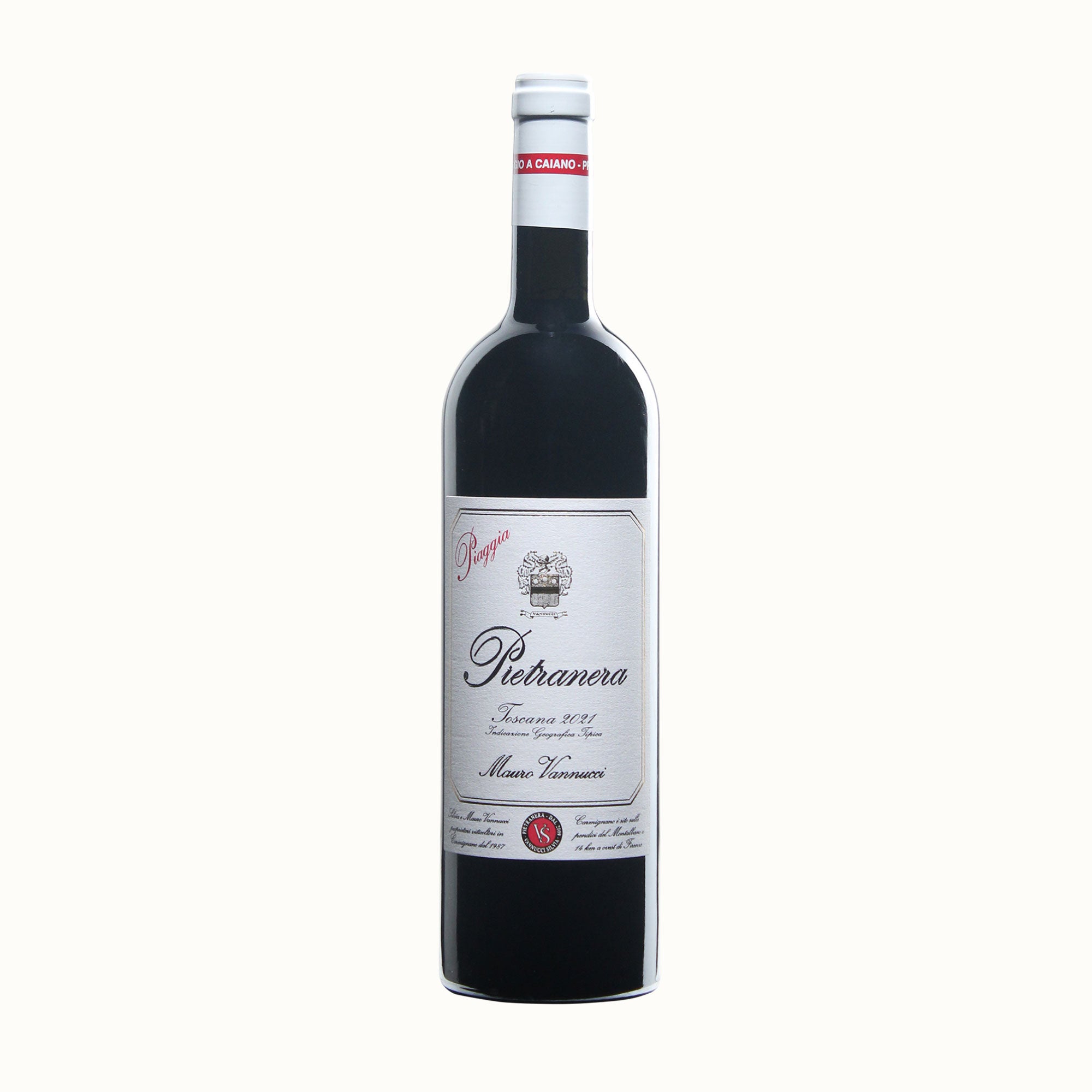
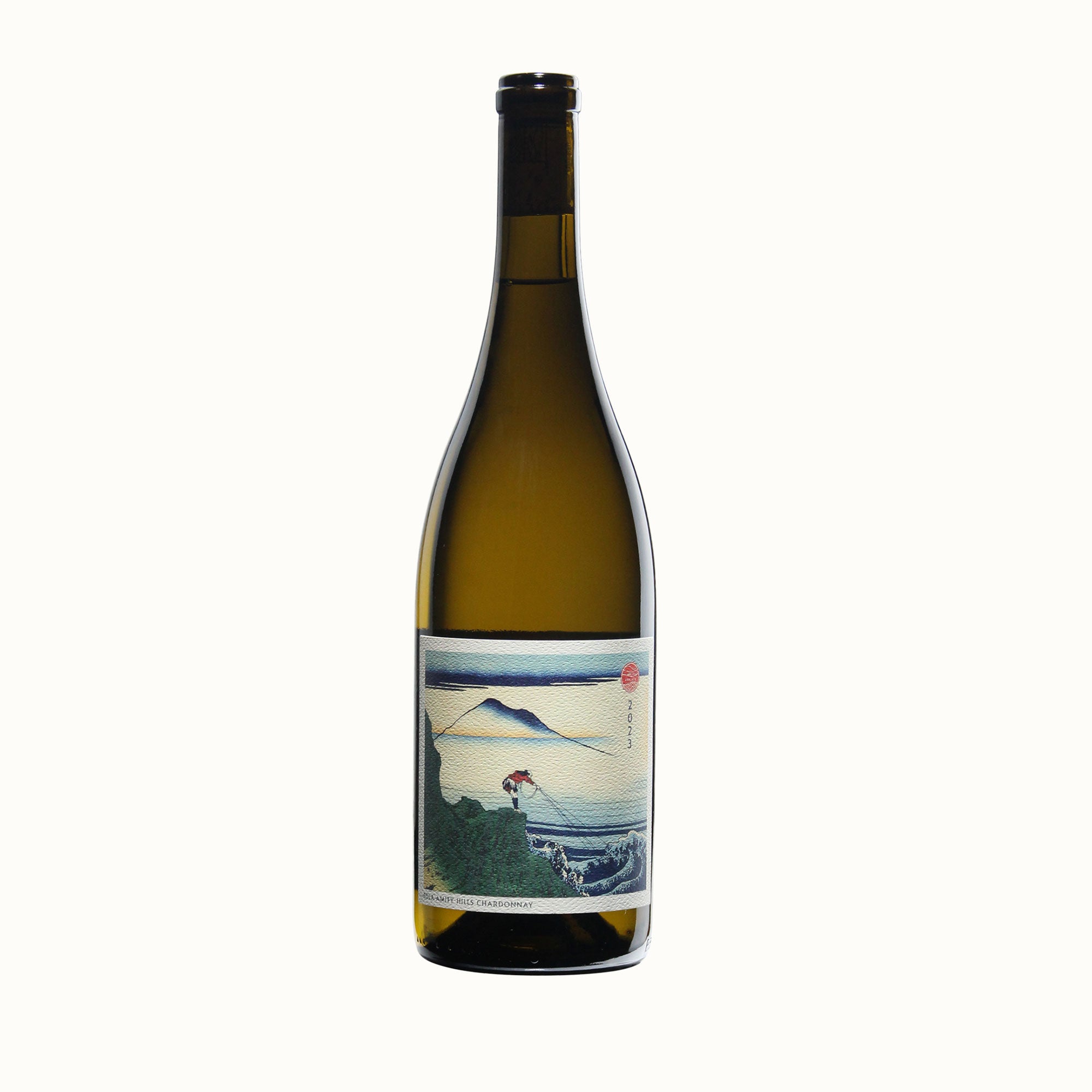
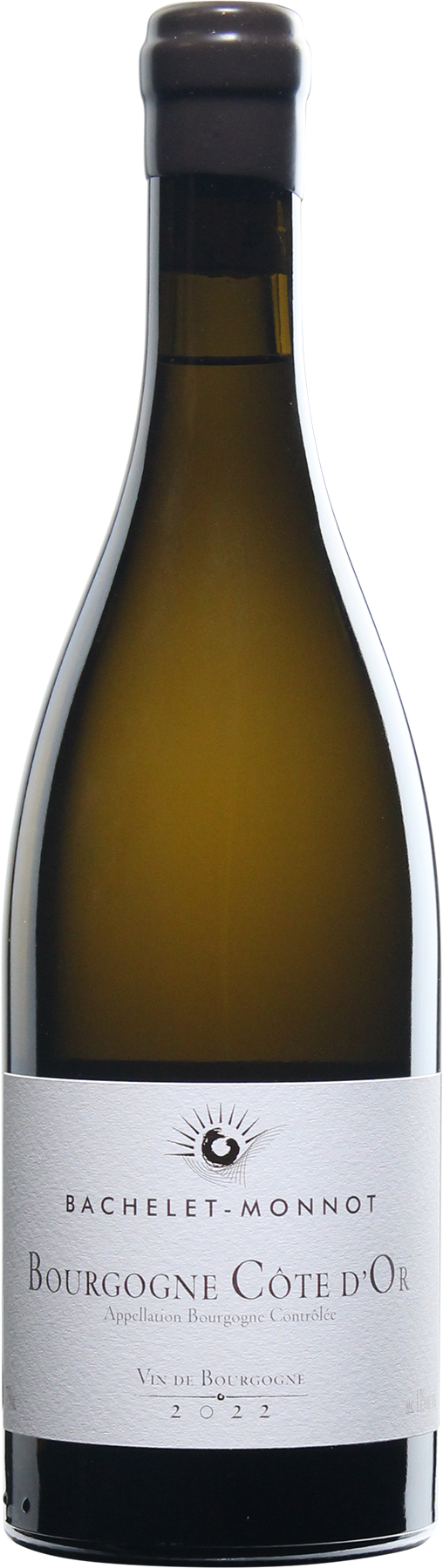
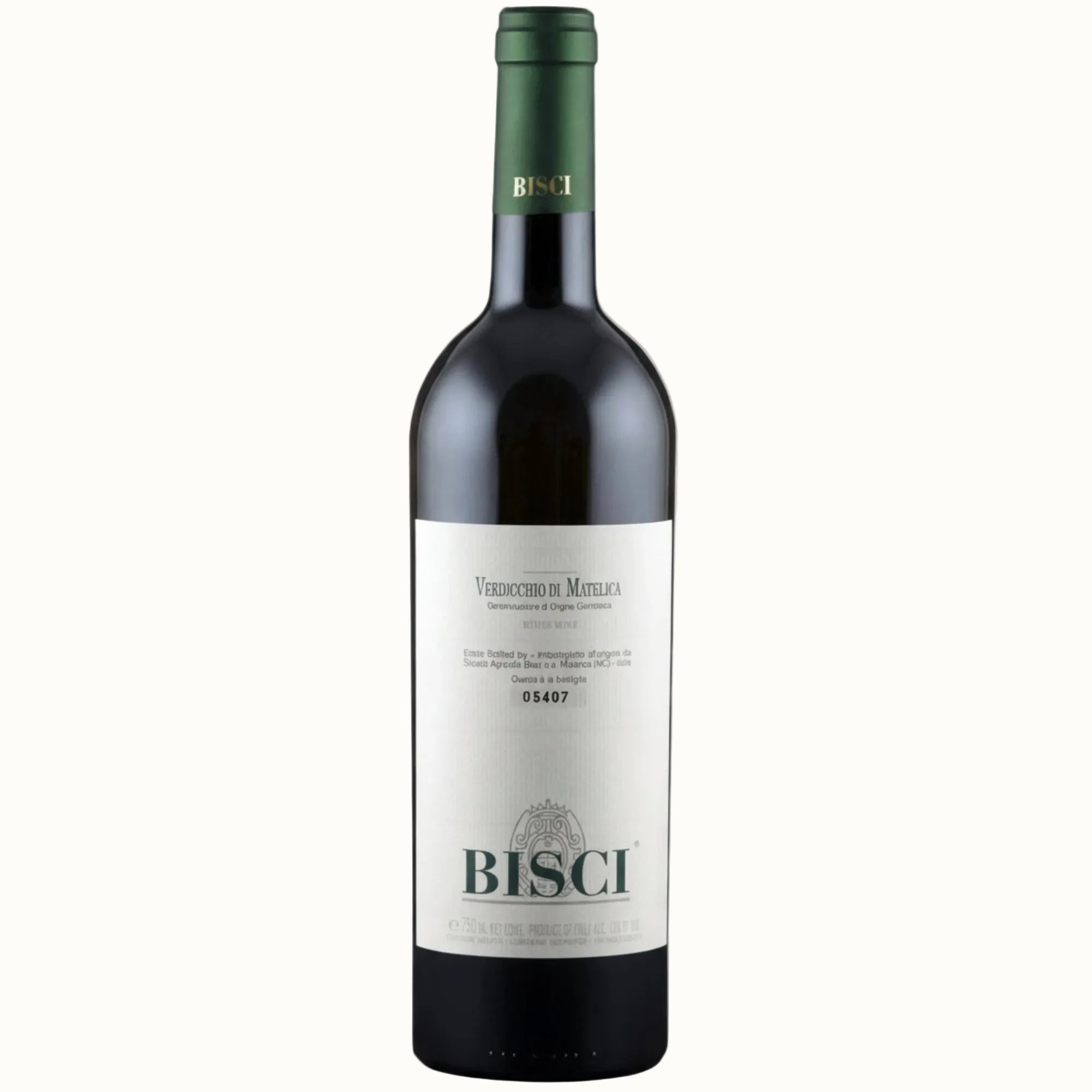
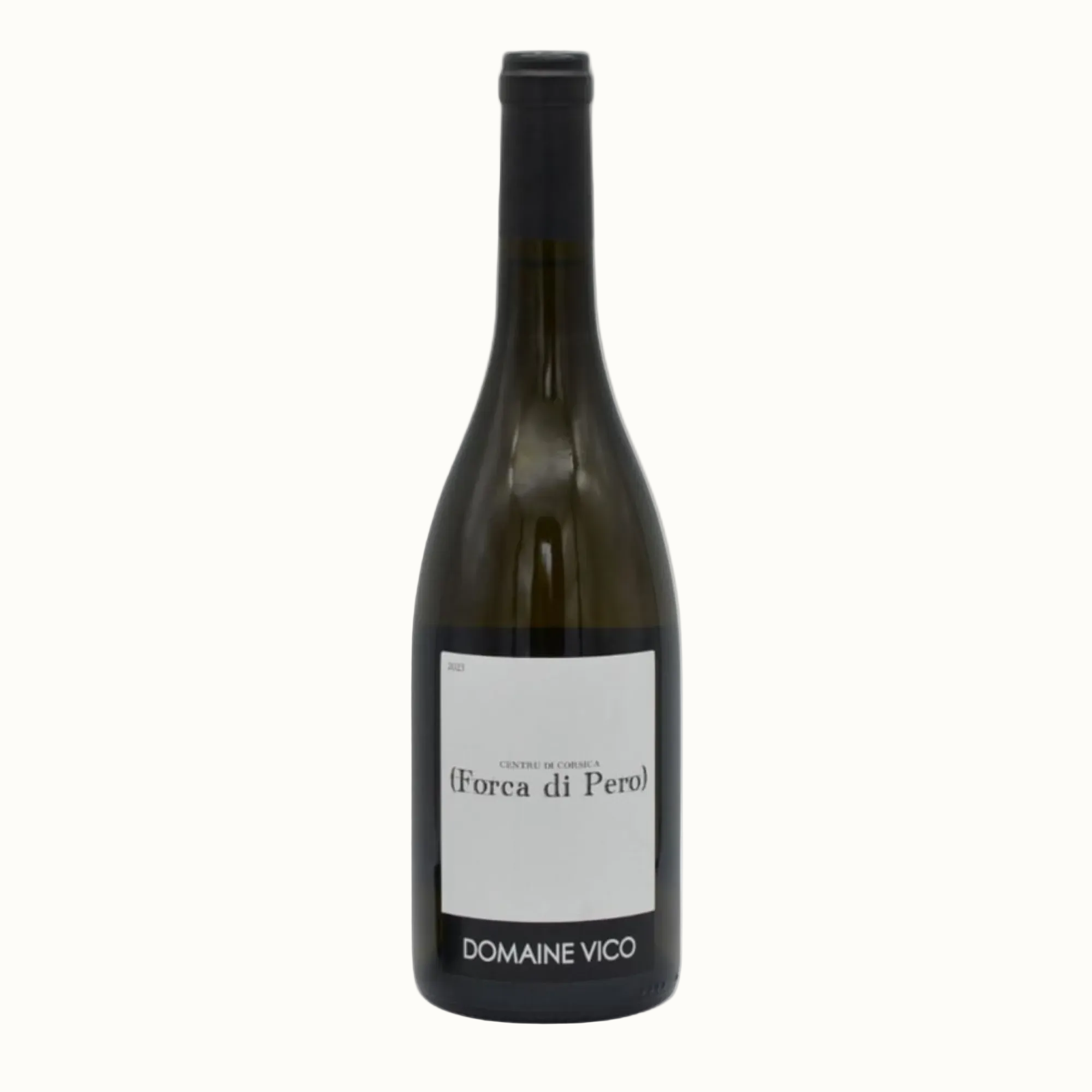
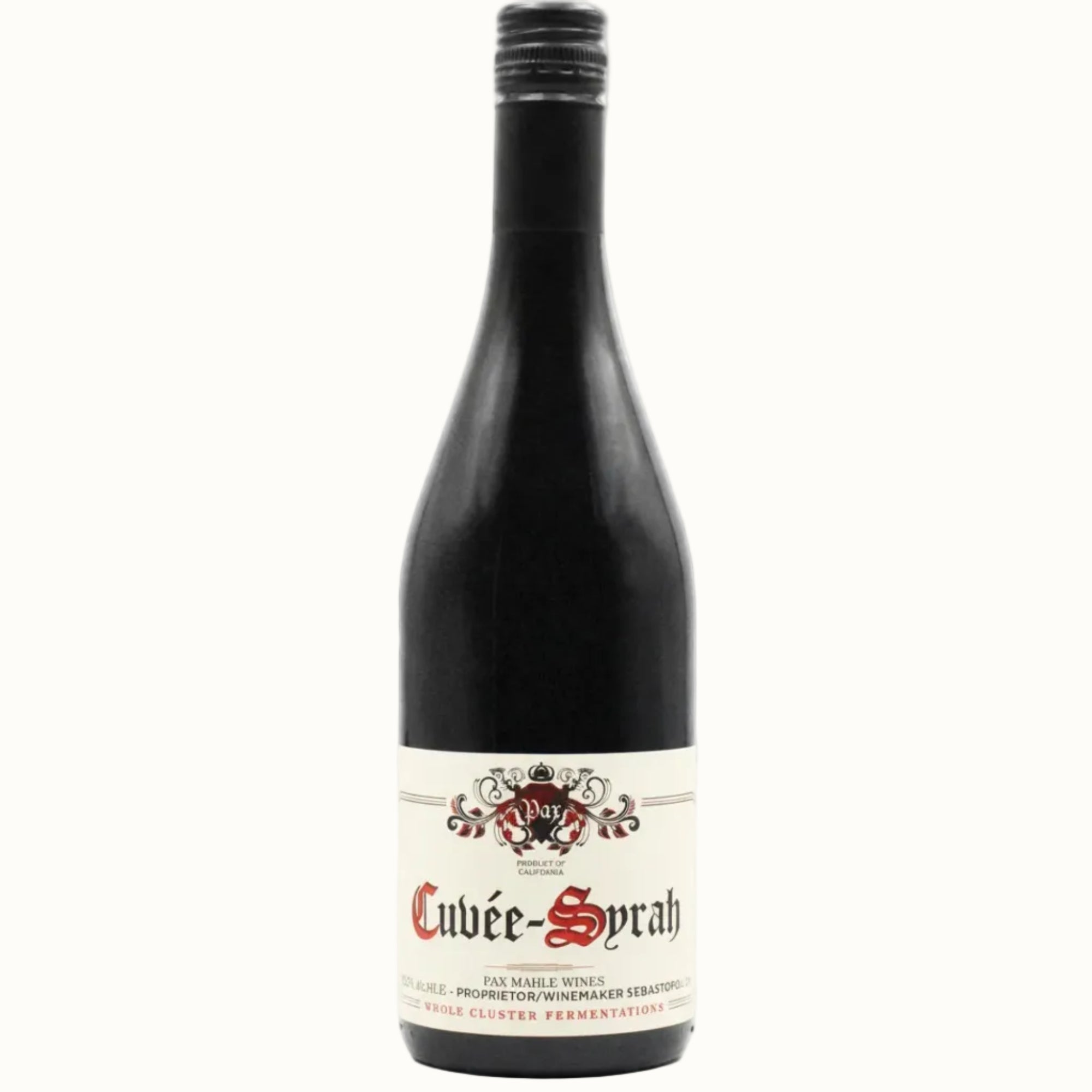
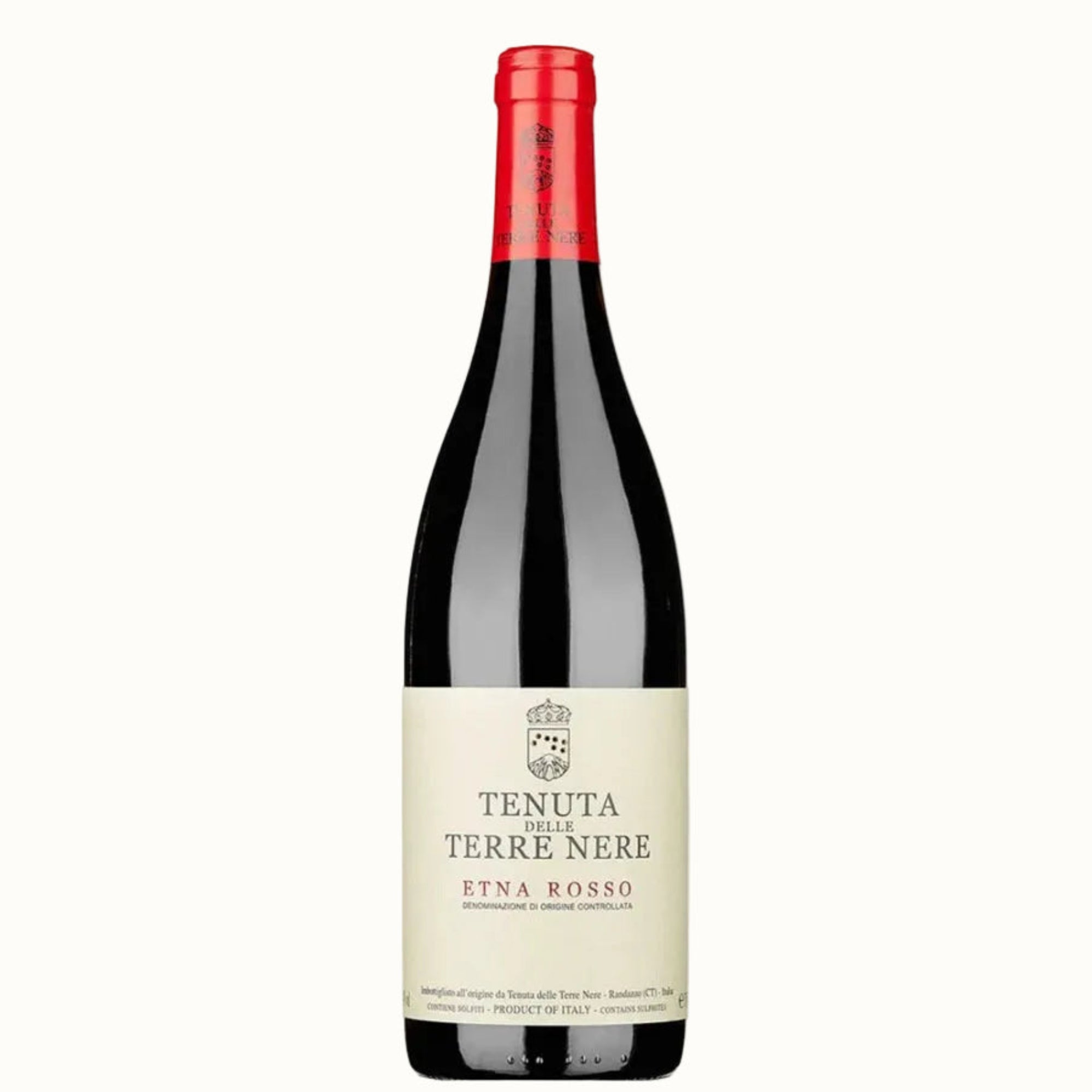
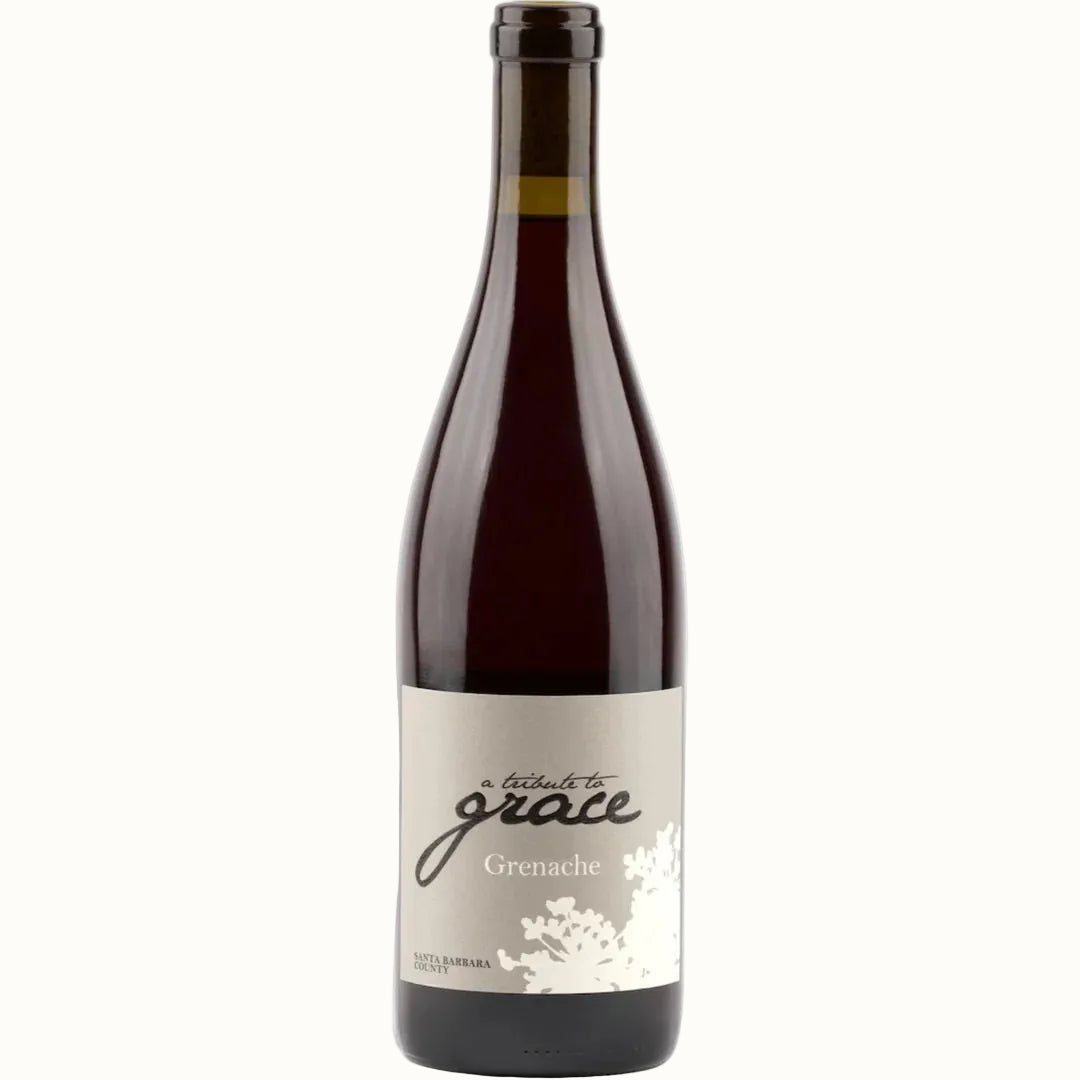
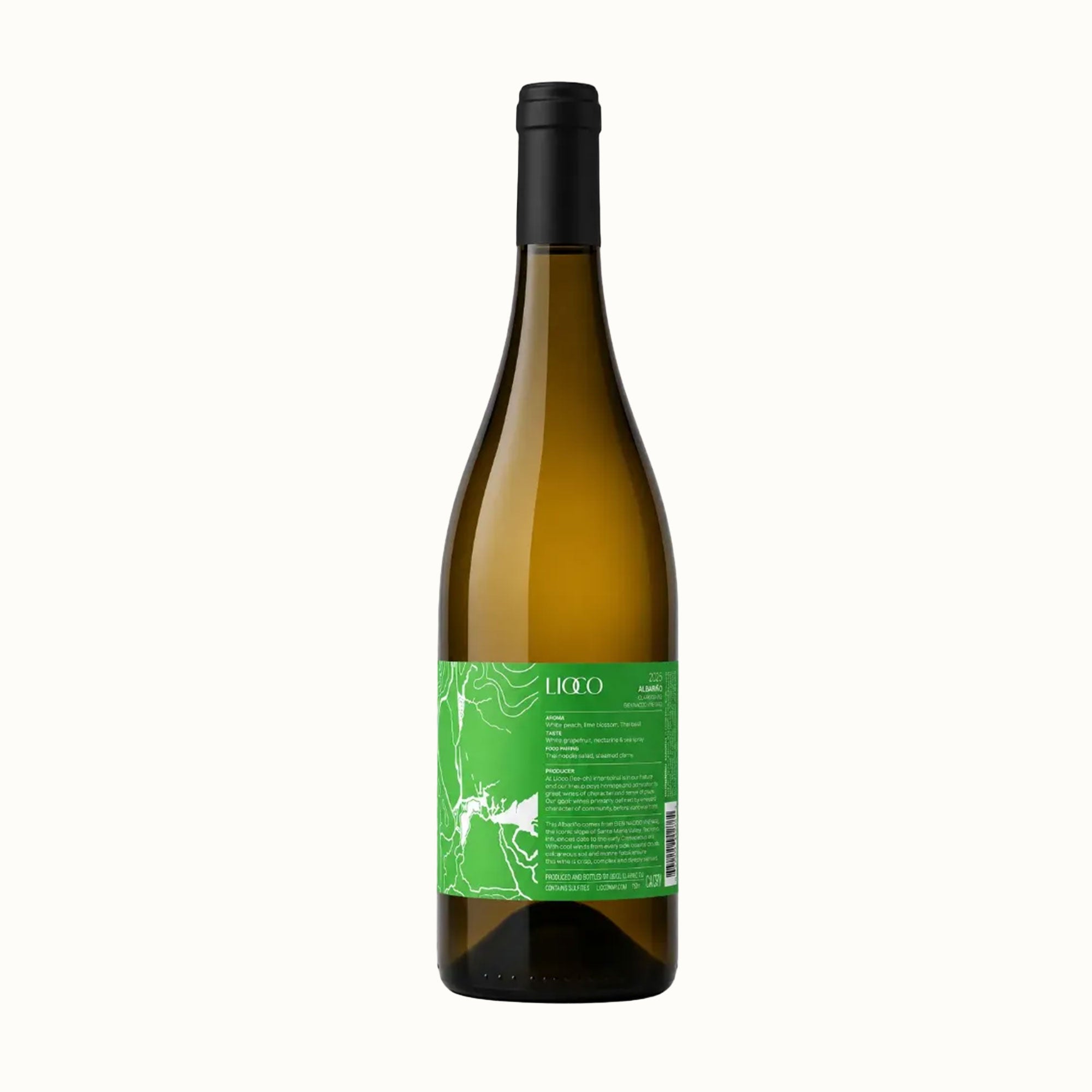
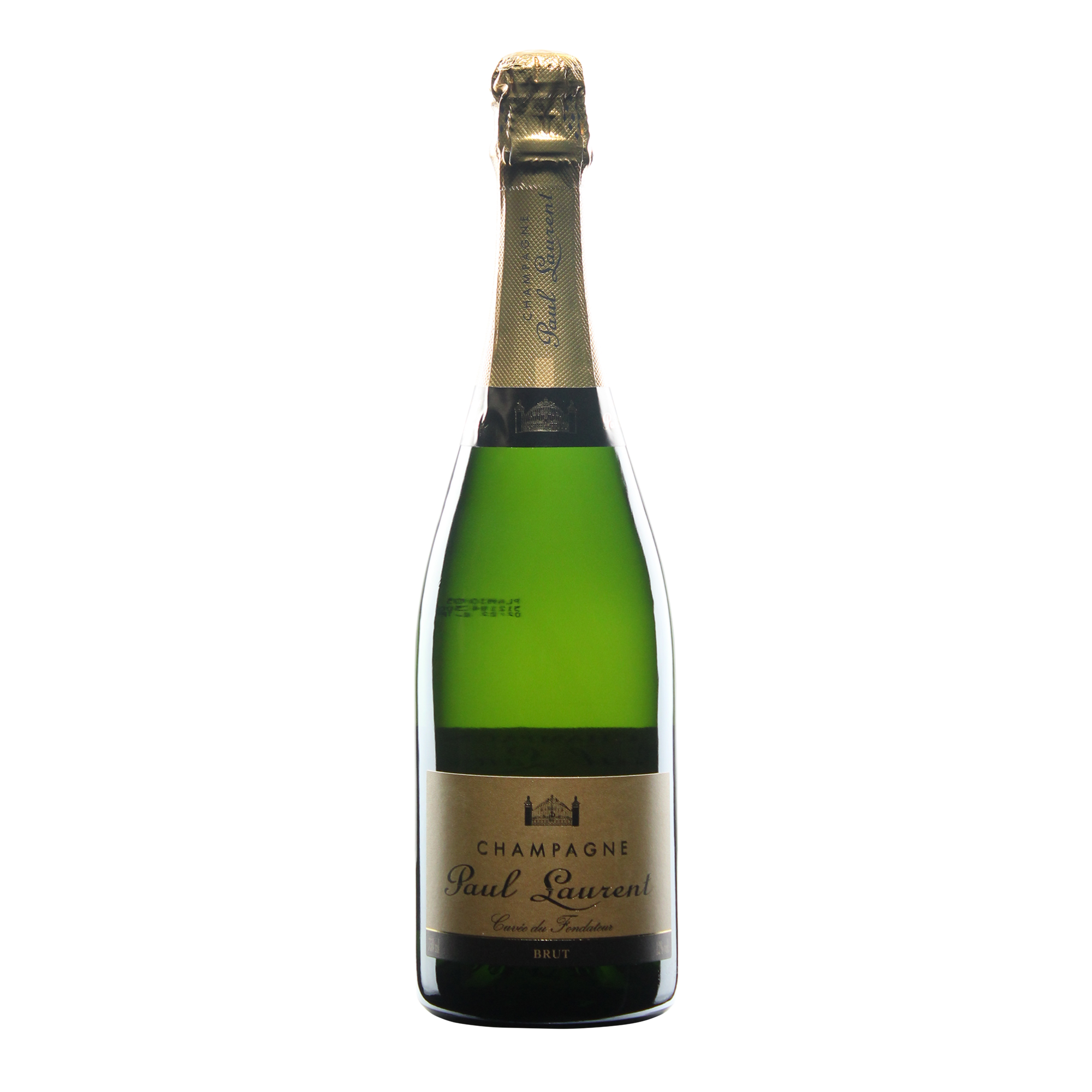
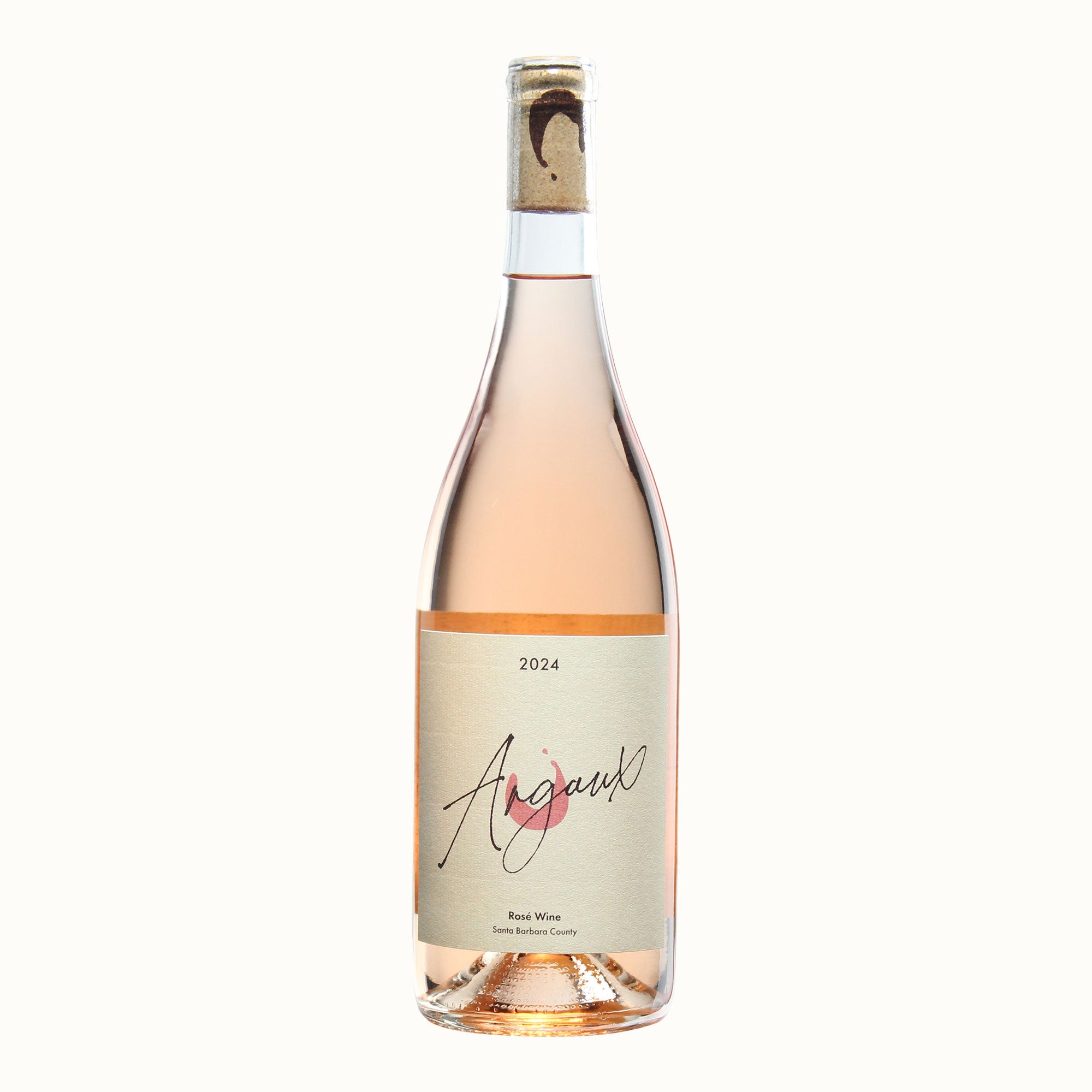
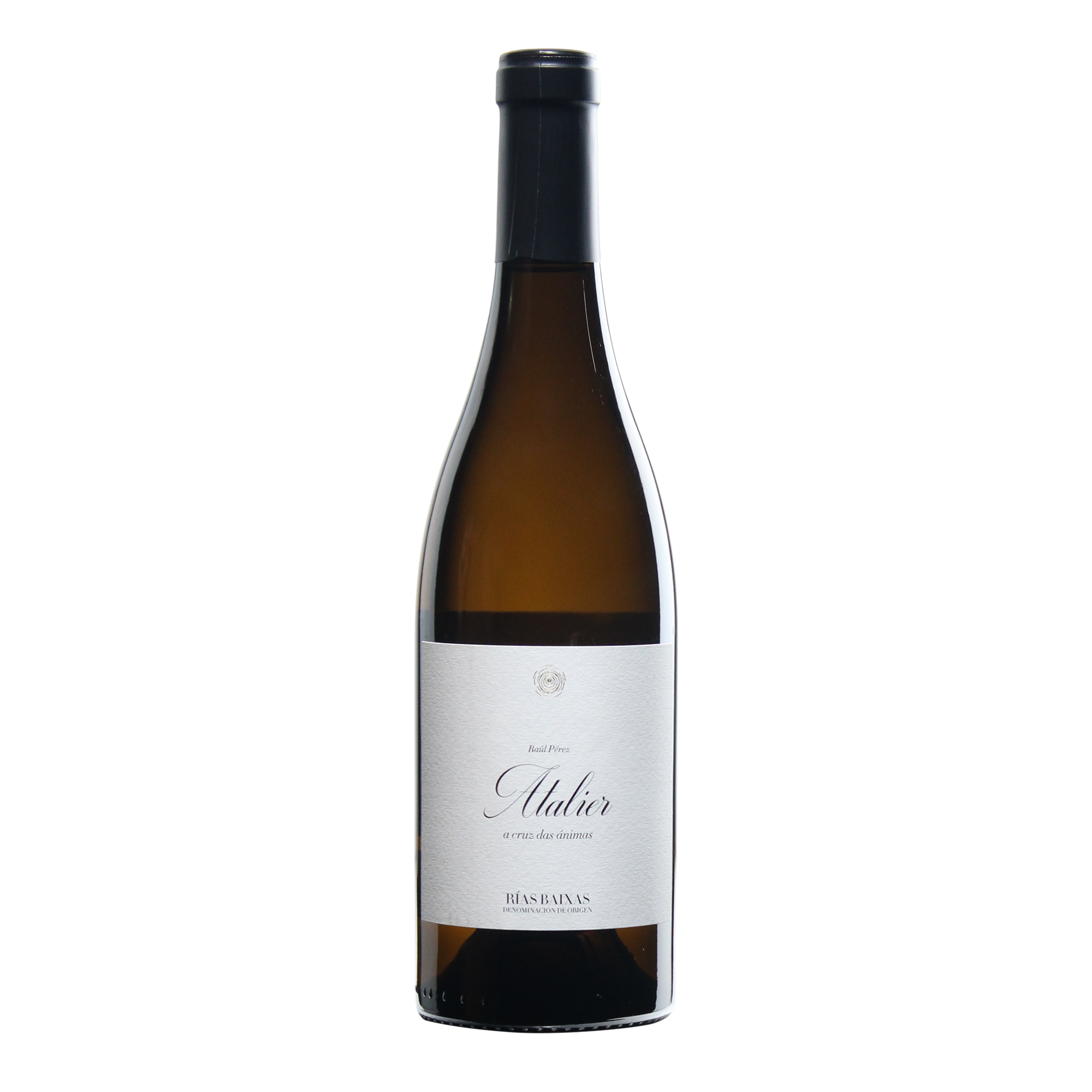
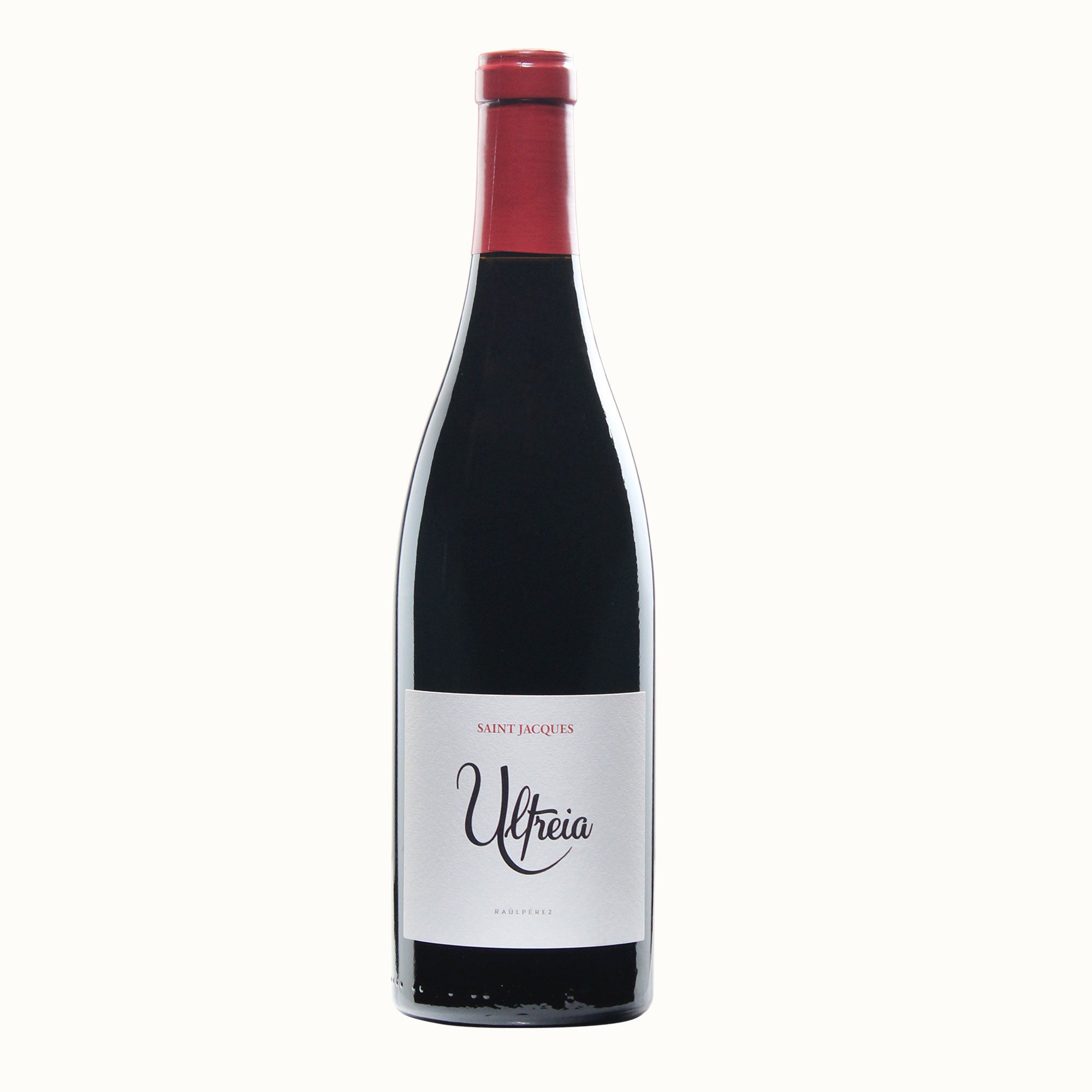
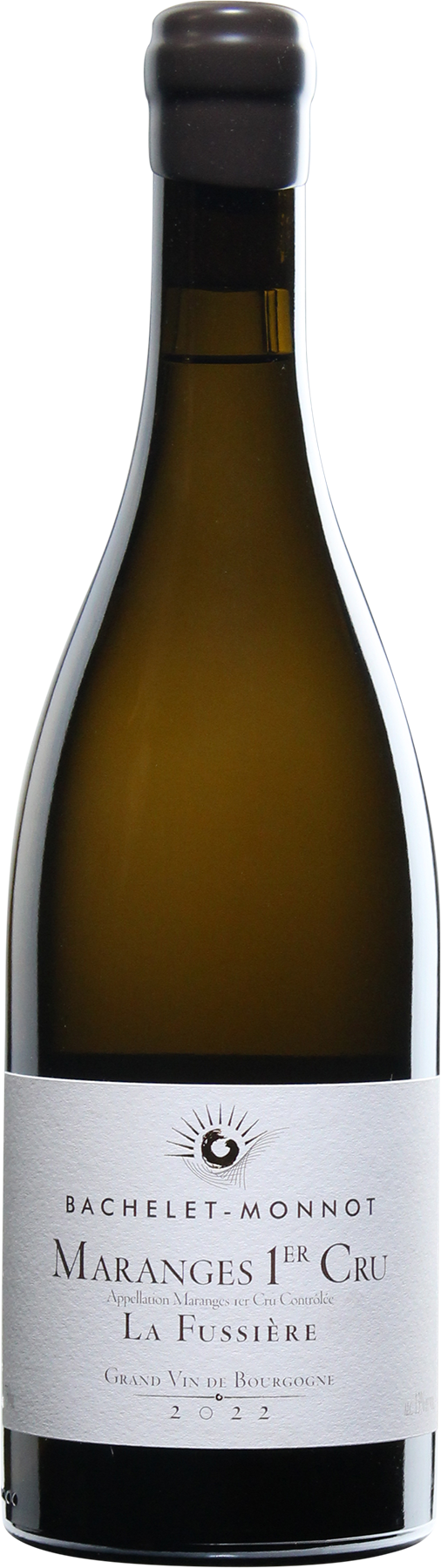
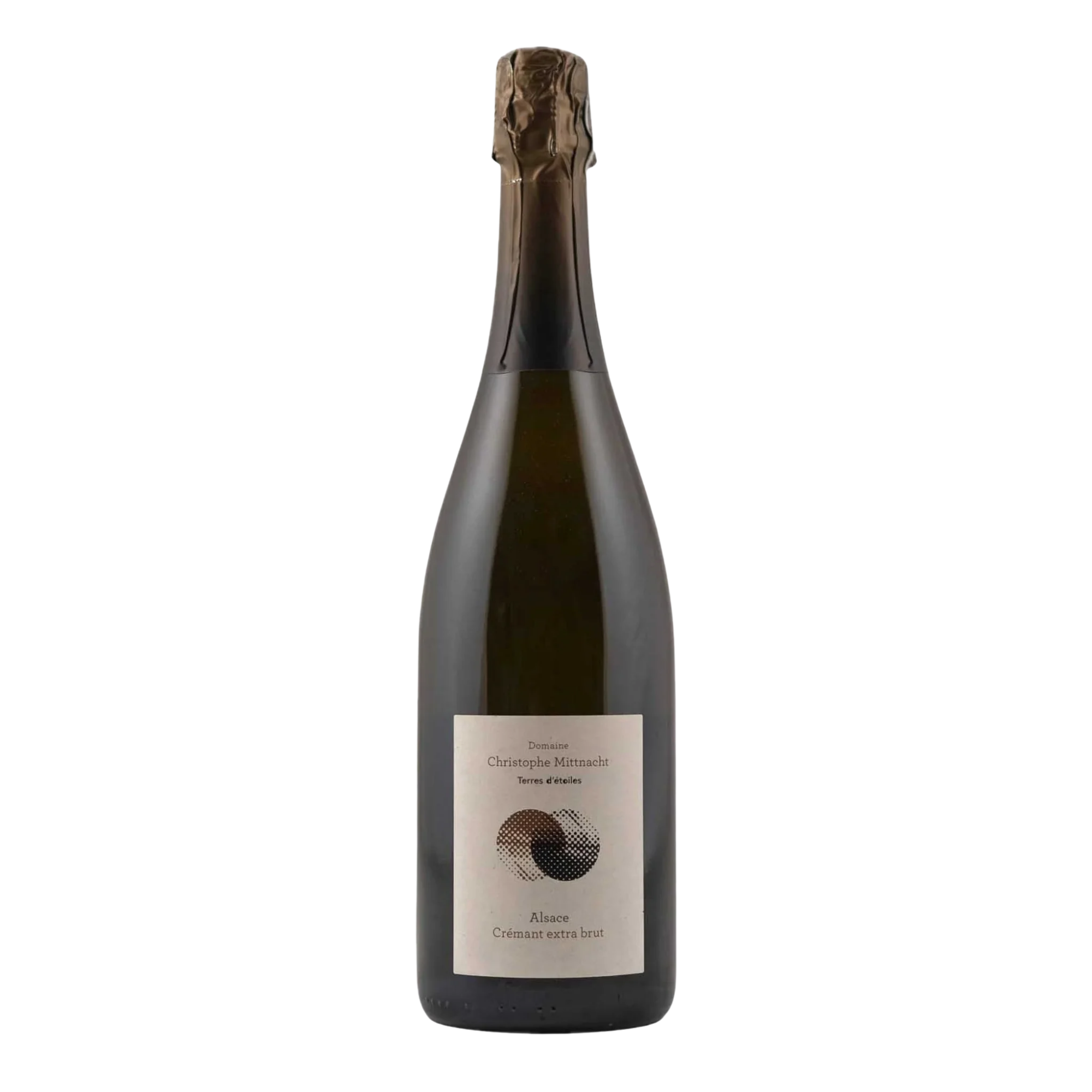
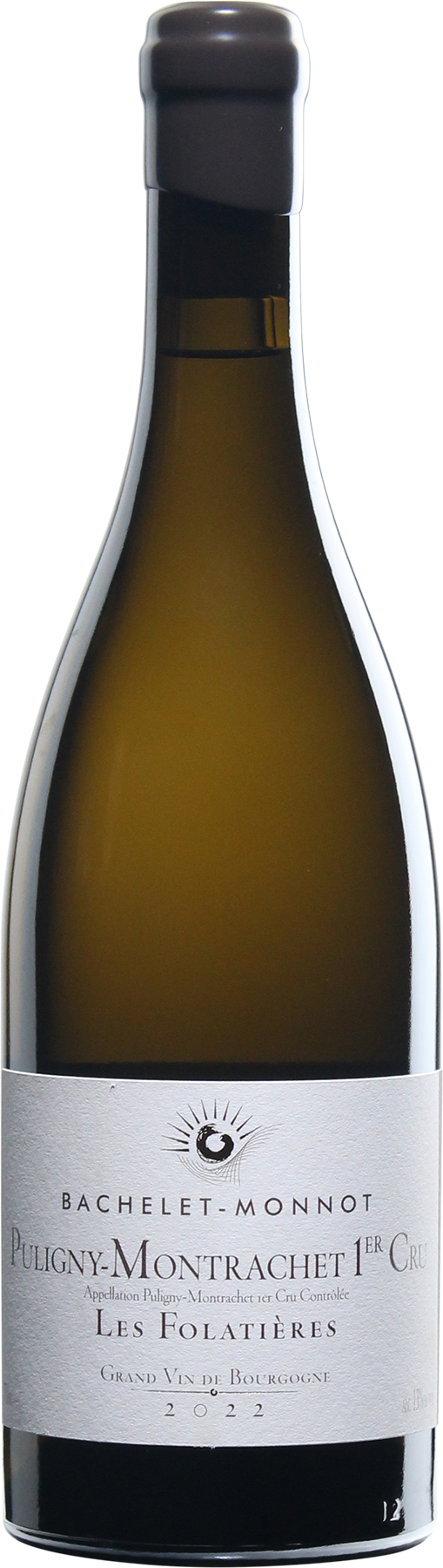
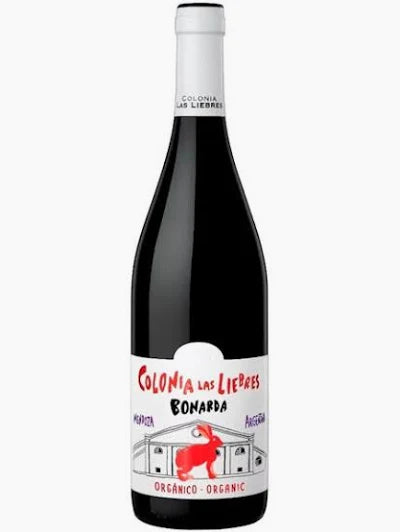
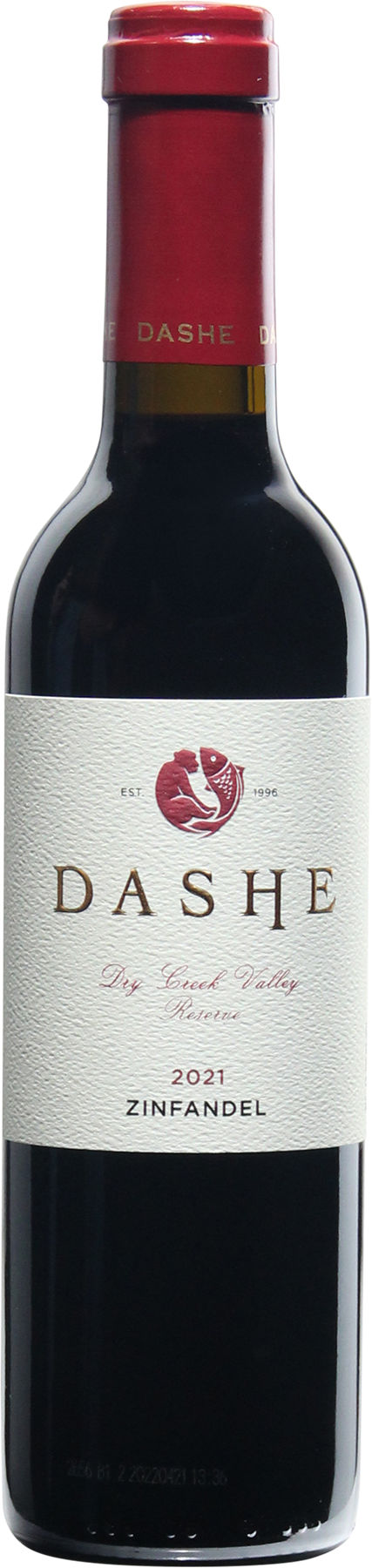
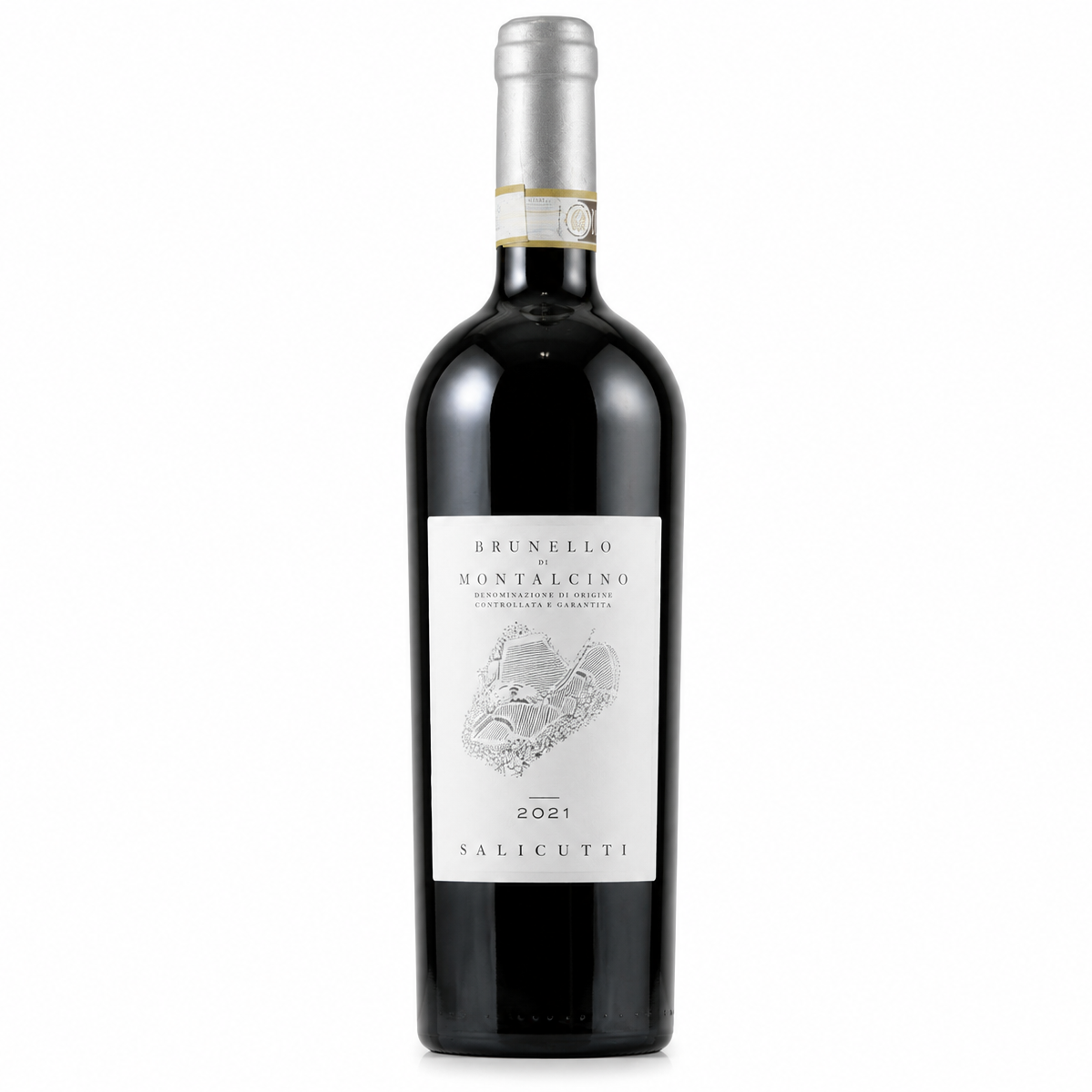
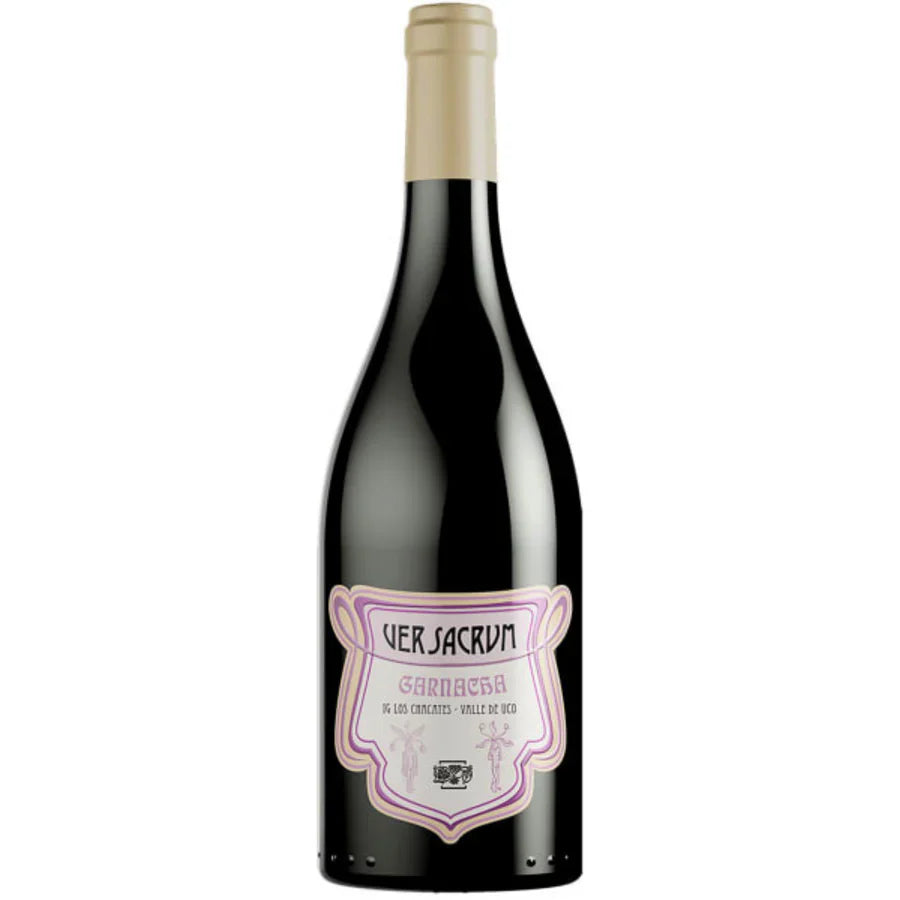
Organic wines begin in the vineyard. Produced from grapes grown without synthetic herbicides, pesticides, or fertilizers, these wines reflect a thoughtful approach to farming and a deep respect for the land. Explore sommelier-selected organic wines from small producers who prioritize stewardship, authenticity, and expressive wines that tell the story of where they come from.


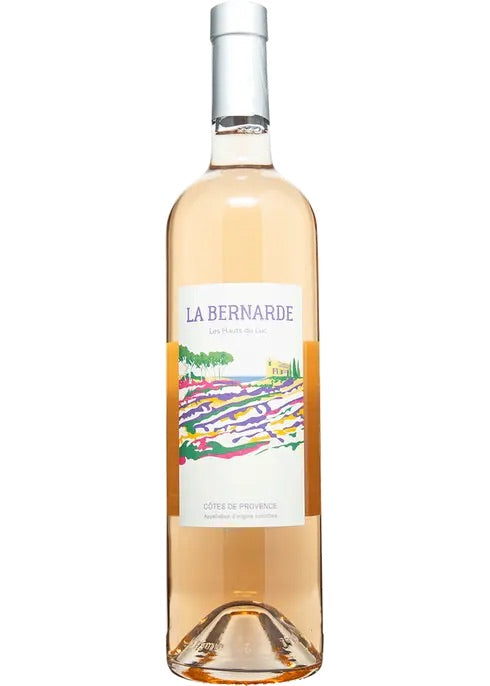
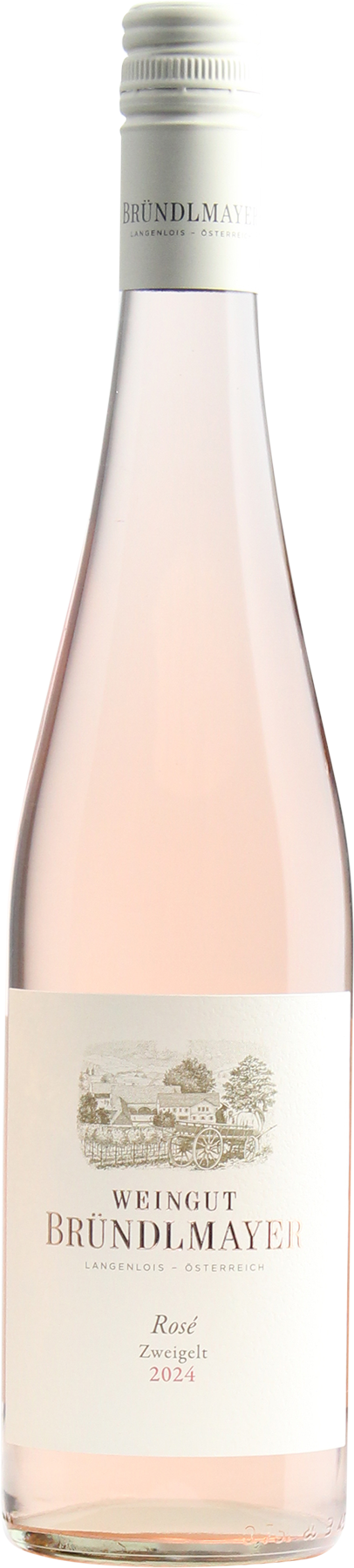
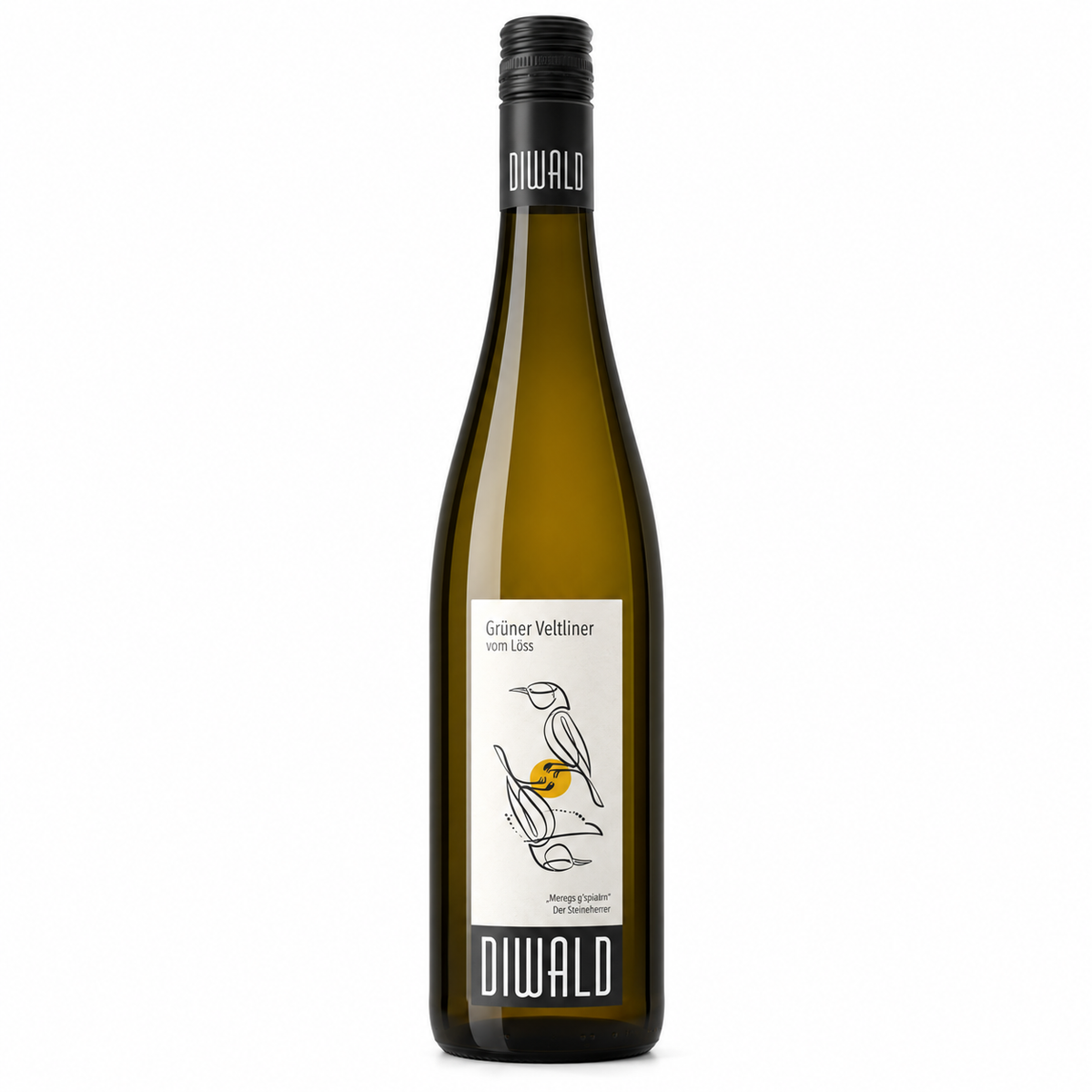
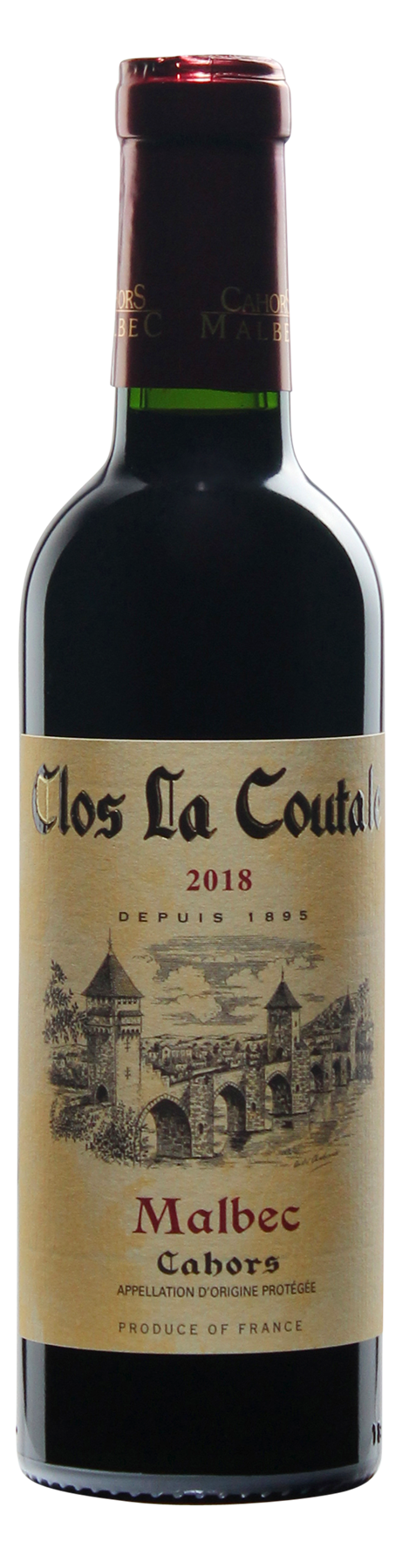
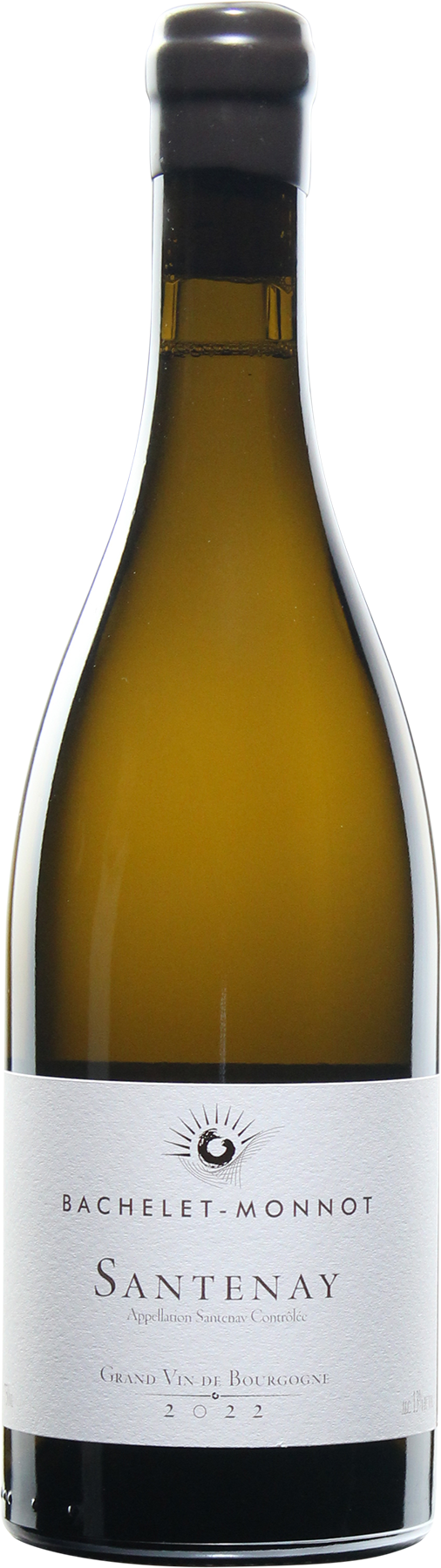
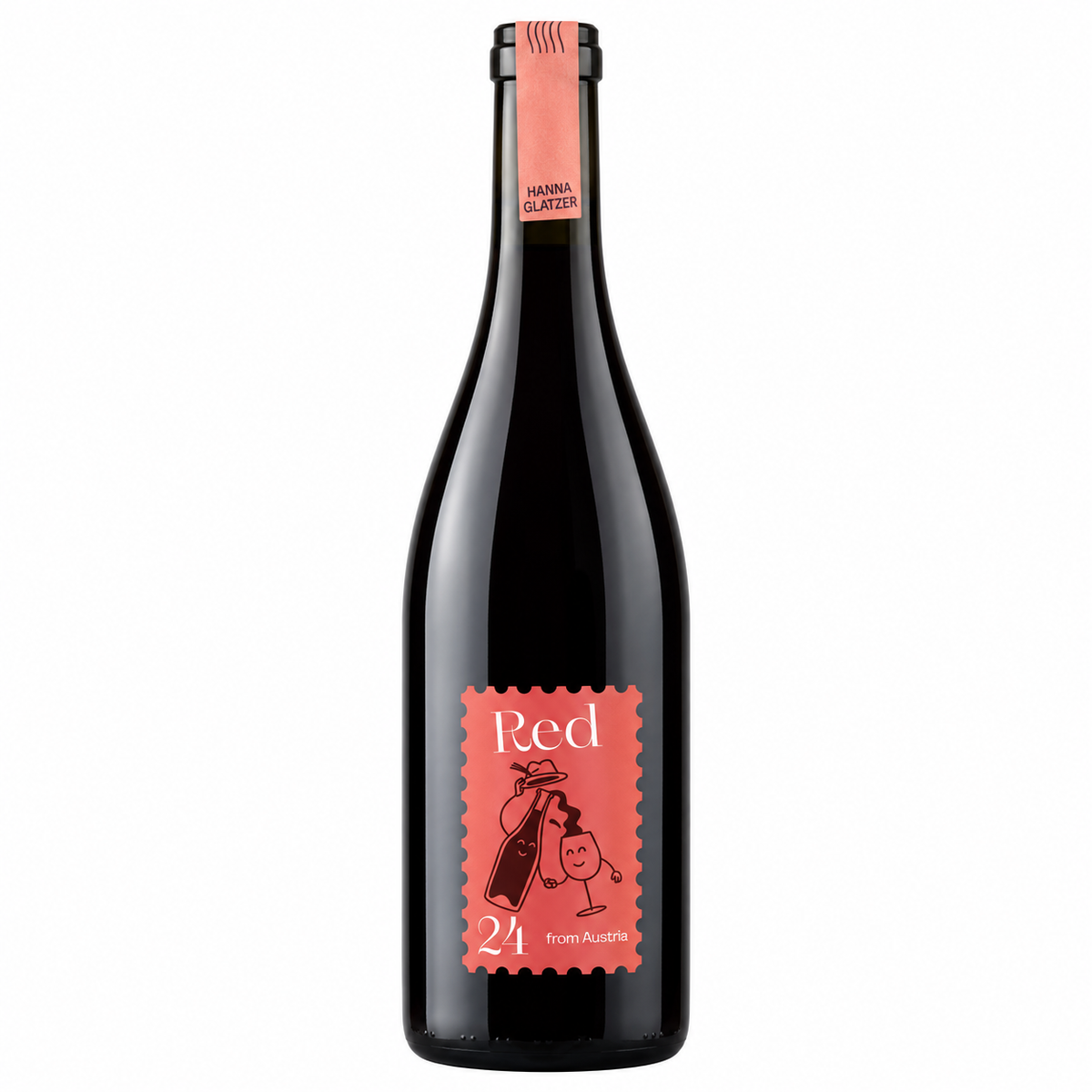

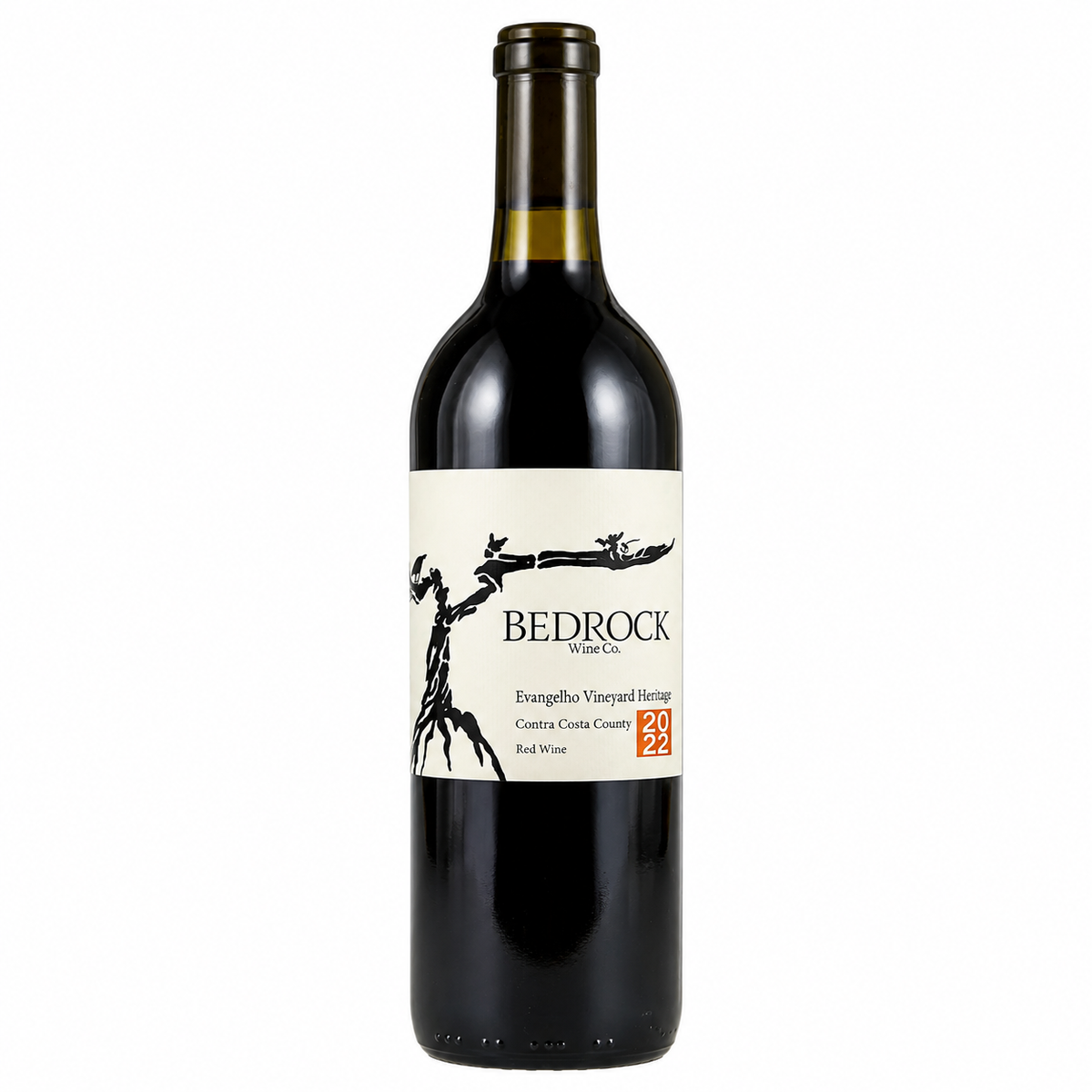


Why We Love Organic Wines
Frequently asked questions
What is organic wine?
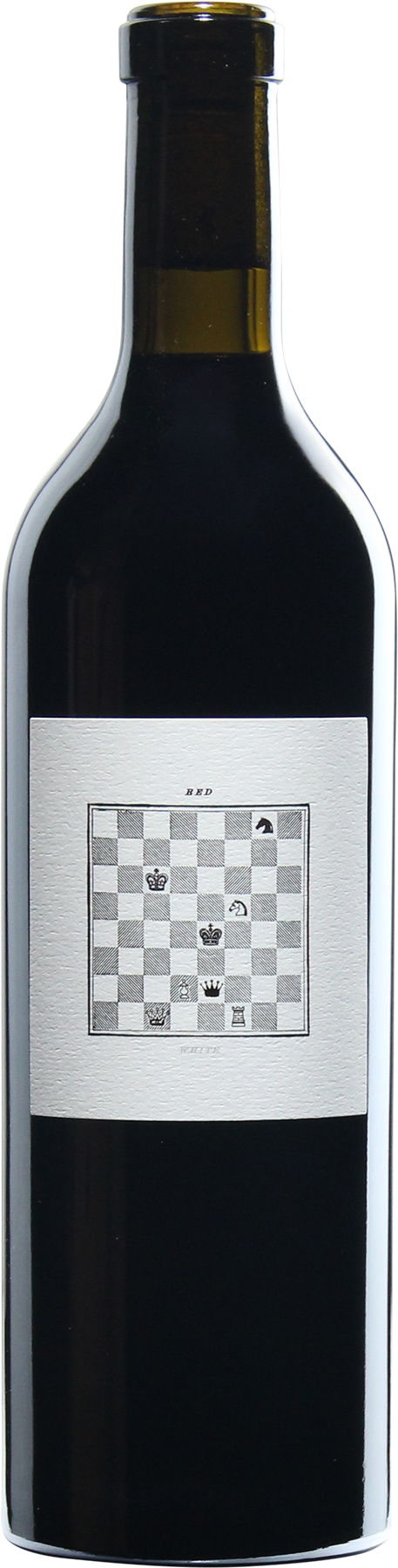
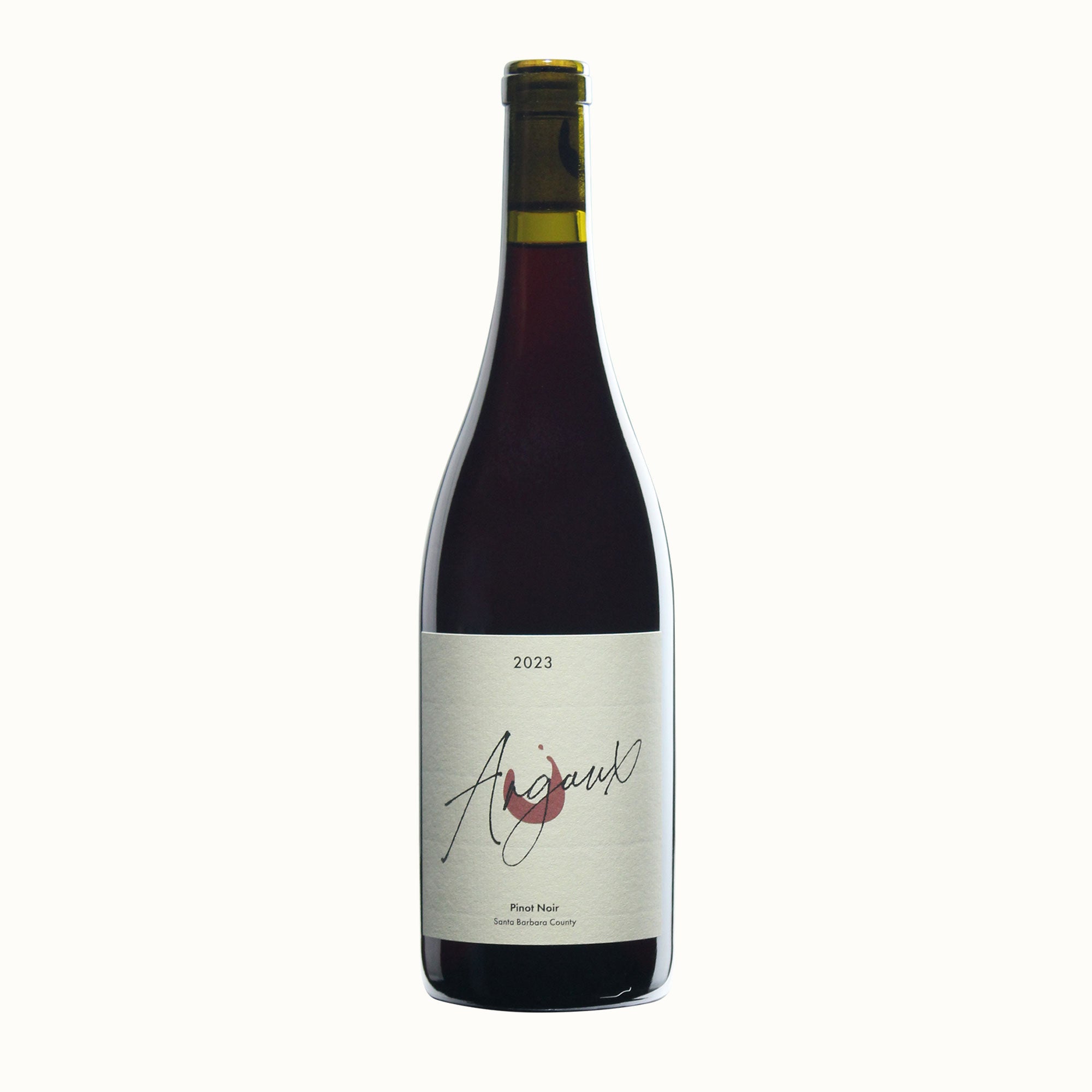
The exact definition of “organic” gets a little fuzzy because it is usually up to the country in which the wine is being made. There isn’t exactly a universal standard for what constitutes an “organic farming practice,” but there are guidelines in place which have similar results. First, the grapes used to make organic wine should be untreated with artificial fertilizers, pesticides, fungicides, and herbicides throughout the growing process. Second, no sulfites should be added to the wine during the fermentation process. This is the most important factor in determining what is organic wine and what isn’t, although the allowable level of sulfites varies across different governments. The USDA certifies organic wine which has been grown using organic principles, and contains less than 10 ppm of sulfites. Organic wines will often have a bolder, sweeter and more varied taste from bottle to bottle. You can also expect a little bit of funk as the lack of sulfites allows the wine to age more rapidly. Here are some of our favorite organic wines from the Argaux collection.
What is natural wine?
Natural wine may be thought of as organic wine without the certification. Also known as “low intervention” wine, natural wines contain no additives, and are farmed in accordance with principles that have been around since humans first began tilling the land and planting seeds. Many conventional labels contain things like lab-grown yeast, sugars, acids, and other supplemental ingredients which hasten or encourage the fermentation process. Natural wines, on the other hand, are made with grape juice, the naturally-occurring yeast on the surface of the fruit, time, and nothing else. By contrast, organic wines may contain additives such as added yeast or sugar but can maintain their certification as long as those ingredients come from an organic source. Natural wines have an undeniable funk to natural wines that comes from the wild yeasts being the main proponent of fermentation. They will also be slightly cloudy in appearance and might leave a bit of grit at the bottom of your glass — but this just means that every sip is going to be an adventure. Here are some of the best natural wines that Argaux has to offer.
What is sulfite-free wine?
To be frank, truly sulfite-free wine is a myth. Sulfites, as we mentioned earlier, are an inevitable by-product of fermentation and help to keep the wine fresh and unspoiled as it ages. It is however possible to find wine which is so low in sulfites that they are an insignificant aspect of its makeup, such as in many organic labels. Conventional wineries typically add sulfites to their wines as an artificial preservative, which gives them a much longer shelf-life and greater chemical stability. This means that most conventional wines have a relatively high concentration of sulfites, and this is typically when sensitive drinkers will experience the dreaded sulfite-headache. Of course you can avoid high sulfite levels by buying natural or certified-organic wines, instead. One of the reasons conventional winemakers use sulfites is to achieve a consistent flavor with each fermentation. But this can also dull the taste and dampen some of the nuances which make wine so delightful to imbibe. Like we said, you’ll be hard pressed to find a wine which is truly sulfite-free, but wines with no added sulfites will be more willing to show you their deep and subtle undertones. Here is a selection of excellent additive-free wines from Argaux.
What is biodynamic wine?
The concept of biodynamic farming takes natural agriculture one step further. Rather than planting a monocrop of grapes, which natural farming still does, it seeks to create an ecosystem for the crop that replicates as closely as possible how grapes might grow in the wild. In nature, there are built-in checks and balances which allow plants to grow and thrive without being completely overwhelmed by weeds, pests, or fungi. And this informs how biodynamic wine is made. Grapes are integrated with other crops and often small numbers of livestock and other wild animals who, through their daily acts of living, will help to fertilize the plants and keep them in check so that one crop doesn’t take over the other. The soil fertility is also a critical aspect of biodynamic farming. Chemical pesticides and others are avoided at all costs in order to support a rich and healthy microbiome which will help to feed the grapes. Biodynamic farming is not a new concept, although there are still relatively few winemakers on the planet who follow these principles. And we’re not kidding when we say you can taste the soil in which the grape was grown. The plant’s proximity to wildness lends biodynamic wines an utterly unique and otherworldly depth of flavor. Here are some of the exquisite biodynamic wines we carry at Argaux.
What's the difference between organic, biodynamic, and natural wine?
Organic wine refers to farming practices. Biodynamic wine follows a holistic agricultural philosophy that treats the vineyard as a living ecosystem. Natural wine generally involves minimal intervention in both the vineyard and winery, though there is no universal legal definition.
Do organic wines taste different?
Organic wines can taste just as diverse as conventionally farmed wines. Farming practices themselves don't dictate flavor, though many wine lovers appreciate the vibrancy and sense of place often found in organically farmed wines.
Are organic wines more sustainable?
Organic farming often promotes soil health, biodiversity, and reduced chemical use, making it an important component of many sustainable farming practices.
Are all organic wines certified?
No. Some small producers follow organic practices but choose not to pursue certification due to cost, administrative requirements, or local regulations.
How does Argaux select its organic wines?
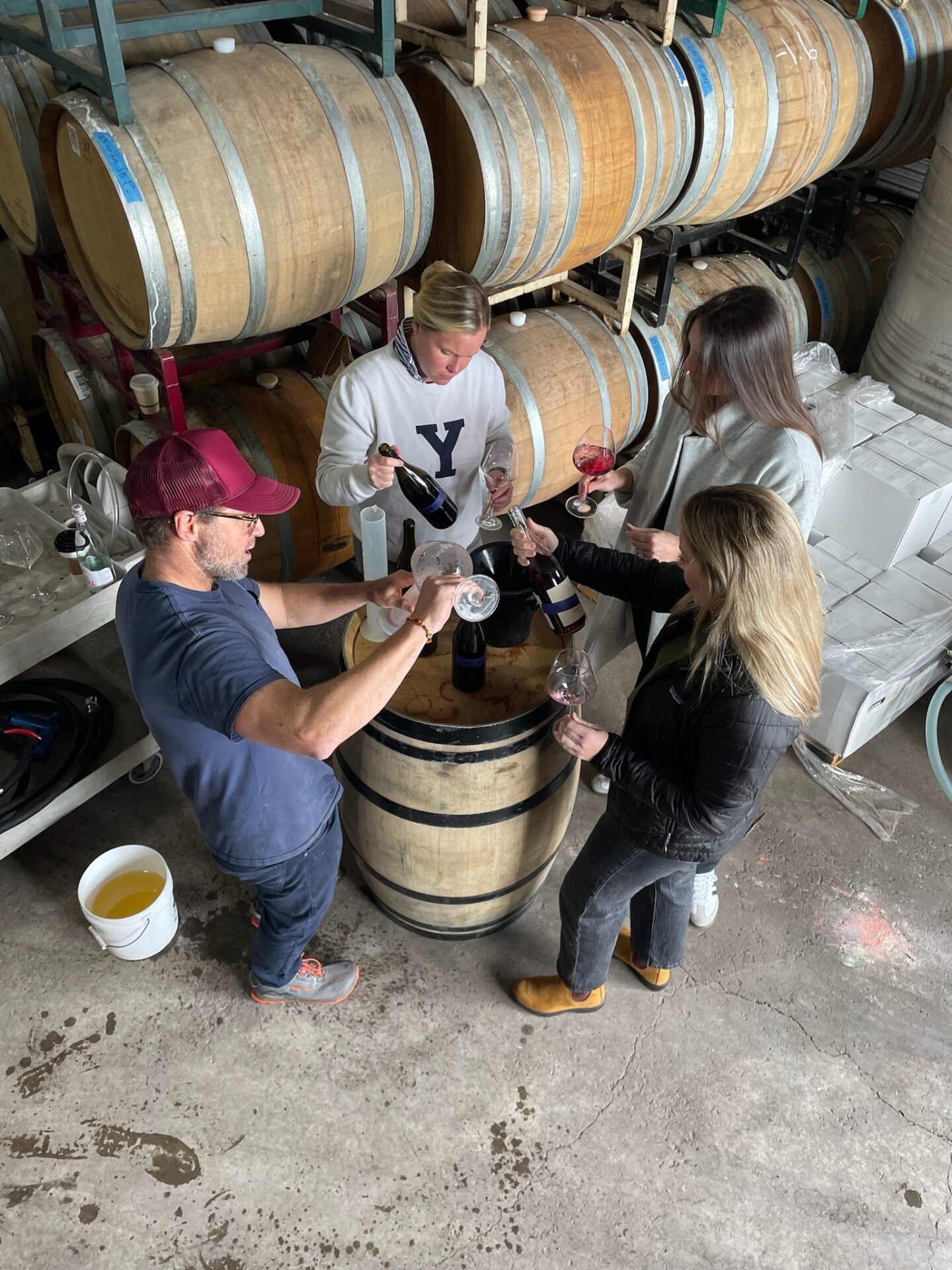
At Argaux, our organic wines are hand-selected by our team of sommeliers and sourced from small producers who prioritize thoughtful farming, craftsmanship, and authenticity. We seek out wines that express their place of origin and create meaningful moments around the table.