



Rosé Wines
Discover sommelier-selected rosé wines that are crisp, refreshing, and endlessly versatile. From Provence-inspired styles to unique small-production bottles, explore rosés curated for entertaining, gifting, and meaningful moments around the table.


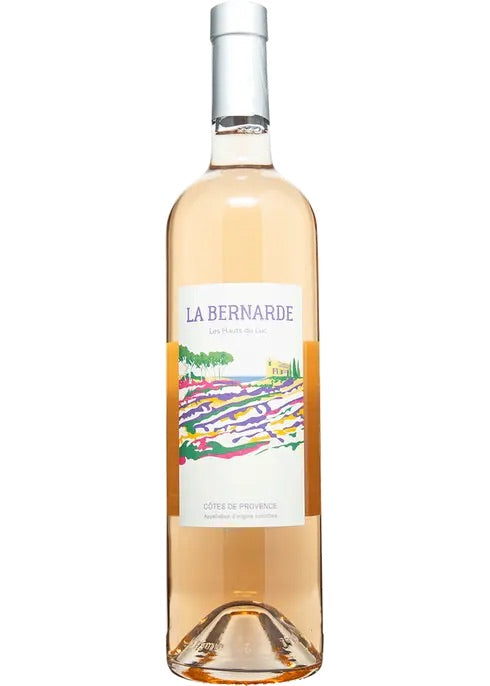
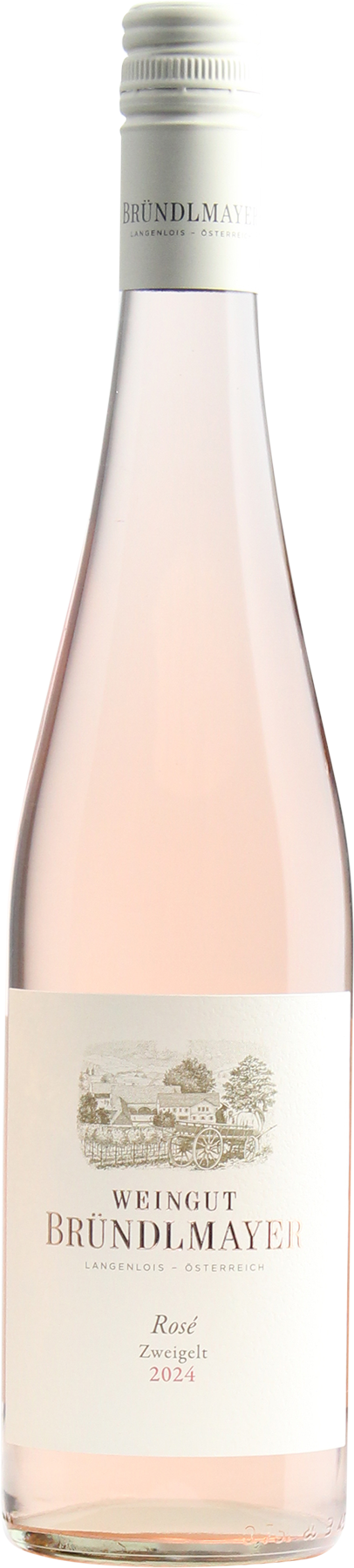
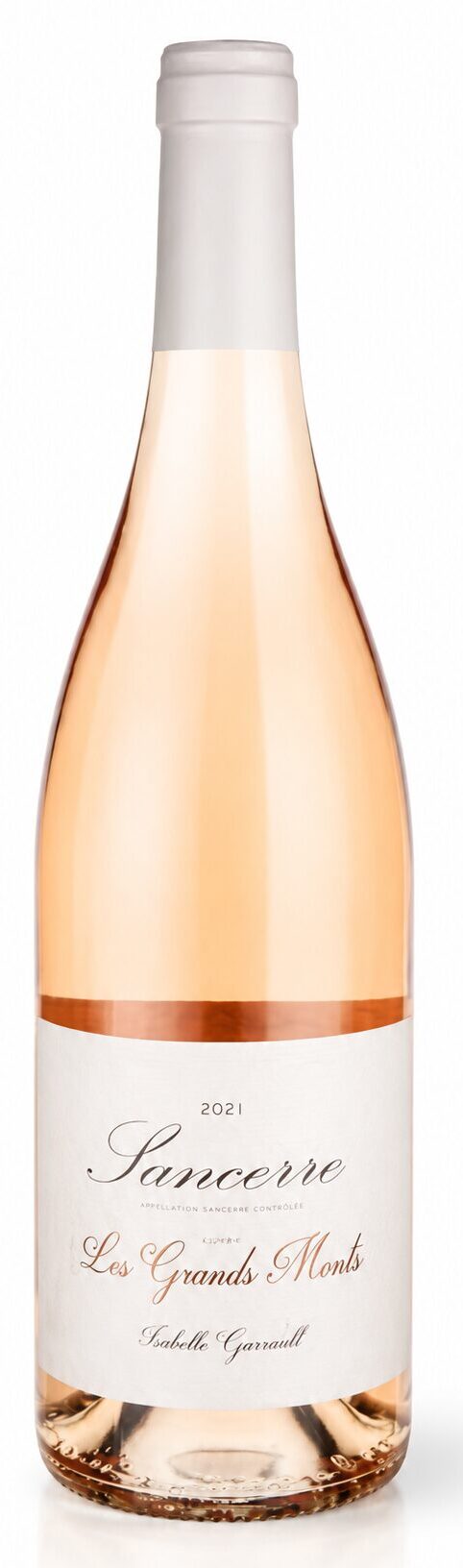
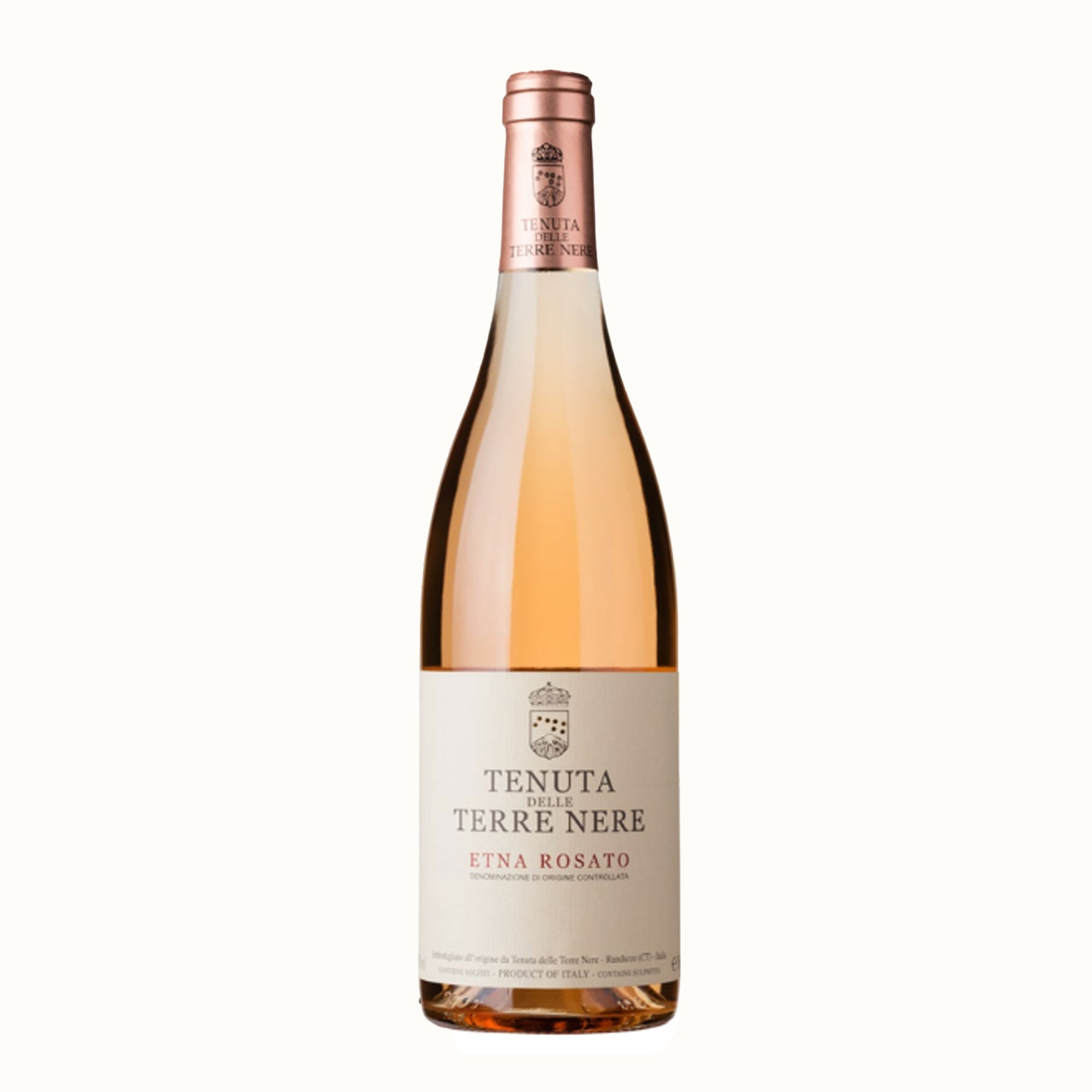
Why We Love Rosé Wines
Frequently asked questions
What is rosé wine?
Rosé wine is made from red grapes that spend only a short amount of time in contact with their skins. This limited skin contact gives rosé its beautiful pink color and creates wines that are typically fresh, bright, and refreshing.
Is rosé wine sweet or dry?
Most rosé wines are dry, especially those from regions like Provence, Southern France, Spain, and Italy. However, rosé can range from bone dry to slightly fruity depending on the grape variety and winemaking style.
What grapes are used to make rosé wine?
Rosé can be made from almost any red grape variety. Some of the most common grapes used include Grenache, Pinot Noir, Sangiovese, Syrah, Tempranillo, Mourvèdre, Cinsault, and Carignan.
Why are rosé wines different shades of pink?
The color of rosé depends on the grape variety and how long the juice remains in contact with the grape skins. Pale salmon-colored rosés are often delicate and crisp, while deeper pink rosés may have more fruit character and texture.
What foods pair well with rosé wine?
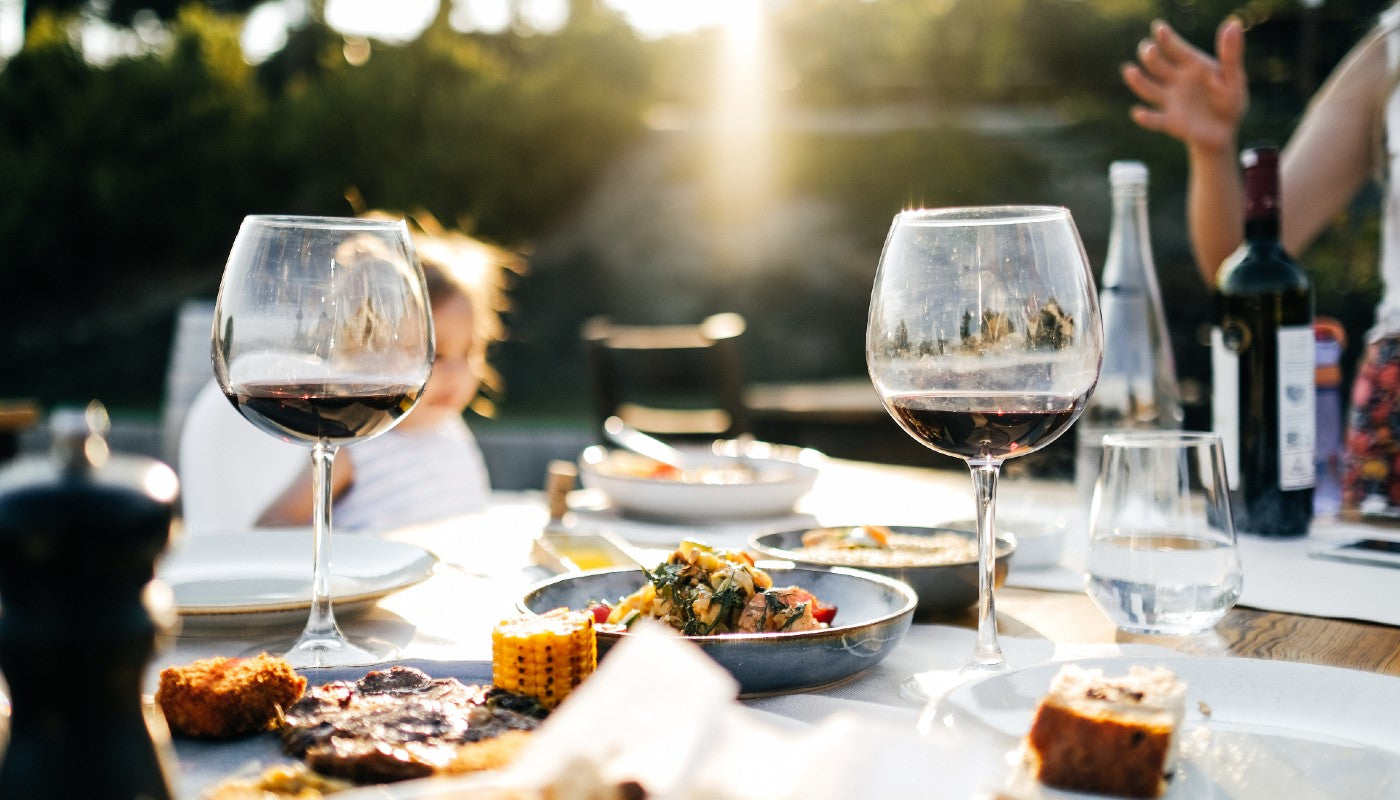
Rosé is one of the most food-friendly wine styles. It pairs beautifully with seafood, grilled vegetables, salads, charcuterie, Mediterranean dishes, sushi, spicy foods, and light pasta dishes.
Should rosé wine be served chilled?
Yes. Most rosé wines are best enjoyed chilled, typically between 45-55°F. Chilling rosé helps highlight its freshness, bright acidity, and vibrant fruit flavors.
Can rosé wine be enjoyed year-round?
Absolutely. While rosé is often associated with summer, its versatility makes it an excellent choice throughout the year. Rosé pairs effortlessly with a wide range of foods and occasions, from brunch and picnics to holiday gatherings and dinner parties.
How does Argaux select its rosé wines?
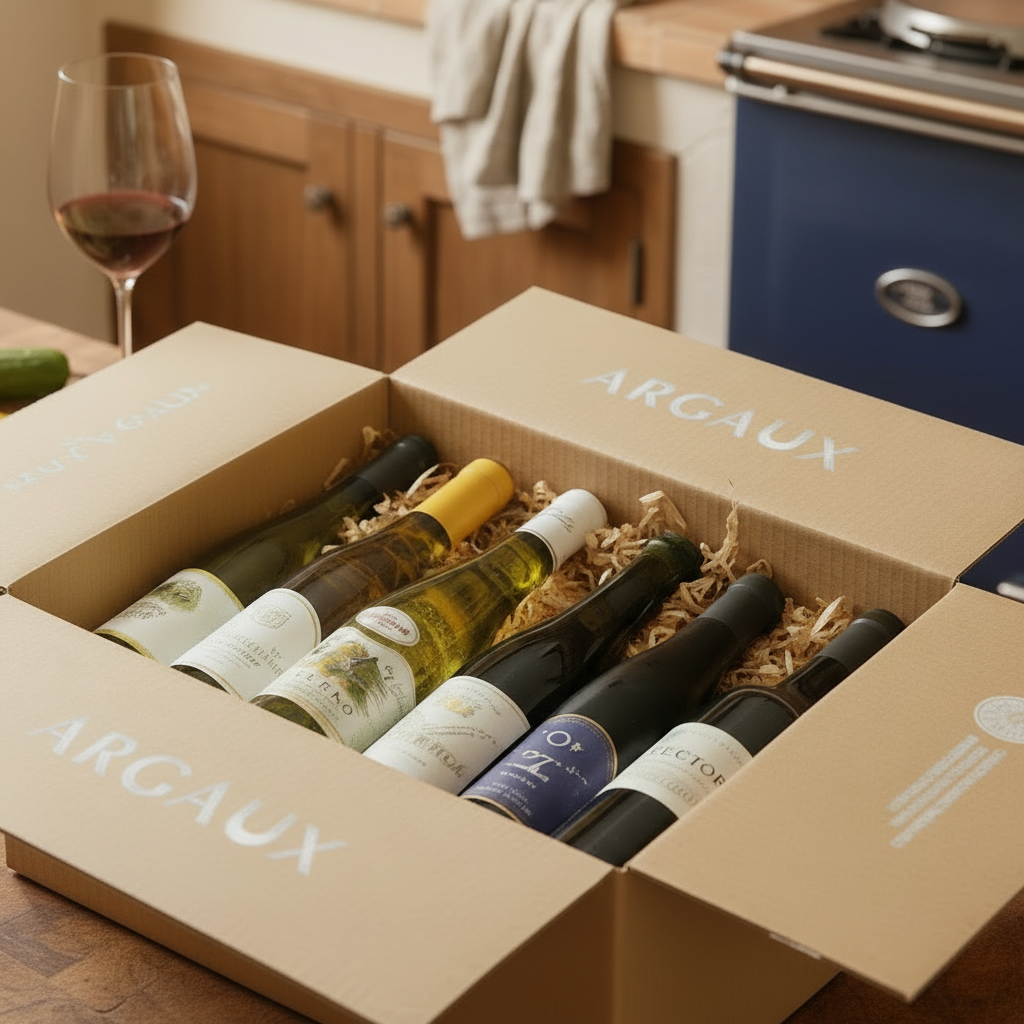
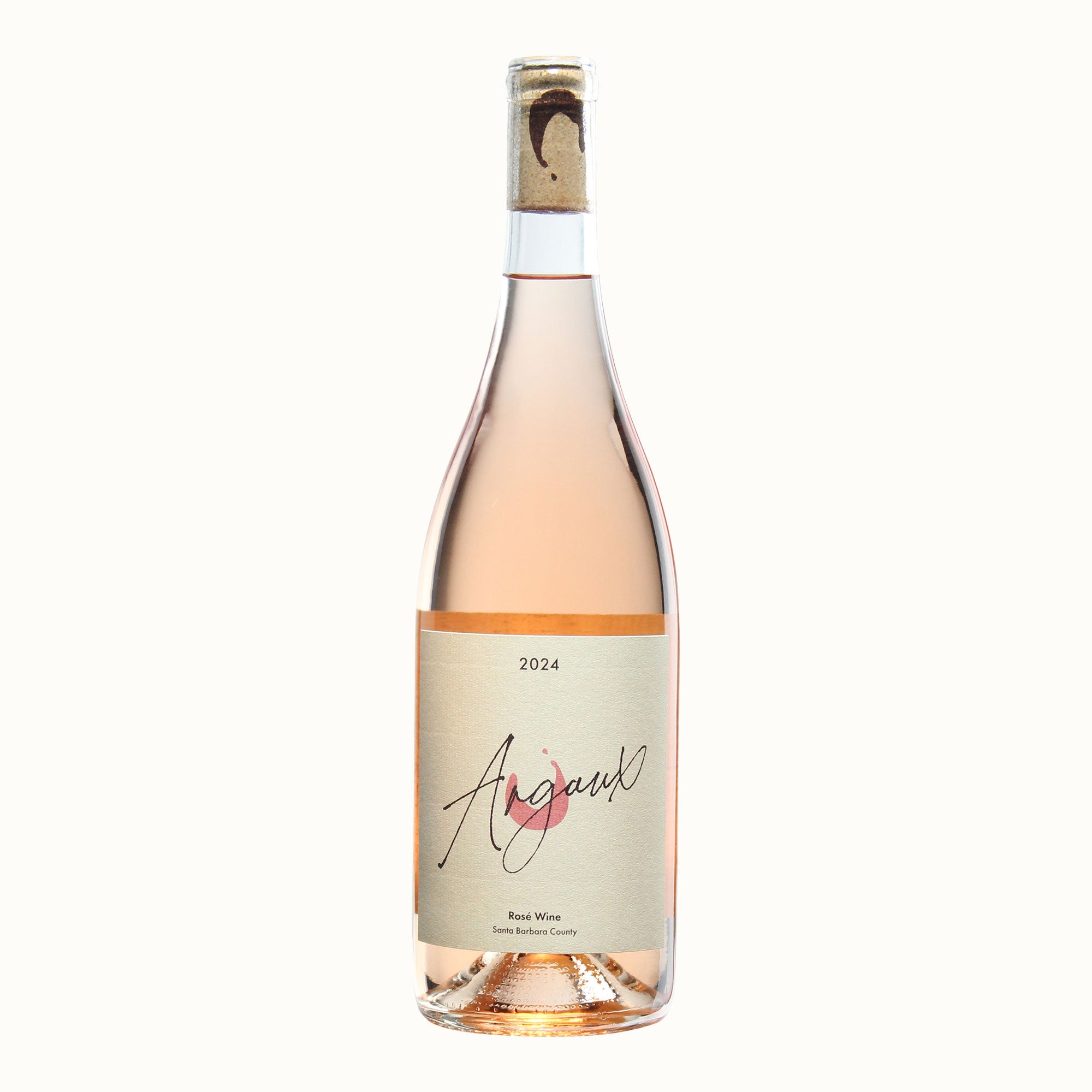
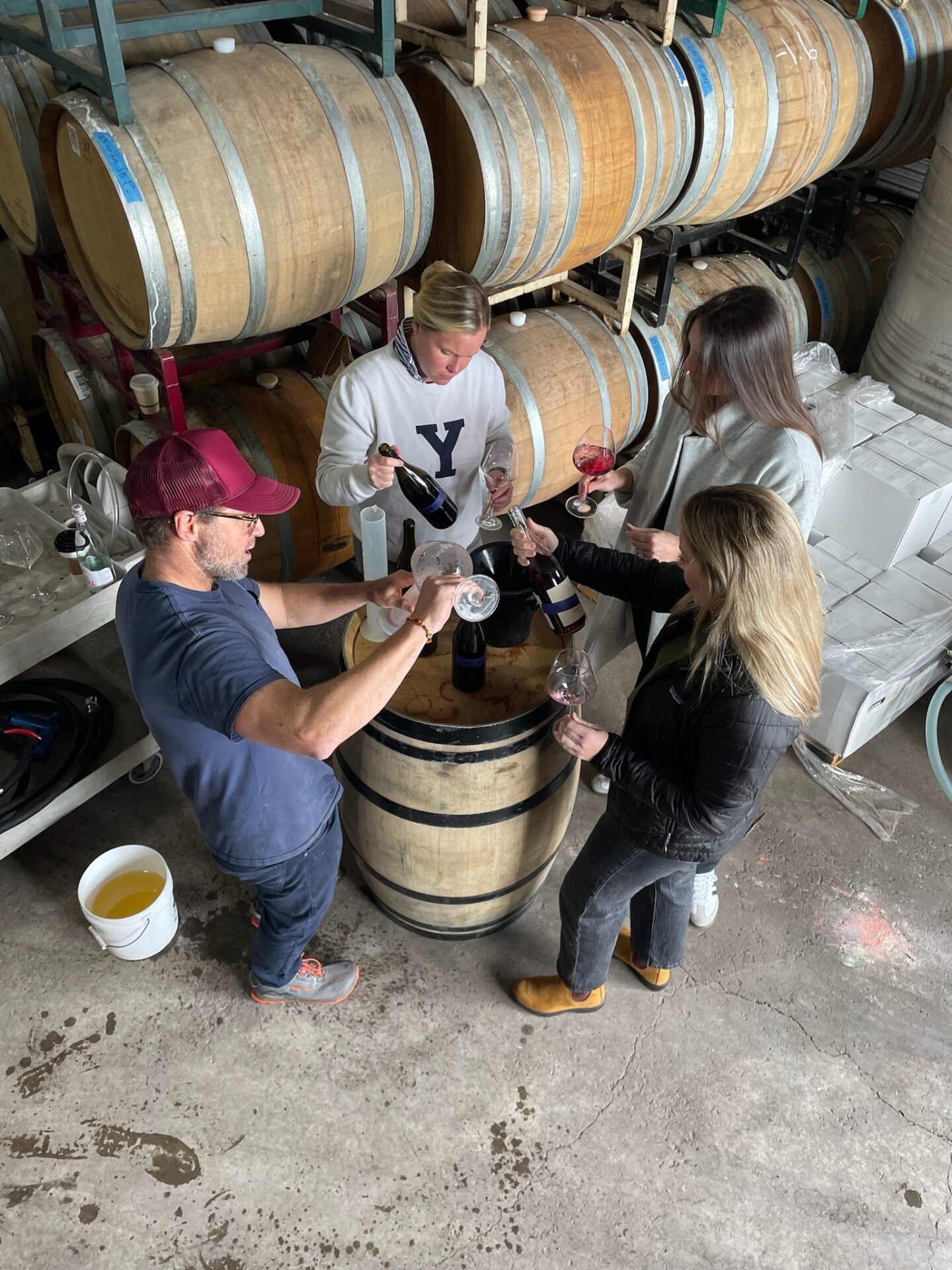
At Argaux, our rosé wines are hand-selected by our team of sommeliers and sourced from small, responsibly farmed producers around the world. We seek out wines that are balanced, food-friendly, and expressive of their place and story.
What is the difference between Provence rosé and other rosé wines?
Provence rosés are typically pale in color, dry, crisp, and mineral-driven. Rosés from other regions may be fruitier, richer, or more textured depending on the grapes used and the winemaking approach.