Skip to content

Cart

Your cart is empty

Article: The Champagne Guide

‘Gaux-To Champagne
JAS

The Champagne Guide

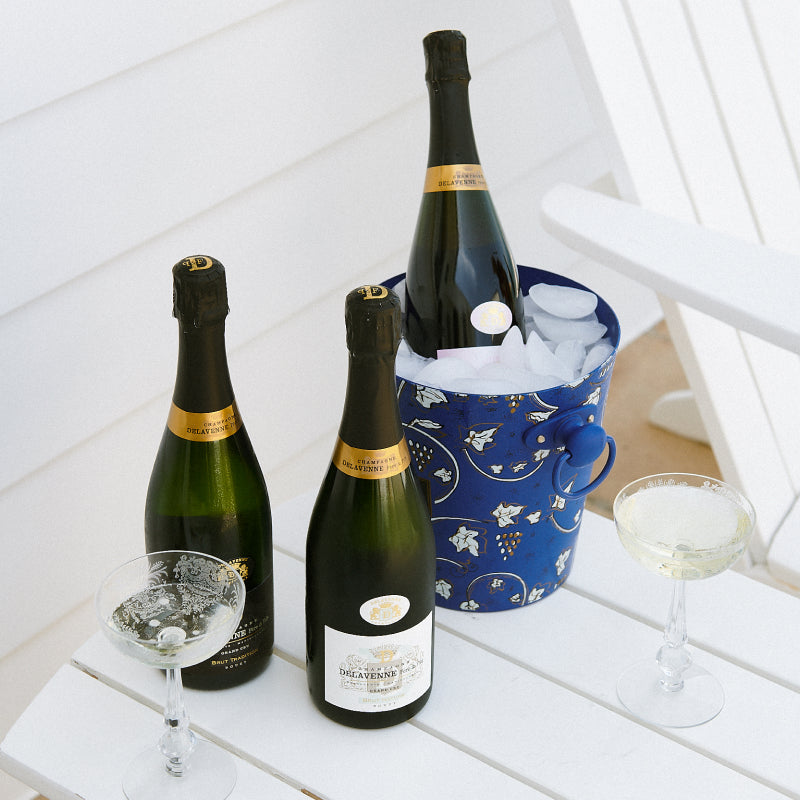
Wine and the holidays are one in the same, though no style of wine sceams holiday celebrations like Champagne. Festive, fizzy, and extremely easy to drink, these luxurious French sparklers are the quintessential pick for end-of-year celebrations everywhere. Whether gifting, receiving, or simply popping a few bottles on New Year’s Eve, we’ve got everything you need to know about the world’s most beloved bubbly here.  Champagne Overview In the world of sparkling wine, Champagne is as good as it gets. Produced in the wines’ eponymous region of France, these world-class bubbles sit a step above the rest. Champagne is produced using the traditional method (méthode traditionelle), meaning that the base wine undergoes a secondary fermentation in bottle prior to release.  Once the juice has finished its secondary fermentation, the wine undergoes a process called riddling, which incorporates storing the bottles on an angle neck down, so as to collect all of the leftover sediment from fermentation. Once all of the sediment has reached the top of the neck, the wine is disgorged, which releases the sediment from the bottle. From there, the wines are topped up with a dash of sugar and wine mixture called dosage, save for wines designated Brut Nature or Zero Dosage. Labor intensive? Yes. Worth it? Absolutely! How to Saber Champagne For the party trick of all party tricks, look no further than sabering a bottle of Champagne. Believe it or not, this baller move is actually much easier to execute successfully than you may think. Simply follow the steps below for a foolproof way to slash open your bottle of bubbles.
  1. Remove foil and cage from Champagne bottle. Be sure to hold your thumb over the cork at all times until just before sabering (safety first!)
  2. Find the seam of the bottle. Hold the bottle at a 45-degree angle, with the neck facing away from you and seam facing upwards. (Note: Be sure that no person or thing is in the near vicinity, as the Champagne cork could go flying!)
  3. With your saber blade against the bottle, run the saber along the seam away from you, finishing beyond the cork. Do not stop short at the cork, simply allow the blade to follow through into the air.
  4. If done successfully, the Champagne cork should go flying out, allowing the bubbles to flow freely from the top of the bottle. Hold the bottle up vertically as soon as the saber is complete to allow for as little Champagne to be lost as possible.
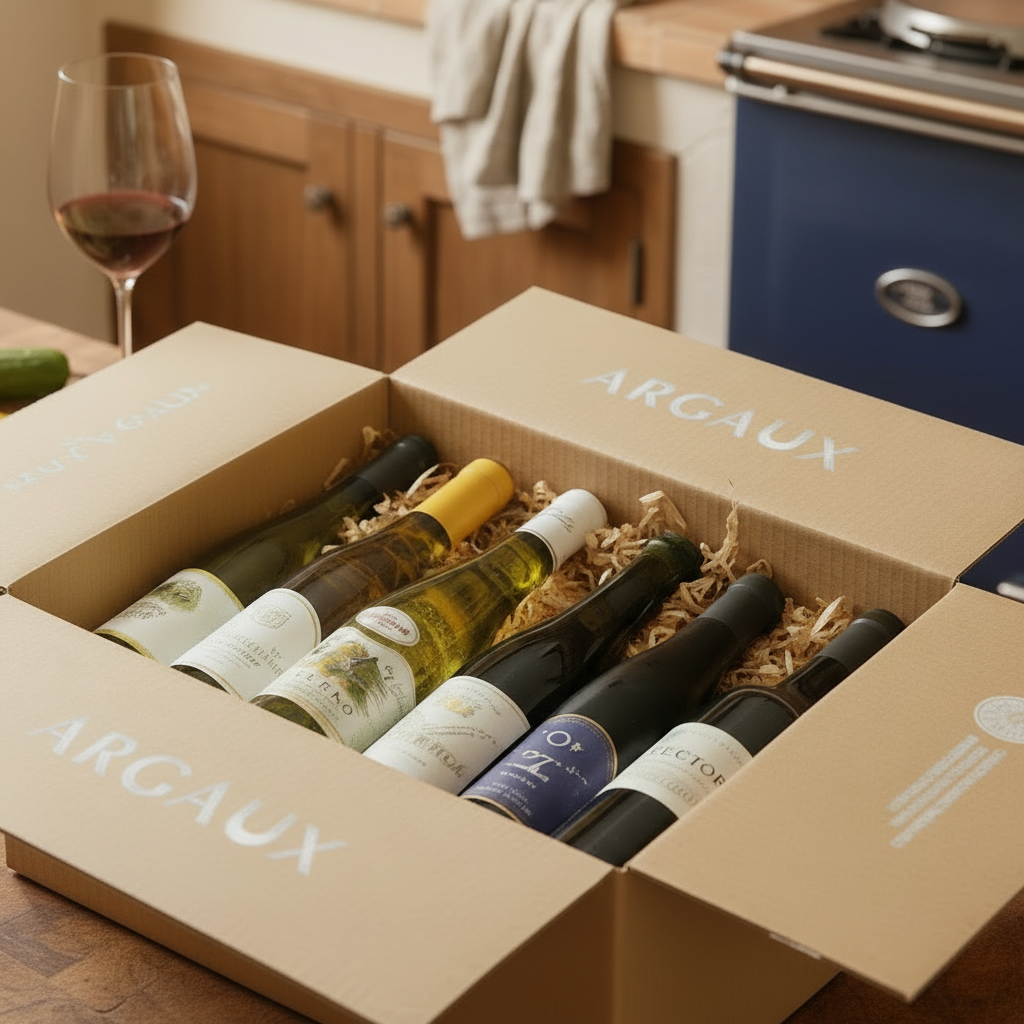
Champagne & Food Pairings When it comes to food and wine pairings, Champagne is one of the most versatile wine picks out there. Known for its toasty, fruit-driven flavors and ample natural acidity, it’s no surprise that Champagne has long been one of the industry’s go-to picks for a variety of dishes. However, despite its insane versatility, there are a few dishes that simply shine a bit brighter when served with a bottle of Champagne. Here are a few of our favorites: Champagne Cocktails While we believe that Champagne is generally best enjoyed on its own, pouring a splash or two into a cocktail is another great way to make the most out of your bottle. Check out our go-to Kir Royale recipe below. Kir Royale  Ingredients: ½ oz. Crème de cassis Champagne Method: Add the crème de cassis to the bottom of a Champagne flute. Top up with Champagne and voilà! Argaux Champagne Recommendations We hold Champagne to the same standard as we do any other style of wine. At Argaux, we prefer to seek out smaller prdoducers who farm responsibly and use a minimalist mentality in the cellar. Currently, our go-to pick of the season is the NV Delavenne Père & Fils Brut Tradition Grand Cru Champagne: This Brut Tradition Grand Cru is the heart and soul of what the Delavenne’s do. Jean-Christophe describes this wine as the “embodiment of the Delavenne house tradition,” and we couldn’t think of a better bottle to elevate any dinner party, weeknight happy hour, or gathering amongst close friends. Browse Our Favorite Champagne Champagne Alternatives While Champange is undeniably the king of sparkling wine, finding more budget-friendly bubbles also a solid alternative. For fruit-driven sparklers perfect for mixing into brunch cocktails, look no further than Italian Prosecco. For Spanish bubbles crafted in the same style as Champagne (though with the local varieties of Xarel-lo, Macabeo, and Parellada), dive into a bottle (or few) of Cava.  For French sparkling wines made from a variety grapes using the Champagne method, crémants from the Loire, Burgundy, or Jura are your answer – and for easy-drinking, low-ABV sparklers that can go the limits, reach for a bottle of pétillant naturel (that’s pét-nat, for short!) Browse All Sparkling Wine From our Team Argaux family to yours, we wish you a happy, healthy, and wine-filled holiday season!  P.s. If you are looking to send someone a HNY gift, consider our Champagne Gift Box. 

Read more

Shades of Rosé - Banner 1
Food Pairings

7 Sommelier-Approved Rosé Wine Pairings

When pairing food with rosé wine, there are a few things to keep in mind. Most importantly, Acidity: Rosé wines often have a refreshing acidity that can complement a wide range of foods. Consider d...

Read more
depositphotos_172614074-stock-photo-waiter-pouring-red-wine
Just a Splash

How-To Tip on Wine at a Restaurant

Q: How-To Tip On a Bottle of Wine At a Restaurant A: Let me start by saying that everyone has their own opinion on this. I’ve never personally ordered a $2,000 bottle of wine, or for that matter...

Read more