

 (949) 438-7228


 Call Us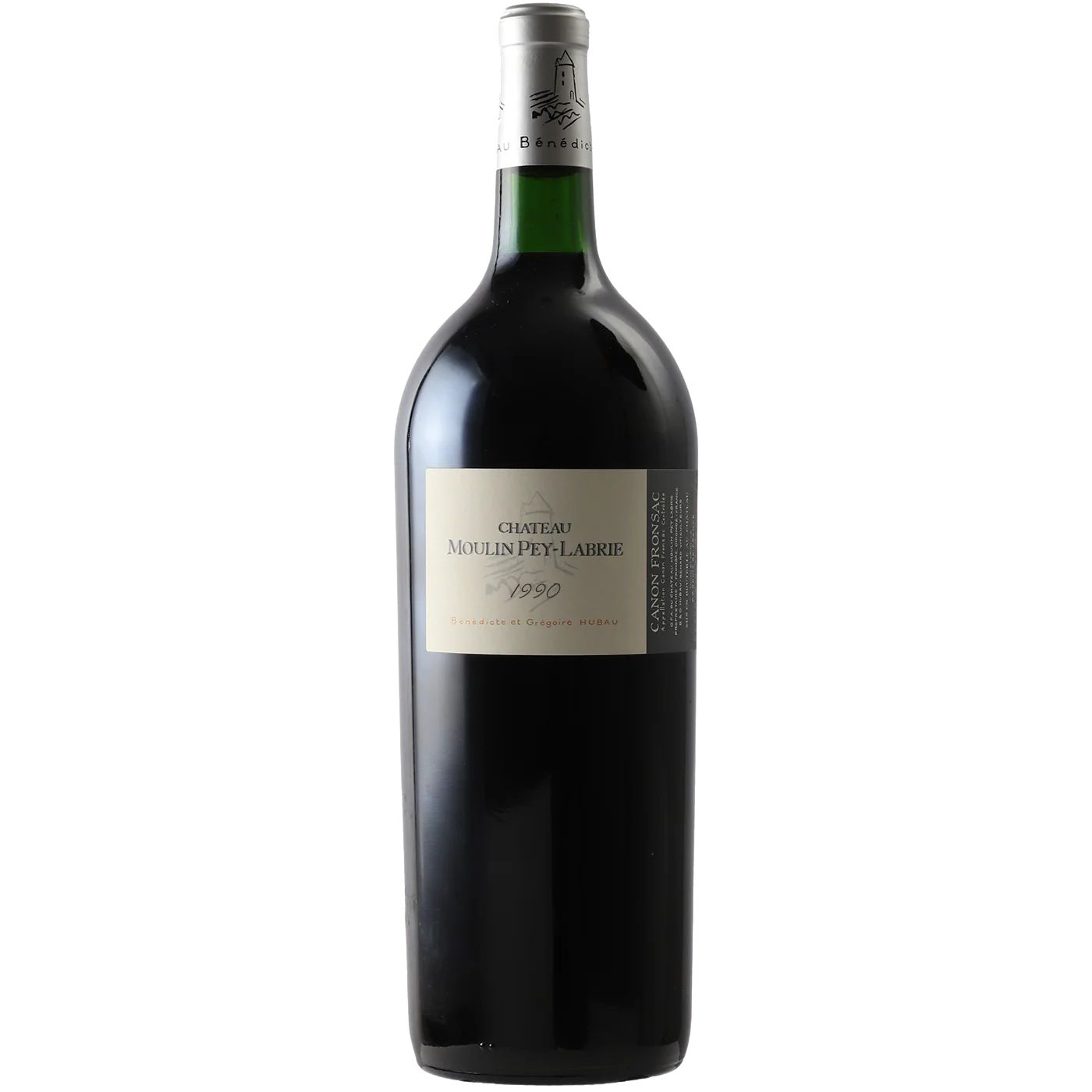
1990 Hubau Château Moulin Pey-Labrie Canon Fronsac 1.5L
This is an exceptionally special bottle for a celebratory dinner, collector’s table, or an incredibly impressive gift. Château Moulin Pey-Labrie is known for its old-vine wines just northwest of Saint-Émilion, and the 1990 vintage remains one of the greatest Bordeaux vintages of the 20th century.
Open gently, stand upright beforehand, and decant only to remove sediment. Pair with roast lamb, duck confit, mushroom risotto, beef tenderloin, aged cheeses, or a classic steak dinner.
Organic farming practices, hand-harvested, native yeast fermentation in stainless steel tanks, aged for 18 months in French oak barrels, and only 2,500 cases produced annually.
- Tasting Notes dried plum, tobacco, leather, forest floor, bitter chocolate, coffee, mint, and that unmistakable Right Bank elegance.
- Variety 95% Merlot, 5% Malbec
- Region France, Bordeaux
- Volume 1.5L
- Alcohol Volume 13.5%
- Table Talk The 1990 Bordeaux vintage remains one of the greatest vintages of the 20th century.
$165.00
Only 2 left in stock


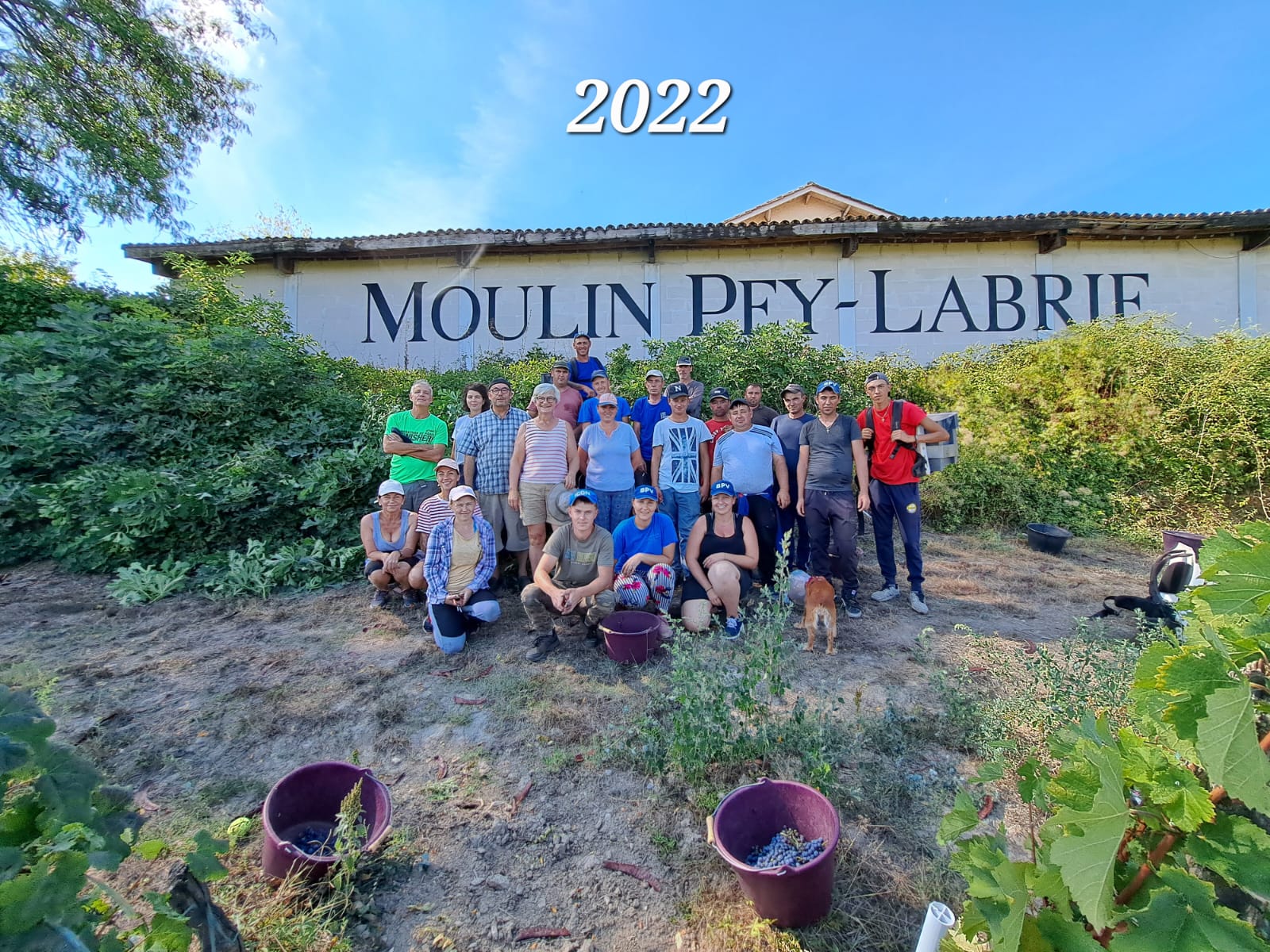
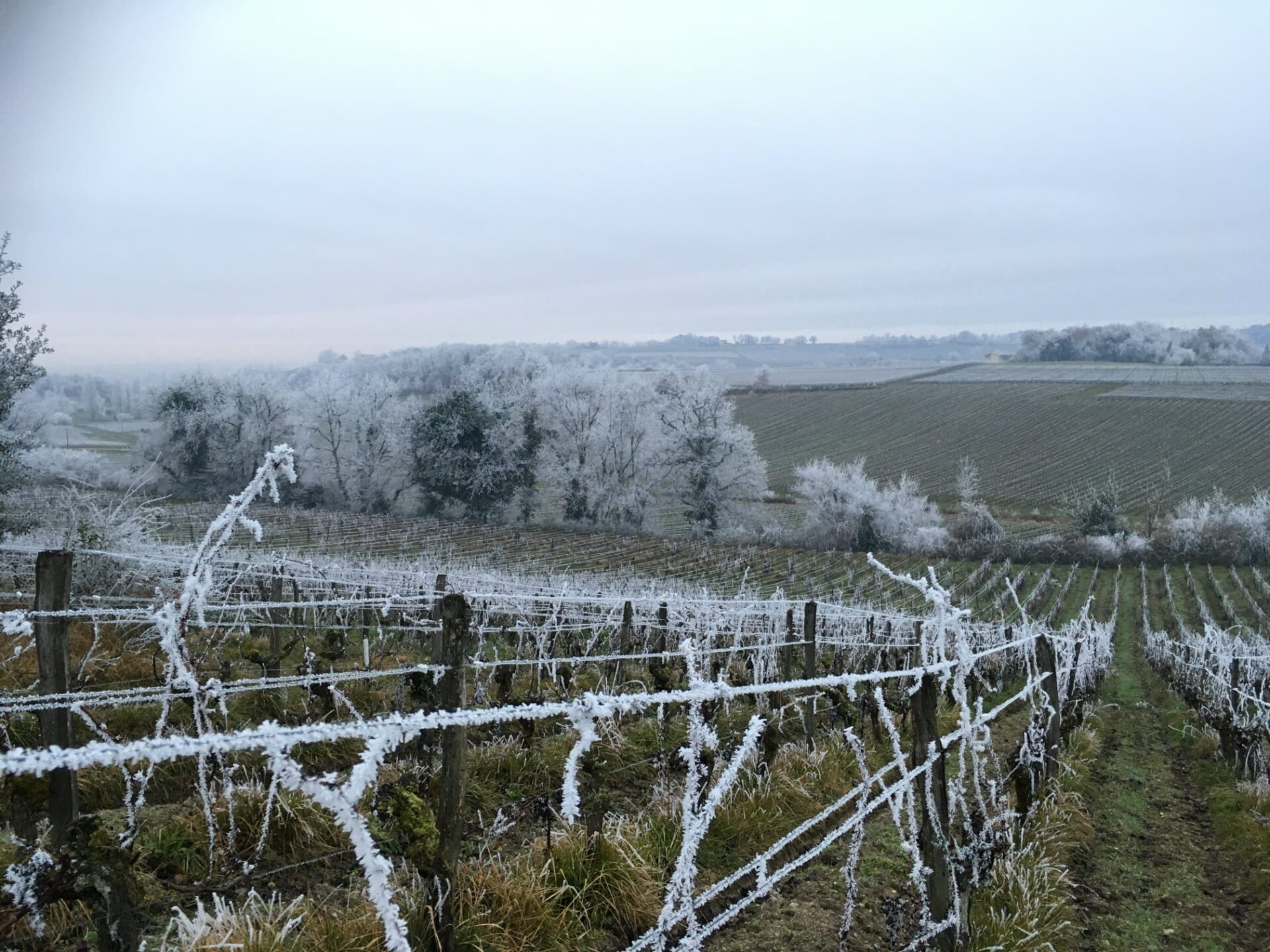
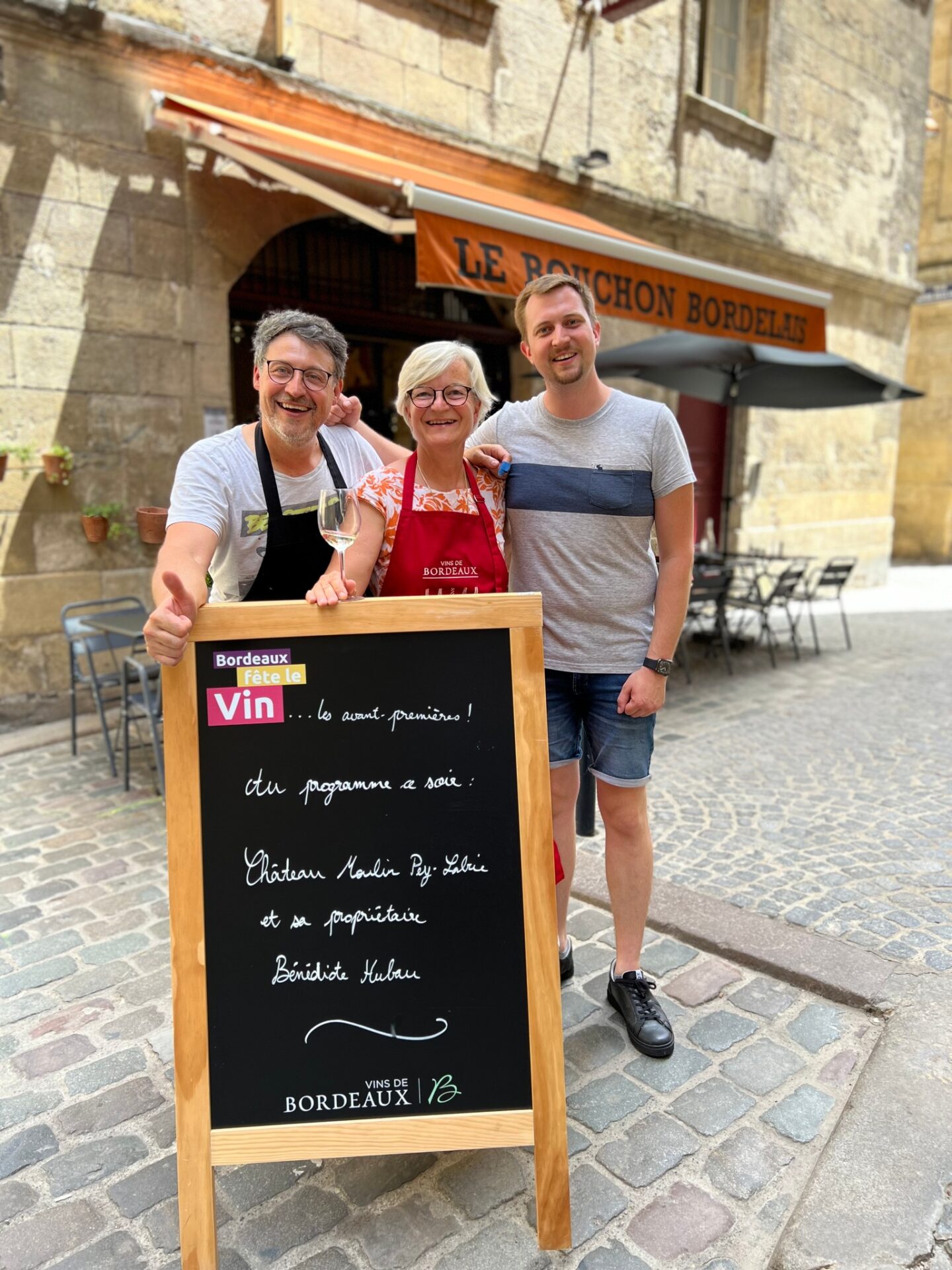

Bénédicte and Grégoire Hubau came to winemaking unconventionally. Originally from northern France, Bénédicte worked in computers and Grégoire was a chemist before the couple decided to leave their careers behind and pursue a new life in wine. After searching across France for a property with true terroir-driven potential, they purchased Château Moulin Pey-Labrie in Fronsac despite having no formal training in viticulture or enology. Guided by curiosity, instinct, and the support of neighboring growers, they immersed themselves in every aspect of vineyard and cellar work, quickly developing a philosophy centered on working naturally and listening to the needs of each individual vine rather than forcing uniformity.
Over the years, the Hubaus refined their approach while remaining deeply committed to quality and terroir expression. In 1990, after gaining confidence in their craft, they expanded with the purchase of Château Haut-Lariveau. Known for their hands-on mentality, they even design custom vineyard equipment to better care for their soils and vines. In the cellar, they view themselves less as interventionists and more as observers, allowing the character of the land to speak freely while focusing on elegance, finesse, and purity in every wine they produce.
Related Items
-
 $40.00
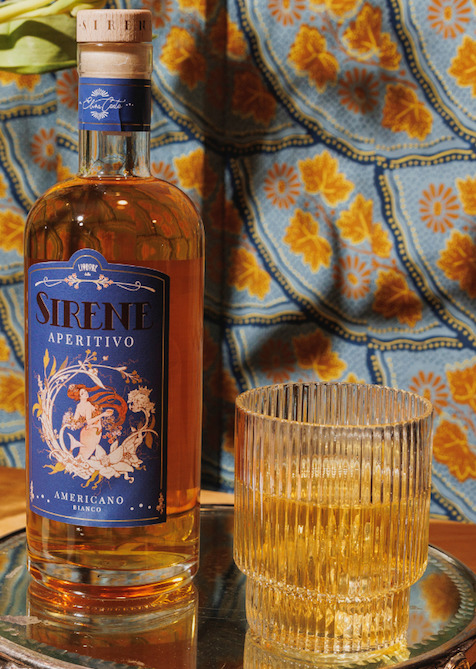
Italian natural aperitif. Handcrafted in small batches, from organic grapes infused with local botanicals from Lake Garda. No chemicals or artificial coloring are used.
HOW TO DRINK IT
This makes an incredible spritz with Prosecco, soda and lemon. It is also great with gin in a cocktail like a white Negroni! -

 $32.00
Showing the influence of the breezy and fog-laced Oak Knoll District, this wine offers plush fruit with delicate acidity, and a structure defined by well-ripened, fine-grained tannins. Layered notes of blackberry preserves, stewed cherries, ripe plums, raspberries, violet, cocoa, and spiced wood. Persistent and full on the palate, this is an expressive Zinfandel that is drinking beautifully now, but will continue to improve for the next 5-7 years.
Certified sustainable farming practices. Family-owned winery. Dry-farmed vines and hand-harvested.
-
 $65.00
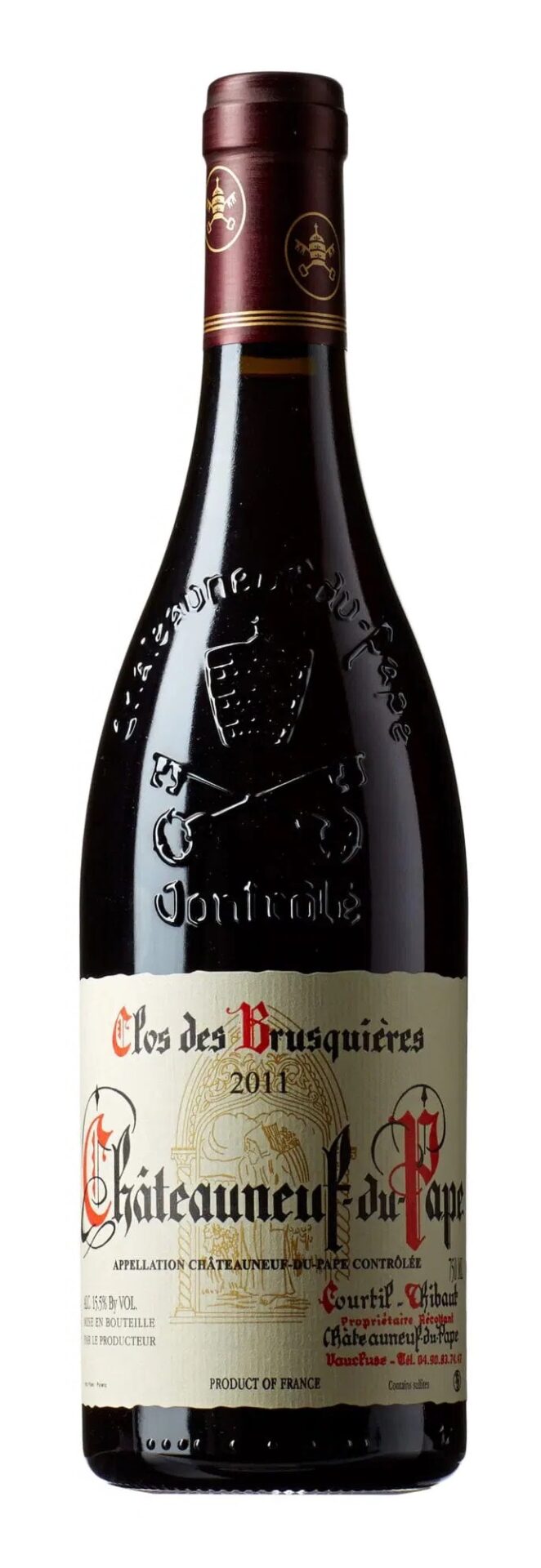
Clos des Brusquières is a 5th-generation estate with a singular mission: one wine, nothing more. No special cuvées. No white wine. Just a single Châteauneuf-du-Pape, produced in tiny quantities each year. This uncompromising focus defines the estate – an ultra-traditional, no-frills expression of the appellation, producing the single best wine they can.
Sustainable farming practices, hand-harvested, native yeast fermentation and only 1,000 cases imported to the US.
-
 $475.00
If you know, you know. ‘Clos de Bèze’ is the most prestigious and sought-after Grand Crus in Gevrey-Chambertin. For collectors, this wine is a great investment. It will only continue to appreciate in value as it ages over the next 10-20 years.
Practicing organic viticulture, hand-harvested, native yeast fermentation, unfined/unfiltered and only 100 cases produced.