

 (949) 438-7228


 Call Us
‘Gaux-To: Patagonia Wine Region
Patagonia’s wine region, stretching across Argentina’s Neuquén and Río Negro provinces, is a hidden gem that combines breathtaking natural beauty with exceptional winemaking. The region’s cool climate, high altitude, and pristine glacial waters produce outstanding wines, including Malbec, Pinot Noir, and Chardonnay. With its stunning landscapes, dramatic Andean backdrops, and a burgeoning wine culture, Patagonia offers a unique and refreshing take on Argentine viticulture.
General Travel Tips For Patagonia
Best Time to Visit:
-
- Spring (September to November) and autumn (March to May) offer pleasant weather and fewer crowds. Harvest season in March brings special events and activities at many wineries.
Packing Essentials:
-
- Layered clothing is crucial to adapt to Patagonia’s varied climate. Comfortable shoes are recommended for vineyard tours.
Language:
-
- While many in the wine industry speak English, knowing basic Spanish phrases can enhance your experience.
Booking Ahead:
-
- Reserve tours and tastings in advance, especially during peak seasons. Many wineries require reservations.
Local Cuisine:
- Enjoy Patagonian specialties like lamb, trout, and smoked meats at winery restaurants and local eateries.
City Focus: Puerto Natales
Co-founder, Margaux, used Santiago, Chile as her initial destination and hub before flying into the Patagonia wine region and specifically, Puerto Natales. We have recs for Santiago as well, if you decide to do the same!
Getting To Puerto Natales: For frequent flights into Patagonia from Santiago, Puerto Natales in the south and Puerto Montt in the north are key gateways. Puerto Natales, a charming town, serves as a hub for exploring southern Patagonia’s stunning landscapes and adventures.
Getting Around
By Car:
-
- Renting a car is ideal for exploring the Patagonian wine region, providing flexibility to visit vineyards and enjoy scenic routes. Roads are generally well-maintained, but distances can be long, so plan fuel stops and routes in advance.
By Tour:
-
- Opt for guided wine tours, which include transportation, vineyard visits, and tastings. This is a hassle-free way to dive into the region’s wine culture.
By Bike:
- For the adventurous, cycling through vineyards offers a unique perspective. Some wineries offer bike rentals and trails for visitors.
Where to Stay: The Singular Patagonia
The Singular Patagonia is not just a hotel but a historic monument and museum set against the stunning backdrop of the fjords. With every room offering breathtaking water views, it provides an exceptional blend of luxury and history. The hotel boasts incredible service, a fantastic restaurant, and a luxurious spa with $60 massages, a sauna, steam room, and indoor/outdoor pool.
Activities
(1) Laguna Sofia Estancia:
-
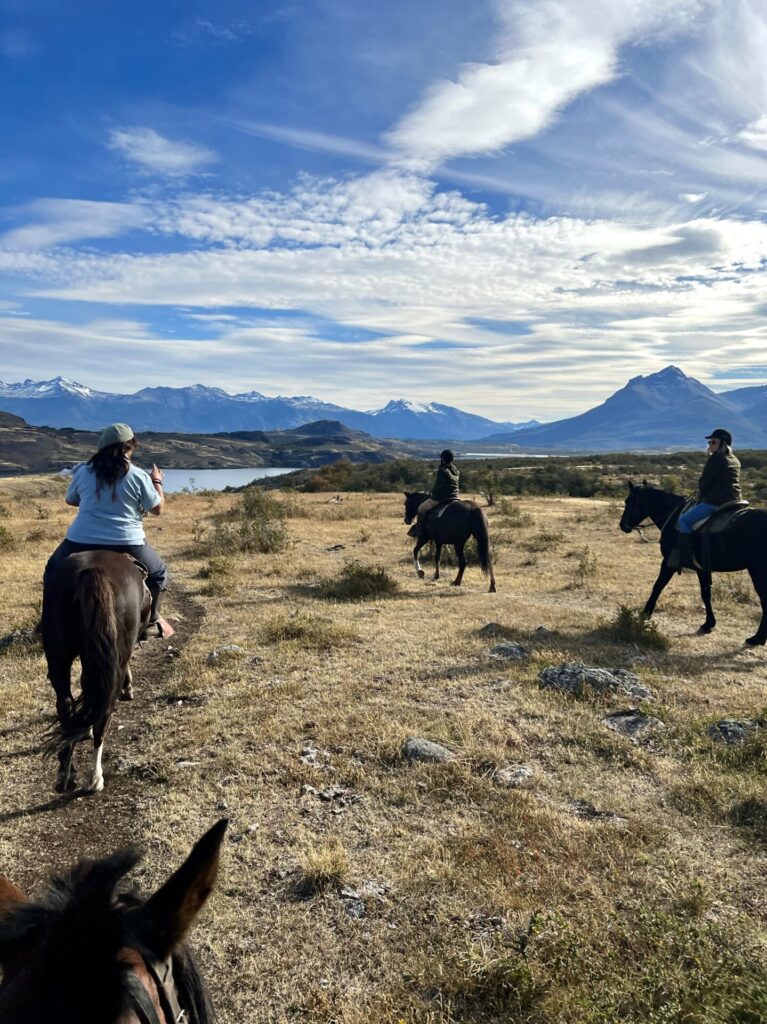
- Experience Patagonia like a local with a private half-day horseback ride for two with a gaucho at $200. This unique adventure offers an intimate glimpse into Patagonian life and stunning views of the countryside.
(2) Torres del Paine National Park:
-
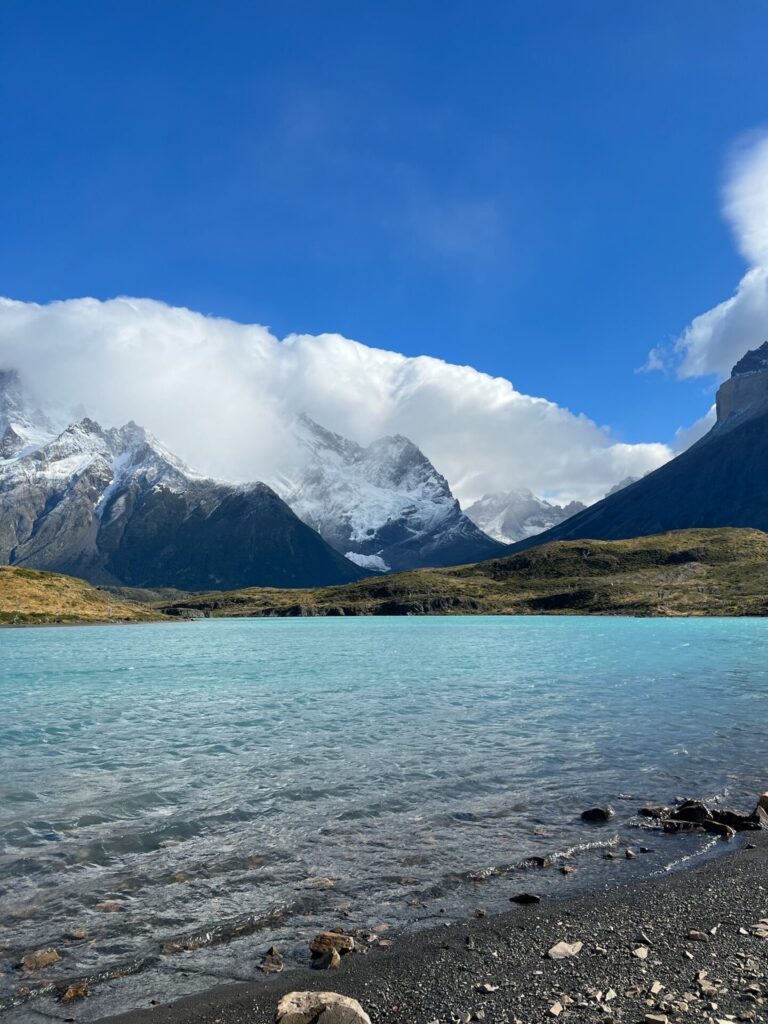
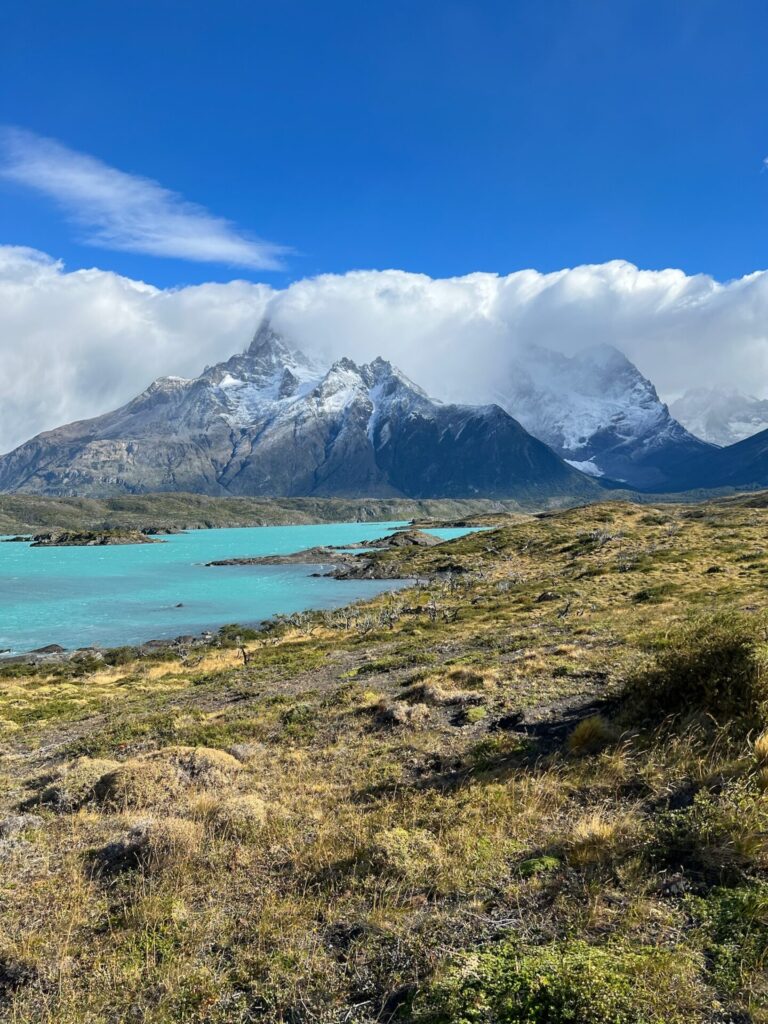
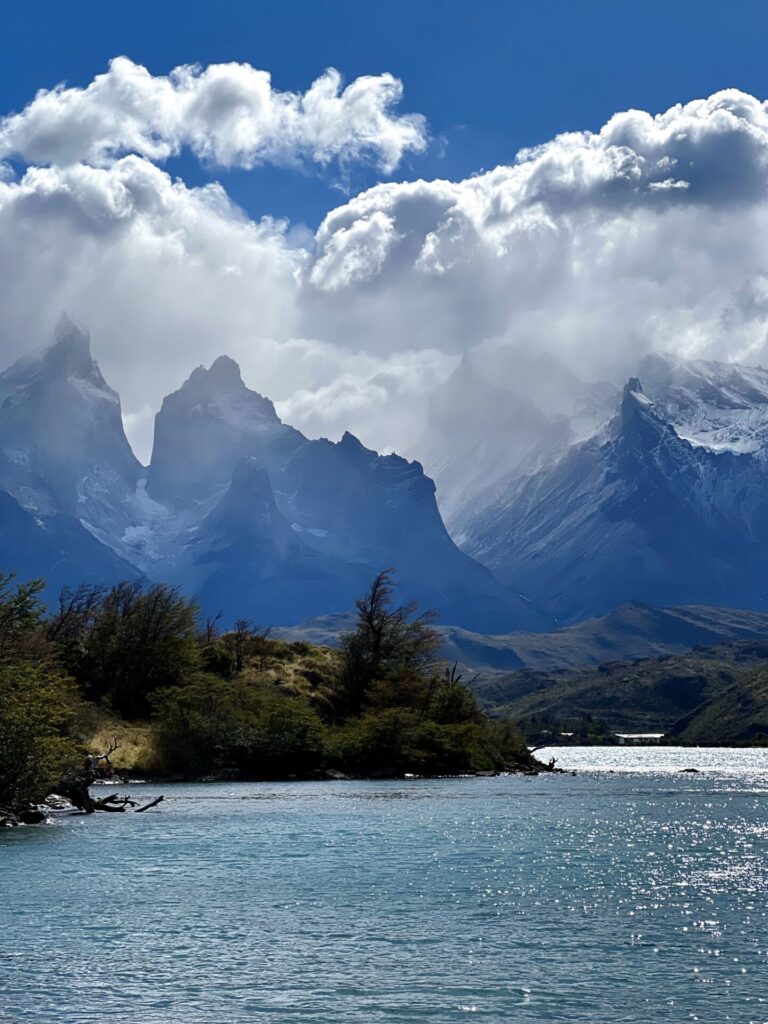
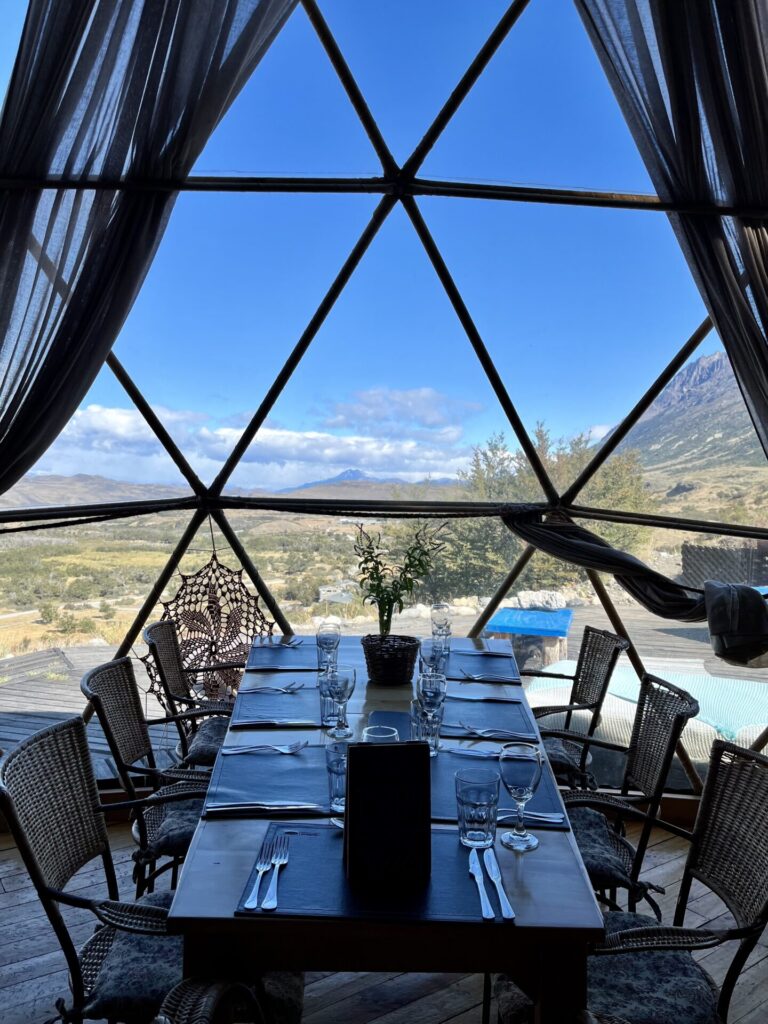
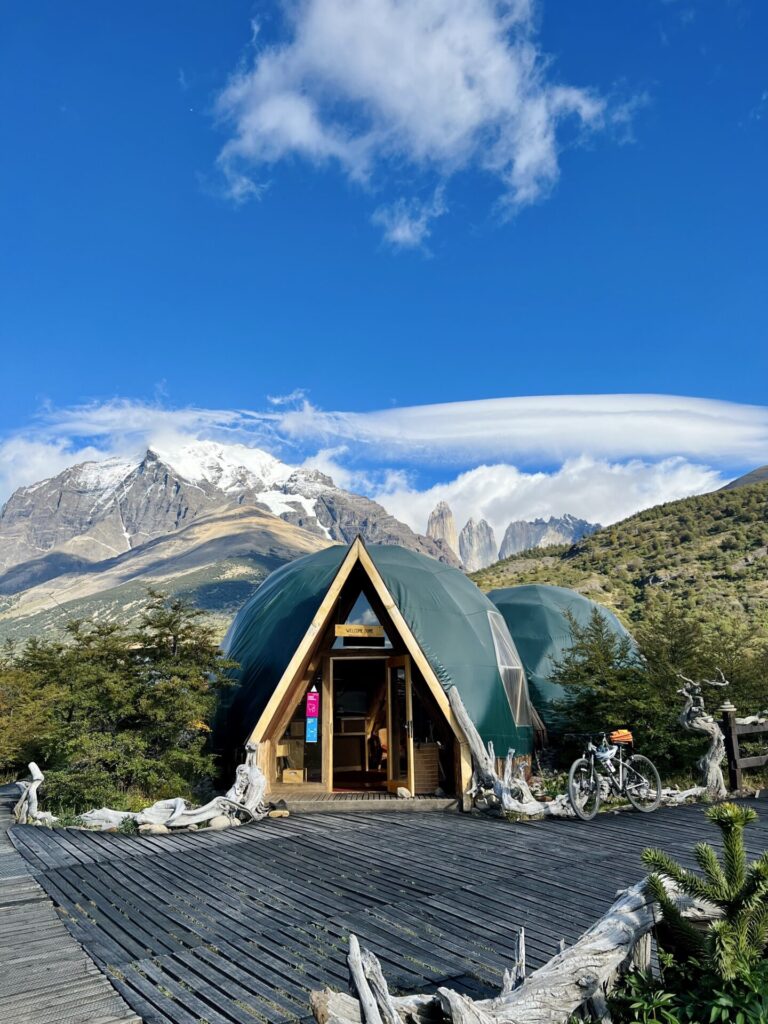
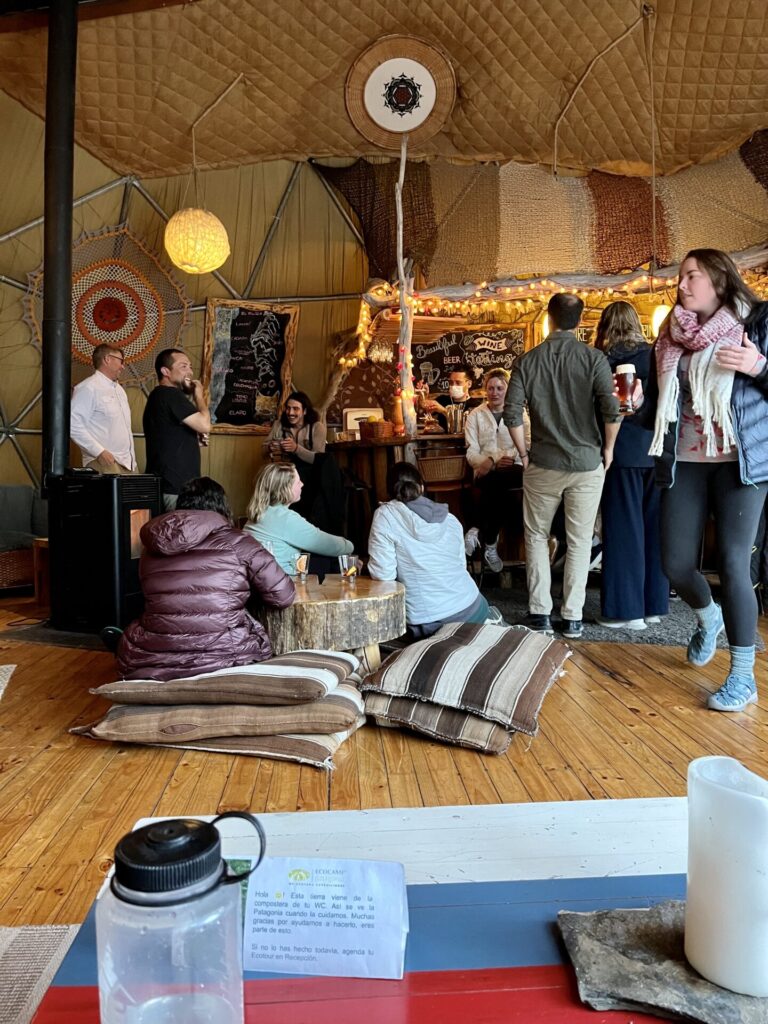
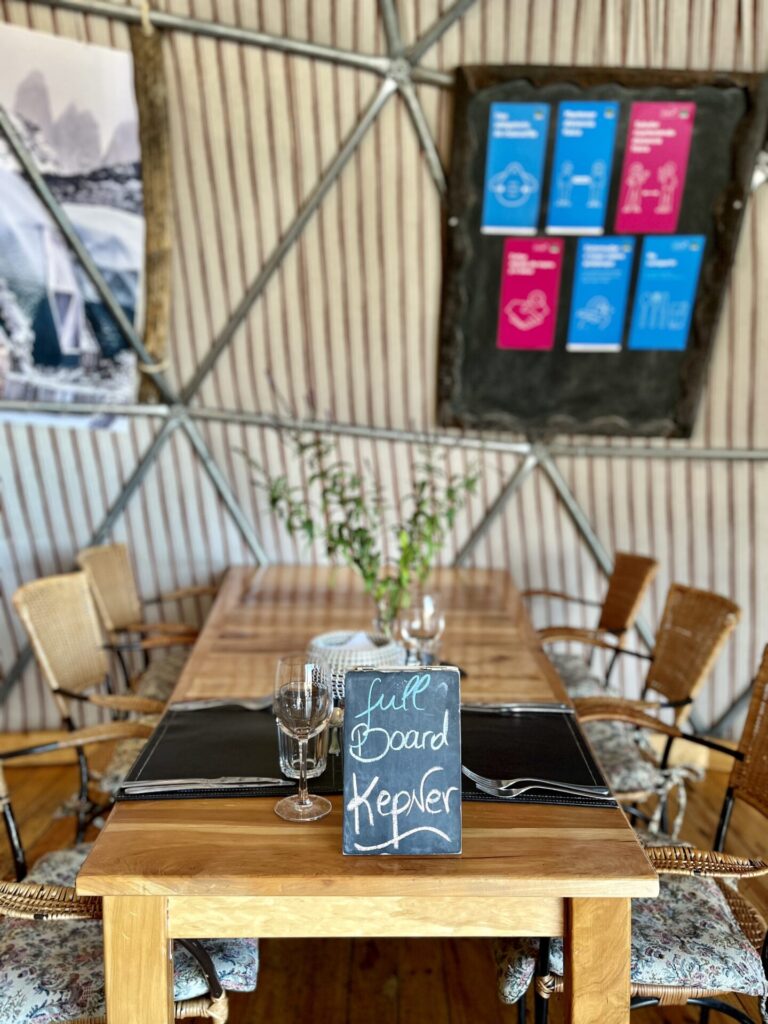
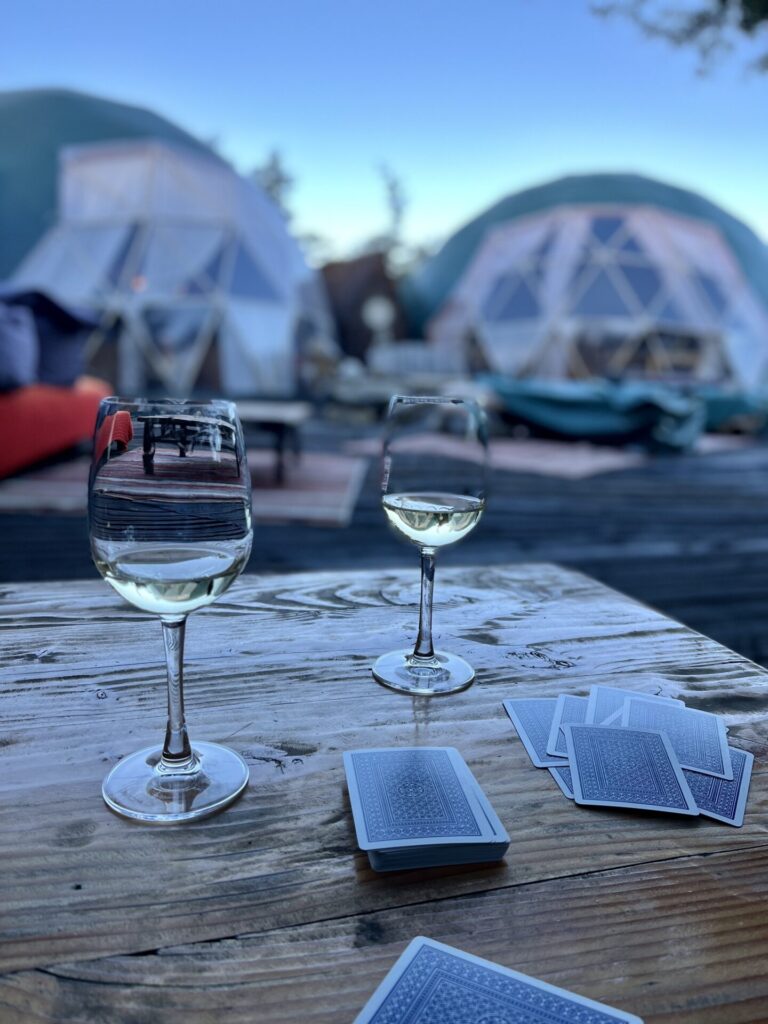
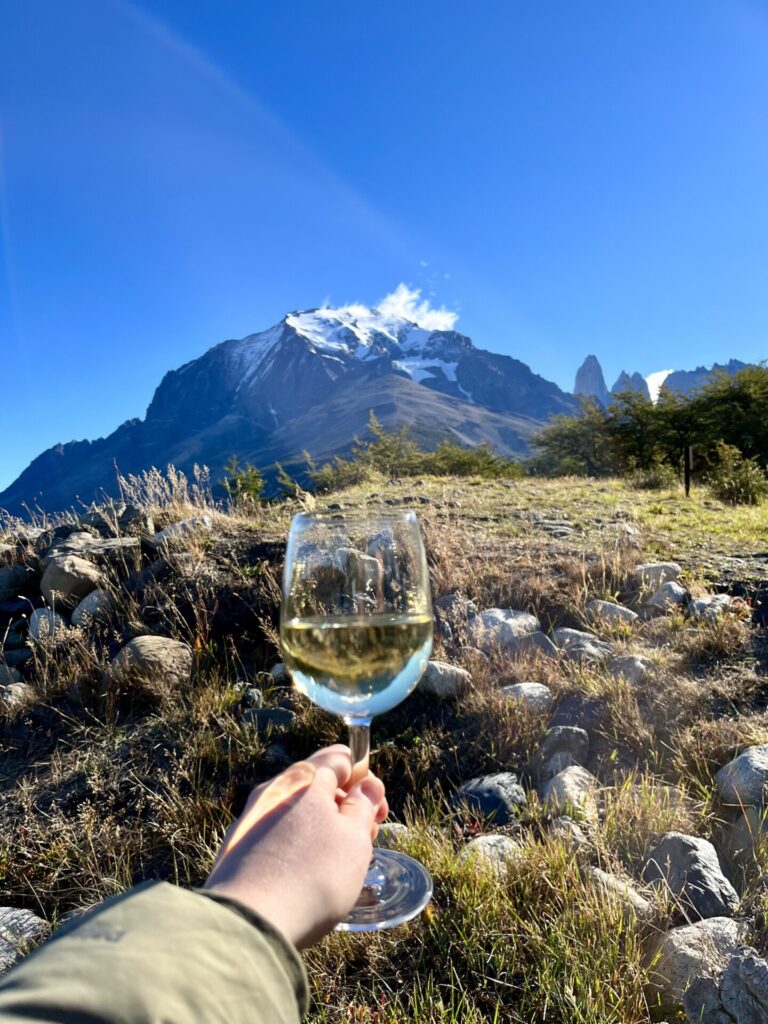
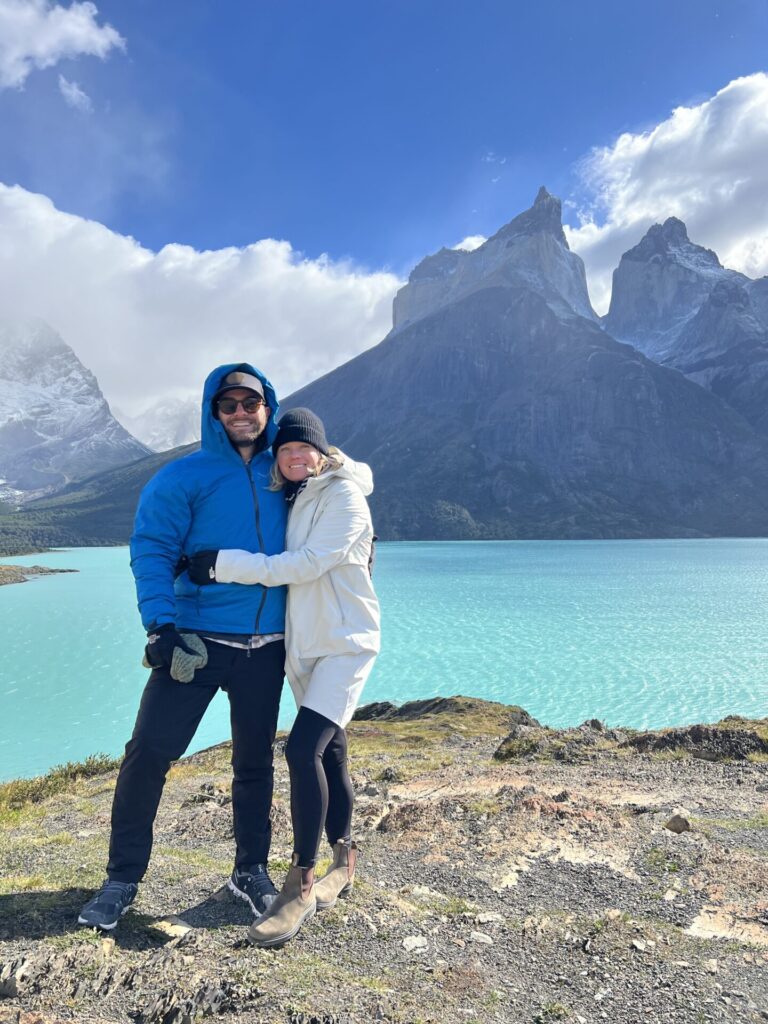
- Torres del Paine National Park is otherworldly. It is the most beautiful, harsh, raw, quiet and isolated places I’ve ever been. It is a must-see, bucket list destination for those wanting to go off the grid and connect with nature in its most extreme form. Margaux took a 2 hour bus ride from Puerto Natales into the national park to EcoCamp Patagonia. The hotel is completely off the grid with geometric domes for glamping at the base of the “towers”. They offer daily activities that leave camp around 9am and get you back to camp around 4pm. They offer one seating for breakfast, you pack your lunch for the day of activities and one seating for dinner. The food is surprisingly good.
Perks:
- Yoga tent with daily classes at 5 and 6 and a massage tent with $60 50 min massages which come in clutch after a 15 mile hike.
Where to Eat: Santolla Restaurant
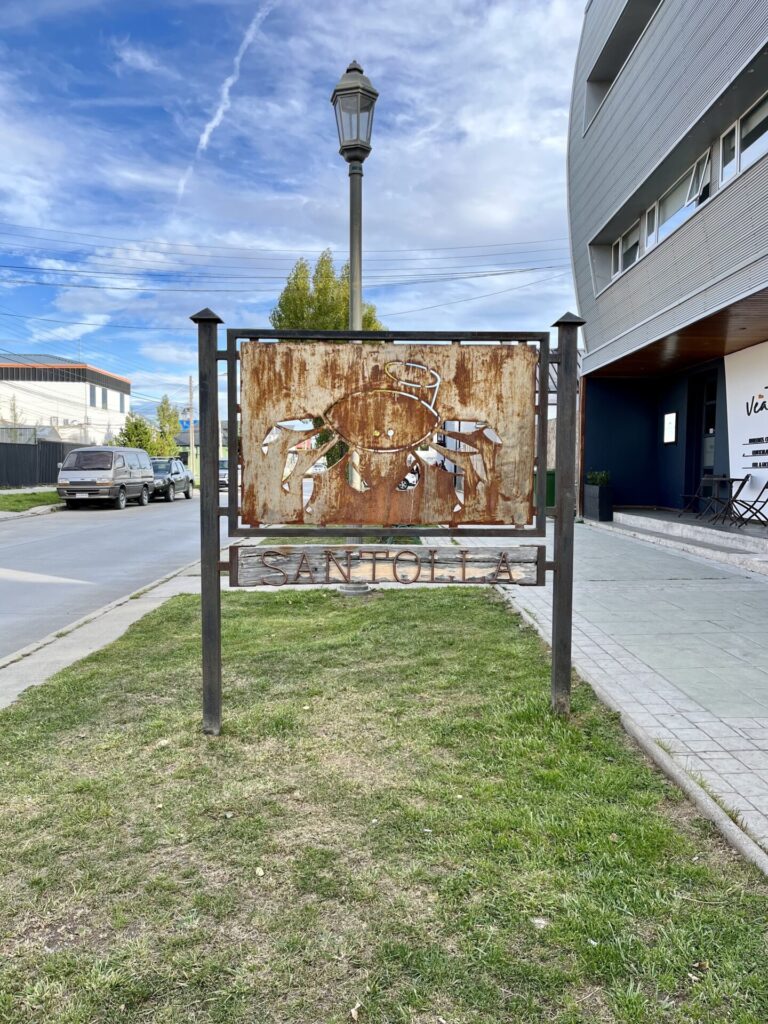
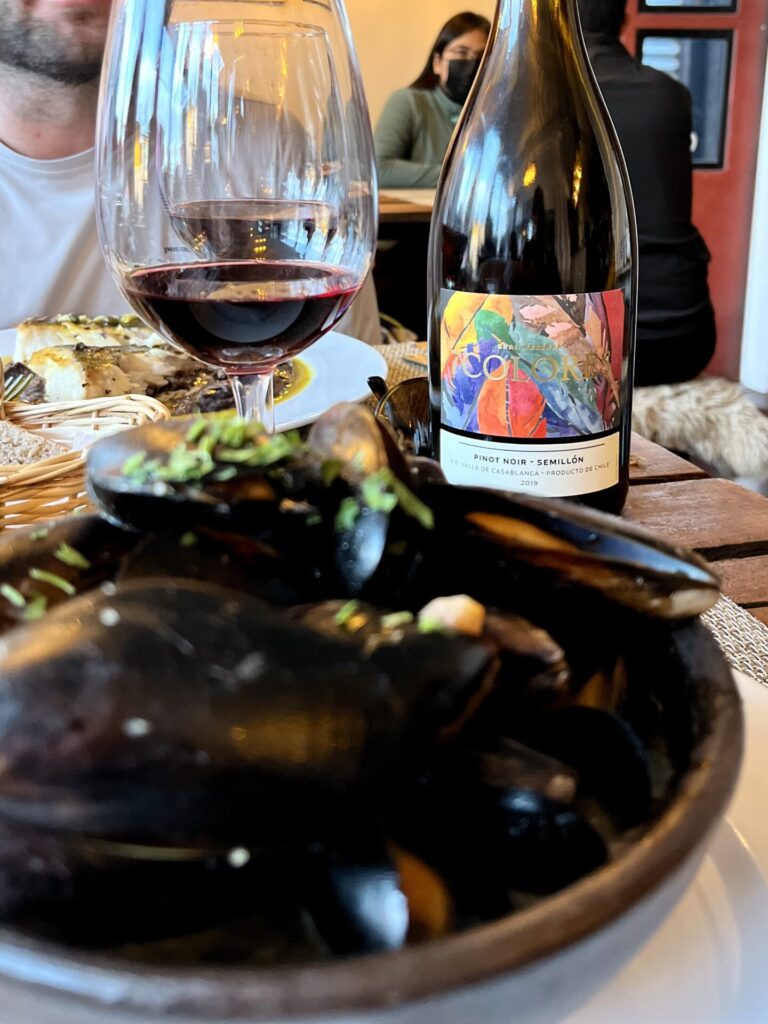
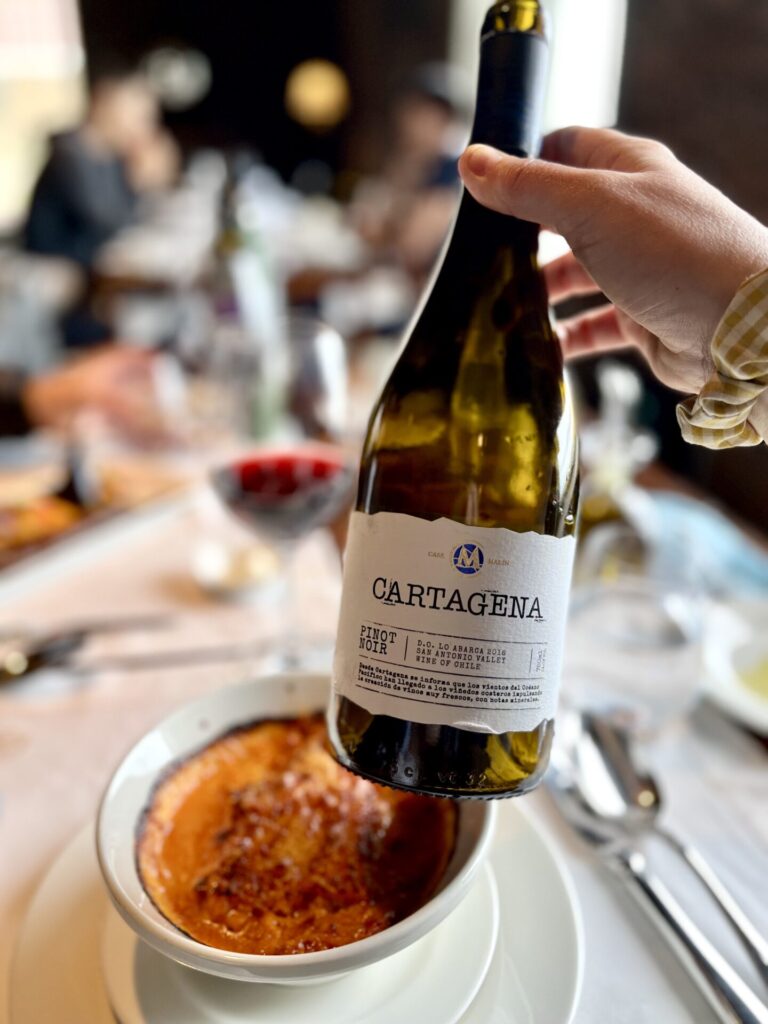
Aside from The Singular’s restaurant, Santolla Restaurant stands out as the best dining option in Puerto Natales. Located in creatively converted shipping containers, Santolla features a revolving local menu. Highlights include delectable mussels and a hearty lentil and tomato soup, making it a must-visit for food enthusiasts.
Travel Tips for Puerto Natales
Explore Beyond the Town:
-
- Use Puerto Natales as a base for excursions to Torres del Paine National Park, known for its breathtaking landscapes and outdoor activities.
Booking Activities:
-
- Plan and book excursions and activities in advance, especially during peak travel seasons.
Packing for the Outdoors:
- Bring sturdy hiking gear, layers, and rain protection to navigate Patagonia’s unpredictable weather. Also, bring a hat and plenty of sunblock to stay safe from the sun.
Must-Visit Wineries
The vineyards are located in valleys formed by the large rivers that come together in Neuquén, just one hour from the city.
*Bodega Chacra
-
- (Río Negro): Boutique, biodynamic and insanely delicious old-vine wines by Tuscany’s Sassicaia heir, Piero Incisa della Rocchetta. The reason these standards are achieved lies in the way its old, ungrafted vineyards are treated organically and biodynamically in a habitat where respect for nature and the deepest engagement in understanding the environment are passionately pursued.
Bodega Noemia
-
- (Río Negro): Hans Vanding Diers’ winery focused on old-vine Malbec and Bordeaux varieties in Mainque, Río Negro. Classy red wines of finesse and character.
Bodega del Fin del Mundo
-
- (Neuquén): Known for its cutting-edge technology and stunning landscapes, this winery offers exquisite Malbecs and Cabernet Sauvignons.
Bodega Patritti
-
- (Río Negro): A family-owned winery renowned for its Pinot Noir and sparkling wines, with picturesque Andean views.
Bodega Familia Schroder
-
- (Neuquén): Known for its wines, but also for the dinosaur fossils that were discovered in its cellar when the winery was being built. You can visit Schroeder winery (and see a replica of the fossils in its cellar) where you can taste through the wide range of wines in the portfolio. This is also one of the few wineries in Patagonia to have a restaurant with a wine-paired menu.
Bodega Malma
-
- (Neuquén): founded in 2004. The Malma winery was formerly known as NQN, which is still on some of their labels. You can visit Bodega Malma and taste their wines over lunch in the winery restaurant.
Humberto Canale
- (Río Negro): The most historic winery in Río Negro, founded in 1909. With a 500 hectare estate today, the first vineyards were planted in 1912 and many old vines remain.
Winery Tips:
- Most Argentine wineries work on a reservation system. We advise to book at least a month in advance.
- While many in the wine industry speak English, knowing basic Spanish phrases can enhance your experience.
- Many wine regions are very large. When planning your trip, consider needing transport to get between the different wineries. You’ll need a car but that requires a designated driver. Hiring a driver isn’t that much more expensive than renting a car here.
- If you’re planning on doing plenty of winery tours and tastings – factor in food to your schedule. Consider visiting a winery with a restaurant; all are high quality and some offer tasting menus tailored to the wine where you should expect the meal to last for at least a couple of hours.
- We usually say no more than 3 wineries a day! 2 to get the maximum benefits and truly immerse yourself into the experiences.
Discover more of our ‘Gaux-To Guides