

 (949) 438-7228


 Call Us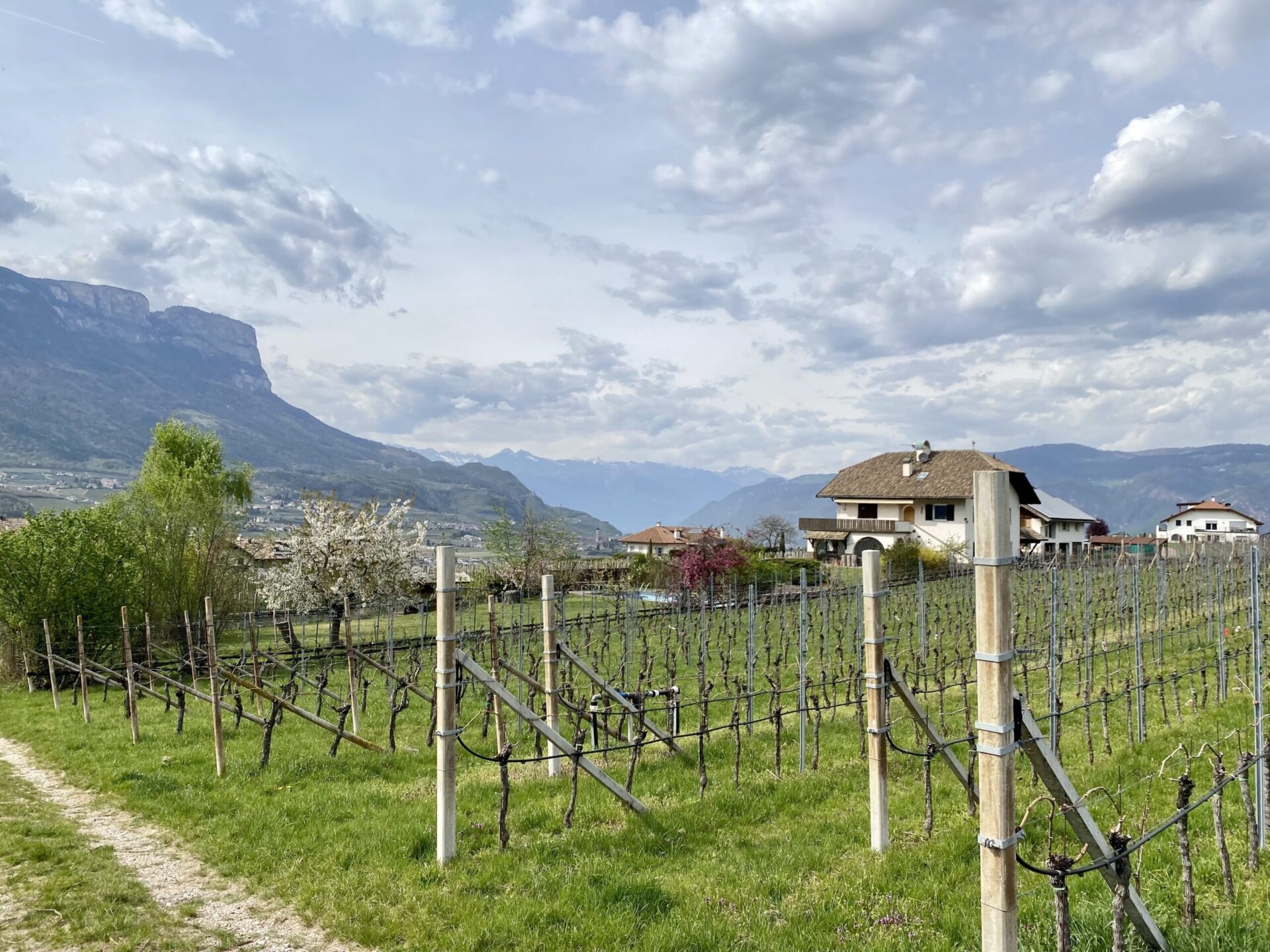
‘Gaux-To Alto Adige: Our Guide to Italy’s Hidden Gem
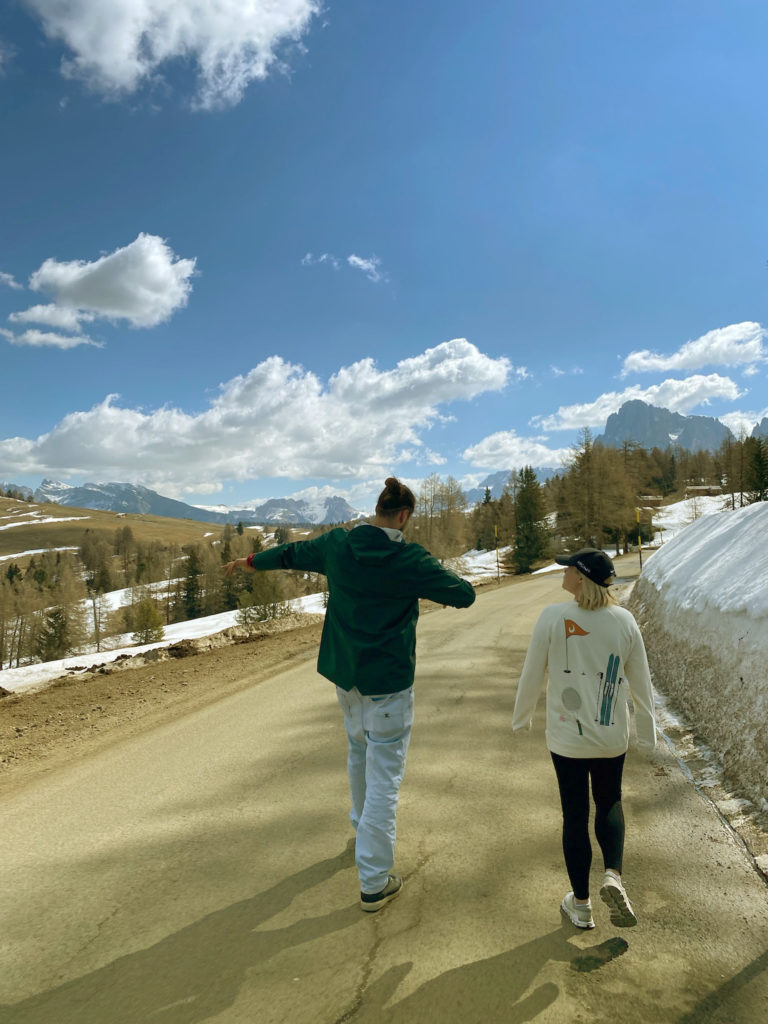
While Tuscany, Piedmont, or Veneto may be the obvious choices for Italy-bound wine lovers, a trip to Alto Adige promises an even more exciting adventure. Home to stunning scenery, exceptional wines, and outdoor activities abound, this northerly Italian region truly offers something for every type of traveler—and although synonymous with snow-capped mountains, the region equally comes to life in warmer weather seasons, too.
The Bigger Picture:
Located in northeastern Italy, Alto Adige (AKA South Tyrol (Südtirol)) is a small-yet-fierce region best known for its high-acid, Alpine-influenced crafted white wines from Pinot Grigio, Kerner, Pinot Bianco, Müller-Thurgau, Gewürztraminer, Chardonnay, Grüner Veltliner, Riesling, and Sauvignon Blanc. As well as Pinot Noir, Schiava, and Lagrein for the red grapes. The area is bordered by Austria to the north, Switzerland and Lombardy (Italy) to the east, Trentino to the south, and Veneto to the east. The area’s largest city is Bolzano, and its definition topographical feature is the Dolomite Mountains. The nearby Lake Garda also plays a key role in viticulture in Alto Adige, as its moderating effects help temperate climate within the area.
The main winemaking regions in Alto Adige are the Valle Isarco, Terlano, Val Venosta, Meranese, Santa Maddalena, Colli di Bolzano, and Lago di Caldaro. The first three are more white wine focused, while the latter four are better known for red wines. In total, Alto Adige is planted to 5,600 hectares of vines and is home to over 275 wineries. Nearly 65% of wine produced in Alto Adige is white, and over 98% of the total production is designated DOC, which renders it the highest in all of Italy. Important fact: German is the mother tongue for 70% of people in Alto Adige, though the majority of its residents speak both German and Italian.
How to Get There / Get Around:
While there are no major airports in Alto Adige, getting to the region is accessible via a number of nearby hubs. Milan and Venice are each about a 3.5 drive, yet offer a perfect excuse for a city-focused weekend adventure before or after your Alto Adige jaunt. Verona is only 1.5 hours away by car, though the airport there is pretty tiny. For a longer (and also breathtaking) road trip, fly into Munich and enjoy the six to seven hour journey through the Alps. Once in Alto Adige, getting around by car is the easiest means of transportation, though there are plenty of bike-friendly options, as well as a few local trains, gondolas, and bus options.
Restaurants, Bars, & Cocktail Spots
Thanks to its unique location, the wine, language, and of course, food, are not stereotypically Italian, but rather influenced by the numerous surrounding cultures. Expect more Germanic than Italian influences—and when in Südtirol, be sure to look out for traditional local delicacies, including knödel (bread dumplings) and speck (dry cured, lightly smoked ham). Alto Adige is also home to the densest concentration of Michelin-starred restaurants in all of Italy!
Hotels / Places to Stay:
Wineries:
Pro tip: In addition to seeking out environmentally-focused wineries that are farming sustainably, be sure to pay attention to the exterior architecture and unique interior design of each winery in this historic, breathtaking region. Some of our personal recommendations:
Additional activities beyond winery visits:
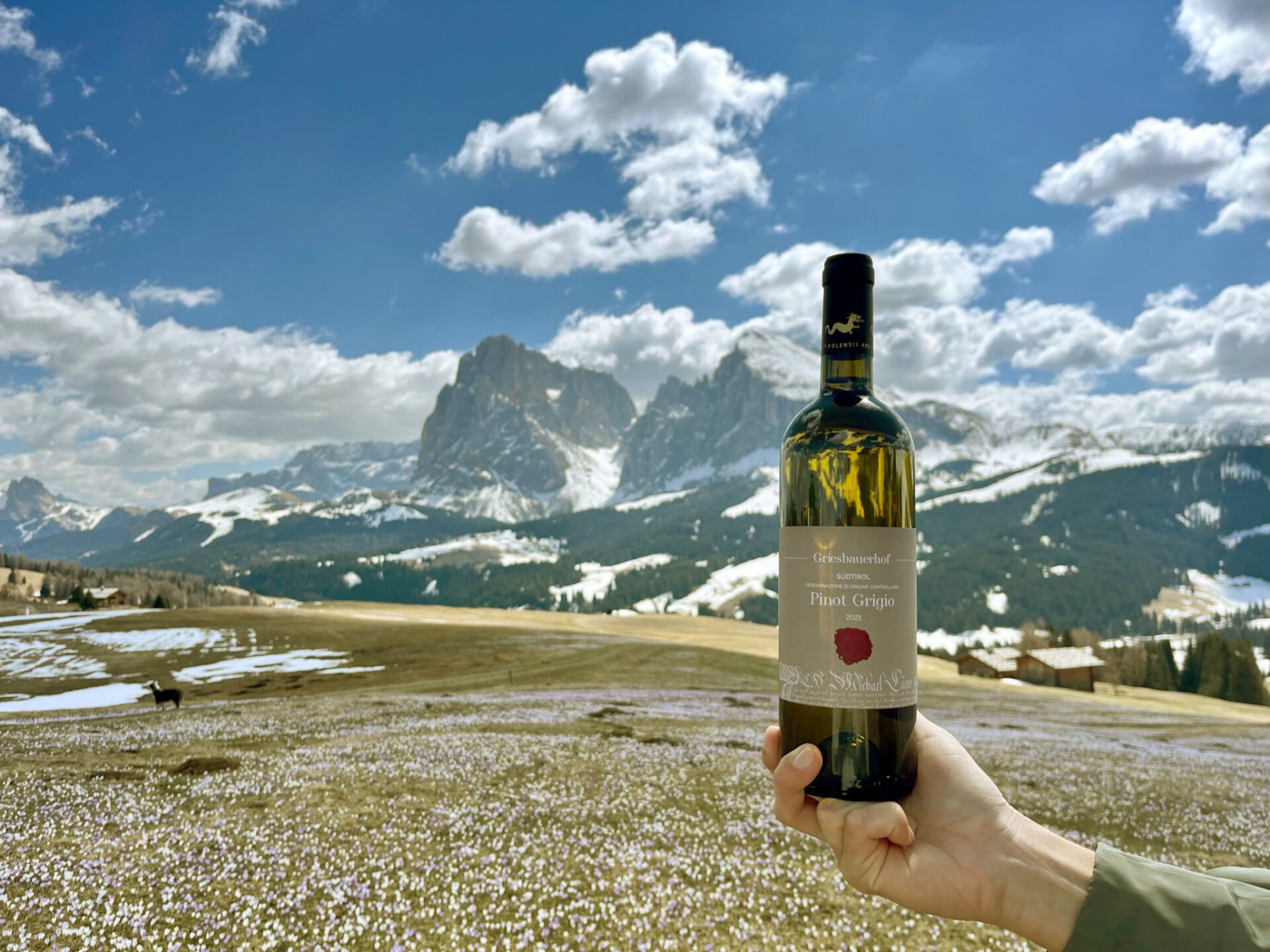
BONUS Winery Highlight: Weingut Griesbauerhof
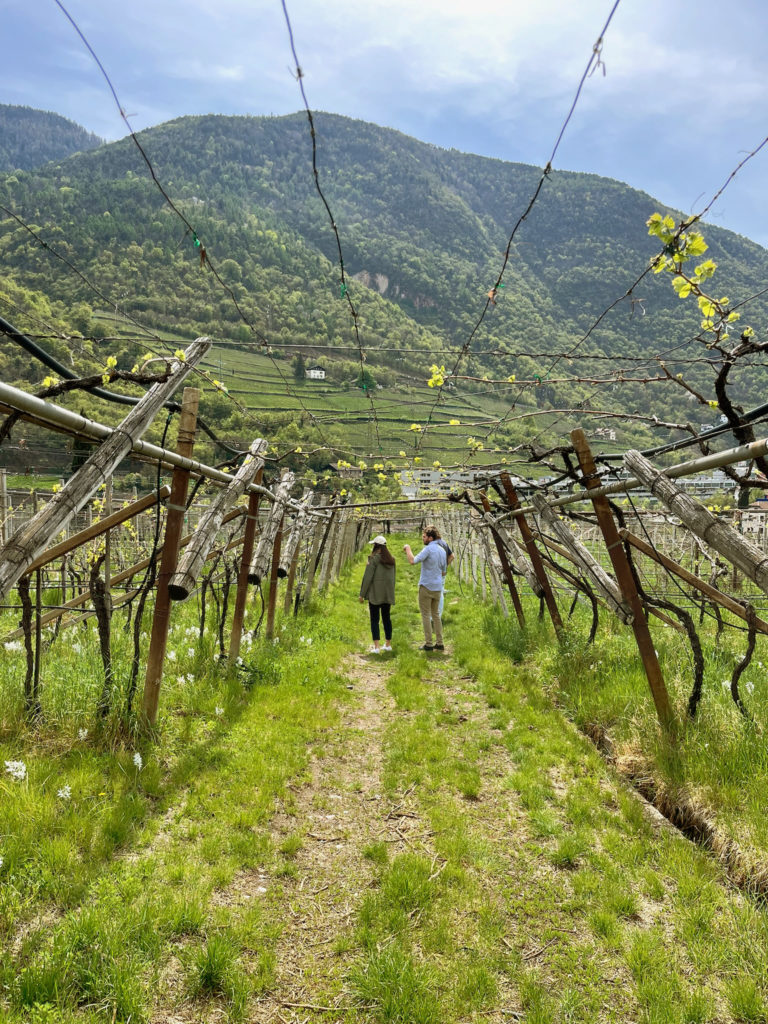
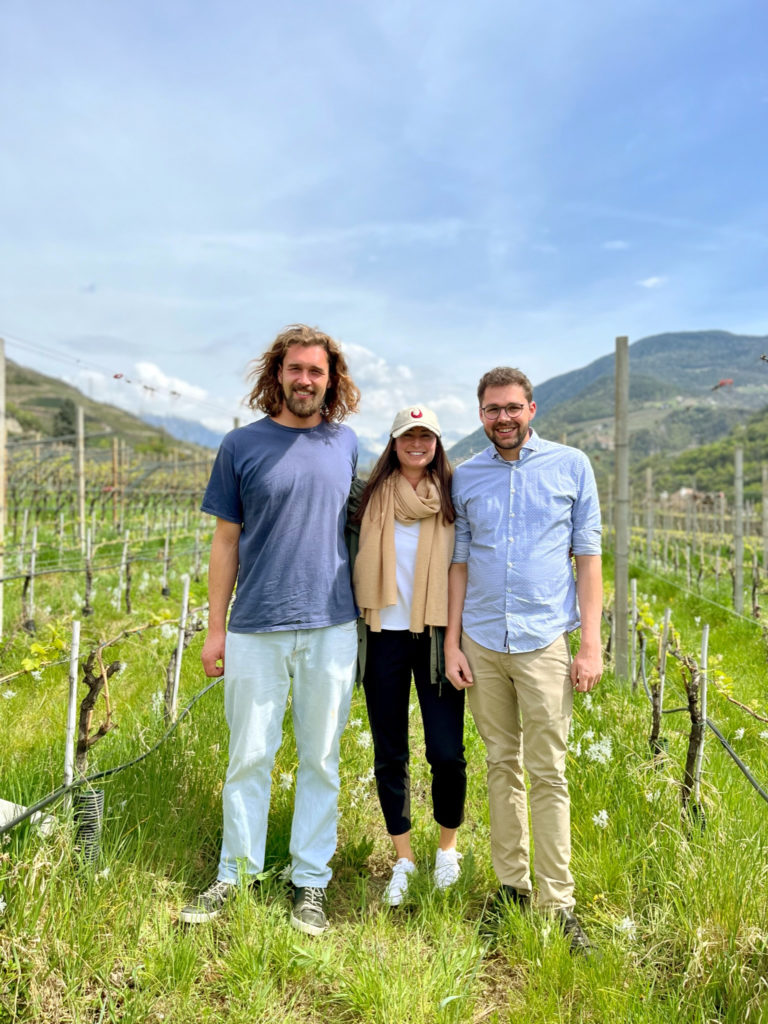
Located on the hills of St. Magdalener in Bolzano, Weingut Griesbauerhof is spearheaded by Lukas and Michael Mumelter, two forward-thinking winemakers passionate for organic farming and low-intervention vinification. Lukas studied winegrowing and oenology in Geisenheim, Germany, after which he gathered practical experience in Tuscany, Piemonte, and New Zealand. At Griesbauerhof, farming is done organically, with mustard, rye, and beans, as well as tomatoes and gala apples, cultivated amongst and around the vines.
During harvest, all fruit is hand harvested, and all fermentations are done with native yeasts. The resulting wines are bright, lively, and exude a distinct Alpine freshness that continues to keep our palates coming back for more. Fun fact: When not at the winery, Michael seasonally operates the locally beloved FreiRaum Mumi osteria and wine bar, generally from May to October.
Cheers!