

 (949) 438-7228


 Call Us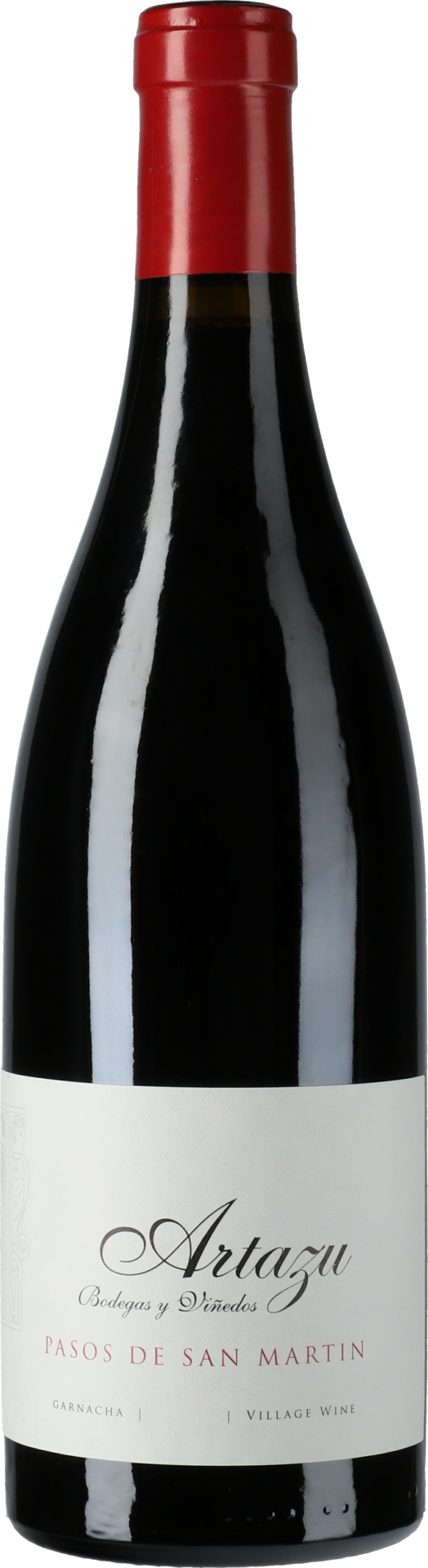
2023 Artadi Artazu Pasos de San Martin Navarra Garnacha



This is such a good wine! It’s Garnacha from Navarra and it strikes a perfect balance between vibrant fruit and rustic minerality. Approachable yet quietly compelling, it’s a go-to when you want to bring something a bit more interesting to the table without taking a risk. The wine pairs just as well with grilled meats or hearty fish as it does with a spread of tapas. Let the wine breathe for 30 min to an hour before enjoying.
Organic farming practices, hand-harvested 30-year old-vines, aged for 12 months in barrel and another year in bottle before release Only 1,230 cases produced.

- Tasting Notes red cherries, grilled plum, ripe strawberry, blood orange, violet and hibiscus, rosemary and thyme
- Variety Garnacha
- Region Spain
- Volume 750ml
- Alcohol Volume 14.5%
- Table Talk 95-point score from James Suckling and 93-point score from Robert Parker's Wine Advocate.
$45.00
Only 10 left in stock




Artadi is considered one of Spain’s most “revolutionary” producers. While they are famous for their high-scoring Rioja wines, their history is full of bold moves and unexpected inspirations.
Artadi made international headlines in 2015 when they voluntarily left the Rioja DOCa (the official regulatory body). The Reason: Owner Juan Carlos López de Lacalle felt the Rioja label had become too focused on industrial quantities and generic aging categories (Crianza, Reserva) rather than specific terroir.
The Statement: He famously said he didn’t want his premium bottles, which sell for hundreds of dollars, carrying the same official seal as wines selling for two euros in a supermarket. Today, Artadi’s top wines are technically labeled as “table wines” because they refuse to use the Rioja name on principle.
The Artazu project in Navarra, which produces your Pasos de San Martín, was actually inspired by a friendship with California winemaking legend Randall Grahm (of Bonny Doon Vineyard). In the mid-90s, when Navarra was ripping out old Garnacha vines to plant “international” grapes like Cabernet, Grahm and López de Lacalle explored the region together. They found “forgotten” ancient vineyards in the village of Artazu and decided to save them, effectively helping trigger the modern revival of high-end Navarra Garnacha.
Related Items
-
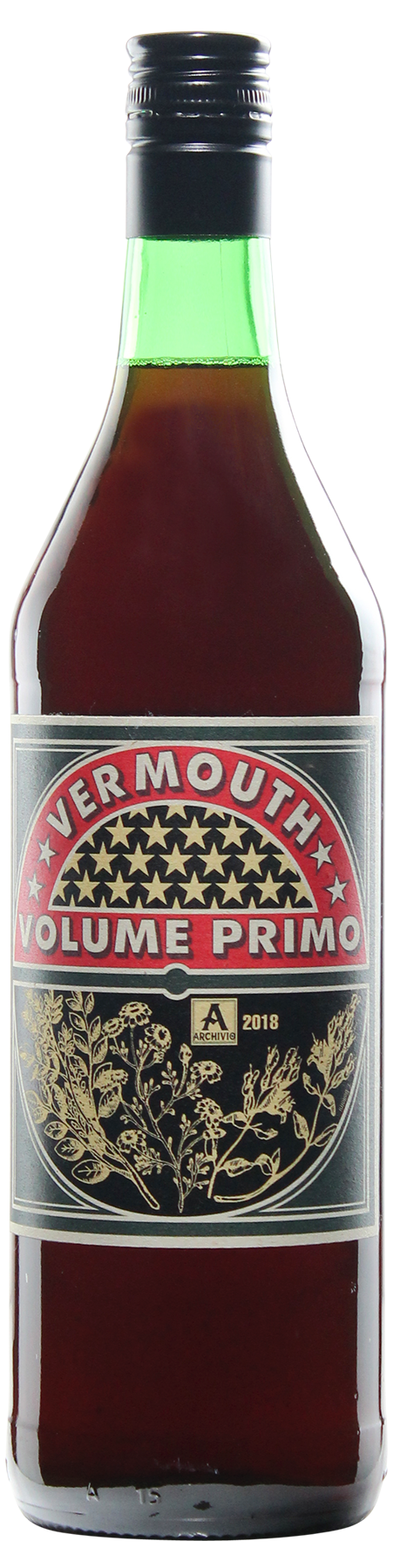
 $40.00
This distinctly Mediterranean-style vermouth was developed by Raffaele Bellomi for his cocktail bar in Verona called, Bar Archivo. He was inspired by aromas he grew up with like the thyme and licorice plants his grandmother grew on her balcony. It’s more herbal than traditional vermouths which make it incredibly versatile.
The Americano Recipe (Argaux Fav)
Equal parts Volume Primo vermouth and your favorite bitter over ice. Mix well, top with soda and garnish with a lemon/orange slice and zest. -
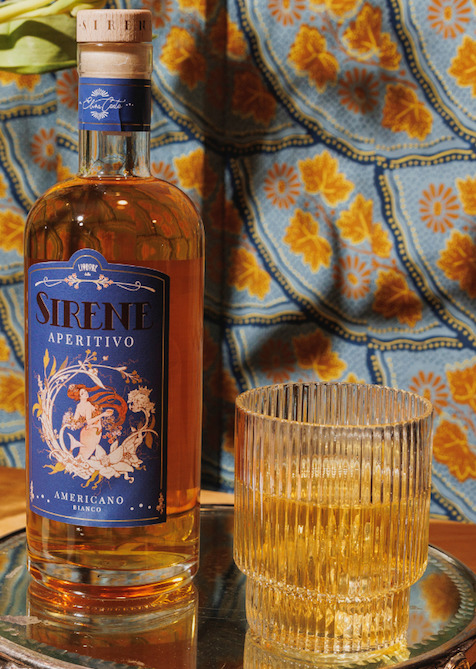
 $40.00
Italian natural aperitif. Handcrafted in small batches, from organic grapes infused with local botanicals from Lake Garda. No chemicals or artificial coloring are used.
HOW TO DRINK IT
This makes an incredible spritz with Prosecco, soda and lemon. It is also great with gin in a cocktail like a white Negroni! -

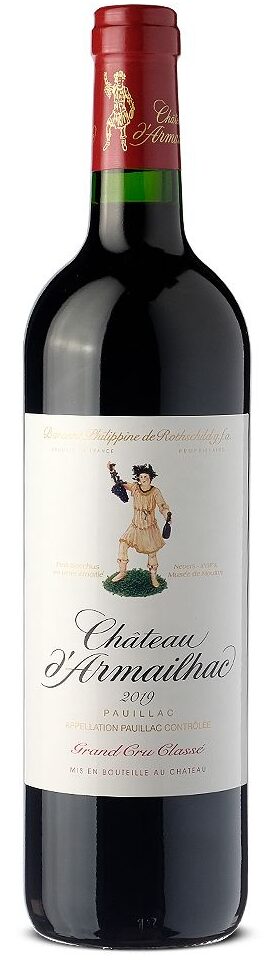
 $95.00
This gem is the second wine of Baron Philippe de Rothschild and remains firmly within the Rothschild family portfolio today. It benefits from the same technical leadership and winemaking expertise as its legendary neighbor, Château Mouton Rothschild, whose vineyards border it to the north — resulting in a wine that consistently overdelivers in pedigree and polish.
Drinking Window: Now – 2039. If enjoying before 2028, open 3 hours prior to serving and decant for 2 hours if possible.
Sustainable farming practices, hand-harvested, fermented in stainless steel tanks and aged for 18 months in French oak barrels (50% new, 50% used).