


 (949) 438-7228


 Call Us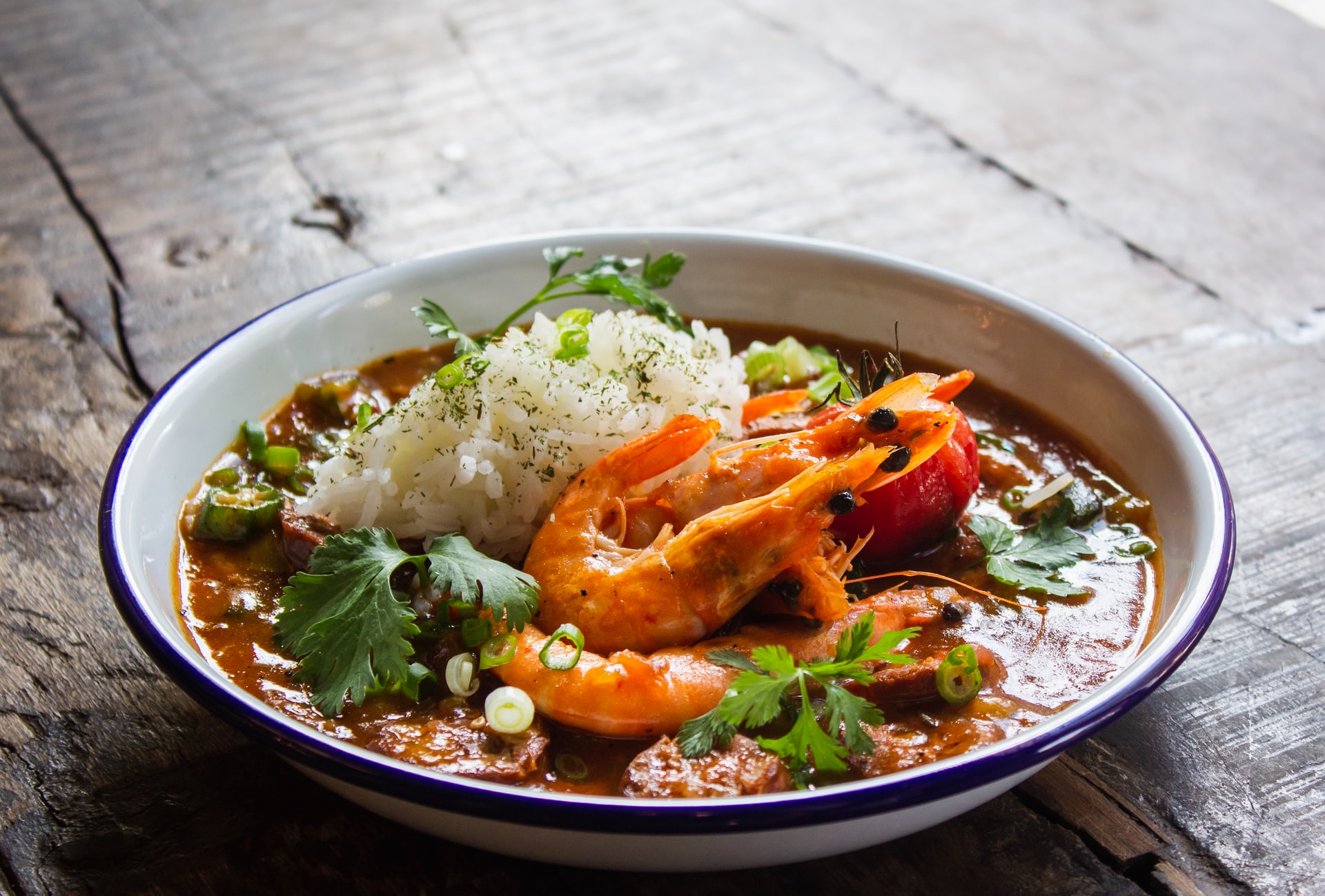
Best Wine for Thai Food
Thai cuisine is complex and expresses many different flavor profiles ranging from bold and bright, to sweet and subtle. Even individual dishes can be difficult to nail down, as Thai food often leans on a wild combination of acidity, herbaceousness, spice and unctuousness to create a unique and delicious experience with each bite.
As you can imagine, pairing wines with such intricate flavors is no easy feat. Wine can prove just as complicated as Thai, and finding a vintage with the right balance to compliment dishes like Tom Yum Goong or Kao Pad gives even accomplished oenophiles quite the challenge.
But it can be done. As with most foods, the right wine pairing can elevate a Thai dish and make both the wine and the accompanying meal a more enjoyable experience. Below, we’re going to show you some basics for pairing wine with Thai, as well as some of our favorite varietals to sip alongside a serving of fresh spring rolls.
How to pair wine with Thai food
Some basic rules of pairing wine with food include:
- Wines should have higher acidity than the food
- Wines should have greater sweetness than the food
- Fatty foods should be balanced with bitter wines (typically reds)
- Lighter foods should be paired with lighter wines (typically whites)
- And more
When pairing wine with Thai food, as you might imagine, you have to break some of these rules. Or at least find a way to work around them. Your spicy, sweet, fatty, meaty, aromatic meal is unlikely to have an obvious pairing which meets all of the guidelines above.
But Thai food is all about balance, in individual dishes as well as a banquet overall, and the best suited wines will maintain the harmony and provide added freshness or depth where it is needed.
- Whites are overall the best choice for Thai as they provide the easiest complement by cooling off the spice and contrast the texture of heavier meats and oils. White wines with fruity, tropical flavor profiles also add to the experience.
- Reds are a bolder choice and must be selected carefully in the presence of Thai. Lighter, straightforward reds are best, as they are able to stand up to the strong flavors of Thai food without overwhelming the more delicate notes. Avoid tannin-heavy reds — they don’t play nice with spice.
While it’s tempting to follow the rules, don’t be afraid to experiment with wines to find your favorite pairings. The most important thing is that you are enjoying the wine, food and company at your table.
That said, here are some of our recommendations for wines that go best with Thai food.
Best red wine for Thai food
- 2019 Storm Single Vineyard Presqu’ile Gamay
Produced in the Central Coast of California, this Gamay leads with fruity aromas of raspberry and cherry, and follows with a surprisingly bold palate and a delicate spiciness. This chillable red goes beautifully with pepper heat, and heavy meats fresh off the grill. Sip alongside a skewer of spicy beef satay. - 2018 Domaine de La Bonne Tonne Morgon ‘Grands-Cras’
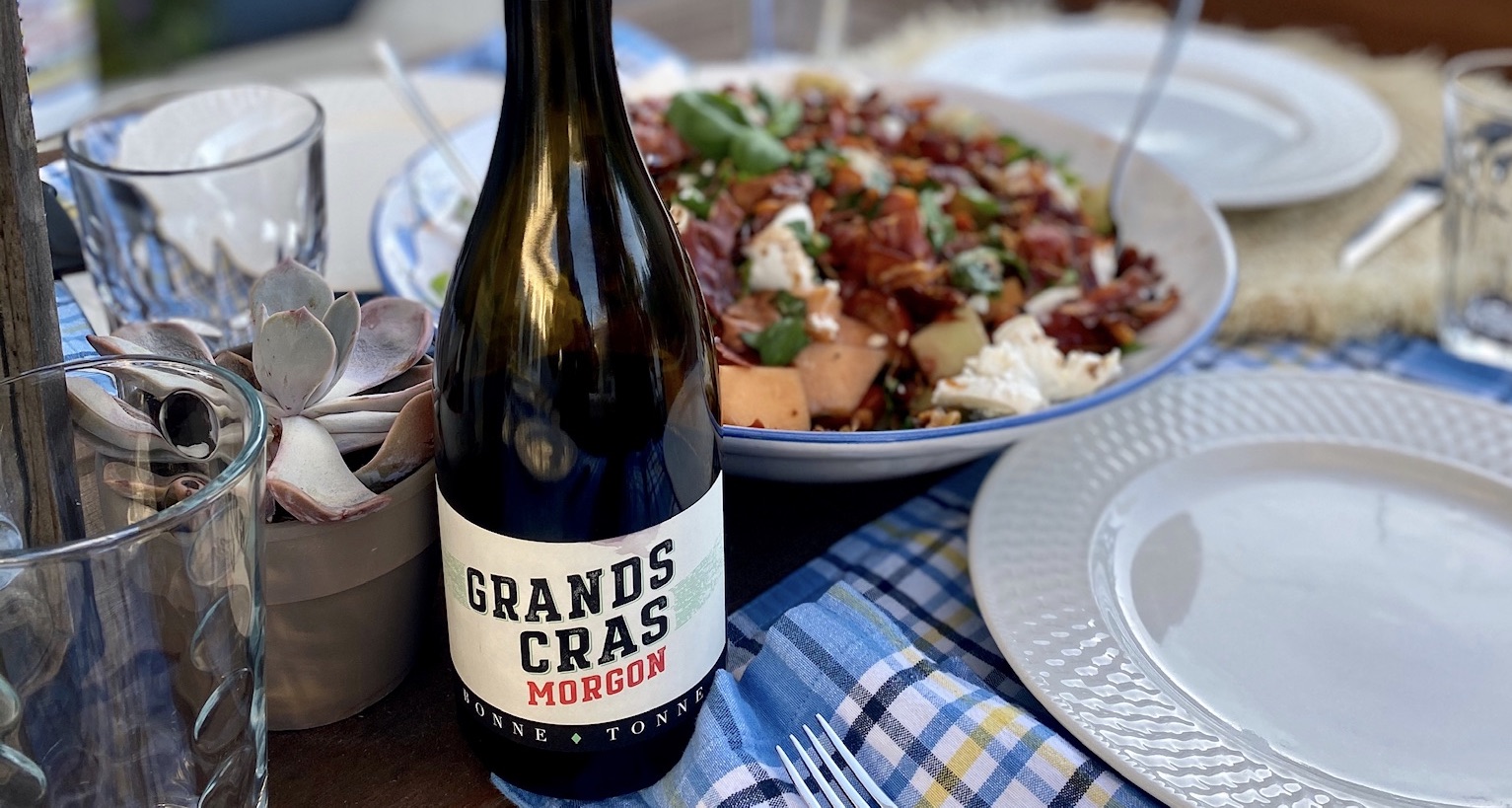
Created using biodynamic and organic farming practices in Burgundy, France, the Grand Cras offers cranberry both in the nose and on the tongue, complemented by baking spices, violets, cherries, plums, and “smooth tannins” that won’t turn your spicy Thai bitter. This red pairs especially well with roasted poultry and savory fruit. We recommend having a glass the next time you order red curry with duck.
Best white wine for Thai food
- 2019 Dönnhoff Estate Dry Riesling
Made sustainably in Nahe, Germany, this Riesling heavily features lime — a common ingredient in Thai cuisine — in both its aroma and palate. Riesling is already the recommended pairing for most Thai food, and this bottle from Dönnhoff Estate is the dry, mineraly Riesling to accompany a green curry with shrimp, lobster or white fish. - 2017 Bernhard Ott Gemischter Satz
This beautiful blend of five whites (Weissburgunder, Grüner Veltliner, Roter Veltliner, Chardonnay, and Riesling), made using biodynamic farming practices in Kamptal, Austria, has a fruity, citrusy aroma smoothly followed by a fruity, citrusy taste. Pear, green apple and lime blossom give it a subtle yet complex sweetness, perfect for enjoying with Green Papaya Salad or a bowl of spicy Tom Yum on a summer evening. - 2019 Bründlmayer ‘Kamptal Terrassen’ Riesling
Another winning Riesling from Kamptal, Austria, this delicious, dry white wine is citrus-forward with additional flavors including Acacia flower and peach that make it an incredible complement to anything spicy. While best enjoyed alongside seafood or salad, we recommend pairing this Riesling with a generous helping of Thai Larb Gai (chicken with lime, chili and herbs.)
Best rose՛ wine for Thai food
- 2020 Chateau Barbebelle Aix-en-Provence ‘Cuvée Madeleine’ Rosé
Floral and fruity with a remarkable body and richness, this blended rose from a woman-owned winery in Provence, France pairs with everything from fresh salads, to savory seafoods, to deep-fried spring rolls. We suggest enjoying at the beginning of your meal with Chicken Satay, or at the end alongside mango and sweet sticky rice. - 2017 Weingut Hirsch Hirschvergnugen Gruner Veltliner
Made in Niederosterreich, Austria using biodynamic farming practices, this white rose (!) is utterly refreshing and begs to be enjoyed on a Spring afternoon. Enjoy with Pad Thai or a spicy eggplant & tofu stir fry.
Argaux’s food pairing solution
Argaux makes it easy to find a delicious bottle of wine that pairs perfectly with any dish off your favorite Thai menu. And we make it even easier to match wine to your everyday meals with our Food and Wine Pairing Kit. We’ve collaborated with author Vanessa Price, inspired by her book Big Macs and Burgundy – Wine Pairings for the Real World which gives you a comprehensive guide to wines you should be drinking with everything from grilled salmon to a bag of hot cheetos. Each kit comes standard with this fabulous book, as well as 2 to 4 bottles of hand-picked wine, perfect for an evening of both education and entertainment.
You might also enjoy:
Best Wine for People Who Don’t Like Wine
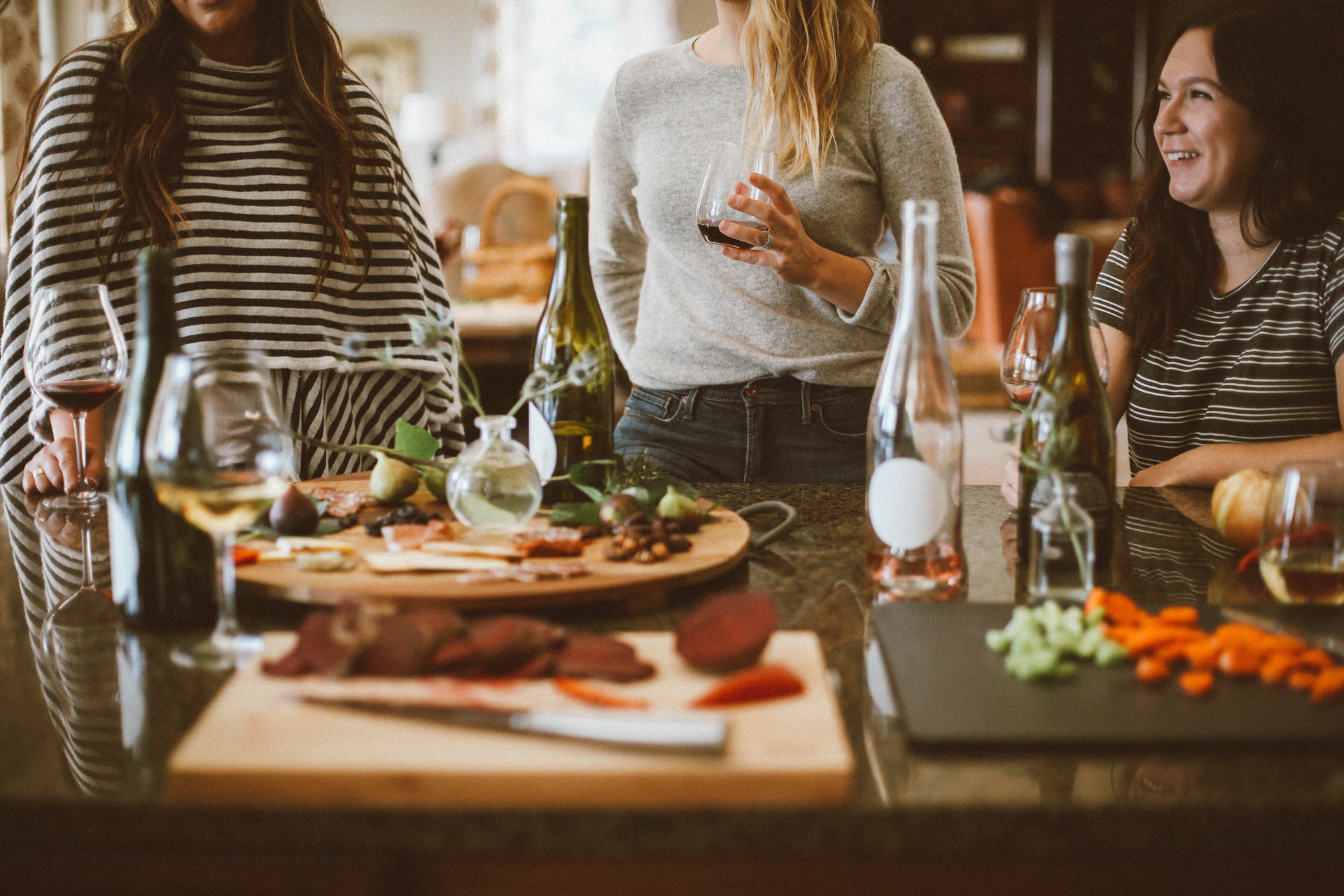
Wine isn’t for everybody. And there’s no shame in that — ferment just about anything and, no matter how good the resulting product might be for many, there are some people who just don’t want anything to do with it, and that’s okay. Whether it’s beer, wine, kombucha, or slightly mineraly tap water, you are under absolutely no obligation to drink anything you don’t want to. (Unless your doctor says so.)
But if you’re one of those rare and wonderful people who doesn’t like wine but really wants to like it, there are ways you can train yourself to endure and even enjoy all the weird, interesting, and downright delicious experiences wine has to offer. Typically, that starts with finding that one wine in a million that offers a taste you find tolerable.
We’ve put together a convenient list of some of the most drinkable wines we have here in our collection at Argaux. Enjoy!
Why don’t you like wine?
One thing to think about before you dive in is, why don’t you enjoy wine? Figuring this out will help you narrow down a list of bottles or styles of individual varietals which you are more likely to love.
If you don’t like the taste of alcohol, go for sweeter, juicier wines with a low alcohol content, or try working up to a full glass by making yourself a summery wine spritzer every now and then. We suggest a white Zinfandel or Moscato as an introductory beverage.
If you prefer the bitterness of beer and that has kept you away from wine in the past, try drier varieties of white or more tannin-heavy reds that offer a body and flavor which can act as a stepping stone between the two libations.
Or, if the culture of wine overall feels inaccessible to you, remember that you don’t have to know anything about wine to enjoy it. Plus, the more varieties of wine you try, the better you’ll get at discerning tasting notes, varietals of grape, and all the minutiae that makes an individual bottle special.
Red wine for people who don’t like wine
This Beaujolais-inspired Malbec is exciting and oh so fresh. Fair warning, this could be your new favorite chillable red – seriously, we would drink a lot more Malbec if they all tasted like this. Table Talk: Carbonic maceration, also known as whole whole bunch fermentation makes zippy, juicy wines that we can’t stop drinking.
White wine for people who don’t like wine
-
2022 Domaine De Oliveira Lecestre Petit Chablis – $30
Everyone knows about Chardonnay. But, there’s something unique about Chablis. If you don’t think you like Chardonnay, think again. This is an everyday staple. The palate is lively and crisp, but it isn’t quite as austere as other versions of Chablis. It has a creamy texture which makes it approachable and crowd-pleaser across the board.
Rosé wine for people who don’t like wine
-
2022 Chateau Barbebelle Coteaux d’Aix en Provence ‘Fleurie’ Rosé – $23
You can easily trick yourself into thinking you’re drinking kiddie juice if your wine is the color of cherry blossoms or a sky at sunset. That’s why so many wine novices start with a Rosé. This type of wine can be either dry or sweet, but usually falls just on the sweet end of the spectrum, and is decidedly fruity in its flavor and aroma. The Provence wine we have listed here is particularly delicate and delightful, with notes of lavender, peach, and melon.
Argaux is here for you
Our collection contains myriad varieties of wine to suit even the pickiest of drinkers out there. If you’re just starting to dip your toes into the grape basket, why not try our blind tasting kit for an adventurous evening that will allow you to push your viticultural boundaries and maybe find a wine you enjoy? Or, contact us, tell us what you like, and our sommeliers will do their best to offer a few suggestions and find a wine just for you that you’re sure to love.
Don’t know where to start? Try our Blind Tasting Kit or Wine 101 Tasting Kit for Beginners.
Best Summer Wines To Kickoff the Long Weekend
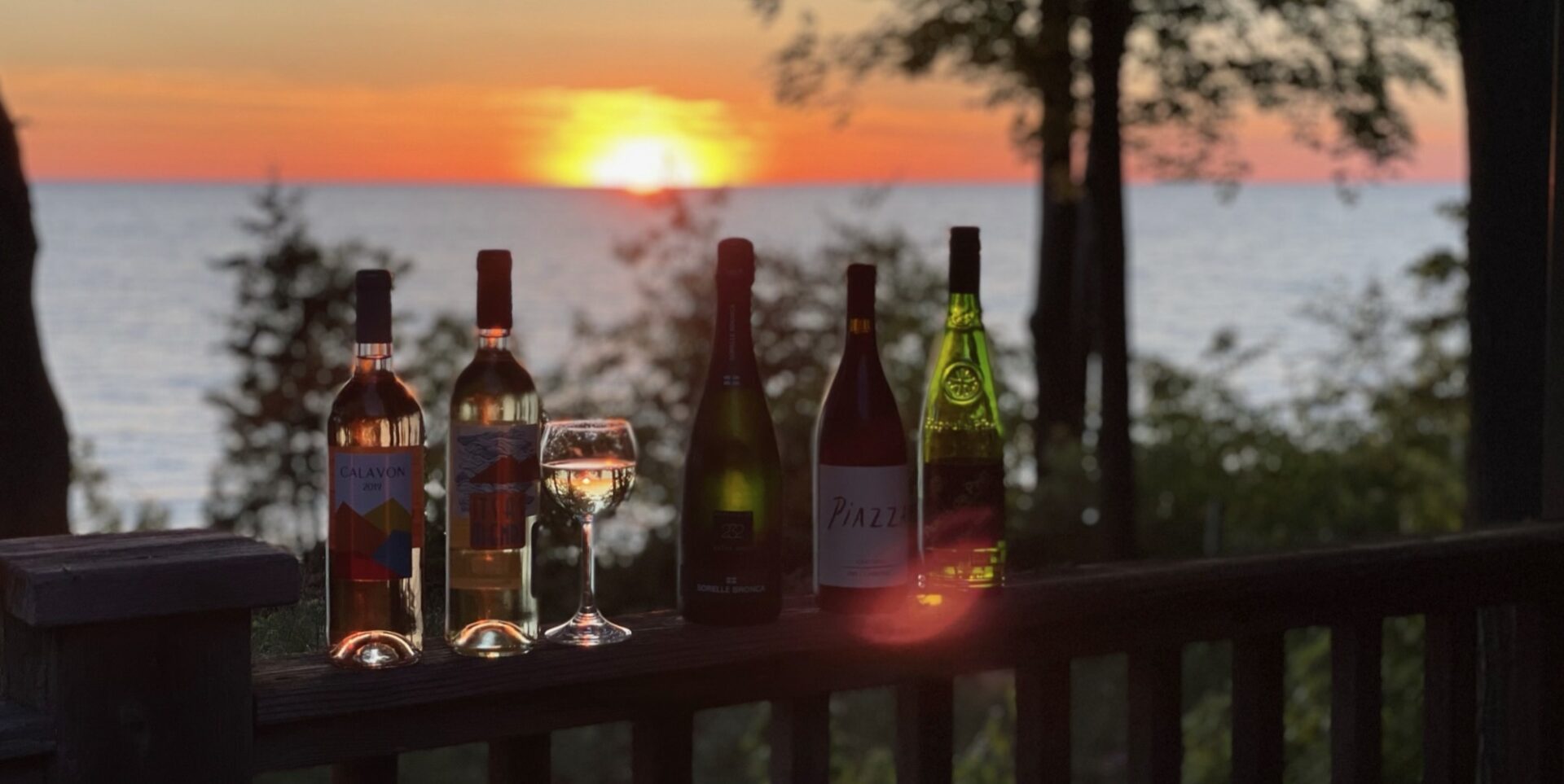
Shades, suits, and solid amounts of booze (emphasis on point number three!) are non-negotiables for long summer weekends spent beneath the sun. For us at Argaux, July 4th weekend officially kicks off Summer Friday season—which means that having our beverage stashes locked and loaded is key. This weekend, we’re rounding up a short list of Long Weekend Essentials to carry you through the rest of your sunny summer weekends ahead. Stock up now, enjoy later, and let the good times roll without ever having to worry about running out of supplies!
No summer weekend is complete without a solid bottle (or few) of rosé. Each month during the summer, we feature one of our go-to pink picks for warm weather sipping and offer it at a seriously affordable price. This July, we’re featuring La Spinetta Rosé di Casanova, a tart and juicy rosé produced from organically-farmed fruit grown in Tuscany. Expect flavors of white peach, strawberry, and mineral notes to lead to a floral, acid-driven finish.
Single bottles start at just 20 bucks a pop, though the more you buy, the sweeter the deal! Although this bottle is perfect for pools, parks, and outdoor sipping everywhere, we recommend enjoying it on a sunny afternoon with this Peach Burrata Salad with Prosciutto and Arugula for an out-of-this-world pairing.
Can’t make it to France this summer? Let us bring the best of French drinking culture to you with this L’Apéro Starter Pack, our answer to learning the art of wine and cheese pairing. In France, l’apéro is a long-respected ritual that incorporates gathering around refreshing drinks and snacks at the end of the long day. Our curated kit is available in 2, 3, and 4-bottle packs, complete with a guide on how to l’apéro, food and wine pairing recs, as well as tips and tricks for creating the perfect cheese / charcuterie board. You bring the company and foods of choice, we’ll handle the rest.
Sometimes the day calls for a quick, thirst-quenching break from wine—enter our refreshing Spritz Kit. At Argaux, we source all of our spirits and liqueurs with the same mentality that we do our wines, which means they must be delicious, responsibly-made, and honor the place from which they come. This summer, we’re leaving the Aperol behind and swapping in Liquore delle Sirene, an Italian aperitif produced from organically-farmed Trebbiano di Soave, Garganega grapes, and locally-sourced herbs from Lake Garda.
On the palate, Liquore delle Sirene shows flavors of rose, coriander, red currant, and gentian, and its red color comes from hibiscus flowers / red potato juice. No chemicals or artificial coloring is used. Our Spritz Kit comes equipped with one bottle of Liquore delle Sirene and one bottle of NV Sorro Prosecco, an organically-farmed sparkling wine produced in the heart of the Veneto.
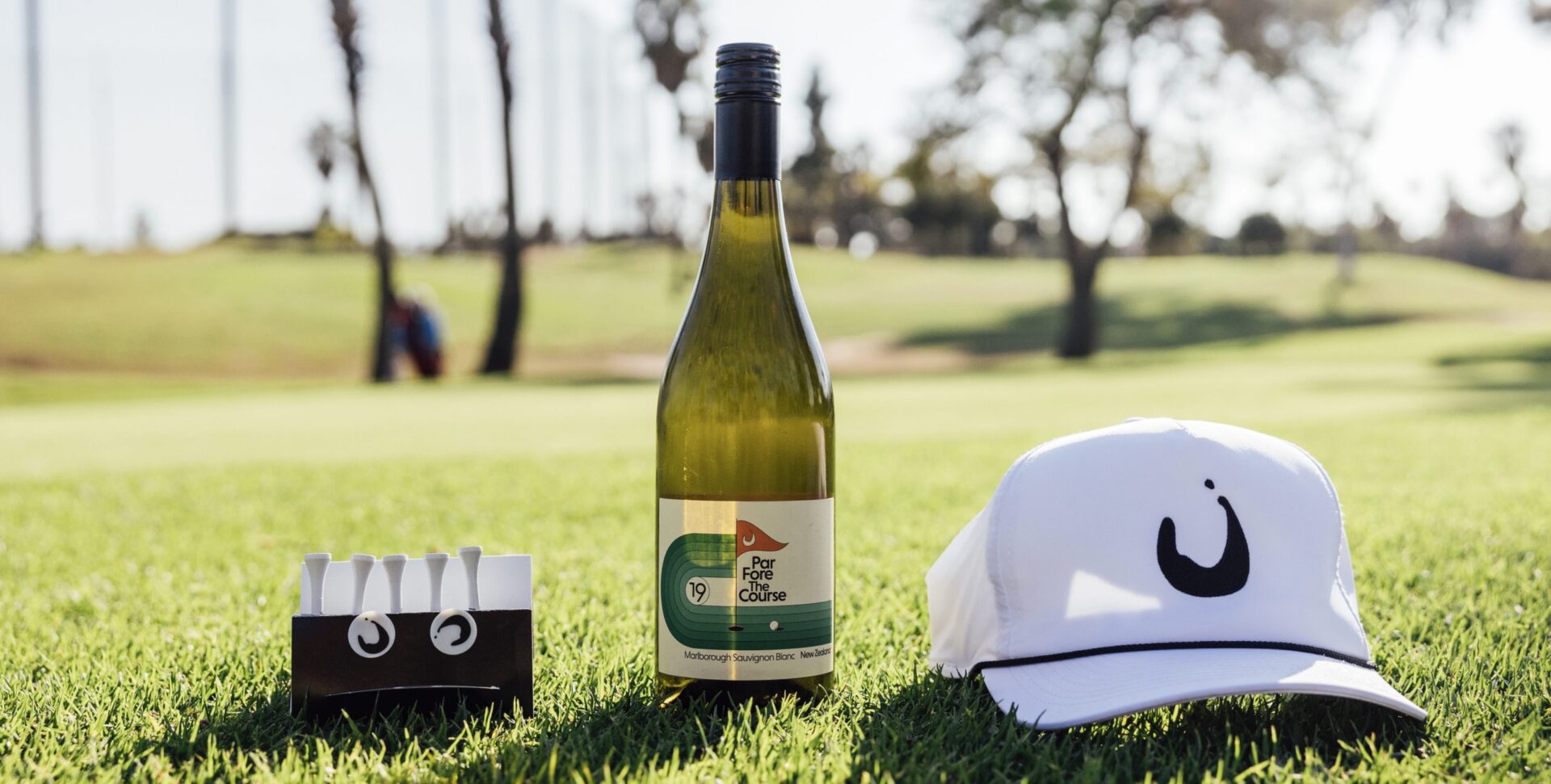
Whether heading to the course or casually swinging your clubs in the backyard, no wine package promises a good time like our ‘Gaux Golf Kit. Each kit includes 1-4, 6, or 12 bottles of Par Fore the Course Sauvignon Blanc, a zesty, organic wine produced in the heart of New Zealand’s Marlborough region, as well as two cups, two tee and ball marker books, and one microfiber golf towel.
Par Fore the Course exudes bright and refreshing flavors of guava, green herbs, passionfruit, grass, and a touch of pineapple. Fair warning, this one goes down almost too fast.
Whether the evening calls for wine or spritzes, enjoying your summer beverages out of solid glassware is key. After much swirling, sipping, and assessing, we’ve found that Riedel’s Vinum line of glassware is the best quality-to-price-ratio option on the market. These high-quality glasses are durable yet elegant, making the top picks for outdoor sipping situations. Note: Although dishwasher safe, we recommend washing by hand to ensure careful cleaning.
You might also enjoy:
What Is Orange Wine?
Orange wine is having a moment, yet there’s still quite a bit of confusion surrounding this unique style of winemaking. Skin-contact vinification (otherwise known as orange wine) has been around since ancient times, and despite falling out of fashion for most of the 20th century, the style is coming back with a bang.
Curious to learn more? Check out the ins and outs of orange winemaking, plus five of our favorite bottles, here:
What Is Orange Wine?
Orange wine is a style of wine that incorporates vinifying white wine grapes using red winemaking techniques. Normally, white wine grapes are immediately pressed after harvest, meaning that they spend no time on their skins, whereas red wine grapes are crushed and macerated / soaked prior to pressing. This process of allowing the juice to remain in contact with the skins adds texture, tannins, and pigment to final wines. When done with white grapes, the resulting wines range in hue from light gold to dark copper and span a myriad of flavors.
What Does Orange Wine Taste Like?
The exact flavor profiles of orange wines fall all over the spectrum, as grape variety, maceration time, and vinification techniques all play major roles in how a final wine tastes. Generally speaking, orange wines tend to have more weight than your average white wine and are marked by varying levels of tannins. Common flavors found in orange wines are bruised fruits, pithy citrus, fresh cut herbs, sweet spice, and beyond.
Why Is Orange Wine So Popular?
There’s no denying that orange wine is certainly having its moment in the sun. These tasty wines are produced all over the world from a handful of interesting producers, and their versatility in style covers a broad spectrum of palate preferences. These wines are also somewhat of a happy medium between red and white, in that they’re textured enough to satisfy the bold red wine lover, yet also remain light enough on their feet to please white wine drinkers. Basically, when produced at the right hands, orange wines simply offer the best of both worlds!
Which Type of Drinker Would Love Orange Wine?
Because orange wine is crafted from a variety of grapes and in a handful of different styles, there is truly an orange wine out there for everyone. For those looking for something intense and grippy, seek out an example that spends extended periods of time on the skins. For curious drinkers looking to get their toes wet, we recommend seeking out wines with shorter maceration times. Curious for further details on a specific wine we work with? Text your trusty Pocket Somm at 949-284-4917!
When Should I Drink Orange Wine?
Orange wine is perfect for year-round sipping, though we especially love it in the summer. The wines’ bright and vibrant flavors are perfect for pairing with fresh summer appetizers, including grilled seafood, fermented kimchi, and Mediterranean-inspired mezze (hummus, tabouleh, and beyond).
Top Orange Wines to Try
Looking to know which bottles we’re digging at the moment? Check out five of our top go-to orange wine picks, here.
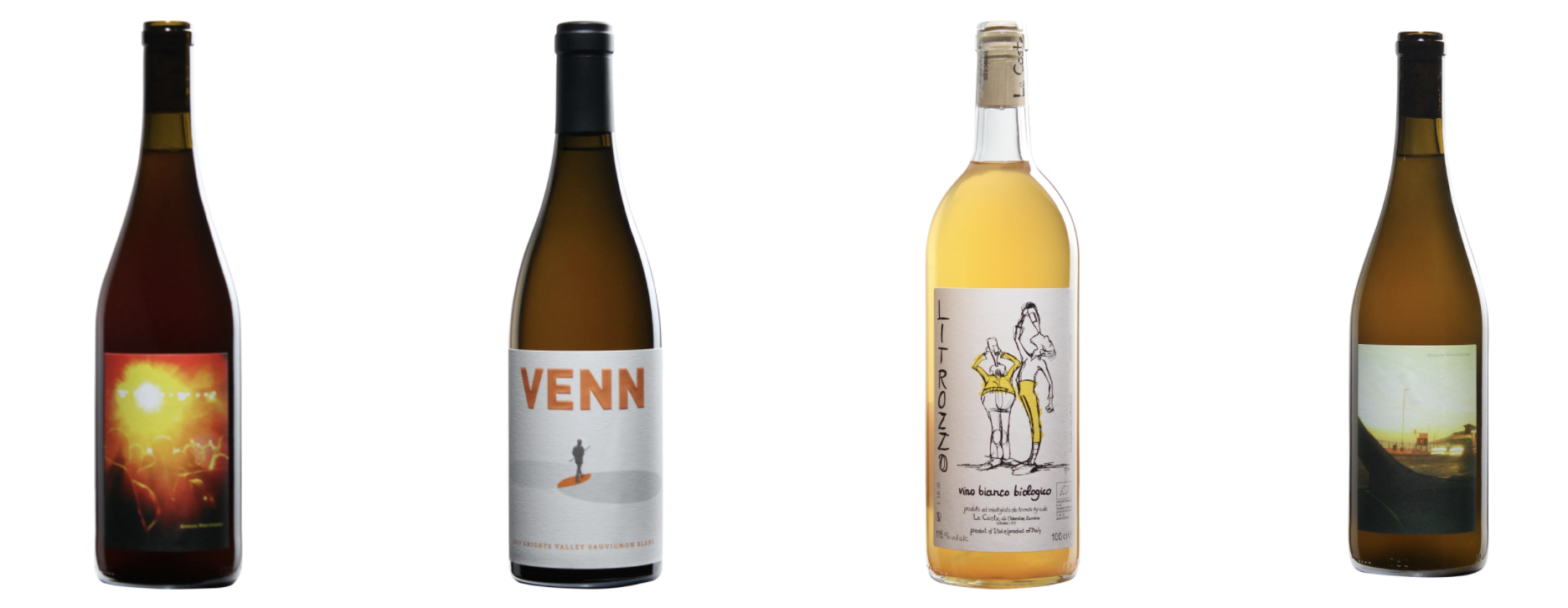
This super crushable orange wine is produced from organic and biodynamically-farmed vineyards in the heart of Italy’s Lazio region. Crafted from a blend of Procanico, Malvasia, Rsocetto, and more, this vibrant bottle jumps with flavors of Meyer lemon, ripe peach, and almond spice. Bottled unfined, unfiltered, and with no added sulfites. We recommend serving with hearty Asian dishes, such as Vietnamese chicken wings or Kimchi Fried Rice.
Field Recordings ‘SKINS’ Orange Wine
Looking for something light and approachable to begin your exploration into the world of orange wine? This skin-contact bottle from Field Recordings has you covered. Produced from sustainably-farmed fruit from California’s Central Coast, this zesty field blend is noted with flavors of apricot, marzipan, and peach Snapple. For an all-day sipper to enjoy by the pool, this bottle is it. Bottled with no additives, minimal sulfur, and with recyclable packaging.
Koehnen Wine Co. Marsanne / Mourvèdre Orange Wine
Love all things funky, fruity, and fresh? This Ramato-like orange wine is for you. Technically produced from co-fermented Marsanne and Mourvèdre, this low-ABV wine (10.5%) is all things blood orange, raspberry, and tart fruits. The wine is crafted from organically-farmed fruit, native yeasts, and is bottled unfined, unfiltered, and with no added sulfites. If you’re seeking out the best of both worlds, this wine’s got your back.
Young Inglewood VENN Skin Contact Sauvignon Blanc
Crafted by mother-son duo Jacky and Scott Young in the heart of Napa Valley, this varietal Sauvignon Blanc is loaded with flavors of lychee, pear skin, white flowers, and mandarin pith. The duo uses sustainably-farmed fruit and native yeasts to craft this small-batch cuvée (only 68 cases were produced!) For Sauvignon Blanc like you’ve never seen it before, spring for a bottle or two of this easy-to-love wine.
Koehnen Wine Co Skin Contact Marsanne Orange Wine
For the counterpart to Koehnen’s co-fermented Marsanne / Mourvèdre, check out this delicious bottle of varietal skin-contact Marsanne. According to winemaker Alisa Koehnen, this bottle errs on the funkier side and is vinified in barrel. Expect flavors of orange blossom, guava, and brine from this textured and tasty wine. Crafted from organically-farmed fruit and bottled unfined, unfiltered, and with no added sulfites.
To browse our full selection of orange wine, click here.
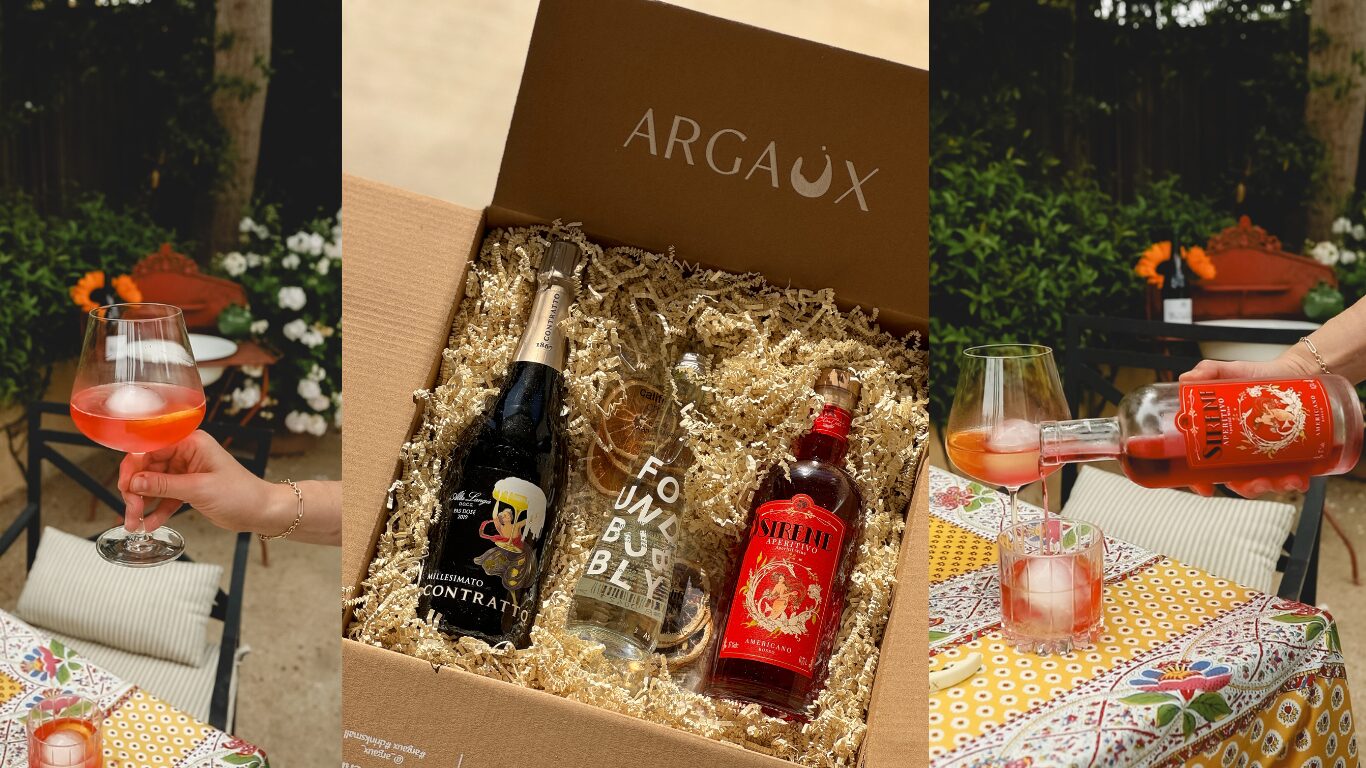
Unveiling Our Limited Edition Summer Spritz Cocktail Kit: History, Ingredients, and Simplest Recipe
Although wine is the name of the game here at Argaux, we believe in shaking things up every so often—especially if it involves cocktail creations. Come summer, nothing quenches our thirst quite like an Italian-inspired spritz.
The History of the Spritz
The spritz has a rich history dating back to the 19th century in the Veneto region of Italy. Originally a simple mix of wine and water, it evolved into the iconic cocktail we know today, characterized by its refreshing blend of bitter liqueur, sparkling wine, and a splash of soda. The spritz became a staple of Italian aperitivo hour—a time to unwind with friends and family over light drinks and snacks before dinner.
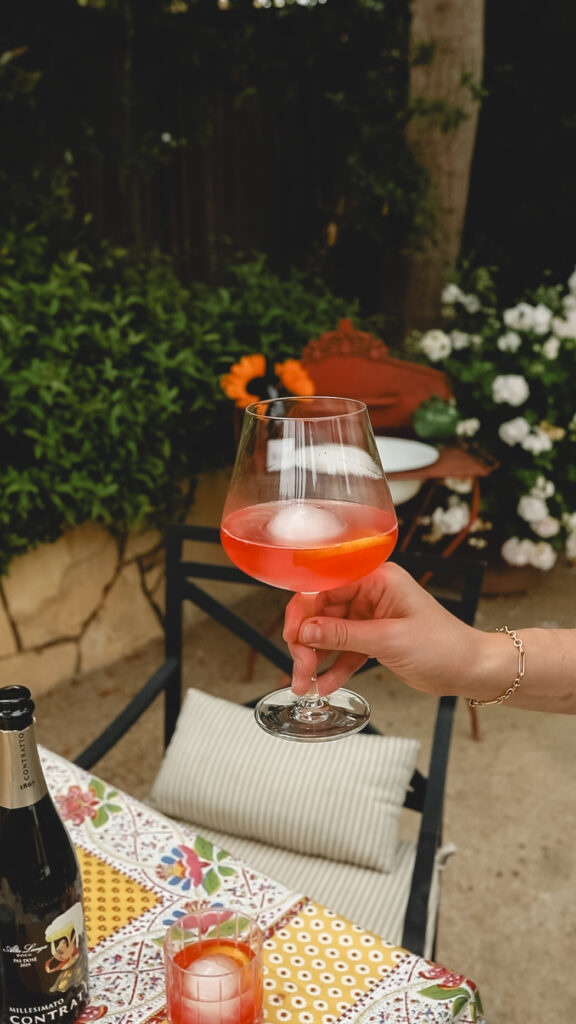

But, We’re Over Aperol
…and the additives that come with it. So, we needed to find an alternative. After searching far and wide, we discovered the delicious Liquore Delle Sirene aperitif wines.
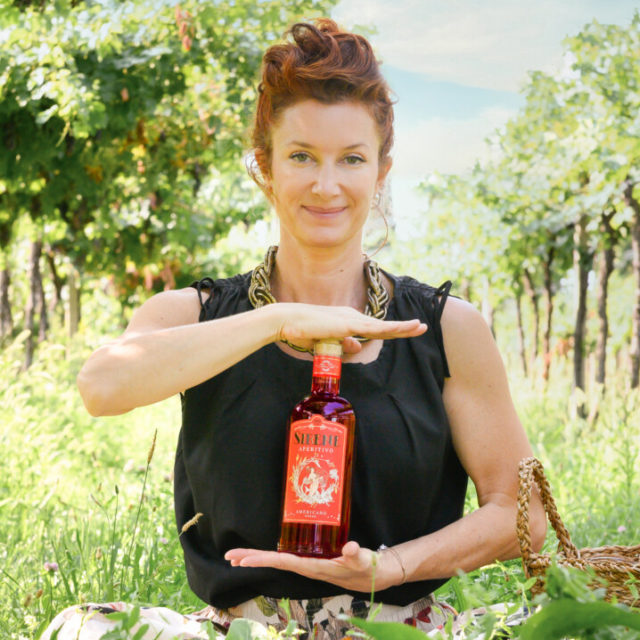
The Liquori delle Sirene are a collection of bitters and liqueurs made by the lovely Elisa Carta, a trained sommelier and olive oil taster, and a passionate herbalist. All of her products were born on Lake Garda, and were inspired by its gardens, colors, sunsets, and aromas. Many of the botanicals come from here. The name Sirene is a tribute to one of the most beautiful bays in the lake, Baia delle Sirene (Bay of the Sirens), and its story. Liquori delle Sirene are the fruit of a long and passionate research, and the reworking of old family recipes for Italian liqueurs and elixirs. No chemicals or artificial coloring are used in any of Elisa’s products.

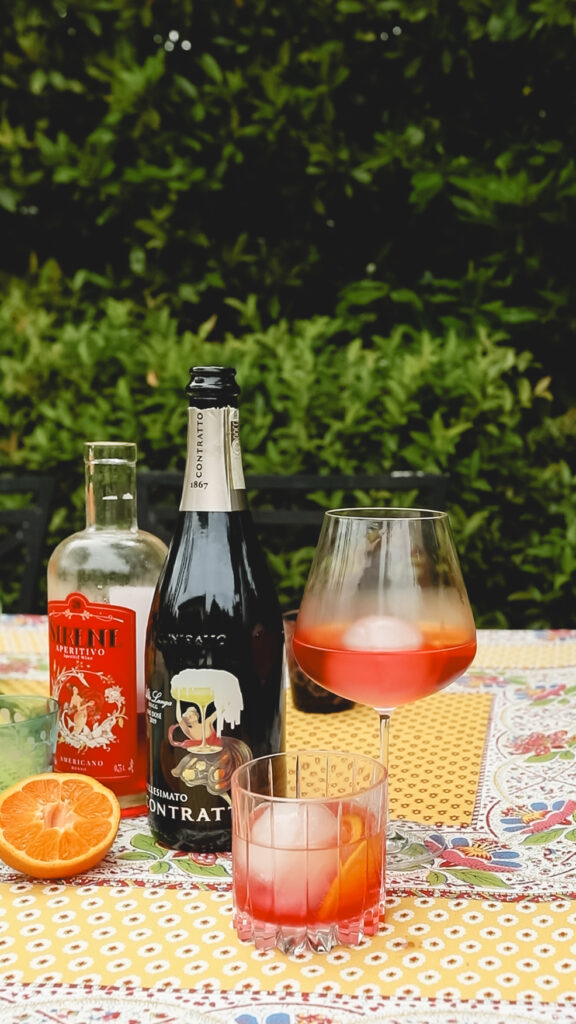
Elisa makes her liqueurs near Lake Garda, using recipes handed down to her that have been in her family for generations. They are artisanal creations made from herbs, flowers, roots and fruit; botanical ingredients that are infused singly in alcohol, then combined to give complex, distinctive aroma and flavor. Most of the botanicals she uses come from around the lake with the exception of some from the Far East that do not grow in Italy but have been traditionally used in Italian liqueurs for centuries, such as Chinese Rhubarb Root. Mount Baldo, on the Verona side of Lake Garda, has been called ‘Hortus Europae,’ the garden of Europe, for its environment and its richness of flora and fauna, and Elisa has made a detailed study of the herbs of this ecosystem. Many of the local botanicals were no longer grown here until just a decade or so ago as much of the population left for big cities and higher wages after the World Wars. A group of young Mount Baldo residents, disenchanted with city life, are staying in the region and have banded together to resurrect the botanical industry that the region was previously famous for. They have replanted fields, are farming organically, hand harvesting, and using proper cutting and drying techniques. The local economy has responded enthusiastically and Elisa is sourcing some of her herbs from them to make her range of bitters and liqueurs.
[Note: At Argaux, we seek out our liqueurs and spirits with the same mentality that we do our wines. Beyond tasting delicious, sustainability is always placed at the forefront of our search, with a strong preference for organic farming and low-intervention production methods.
We’re thrilled to bring back Elisa’s Americano Rosso as the featured aperitivo in our Summer Spritz Kit alongside the 2019 Contratto Metodo Classico Pas Dose Millesimato.
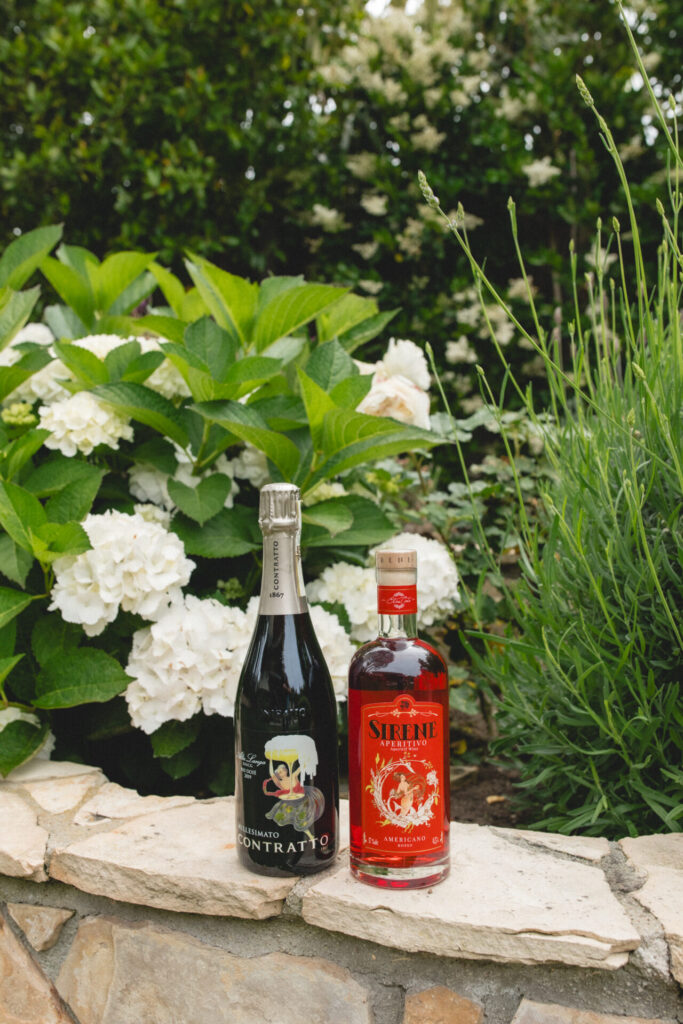
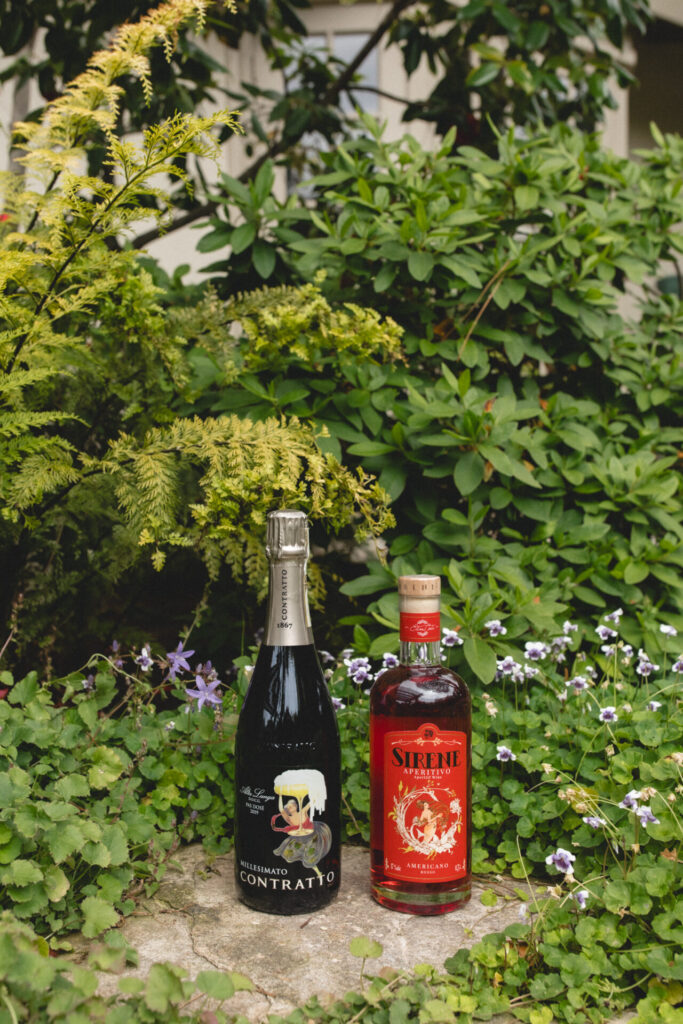
A closer look at the two main ingredients in our Summer Spritz:
Liquore delle Sirene Aperitivo Americano Rosso
A bittersweet aperitivo liqueur made from 23 botanicals, most of them grown near Lake Garda and around the historic city of Verona; others cultivated and shipped from the south of Italy and some, like Chinese rhubarb root, from around the world. Botanicals include olive and lemon tree leaves, linden and acacia flowers, wild rose berries, sweet and bitter orange, absinthe, gentian and ginger. All infusions are done individually, blended according to Elisa’s recipe and then rested for a short time in small oak cask. A light filtration is performed with paper filter to preserve color and aroma. No chemicals or artificial coloring are used.
Sirene Bitter is wildly versatile and works in a wide variety of different cocktails. Some people enjoy using it as you would the traditional red variety: on the rocks with soda as an aperitivo; in a Negroni or Boulevardier; or it can also be enjoyed as you would an amaro, at the end of a meal as a traditional Italian digestivo. Other good pairings include ginger beer, bergamot, or grapefruit soda.
2019 Contratto Metodo Classico Pas Dose Millesimato
You are drinking history when you pop this cork. This 19th century estate is the birthplace of Metodo Classico and these wines have graced the tables of not only the Vatican, but also the House of Savoy (the Italian Royal Family), as well as the British monarchy throughout history. This is dry, refreshing and incredibly food friendly.
Organic farming practices, hand-harvested, native yeast fermentation, 36 months on the lees, hand-riddled, and around 7,000 cases produced annually.
How to Make the Perfect Spritz
At Argaux, we like to keep things easy, which is why we use the 3-2-1 method to make the perfect Spritz at home. Simply add three parts of the Contratto, two parts of the Sirene Rosso, and one part sparkling water into a large wine glass with ice cubes, stir, and garnish with the dehydrate citrus included in your kit. Beyond being easy to remember, we truly believe that this quick and easy method makes the best Spritz possible! Balance between sweet and bitter is key here, and the 3-2-1 ratio ensures a flawless cocktail every time.
Alternative Uses for Liquore delle Sirene
Swap in Liquore delle Sirene for any cocktail creations where you’d normally use Aperol or Campari (or any other Italian bitter aperitivo), splash with some soda water, or simply sip solo on the rocks to truly enjoy the unique flavors of this artisanal aperitif.
STAY TUNED: THE SUMMER SPRITZ KIT LAUNCHES JUNE 20TH
Best Organic Wine
Wine lovers everywhere may choose to drink organic labels for a number of different reasons. Some prefer the unique taste and overall experience offered by an organic farming design. Others want to mind their health, and avoid sulfites in their wine for its potential to cause headaches and other maladies. Still more oenophiles discovered their love of one organic wine accidentally after buying a bottle for its interesting label (it happens!)
Whatever the reason, there are a plethora of delicious, organic wines on the market to suit any palate and preference. Here are some of Argaux’s favorites.
What is organic wine?
Depending on where you are in the world, the definition of “organic” can differ greatly. In countries where farming practices have remained relatively unchanged since their founding, wines which are not certified as organic may technically fall under this category if no chemicals are involved in the growing process.
Most governments define organic farming as the growth of edible (or drinkable) plants where no chemical fertilizers, pesticides, fungicides, or herbicides were used to support the crop. With wine specifically, it is typically considered “organic” if it was made without preservatives, usually sulfites.
This does not mean that organic wine contains no sulfites at all. Sulfites are a naturally occurring phenomenon which is inherent to the process of fermentation. However many countries limit the sulfite level which a wine may contain and still be considered organic. For example, organic wine in the U.S. can contain no more than 10 ppm of sulfites.
Without further ado, let’s get into some of the best organic wines available from Argaux.
Best organic red wine
Conventionally made red wines typically contain the highest level of sulfites. If you are organic-curious, try one of these reds to get started.
- 2016 Ettore Germano Serralunga d’Alba Barolo – $55
This Italian masterpiece defines organic terroir and transports you to the rich soil in which it was grown. The scent of strawberries and clove draw you into your glass, and delight your senses with a rich, dark finish of leather and mushroom. Certified organic, from Piedmont, Italy.
- 2019 Lapierre Vin de France Rouge ‘Raisins Gaulois’ – $20
This fruity, light-hearted red is meant to be shared with friends, and pairs especially well with party-foods including pizza, tacos, and most anything fun and spicy. The Raisins Gaulois is chillable, relatively low in alcohol and perfect for entertaining. Certified organic and biodynamic, from Burgundy, France.
- 2018 Land of Saints Happy Canyon Cabernet Sauvignon – $27
This delightful Cab Sauv is packed with surprising flavors which shine their brightest drunk after a rich meal. The taste is dominated by a variety of berries, everything from strawberry to boysenberry, followed by both sweet and savory botanical notes and finished with rich chocolate. Grown using organic farming practices in the Central Valley of California.
Best organic white wine
Nothing is better on a hot summer day than a glass of chilled, organic white wine. Here are some of the best that Argaux has to offer.
- 2017 Flaneur ‘Cuvee Constantin’ Chardonnay – $40
This decadent Chardonnay might be mistaken for the world’s most refined cider by an unfamiliar palate. Pear and apple combine exquisitely with notes of vanilla, praline and spice for an unusual but delightful experience. Grown using organic farming practices in the Willamette Valley of Oregon.
- 2018 Edaphos Petite Arvine Alder Springs – $45
This delicate white is made in California from a grape originally found in Switzerland. It expresses floral notes of jasmine and chamomile, followed by apricot and apple. It pairs well with a variety of foods including fish, chicken, and potato dishes. Grown using organic farming practices in Mendocino County.
Best organic rosé wine
Your summer go-to alternative to a Sauvignon Blanc should always be a Rosé. Here are some of our favorites.
- 2020 San Salvatore ‘Vetere’ Paestum Rosé – $30
This romantic Rosé offers a sensual experience, perfect for daytime lounging in an ancient villa. Notes of citrus, pomegranate, cherry and rose will transport the drinker to wilder times when gods and buffalo roamed the landscape. Grown using organic and biodynamic farming practices in Campania, Italy.
- NV Domaine de la Taille Aux Loups Triple Zéro Rosé Pet Nat – $38
The first sparkling wine on our list, this effervescent Rosé tickles the palate with notes of strawberry and raspberry in a way that belies the 100 year old pedigree of its originating grapes. Certified organic, from Loire Valley, France.
- 2019 Château de Calavon Provence Rosé – $25
This versatile rosé delights the nose with lavender, herbs, watermelon and peach. The tongue will be equally pleased, experiencing notes of citrus, melon, and stone fruit. Pairs with everything from burgers to sushi. Grown using organic farming practices in Provence, France.
Best organic cheap wines
Here are some delightful, organic wines for those oenophiles operating on a tight budget.
- 2020 Par Fore the Course New Zealand Sauvignon Blanc – $17
This Sauvignon Blanc is balmy, outdoor summer in a bottle. Its oeuvre of tropical fruits, green grass and herbs keeps you refreshed and energetic on hot days and pairs excellently with vegetable dishes, chicken, seafood, and hitting a birdie. Grown using organic farming practices in Marlborough, New Zealand.
- 2020 La Bernarde ‘Les Hauts Du Luc’ Côtes de Provence Rosé – $19
This affordable Rosé tells you a little bit about itself with a strawberry and citrus aroma. You will find these flavors on the palate as well, now complemented with nectarine and lavender. Enjoy this Rosé with feta and prosciutto on a sunny afternoon. Certified organic, from Provence, France.
Final thoughts: best organic wine
Organic wines give you a unique glimpse into their terroir and fermentation with vibrant flavors and exquisite aromas. And best of all, you can enjoy them at any price point! Argaux offers a wide selection of hand-picked organic wines that promise an exquisite experience with every sip.
To learn more about the world of organic and natural wines, visit our other article: Organic Wine, Natural Wine, and Sulfites: a Complete Guide.
You might also enjoy:
Organic Wine, Natural Wine, and Sulfites: a Complete Guide
“Organic,” “natural,” “biodynamic,” and “sulfite-free” are some of the buzzwords being thrown around the wine industry today. Marketing terms that make promises such as these conjure up very specific images in the mind of the buyer, who likely imagines idyllic, countryside vineyards and 15th-century fermentation barrels. For some, these words mean better wine. To others, they might seem pretentious.
But far from being just trendy descriptors thrown onto high-end labels to accompany their lofty price tags, these adjectives hold the key to important information about how this particular wine was grown, processed, and fermented — at a multitude of price points.
But what do words like “organic,” “natural,” “biodynamic,” and “sulfite-free” actually mean? What does it mean for the wine? Let’s find out.
What is organic wine?
The exact definition of “organic” gets a little fuzzy because it is usually up to the country in which the wine is being made. There isn’t exactly a universal standard for what constitutes an “organic farming practice,” but there are guidelines in place which have similar results.
First, the grapes used to make organic wine should be untreated with artificial fertilizers, pesticides, fungicides, and herbicides throughout the growing process.
Second, no sulfites should be added to the wine during the fermentation process. This is the most important factor in determining what is organic wine and what isn’t, although the allowable level of sulfites varies across different governments. The USDA certifies organic wine which has been grown using organic principles, and contains less than 10 ppm of sulfites.
Organic wines will often have a bolder, sweeter and more varied taste from bottle to bottle. You can also expect a little bit of funk as the lack of sulfites allows the wine to age more rapidly. Here are some of our favorite organic wines from the Argaux collection.
- 2018 Massimago MariaBella Valpolicella Ripasso – $30
A berry-and-balsamic-forward red blend from a certified organic, woman-owned winemaker in Veneto, Italy.
- 2018 Domaine de la Cote ‘La Cote’ Pinot Noir – $125
A rich Pinot made using organic farming principles and indigenous yeast cultures on the Central Coast of California.
- 2019 Land of Saints Santa Barbara County Chardonnay – $23
A balanced and sunny Chardonnay made with organic viticulture practices on the Central Coast of California.
What is natural wine?
Natural wine may be thought of as organic wine without the certification. Also known as “low intervention” wine, natural wines contain no additives, and are farmed in accordance with principles that have been around since humans first began tilling the land and planting seeds.
Many conventional labels contain things like lab-grown yeast, sugars, acids, and other supplemental ingredients which hasten or encourage the fermentation process. Natural wines, on the other hand, are made with grape juice, the naturally-occurring yeast on the surface of the fruit, time, and nothing else.
By contrast, organic wines may contain additives such as added yeast or sugar but can maintain their certification as long as those ingredients come from an organic source.
Natural wines have an undeniable funk to natural wines that comes from the wild yeasts being the main proponent of fermentation. They will also be slightly cloudy in appearance and might leave a bit of grit at the bottom of your glass — but this just means that every sip is going to be an adventure. Here are some of the best natural wines that Argaux has to offer.
- 2020 Le Coste Litrozzo Bianco Orange Wine – $28
A spicy, citrusy skin-contact white wine made with biodynamic farming practices and native yeasts in Lazio, Italy.
- 2015 Podere Erica ‘Il Picchio’ Toscano Rosso – $60
A ‘Riserva’ Rosso made with organic and biodynamic viticulture practices in Tuscany, Italy.
- 2017 Ottomani DOCG Chianti Classico – $32
A fruity, smoky Chianti made with biodynamic farming and viticulture practices in Tuscany, Italy.
What is sulfite-free wine?
To be frank, truly sulfite-free wine is a myth. Sulfites, as we mentioned earlier, are an inevitable by-product of fermentation and help to keep the wine fresh and unspoiled as it ages. It is however possible to find wine which is so low in sulfites that they are an insignificant aspect of its makeup, such as in many organic labels.
Conventional wineries typically add sulfites to their wines as an artificial preservative, which gives them a much longer shelf-life and greater chemical stability. This means that most conventional wines have a relatively high concentration of sulfites, and this is typically when sensitive drinkers will experience the dreaded sulfite-headache. Of course you can avoid high sulfite levels by buying natural or certified-organic wines, instead.
One of the reasons conventional winemakers use sulfites is to achieve a consistent flavor with each fermentation. But this can also dull the taste and dampen some of the nuances which make wine so delightful to imbibe. Like we said, you’ll be hard pressed to find a wine which is truly sulfite-free, but wines with no added sulfites will be more willing to show you their deep and subtle undertones. Here is a selection of excellent additive-free wines from Argaux.
- 2017 Young Inglewood VENN Skin Contact Sauvignon Blanc – $35
A truly dynamic orange wine made with sustainable farming practices in Napa Valley, California.
- NV Champagne Delavenne Père & Fils Brut Tradition Grand Cru Champagne – $50
A baked-good Brut made naturally in Champagne, France.
- 2007 Chateau Musar Blanc Bekaa Valley, Lebanon – $45
A spicy, floral white blend made naturally in Bekaa Valley, Lebanon.
What is biodynamic wine?
The concept of biodynamic farming takes natural agriculture one step further. Rather than planting a monocrop of grapes, which natural farming still does, it seeks to create an ecosystem for the crop that replicates as closely as possible how grapes might grow in the wild.
In nature, there are built-in checks and balances which allow plants to grow and thrive without being completely overwhelmed by weeds, pests, or fungi. And this informs how biodynamic wine is made. Grapes are integrated with other crops and often small numbers of livestock and other wild animals who, through their daily acts of living, will help to fertilize the plants and keep them in check so that one crop doesn’t take over the other.
The soil fertility is also a critical aspect of biodynamic farming. Chemical pesticides and others are avoided at all costs in order to support a rich and healthy microbiome which will help to feed the grapes.
Biodynamic farming is not a new concept, although there are still relatively few winemakers on the planet who follow these principles. And we’re not kidding when we say you can taste the soil in which the grape was grown. The plant’s proximity to wildness lends biodynamic wines an utterly unique and otherworldly depth of flavor. Here are some of the exquisite biodynamic wines we carry at Argaux.
- 2012 Chene Bleu Abélard Ventoux AOC Southern Rhone Blend – $100
A spicy, herbaceous red blend made with organic and biodynamic farming practices in the Rhone Valley, France.
- 2018 Moreau-Naudet Chablis 1er Cru ‘Vaillons’ – $72
A unique Chablis made on used French Oak wood using biodynamic farming practices in Burgundy, France.
- 2019 Poco a Poco Russian River Valley Pinot Noir – $22
An earthy Pinot Noir made with biodynamic farming practices in Napa Valley, California.
Final thoughts: organic, natural, and biodynamic wines.
The unique and utterly perceivable terroir of unconventional wines makes them worth a taste. And buying wines from these dedicated masters of viticulture allows you to support the people who make the wine you love to sip.
Should You Chill Red Wine?
[vc_row][vc_column][vc_column_text]We love popping crisp whites and refreshing rosés during the summer— however, there’s something undeniably satisfying about quenching one’s thirst with a bottle of chilled red wine. These crunchy, easy-drinking bottles are perfect for sipping all season long, whether enjoying with BBQ favorites or sipping by late-night bonfires. Below you’ll learn if you can and should chill red wine, as well as which red wines are best served chilled.
Can you chill red wine?
Not sure what we mean by chillable reds? Don’t worry, it’s pretty simple. We find that red wines best served with a chill are generally high in acid, low in tannins, and show ample fruit forwardness. Grapes like Gamay, Pinot Noir, and Cabernet Franc are some of the more obvious go-tos, though Trousseau, Graciano, and other varieties tend to hit the spot, too.
Do you chill red wine before serving or opening?
Note: Most red wines will benefit from being served around 65 degrees, which tends to be slightly colder than room temperature. However, when we say chillable reds in this context, we’re talking even cooler—think, a few degrees above where you’d serve your favorite whites and rosés. These are reds that you can chill in the fridge before drinking.
What else to look for when chilling red wine
Another thing to look for is carbonic maceration. This vinification technique involves letting grapes’ fermentation begin within the berries themselves, which keeps fruit forwardness high and tannin levels low. While most commonly associated with the red wines of Beaujolais, many producers worldwide are experimenting with the technique on other varieties.
Red wines you can chill before drinking
Chillable reds have become some of our favorite wines to drink, especially during warmer weather months. We’ve rounded up seven of our top picks that promise to have you covered all season long. Check ‘em out, here!
2019 Notary Public ‘Curtis Vineyard’ Carbonic Cabernet Franc
Nothing screams chillable red like carbonic Cabernet Franc. This bright and juicy wine oozes with flavors of red fruits and fresh herbs, and is marked by a peppery bite. Perfect for sipping with burgers and grilled veggies! The wine is crafted from sustainably-farmed fruit and is not fined or filtered. Only 70 cases were produced.
Hailing from California’s Central Coast, this varietal Graciano has quickly become one of our go-to bottles to pop year round. Notes of crunchy red berries, fresh lavender, and sage lead to a leather-tinged finish. Sip with homemade pizza in all of its many forms—what’ll it be, red or white?
2018 Domaine de La Bonne Tonne Morgon ‘Grands-Cras’
We couldn’t have a chillable red roundup without including one of our favorite Gamays from Beaujolais. Produced in the cru of Morgon, this fresh and vibrant wine from Domaine de la Bonne Tonne oozes with notes of cranberry, bing cherries, and violets. Crafted from organic / biodynamic fruit. Only 625 cases were produced.
2019 Arnot Roberts North Coast Trousseau
Arnot-Roberts is seriously shaking up the North Coast’s winemaking game and has since garnered a pretty big following (hence why we only get a small allocation every year!) Crafted from 100% whole cluster Trousseau, this high-toned beauty jumps with notes of cherries, blood orange, mint, dried rose petals, and sweet spice. Think of it like Jura meets California in the best possible way.
2019 Storm Single Vineyard Presqu’ile Gamay
Who says that chillable reds can’t be a little rustic? This hearty Gamay from Presqu’ile jumps with flavors of raspberry, dried cherries, and a touch of baking spice. The wine’s firm structure makes it ideal for popping with grilled red meats, hanger steak, and black bean burgers (chilled, of course). Fun fact: the wine’s label was painted by Ernst Storm’s six-year-old daughter, Elsa!
2019 Stolpman Love You Bunches Carbonic Sangiovese
Carbonic Sangiovese? You bet. The Stolpmans have long been pioneering growing areas within Santa Barbara, and this thirst-quenching carbonic Sangiovese may just be one of our favorite of their ventures yet. Light-bodied and vibrant, this wine’s poppy flavors of cherry, grapefruit rind, and cranberry make it almost too easy to drink. Get ready to experience this grape like never before!
2019 Domaine Rougeot Bourgogne Passetoutgrain ‘Les Verchèrres’ Sans Sulfite Ajouté
Gamay or Pinot Noir, why choose? With Passetoutgrain, you get the best of both worlds. This unique Burgundian appellation signifies that both grapes are included in the blend, and Domaine Rougeot’s sans soufre Les Verchèrres is one of the best in the game. Crafted from a 70/30 blend of Gamay and Pinot Noir, fruit for this wine is harvested together and co-fermented. The result is a medium-bodied red with great texture and undeniable balance. Lively notes of cranberry, potpourri, and damp earth lead to a velvety, palate-coating finish. Pop with herb-roasted chicken or cheese and charcuterie boards all summer long![/vc_column_text][/vc_column][/vc_row][vc_row][vc_column][vc_empty_space][/vc_column][/vc_row][vc_row][vc_column]
[/vc_column][/vc_row]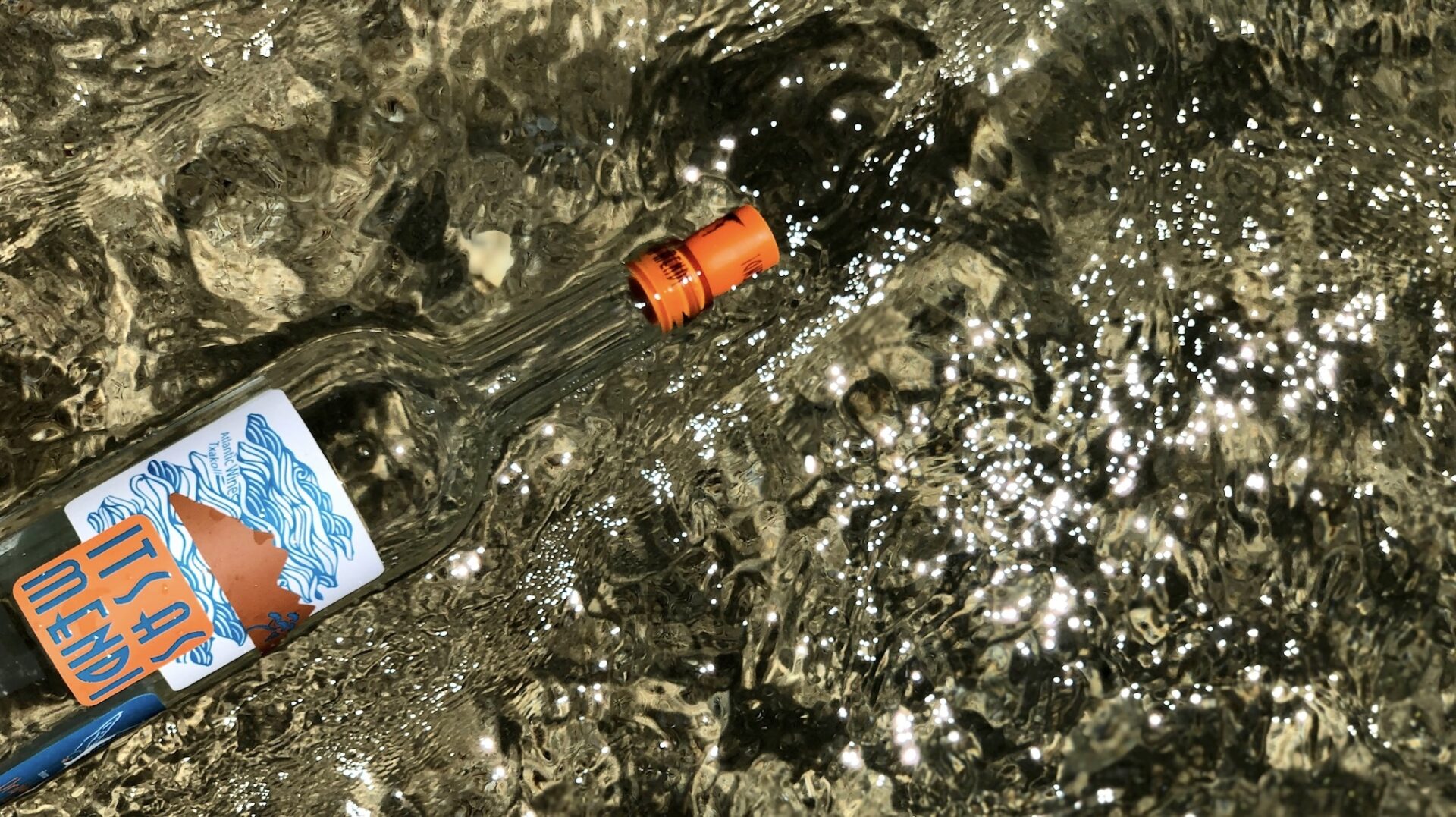
6 Wines to Carry You Through Every Summer Sipping Sesh
Refreshing wines and warm weather go hand in hand, though finding high-quality, affordable sippers can at times be a challenge. Come summer, most of us simply want to sit back, relax, and enjoy what’s in our glass, without having to put too much thought behind getting from point A to point B. Sound like you? We’ve got your back.
Introducing or Seasonal Sips: Summer Edition, a curated six pack of wines featuring our top go-to bottles for summer sipping. Whether hanging by the pool, heading to the beach, or loading up the boat for a day in the sun, this hand-picked selection of wines promises to carry you through the entire summer season. Can’t wait to see what’s inside? Check out the details behind our collection (and where we think you’ll best enjoy them), here.
Hanging by the Pool – 2019 Domaine Font Mars Picpoul de Pinet
Never heard of Picpoul before? If you love Sauvignon Blanc, Albariño, or other high-acid white wines, this bottle is guaranteed to satisfy your thirst. Native to the south of France, this tangy variety is known for producing lip-puckering wines loaded with flavors of lemon lime, fresh herbs, and crushed oyster shells. Zingy acid leads to a thirst-quenching, salt-laced finish. Pop by the pool, no snacks required—though if oysters are on the table, this wine promises a match made in heaven. Heading to the Beach – 2019 Bodegas Itsasmendi Txakoli
Beach days scream for something dry and crisp, which is why we always grab a bottle of Bodegas Itsasmendi Txakoli before heading beneath the sun. Don’t let the name (or its pronunciation) scare you away! This Txakoli (cha-koh-lee) comes from Spain’s Basque country and is produced from the Hondarribi Zuri grape. Herbaceous notes of lemon, lime, white flowers, and orange blossom lead to a salty, mouthwatering finish. Pair with fresh salads, fish tacos, or chips and guac all day long. Days Spent on the Boat – 2019 Calavon Provence Rose
[Read More: Best Wine for Mexican Food]
There’s a reason why Provence’s long-standing reputation for delicious rosé still rings true to this day—it truly is one of the best regions out there for tasty, thirst-quenching pinks. Crafted from a blend of Cinsault, Carignan, and Grenache, this light-bodied, easy-to-sip wine oozes with flavors of white peach, grapefruit, fresh cut melon, and Meyer lemon. Plus, the grapes used for this wine are farmed using organic practices, which makes the deal even better. Sip with grilled shrimp, fresh fish, or a variety of French cheeses. Summer Barbecue Sipping – 2019 Cherche Midi Rouge
Summer sipping often leads us down the white and rosé paths, but what about all of the delicious barbecue treats that scream for something a bit more savory? Insert Cherche Midi’s versatile red blend. Produced mostly from Syrah and Grenache, this medium-bodied wine jumps with flavors of dried raspberries, juicy blackberries, rosemary, black pepper, and smoked meats. Pair with all of your favorite grilled meats and veggies, and best of all, no corkscrew necessary (which means this bottle is also great for on-the-go sipping at parks, picnic hangs, and beyond). By the Late-Night Bonfire – 2019 Piazza Carbonic Graciano
Summer nights and chillable reds always promise a good time, especially when a late night campfire is involved. Produced from 100% Graciano, this organically-farmed wine is loaded with poppy flavors of crunchy red fruits, pomegranate, and bing cherry. Refreshing undertones of warm spice and cherry cola lead to a lingering, long-lasting finish. Pair with late-night pizza, Doritos, or really any summer snacks that find their way to the fire pit. For Summer Spritzes – NV Sorelle Bronca Particella 232 Prosecco di Valdobbiadene Brut Nature
[Read More: Should You Chill Red Wine]
What’s a summer season with copious amounts of Spritzes? We’re firm believers that wine used in cocktails should still be held to a certain level of quality, and this organically-grown Prosecco is the answer to our prayers. Produced from a woman-owned winery in the heart of Veneto’s Valdobbiadene zone, this light, mineral-driven wine is perfect for splashing into your hefty pour of Aperol. On its own, the wine shows flavors of white flowers, wild herbs, and stone fruit, which mesh beautifully with the sweet-bitter notes found in everyone’s favorite orange sipper. Pro tip: Keep a bottle of this on your bar at all times—whether impromptu celebrations, Spritzes, or a simple craving for bubbles calls, this wine will always have your back.
Wine Tasting at Home Ideas
Bordeaux, Napa Valley, Tuscany, La Rioja, your living room. What do all of these places have in common? As you may have already guessed, they are all excellent and ideal locations for experiencing some of the most spectacular varieties of wine which the world has to offer.
Wine tasting is often thought of as something which requires guidance from expert sommeliers, accompanied by the sights and smells from the land in which the grapes were grown. And of course, a wine tasting adventure does lend a certain special something to whatever you choose to sip. But you can learn how to appreciate and identify good wine just as easily from the comfort of your own home. This article will help get you started.
What is wine tasting?
Wine tasting means drinking wine — carefully and thoughtfully, with special attention paid to the individual notes that come together in both the flavor and aroma to construct the overall profile and palate of each individual bottle. We’re all familiar with the often elusive descriptions of different varietals which describe notes as familiar as cherry, chocolate, and cinnamon, or as out-there as mowed grass, diesel, and even gunpowder.
The aim of wine tasting is both to educate oneself on the flavorful possibilities provided by viticulture, as well as to better appreciate the unique properties of each wine which make imbibing this nectar of the gods into a true experience. Plus, it’s fun!
How to taste wine at home
Here is a brief guide that will help you taste wine the right way, even without instruction from a master.
- Arrange as many clean glasses as there are bottles of wine against a white tablecloth. Pour your wine, and make sure you remember which glass came from what bottle.
- Begin by observing your wine against the white of the tablecloth — or any available white background. Note depth of color, clarity, and viscosity.
- Next, swirl your glass and take in the wine’s aroma. Take notes, and be as specific as you can when identifying elements of the overall smell.
- Now it’s time to taste. Take a sip, and swish the wine like mouthwash. This will help to coat your palate and give you the best chance of identifying everything this wine has to offer. Again, take notes and be as specific as you can. Try to understand how the flavor matches or differentiates from the aroma.
- If you like, you can read about the flavor notes on the wine label and see if you can pick those out yourself. If tasting with friends, discuss what you noticed.
- Have fun! Above all, wine tasting should be an enjoyable experience.
Wine tasting at home ideas
Centering your tasting around a theme can help you better understand how to distinguish between things like year, grape, and region. Here are a few ideas to get you started.
- Local wines. Include a variety of wines which are grown in proximity to where you live, or wherever your tasting event is being held. Take note of microclimate, terroir, and other regional factors before you begin your tasting. See if you can taste any notes which are wholly unique to your area.
- Horizontal wines. Expand your knowledge of why place matters even further by tasting a single varietal and year, but selected from different farms and producers. For example, have only 2015 Pinot Noir at your table, but source each bottle from a different region or farm.
- Vertical wines. To understand how the events of each year affect the ultimate taste of a wine, taste a single varietal from one region or producer, but include a number of different years. Look at how the producer describes the flavor, and see if you can taste the subtle changes between a Napa Chenin Blanc from 2004, 2005, 2006, etc.
- Basics. If you need to work on your viticultural ABCs, try tasting a selection of the most common and readily available wines. For reds, include a Pinot, a Merlot, a Cabernet, and a Syrah. For whites, a Chardonnay, a Pinot Grigio, a Sauvignon Blanc, and a Riesling. Include a number of each if you want to get really good at telling each grape apart.
- Celebrity labels. For a fun and carefree experience, gather a few bottles produced by celebrity winemakers. This can be a great way to observe the Oscars, the Met Gala, a streaming premier, or other star-packed event. A few A-List celebs with their own labels include Angelina Jolie, Jay-Z, and Francis Ford Coppola.
- Organic, natural and biodynamic. To get a feel for how the growing process itself affects the aroma and flavor of your favorite wines, try selecting your tasting varietals from farmers using unconventional practices in their vineyards. For a selection of amazing wines from Argaux, visit our other article: Organic Wine, Natural Wine, and Sulfites.
- Blind. The best way to learn about wine is to taste it, without any preconceived notions of how it should taste. Whatever wines you include in your tasting, obscuring the labels with wrapping, bagging, or removal will help you experience the wine with both a clean palate and clear expectations. Get started with your next blind tasting adventure with one of Argaux’s Blind Tasting Kits, and begin your sommelier journey.
What Your Dad Really Wants for Father’s Day
Shopping for relatives is never easy, and dads may just be the trickiest of them all. Although we don’t know your dad personally, we can basically guarantee that he doesn’t need another tie… so what’s a gift-giving child or partner to do? We’ve said it before and we’ve said it again. Wine is the gift that keeps on giving—so let us take care of it for you! Here are a variety of Father’s Day ideas for Dad according to his hobby or interest, including great wine gifts – and beyond.
Father’s Day Gifts for Every Interest
The Avid Golfer

For the dad that loves to golf, we’ve got our Argaux-branded white Nike Victory Polo made with sweat-wicking power to help him stay cool and dry all afternoon long. Pair with a matching Imperial Wrightson Golf Cap made from performance poly fiber with a sophisticated woven rope detail along the front panel.
To step your Father’s Day golf gift up another notch, include a refreshing bottle of crisp wine, perfect for those hot days on the course. Try introducing Dad to something different, such as a nice bottle of Chablis or another White Burgundy wine to share with his golf buddies.
The Aspiring Chef
For the dad that loves to cook, we can’t recommend our Taste of France Wine Gift Box enough. Featuring either 1 or 2 bottles of red and mixed French wines, this set also includes a 3-piece cheese set in ivory and a jar of delicious Pommery Meaux Mustard from a small town just east of Paris.
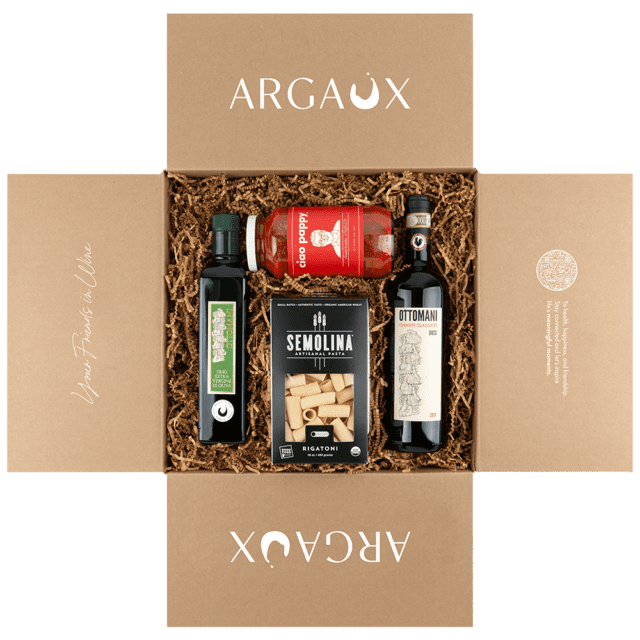
If Italian fare is more his style, you can’t go wrong with the Taste of Italy Gift Box. This all-encompassing wine gift includes either 1-2 bottles of Italian reds, and all the necessary parts for a classic Italian dinner: a bottle of organic Tuscan Olive Oil, a box of artisanal organic Semolina Pasta, and a jar of Ciao Pappy Marinara Sauce to top it all off.
The Wine Connoisseur
For the dad that already loves wine—or the son / daughter who knows that he will— build your own customized gift, as either a 2-bottle or 3-bottle wine gift box. Choose your desired quantity and style of bottles and let our experienced sommeliers select the best matches from our ever-rotating selection of small production, family-owned, and sustainably-farmed wines.
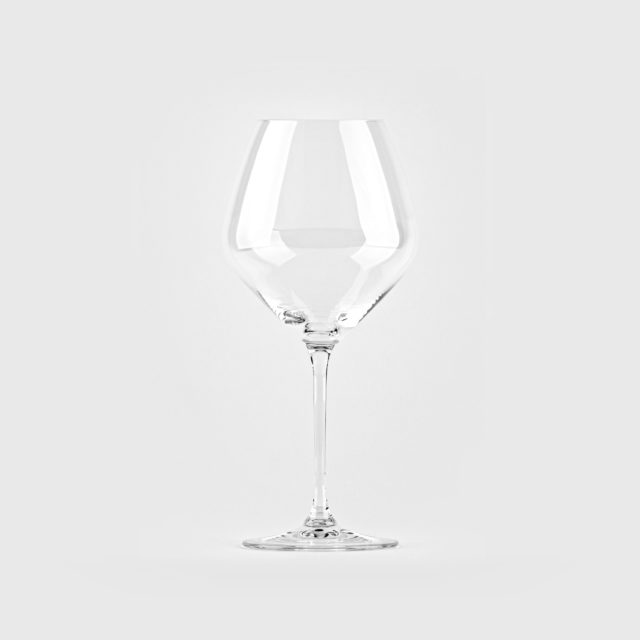
To make an already thoughtful gift extra special, pair the wine with a 2-pack of these gorgeous Reidel Chardonnay Wine Glasses to sip it from.
The Curious Explorer

For the adventurous dad who is always looking for new experiences, help his explore the world of wine in a new and interesting way with our Blind Wine Tasting Kit. This unique at-home wine tasting kit includes 2-4 bottle of red or mixed wines, a tasting grid, and a how-to tasting guide for Dad to get the full “blind” tasting experience that he’ll not soon forget.
How to Decide
Not sure where to start? Consult your Pocket Somm by calling or texting 949-284-4917. We’d be thrilled to help you navigate our selections and curate the best picks possible with your dad’s personal preferences in mind.
From Team Argaux to you, we wish all the dads in your family a happy, healthy, and wine-filled Father’s Day!

A Weekend in Big Sur
We’ve been dreaming of iconic stretches along the Amalfi Coast, Maui, and the French Alps. But you don’t have to go too far here in California for one of the most beautiful drives along the Pacific Ocean. You guessed it! PCH → Big Sur!
For Californians, this vacation requires no plane, no passport, and not much else in your suitcase other than a swimsuit and hiking shoes. You may want to bring a sweater to dress up your forest fairy vibe for dinner on the patio at Sierra Mar, and you should probably pack 6 of your favorite white, red, and rose to keep the glow on an even keel.
Are you in? Check out our guide for a weekend in Big Sur below.
Travel
We highly recommend taking the scenic route. Taking Pacific Coast Highway or ‘the 1’ from Orange County to Big Sur takes about 6 hours, but boy is it worth it! Turn on some Frank Sinatra, roll the windows down (because you’ll be driving slow and steady anyways), and snap some photos! For about 75% of the drive there’s nothing between you and the ocean. The views are so breathtaking that you completely forget about time.
Stay
Hotels and campgrounds are limited and book up fast, especially in the Summer season. We highly recommend booking ahead by a few months or so if possible.
Hotels
Post Ranch Inn
High atop the cliffs of Big Sur, 1200 feet above the Pacific Ocean, sits Post Ranch Inn, a sanctuary for the soul. Ideal for romance, relaxation or rejuvenation, this Big Sur resort is the ultimate destination for a luxurious escape. The natural architecture embraces the coast’s dramatic beauty and the 40 rooms and private homes blend rustic elegance, comfort and privacy with panoramic ocean or mountain views. Guests can relax by the pools and take in the splendid views; rejuvenate with an in-room massage, spa treatment or yoga class; or explore all that nature has to offer. Picturesque Monterey and Carmel are a short drive away.
Due to Covid, they offer in-room dining and deliver fresh wood-fire pizzas or a whole chicken in a Dutch oven to your room. Yum!
“Tommy and I went to Big Sur for our Honeymoon in October as our Plan B since we got married in the middle of Covid. I have to say this should have been our Plan A! Big Sur in the Fall is perfect if the summer doesn’t work out. We hiked some of the trails that the staff at Post Ranch Inn suggested and got a tip to go to Big Sur River Inn for a post hike drink. You can order a cocktail and then enjoy it while lounging in their adirondack chairs that are sitting IN the river. Take your hiking shoes and socks off, and soak those feet in the water.”
Camping
Ventana Campground *or the Glamping Sites @ Ventana Inn
Located approximately 65 miles north of San Simeon and 30 miles south of Carmel, Ventana is an amazing 40 acre redwood canyon. All of the traditional sites follow the existing contour of the canyon and Post Creek without disturbing its natural beauty. Each campsite has a picnic table and fire ring with water faucets a short walk away. They are centrally located near general stores, restaurants, cafes, gift shops, delis, taverns, and the post office in the Big Sur community. Ventana is a tent-only campground.
It’s the perfect spot to checkout, kickback, relax and sip on some of those special bottles you’ve been holding onto.
Eat
The Wine Spectator Grand-Award winning Sierra Mar restaurant at the Post Ranch Inn offers exquisite dining with a menu that changes daily, complimentary daily breakfast and a spectacular setting with endless ocean views.
“I truly had one of my top 5 meals at Sierra Mar. Half of the experience is definitely the views. We got a table the first time we went inside, right in the corner with panoramic views of the ocean below. The whole restaurant has floor to ceiling windows and there really isn’t a bad seat in the house. When we went back for our Honeymoon we sat on the patio and that was beautiful as well, but I would suggest getting an early reservation because the experience is 10x better when it’s light outside.”
Breathtaking views with an incredible wine list that is also surprisingly affordable. Nepenthe is the best. They have a fun store below where you can shop local jewelry designers. There is one designer that makes these unique jade earrings, a fun Big Sur keepsake. You can look around while waiting for a table because it can be a bit of a wait (they don’t take reservations). Try to snag one of the bar style seats looking out towards the water. Their menu is the best for your post hike lunch with a chicken sandwich and to the point cheeseburger. They also have this goat cheese plate with crackers and roasted garlic that’s a good starter to get you going!
Excellent breakfast spot! Their Eggs Benedict, homemade granola, smoked salmon bagels and huevos rancheros have earned them the “Best Place for Breakfast” award in Monterey County!
Sea Harvest Fish Market
Camping? Grab some fresh oysters and salmon to cook at your campsite!
Your Go-To Guide for Engagement & Wedding Gifting
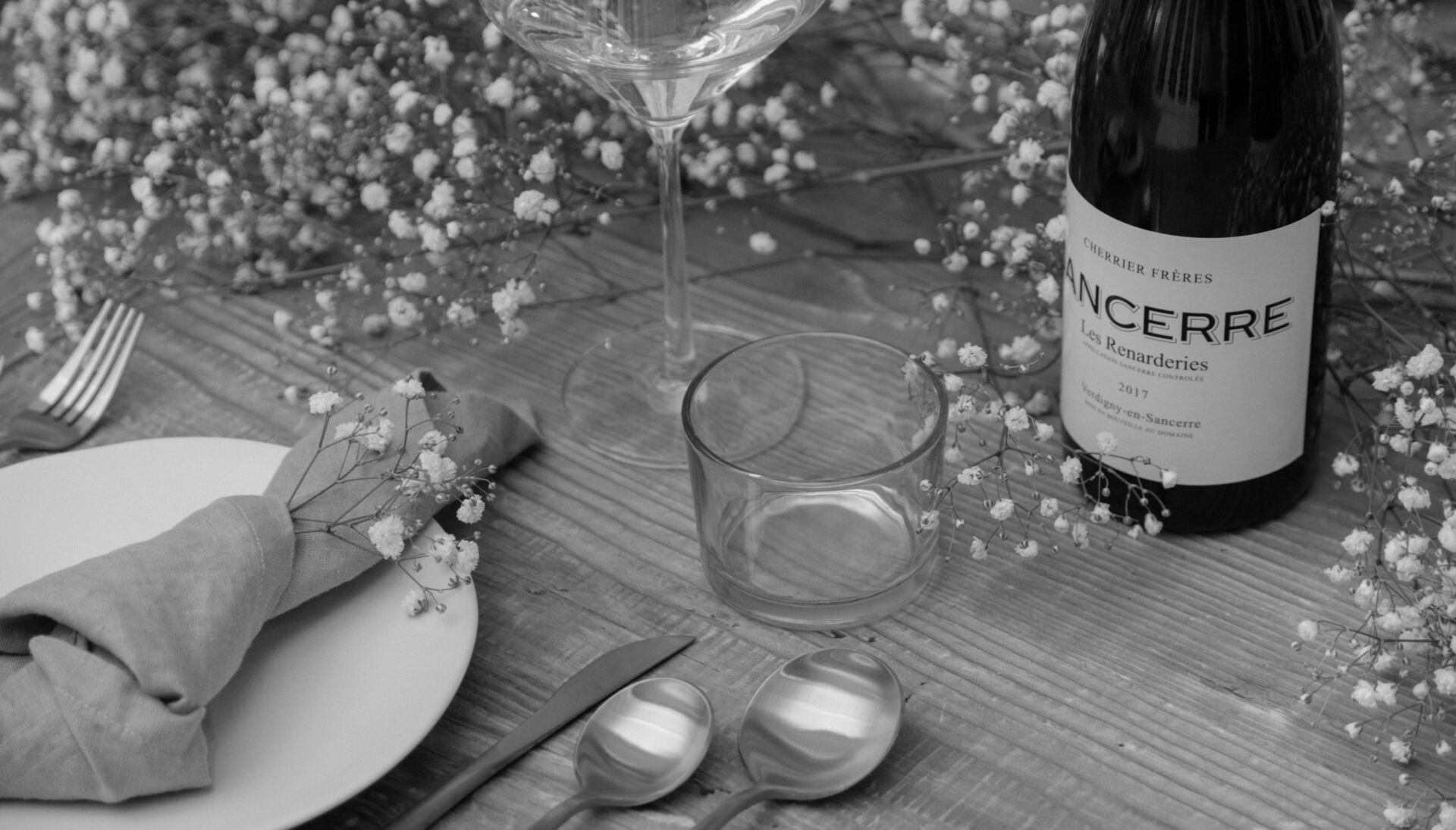
Spring has officially sprung, which can only mean one thing –– wedding / engagement season is upon us. As much as we love the ongoing partying, finding that perfect gift for each person’s special day can definitely get stressful. Though what if we told you that we have the only go-to option you’ll ever need, with customizable options included? We’re not kidding. This gift pack’s going to save you a lot of hassle!
FAQs
What should the average guest spend on an engagement / wedding gift?
Generally speaking, the rule of thumb here is that one should never spend less than $50 on a wedding gift, though that number is made for distant friends and invites. Coworkers and friends are generally expected to spend around $75-$100, while close family members and friends are expected to drop around $150+. Note that these numbers are per person, so gifting as a couple starts around the $100 price point.
How does one ensure that their engagement / wedding gift stands out?
As easy as it is to hit the bride and groom’s registry, creating a customized gift with their preferences in mind is a surefire way to stand out in a sea of wedding day gifts. We recommend finding a gift that’s unique, yet remains useful and sparks memories.
What are some key points to hit when choosing an engagement / wedding gift?
Gifting something useful, joyful, and memorable is key, and finding something customizable / unique to the couple and their relationship is even better.
Seems impossible? Good news! We’ve got a gift that covers all of your bases. Introducing our ‘Year of Firsts’ gift set, your one-stop shop for a memorable, one-of-a-kind gift. We believe that wine is the gift that keeps on giving—and when said gift contains 6-12 bottles with customizable tags, choices, and instructions, even better.
Our ‘Year of Firsts’ packs are composed of hand-selected wines from the sommelier team at Argaux, available in 6-pack and 12-pack options. The wines and customizable tags ensure that the celebration keeps on going and that each first-year milestone is met with an exciting bottle (and glass in hand, of course). As always, we at Argaux support small production, family-owned, and responsibly-farmed wine, all of which will be reflected in the bottles chosen for your Year of Firsts gift pack.
Step 1: Select Wine Preference
Attending a red wine lovers’ wedding? Or perhaps white is more your bride and groom’s jam? We’ve got you covered. Our Year of Firsts gift packs are available in red, white, or mixed case options.
Note: Wines are hand selected by our team of in-house sommeliers. If you have any special requests, please leave a message for Team Argaux in the notes section at checkout or text your Pocket Somm at 949-284-4917.
Step 2: Choose Number of Bottles
Select 6 bottles or 12 bottles at the Bottle Count step prior to adding to cart.
Step 3: Create Your Customizable Tags
Each wine in your Year of Firsts gift pack will come equipped with a celebratory tag, letting your recipients know for which occasion to open said bottle. Get creative and create 6-12 personalized tags on your own (this is a great place to incorporate inside jokes!), choose from our suggested list below, or use a combination of the two.
Note: Please indicate your tag selection in the “Notes for Team Argaux” section at check out.
Argaux’s recommended list of tags:
- Just Married
- Honeymoon
- Let’s Celebrate
- Just Because
- Date Night
- Happy Birthday
- Happy Valentine’s Day
- Happy New Year
- 1st Dinner Party
- 1st Addition to the Family
- 1st Compromise
- 1st Anniversary
Added Bonus: Pocket Somm Included!
That’s right! Each Year of Firsts gift back comes with a ready-to-assist ‘pocket somm.’ Snap a picture of the label and text it to your Pocket Somm at 949-284-4917 or check out argaux.com for more information.
Our How-To Guide for Storing ‘Year of Firsts’ Gift Packs:
- Store the wines properly
A wine fridge is ideal (and was hopefully on your registry), but if you don’t have one, don’t fret. Simply follow the storage instructions here:
Wines should be stored at a consistent, cool temperature, away from direct sunlight, and laying on its side at an angle that allows the juice to be in constant contact with the cork.
- Ready to celebrate?
Chill your whites for about 30 minutes (on ice) to 60 minutes (in fridge). Uncork and decant your reds for at least 30 minutes. Pop and get the party started!
- Make a memory!
We recommend commemorating the milestone by writing the date and event on the cork, then placing the corks in a decorative bowl or vase as a chic keepsake.
Team Argaux wishes you a happy, healthy, and joyful wedding season! Cheers.
How to Do a Blind Wine Tasting at Home
Whether you’re hosting an intimate gathering for friends and family or trying to make your country’s latest lockdown a little more fun, an at-home wine tasting can be an excellent way to exercise your identification muscles and learn more about what makes your favorite wine varietals unique. Plus, you get to try a myriad selection of delicious wines.
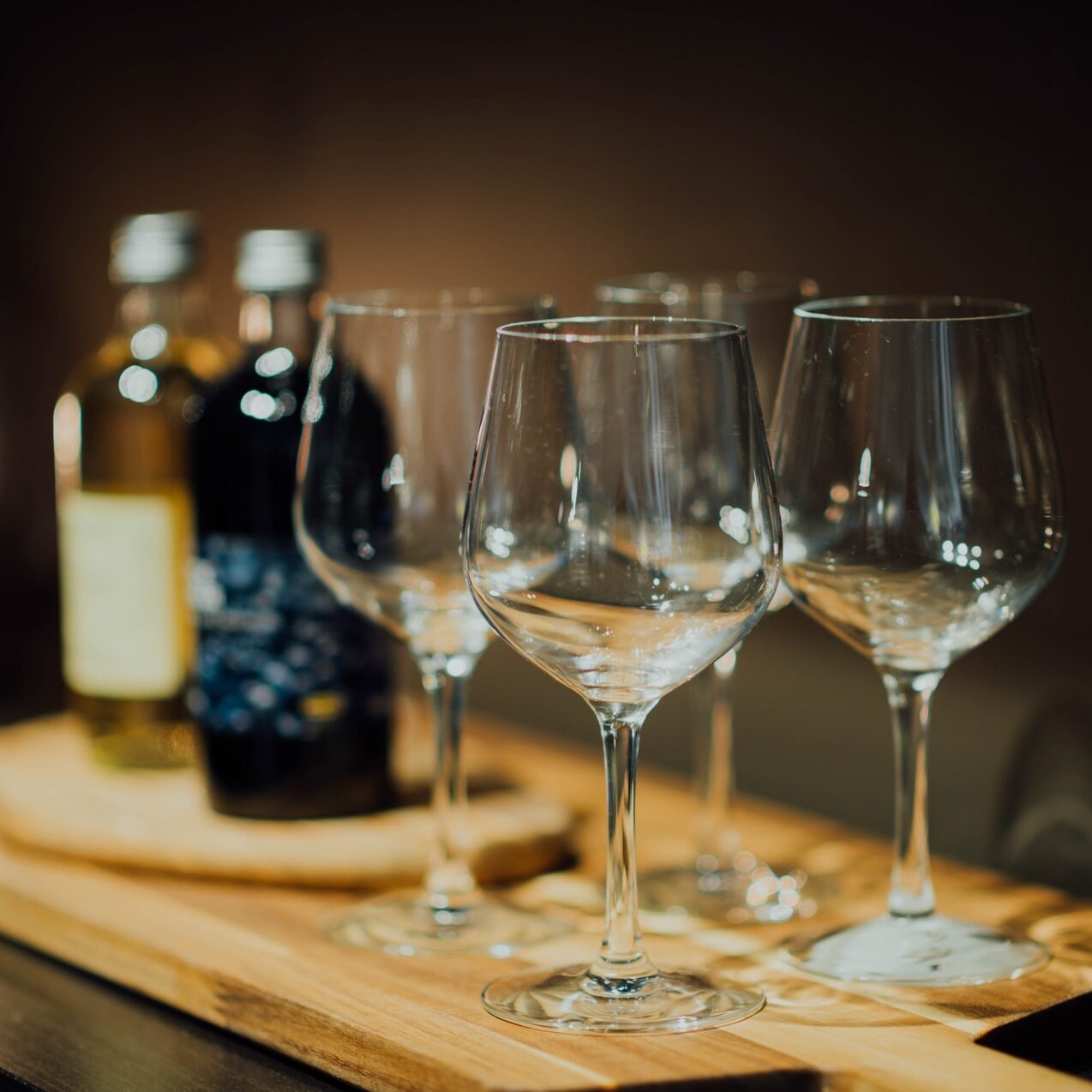
And doing your tasting blind allows you to build your palate and viticultural vocabulary without the pretense of a label or brand. Here’s how you can host your own blind wine tasting at home.
What is a blind wine tasting?
A blind wine tasting is similar to a traditional wine tasting, except in that you don’t know what varietal, year or — sometimes — even what color grape you’re tasting. In a traditional tasting, you already know what you’re getting into. A sommelier, or your own understanding of what the wine is, will guide you through the aroma and flavors of the wine and help you pick out the subtle notes which make this particular 2009 Bordeaux Merlot a special bottle.
On the other hand, a blind tasting obscures the label and encourages you to enter the experience with no preconceived notions of what to expect. Without knowing the wine, you will be able to taste it outside of its label, and identify qualities in the fragrance and palate on your own. Experienced oenophiles can often identify varietals by taste alone.
Blind wine tasting can be a fun and educational way to enjoy wine at a party, or a serious effort to study the sensuous properties that contribute to a wine’s individual taste.
Steps to run a blind wine tasting at home
Here’s how you can host a blind wine tasting in the comfort of your own home.
- Choose a theme. This can be as broad or as narrow as you like, from “reds” to “Pinot Gris, Tuscany, 2012.” More refined palates may desire a specific tasting concept, whereas beginners just getting started might want to work on picking out a Cabernet from a Zinfandel.
- Gather your wines. Wine tasting can easily get rather expensive, so you might ask each of your guests to bring an on-theme bottle to contribute. Or, you can pass around the hat and purchase Argaux’s Blind Tasting kit, coming complete with pre-wrapped bottles and an instructional booklet that will help you make the most of the tasting experience.
- Prepare the bottles. The original labels should be obscured, however they should also be distinguishable so you can keep track of which bottle supplied what glass. You can place them in different-colored wine bags, or wrap them in either foil or paper and number each bottle.
- Set up the space. Each table setting should have a minimum of three glasses so your guests can compare wines. In addition, there should be paper for note-taking, and easily accessible spittoons so no one gets too tipsy.
- Debrief. After everyone has had a chance to taste the wines on their own, you should come together to discuss your thoughts on each wine, noting similarities and differences in everyone’s individual experience. You can consense the identity of each bottle, if you like, before revealing the label. Follow up the experience with a well-paired meal.
Blind wine tasting at home theme ideas
Here are a few ideas that will help you decide on a theme for your blind tasting event.
- Horizontal wines. This theme is great for more advanced sommeliers interested in learning how to identify different terroirs, geographies and farming practices in their wines. For horizontal blind tasting, you will choose wines of a particular varietal and year, for example 2018 Tempranillos, but take care to select from different farms and producers. Your tasting experience should differ greatly depending on the region of each vineyard, so be sure to learn about and discuss these qualities after the tasting.
- Red and red and red all over. Or white, or pink, or orange – you get the idea. Excellent for beginners or the choosier wine-drinkers among us, theming your tasting around a single color can be a great way to start learning about the subtle differences which separate your Pinot Noirs from your Merlots, your Grenache Rosé from your Syrah Rosé, and your Blancs from your Gris’.
- How time flies. Choose a collection of wines across a variety of grapes and regions but from a similar year and see if you and your guests can identify the unifying characteristics brought about in that shared temporal vineyard. Or, you can choose a variety of wines which have everything in common BUT the year. Also known as vertical tasting, this educational experience allows you to identify how the flavor and aroma of a given wine is affected by the year in which it was grown.
For more theme ideas for your next blind wine tasting event, visit our other article: Blind Wine Tasting Ideas.
How to do a blind wine tasting at home with Argaux
Argaux offers a Blind Tasting kit which you may easily add to any virtual or in-person event. From our website, simply select the size, style and number of wines you’d like to try, and let us do the rest. Your kit will include between 2 and 4 half- or full-sized bottles of red, white or a selection of both red and white wines — fully wrapped and concealed so you won’t know what it is you’re tasting. In addition, you’ll find our guide to blind wine tasting as well as a number of tasting grids to take notes throughout your experience.
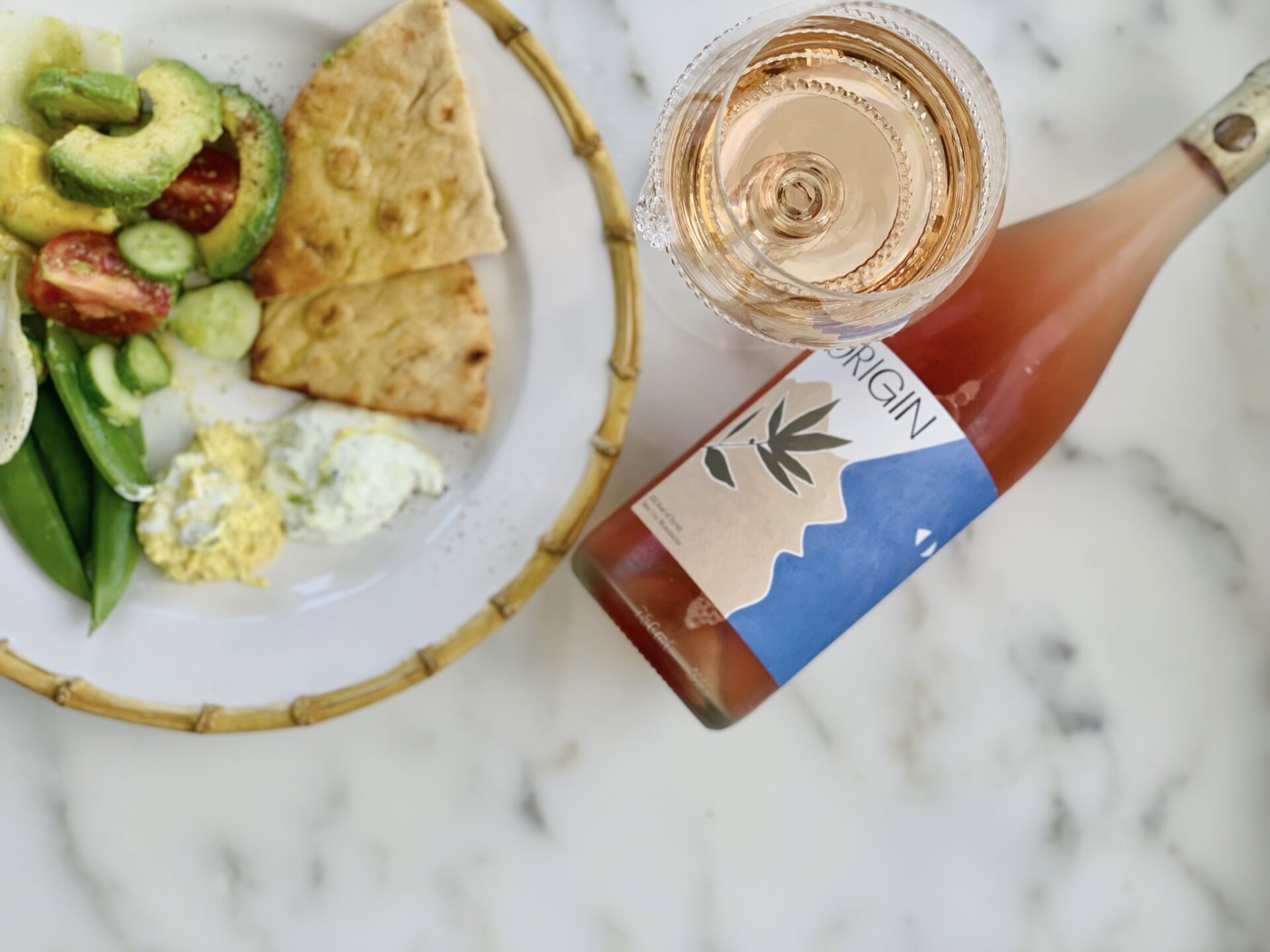
For Your Lunchtime Rosé: A Farmer’s Market Avocado Cucumber Salad
Going to the Farmer’s Market with no agenda might be one of my favorite weekend activities. I was reminded of this last Saturday, when I woke up with no alarm, made a fresh pot of coffee, and took my time putting my contacts in (the official start to my day).
The Farmer’s Market is lively—you could be anywhere! Marche d’Apt in Provence or Laiki Rhodes town in Greece. It’s a little vacation when you pick up a tomato that’s plump to the touch and perfectly red dangling on the vine, ready to be picked. At the Farmer’s Market you buy what looks and tastes as it should.
When the ingredients are fresh, you don’t need a recipe. All you need is inspiration from your stroll through the market. So, below is what I ended up buying last Saturday at the Farmer’s Market.
These ingredients caught my eye:
– Avocado
– Maui Onion
– Persian Cucumber
– Tomato
– Pita Bread
When I got home, I was salivating thinking of what I wanted to whip up for lunch (as well as what I wanted to sip). The sun was shining, and as we approached early afternoon, the breeze got warmer. I knew I needed to start hydrating.
I got right to it prepping the vegetables:
1. Quarter the tomatoes
2. Slice the onion, no need to chop. This salad is great with simple slivers.
3. Slice the cucumber into rounds
4. Peel the avocado, remove the pit, and slice into half moons
5. Throw everything into a mixing bowl and dress to taste with cracked black pepper, sea salt, olive oil, and lemon.
Toast the pita bread and plate the salad alongside hummus, tzatziki, and pita.
You could add mint or feta, whatever else you want! This salad is meant to be easy, healthy, and paired with a Saturday by the pool.
There’s plenty I could pair alongside something like this, but rosé sounded just right. Specifically, the 2020 Origin Rose featured in Shades of Rosé. It’s a foodie’s rosé, rendering it versatile with anything from sushi to Indian food.
Blind Wine Tasting Ideas
Among old-school oenophiles, wine tasting has earned a reputation of being a stuffy event for only the most serious wine-drinkers and their encyclopedic knowledge of tasting terms. But truly, wine-tasting can fit into events of many shapes, sizes and themes. Wine tasting adds a flourish of flavor to birthday parties, work events, baby showers, graduations, and even the odd rave.
Blind wine tasting is a classic party game that allows you to sample a variety of delicious vintages while also encouraging an atmosphere of learning and intrigue. You and your guests take thoughtful sips from glasses filled by bottles with obscured, covered, or absent labels and try to guess (or deduce!) what the wine is based on aroma, taste and look. You can get as specific or as broad as you like, and may choose to encourage a little friendly competition by rewarding whoever gets the most correct guesses with a special prize.
And there are many themes and strategies you can apply to your blind taste to make it mesh perfectly with your event. We recommend getting the party started with one of Argaux’s own Blind Tasting Kits.
Blind wine tasting at home: theme ideas
Here are a few themes and event ideas that are sure to elevate your blind tasting experience.
Masquerade.
Traditional blind tastings have the wine labels obscured or peeled away so their secrets can’t be revealed too soon. But whether one-on-one or in a group event, you can add a little intrigue to the tasting by having the taster don a mask or blindfold. This method is great for costume parties, holiday-themed events, or quarantined evenings alone with your spouse. Especially fun and effective for beginner sommeliers, you can truly taste wine blind and won’t even know whether it’s a red, white, rosé or orange!
Dueling sommeliers.
Hold your blind wine tasting tournament style and pit tasters against each other, one-on-one, until the winner of the evening is crowned. If you’re having a larger event, try eliminating tasters from each pair until the event culminates in a tasting face-off between the two most accurate oenophiles. Or, if it’s just you and a friend, have a guide nearby (provided in our Blind Tasting kit) and tally the wines you correctly identified at the end of your tasting session. Loser buys the next bottle?
Wines 101.
If you’re just at the precipice of your wine-education journey, consider incorporating only the most basic varietals into your tasting collection. This will include the more “classic” grapes, such as Chardonnay, Pinot Noir, Merlot, Sauvignon Blanc, Riesling, Cabernet Sauvignon, and other recognizable wines. The advantage of starting off with the fundamentals is that you are able to build a strong tasting foundation which will support a more refined palate later on. Once you’re able to correctly tell a Zin from a Cab without so much as a second sip, you can theme tastings around one specific varietal and challenge yourself to identify such complexities as year and terroir.
A fantastic year.
If you’re celebrating a birthday, an anniversary, or other significant past event, consider marking the occasion with a blind tasting of vintages from the inaugural year of your celebration. Of course Golden Anniversaries, senior birthdays and other long-term memorials can get pricey (wine gets better with age, as they say) but it adds a certain special something to taste wines whose birth coincides with yours, or your wedding day, or the founding of your company. For example, if you’re hosting a 30th birthday for your friend, a collection of wines from 1991 can be a great way to taste what the world was like on the day they were born.
Money in the bag.
We know that you know how to taste for geography, grape varietal, year, and a million other infantesimal factors through which the wine will reveal to you its darkest secrets. But can you and your fellow sommeliers figure out the cost of a bottle based on aroma, taste and look alone? If you’ve amassed a certain expertise around wine varietals and are looking for a way to show off your skills as well as entertain your guests, consider shifting tasting away from classic identification and instead try to rank each wine in order of expense. The results may surprise you.
Dress your bottles.
One easy and unpretentious way to integrate blind tasting into your event is to obscure the wine labels with fun and on-theme wine bags or other decorations. For a baby shower, try swaddling the bottles with white cloth and oversized safety pins. For a New Years event, wrap them in sparkling gold fabric, complete with firework decals. For Halloween, create crafty, bottle-sized costumes to help keep the labels unrecognizable.
Blind Wine Tasting Ideas: Make it interesting.
You’ve carefully curated a collection of wines along a specific theme for your tasting event. Whether it’s year, location, varietal, or even the label artist, every bottle has a reason for being. And part of the fun of a themed blind tasting is getting to discover this careful theme. But for seasoned oenophiles, including a ringer bottle that exists totally outside of an existing concept is sure to make the evening even more exciting. If you’re tasting themes around French Pinot Grigios, throw in a Sauvignon Blanc or a varietal from New Zealand and see if anyone can catch your curveball.
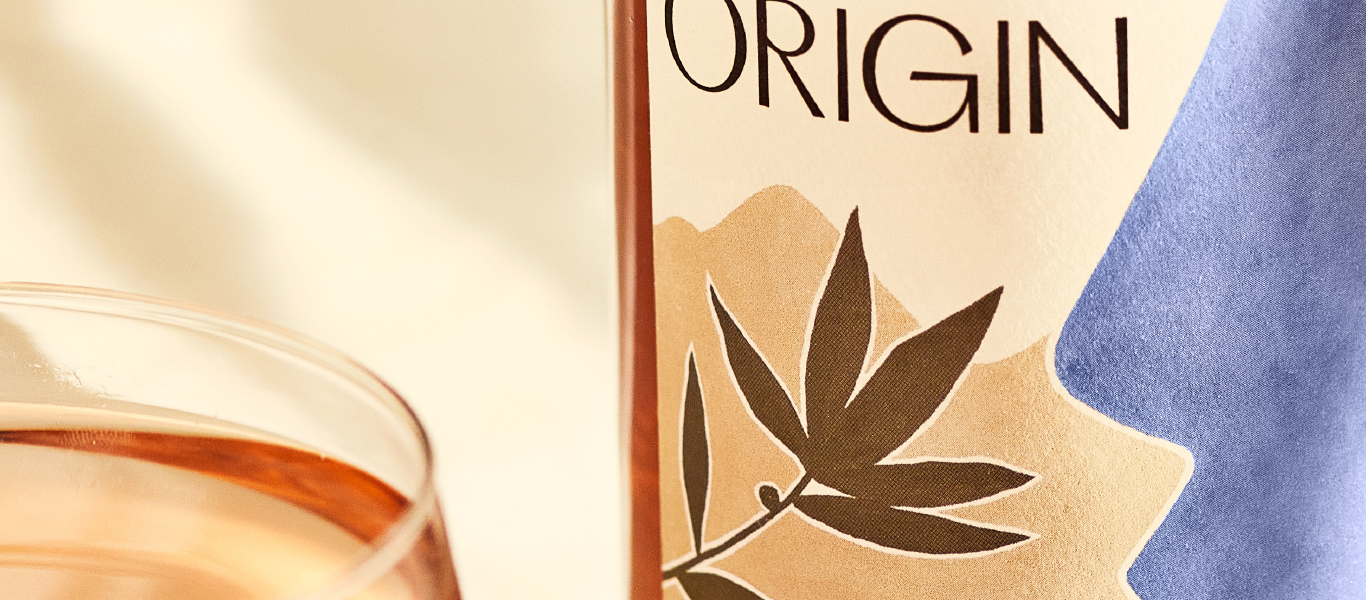
Meet the Maker: John Hurley + Jason Rassmusen, Origin
Let us set the scene.
“Set the table, light the candles, invite some friends over and enjoy this wine with Alison Roman’s Steakhouse Night at Home Menu while listening to the Origin Cab Playlist. It’s that easy.” – John Hurley
Along the California coast sit 25-year-old mountain Syrah vines where the fog keeps sustainably grown fruit cool and bright. Towering Redwoods, eucalyptus trees, and sculpture gardens surround a small lot vineyard that is hand cultivated using no herbicides. Ideal coastal growing climate allows for minimal drip-irrigation. Western-facing vines bring forth a salinity from the air and soils.
The Syrah vines sits at the southwest base of the Santa Cruz Mountains a few miles from the Pacific. The smell of redwoods branches intoxicate. A vista on the property faces west overlooking the vineyard with the ocean just over the horizon.
Wines from Lester deliver a strong sense of earth and high-quality fruit. They are not meek – they are layered, bright, and a blast to drink especially with food.
“We created Origin to help our generation see life through a glass of wine. Wine connects people, but we rarely connect with the brands making the wine. While there’s plenty of great wine, the industry is dominated by obscurity and outdated experiences. Origin is a place to discover authenticity, stories, and an understated, yet elevated lifestyle. It’s for those who care about what goes into each bottle, but care much more about a table surrounded by good company.
From two friends on opposite coasts, our hope is to share Origin with friends and welcomed strangers in celebration of life well-lived from California to New York. Origin is made in partnership with acclaimed producers, historic vineyards, and contemporary artists and designers. And our commitment is to bring you an experience that is much more than just great wine.”
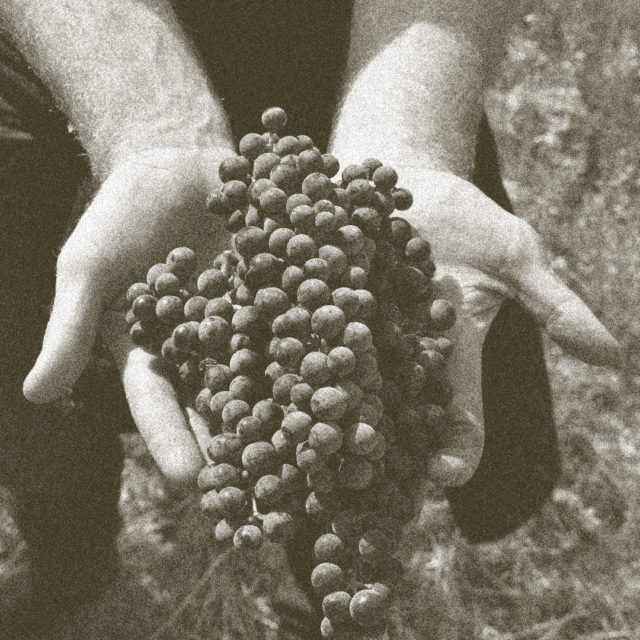
Let’s meet the team behind Origin…
John Hurley: West Coast proprietor creating the brand and team from San-Francisco. John spent his free time on the backroads of California wine country meeting the makers and filling apartments with food and friends. Discovering experiences and products that celebrate life well-lived.
Jason Rassmusen: East Coast proprietor leading the business and winemaking process from New York City. Jason made his first wine in his Manhattan apartment with sites on something bigger. Bottling up his energy and affection and sharing it with everyone he meets.John Benedetti: Our spirited winemaker with over a dozen 90+ point wines whose process is simple: pick a great vineyard and stay out of its way.
Prudy Foxx: The legend known as the “vine whisperer” of the Santa Cruz Mountains and top California viticulturist.
How did you and Jason, your business partner, meet?
Jason and I first met back in college while attending the University of Pennsylvania. We became such good friends and had always talked about doing something together. Over the years, we both realized that we loved the idea of bringing people together, cooking, etc.
I moved to California right out of college and began spending time in wine regions, and Jason had been diving deep into the wine culture in New York. He actually made his first wine in his West Village apartment with grapes purchased from the North Fork! I started to get to know a lot of winemakers out here and was really interested in the culture of wine: the agricultural aspects of it and the way in which it brings people together. He and I both noticed that the wine industry can be pretty old school and traditional, so we started talking about how to bring a fresh take to it.
What did you come up with?
We really started diving into the idea of making historic wines for a modern time, both from a brand perspective and experience perspective. We started to meet a ton of viticulturalists and suppliers, and before we even had a name for the company, we signed a contract to buy several tons of grapes for a very exciting wine that will come out later this year. From there it was history! We’re now in year two of Origin Wines.
How did you decide on Origin as a brand name?
There were a lot of different signs that Origin was the right name. It pays homage to the fact that we both have very different origins, as do the people who drink our wine. It’s a way to tell our own story, yet also create an empty vessel for those to create their own moments and persona around it.
Tell us a bit about your vineyard sourcing, farming, and winemaking practices.
We wanted our wines to have a natural texture and feel, from the brand to the winemaking, so sustainability was of utmost importance to us. Many sustainable farms don’t have organic certifications because of the politics and costs around it, so we really focused on sustainability.
We looked to Santa Cruz, as there are some really special things happening down there. The quality of the wine and the sustainability aspect is strong! We were lucky enough to find a few different vineyards (we don’t own any vines at this stage of the brand yet) that were working in ways that we supported. Plus, the climate here is incredibly special. There’s a strong coastal influence and many vineyards can be dry farmed. It’s hot, but not as hot as Napa.
Our viticulturist, Trudy Fox, is amazing. She’s known as the vine whisperer in the Santa Cruz Mountains. She helped us navigate some of the top sites to get high quality fruit, then we brought a similar mentality into the cellar. We’re in the winery as much as possible, learning and getting involved. We’re making our wines as naturally as possible without sacrificing quality. Sometimes in the natural wine world, you’ll see quality sacrificed for the sake of the movement.
Can you elaborate on that?
In my opinion, you can make really high quality natural wine from really high quality fruit. If your fruit is low quality and you layer low-touch methods on top of that, that’s when you’ll end up in a hairy place. We’re working as sustainably as possible, straight down to the packaging. Everything is harvested by hand, native yeasts are used, and we bring as many natural aspects to the process as possible.
Tell us the story behind your wine label and its artist.
Sticking with the theme of being historic yet modern, we found our artist, Robert Alvarez, down in Austin, Texas. I saw his art and thought it to be the perfect blend of the two—it’s minimalist, but super grounded in history. Most of his art has influences from Greek mythology, so that was a big part of the decision, on top of the fact that it’s beautiful. Then, we went through the brand building process and honed in on the concept of duality, which came from the fact that Jason is on the East Coast and I’m our West Coast representative.
So in short, the rosé’s label has a few meanings to it. It’s not just a pretty picture, it’s actually representative of where the wine comes from. You can also see the duality from Lester Family Vineyards, where we source fruit, featured on it. The site is located just a few miles from the Pacific Ocean, right at the base of the Santa Cruz Mountains. The area is surrounded by Redwoods and eucalyptus trees, and there’s an outlook that looks over the horizon of the ocean. When you stand there, you look down on the vineyards and see all of these things.
“Our label art embodies our ethos – historic wines made for modern times. The Origin Cab artwork is a true reflection of place, history, and modernity.” The artwork is created by Austin, TX artist and Origin partner RF Alvarez.
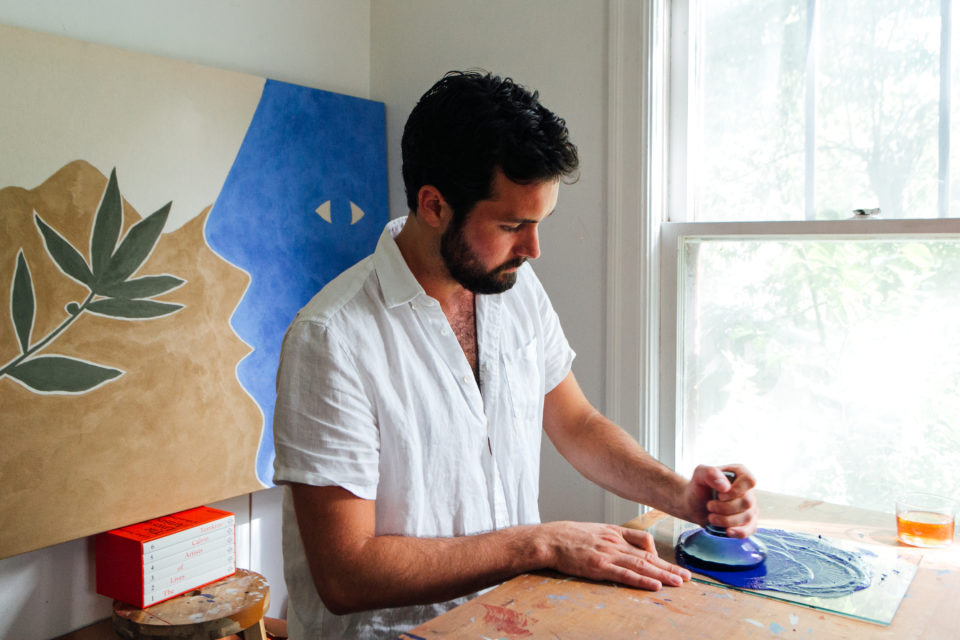
The wine is definitely darker hued, more than most rosés from Provence. It’s such a complex wine. We’ve been calling it the ultimate foodie wine! We’ve had it with everything from cheese and charcuterie to burgers. There’s a lot of layers of flavor here.
For sure! We had it last weekend at Bells breakfast barbecue. We went through 24 bottles of it! It was just perfect—the acid, the brightness. It was even able to stand up to brisket.
What’s your total case production?
In 2019, we only made 50 cases, which comes out to just one ton of fruit, so it was really small. During our first year, we were learning a lot, mostly about our brand, our customers, and our own story. We were lucky to have a great response from the first vintage! We even got some good scores, even though that certainly is not what we’re in this for. We moved production up to 150 cases this past year, so it’s still really tiny. We’ll plan on going a bit bigger this upcoming year, but our focus is still on quality and only using the best fruit possible. People seem to like it! It’s fun seeing how people pour the wine, where they enjoy it, and how they set up their own little scenes amongst family and friends.
What wines do you make, where is it located and why? All of the vineyards we currently work with are located in the Santa Cruz Mountains. We are drawn to the Santa Cruz Mountains because of its depth of history, incredible terroir, and its under-cover status as compared to its northern neighbors Napa/Sonoma. We get to produce special wines and offer them to people at an approachable price.
- Origin Wines
What is your story? Why did you get into wine? Wine connects people, but we rarely connect with the brands making the wine. While there’s plenty of great wine, the industry is dominated by obscurity and outdated experiences. Origin is a place to discover authenticity, stories, and an understated, yet elevated lifestyle. It’s for those who care about what goes into each bottle, but care much more about a table surrounded by good company.
Explain your farming/winemaking practices. We’re lucky enough to work with some of the top vineyard sites and vineyard managers in the Santa Cruz Mountain region. Prudy Foxx, known widely as the vine whisperer, does an incredible job elevating the quality of the vines from each vineyard site. All of the vineyards are committed to sustainable farming practices, and dry-farming where possible.
In the winery, we believe in minimal intervention winemaking. All of our wines are natively fermented, which we believe brings out the most natural expression of the wines.
What is the difference in quality between large production and small production wineries? Small production wineries, at least speaking for Origin, can be truly hands on. They can focus on making something special vs. hitting a large volume quota. I think this translates into a finished product that you can tell was made with passion.
What activity besides making wine, does your family like to do? Travel, eat, and of course drink wine. We love to experience all types of wines and winemaking styles.
What life achievement are you the most proud of? Starting Origin! It was always something we wanted to do together, and finally committing to building the brand was a major
What winemakers do you most admire? Trick question.. Have to say our Origin winemakers, John Benedetti and Justin Massa. They’ve both been incredibly influential in helping launch Origin, and of course create stellar wines. They are both excellent winemakers and great partners.
What motto do you live by? c’est la vie
Best wine you have ever tasted? 2005 Jean-Louis Chave Hermitage
What do you drink when you are not drinking wine? Tequila
So last question then—what’s your favorite food with the rosé?
That’s tough! Last night I had it with a homemade fajita bowl, and it paired super well with the spice. I know y’all had talked about having spicy Thai takeout with it the first time you’d tasted it, so it’s safe to say that it’s great with spice. But you can still do something a bit heartier, like brisket or burgers, as the wine has enough acid to cut through the fat. I like to say, complex flavors in food go great with complex rosé!
Origin is our feature wine for Shades of Rosé this month (May 2021). We’ve still got some bottles left! Free shipping on six bottles or more, plus case discount with purchase of 12 or more.
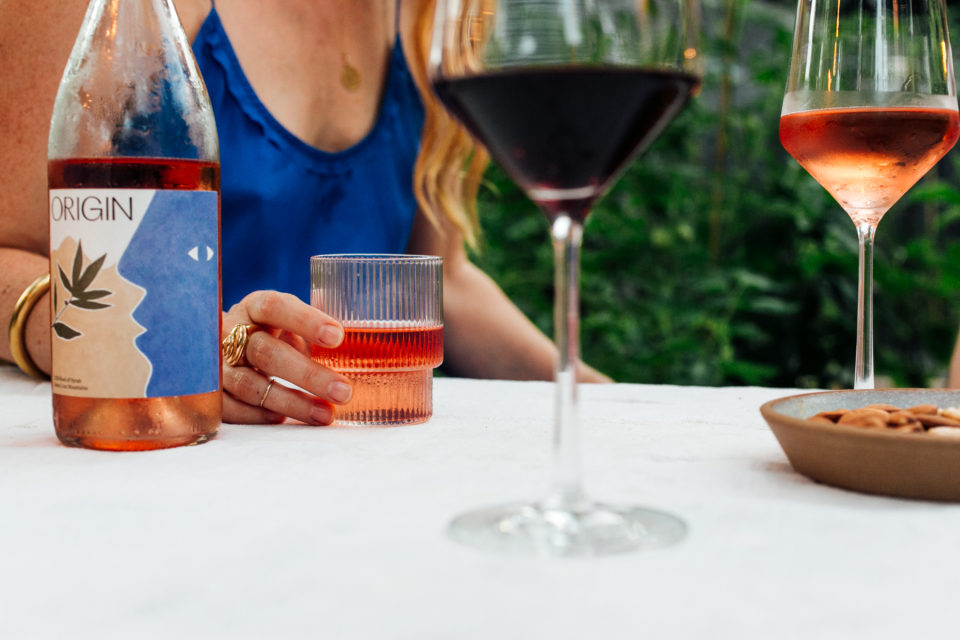
“Ironically, I find it easier sometimes to source wines that are from 6,000 miles away rather than in my own backyard. I have tasted so many CA Cabernets looking for the right one for us here at Argaux and Amlière, and Origin has really hit the mark. The wine is bold, rich, and quite honestly pretty sexy. It has that structure and flavor you crave when drinking Cabernet without being overpowering and overwhelming. Invite a few friends over, throw on their “Origin Cab” playlist on Spotify, and enjoy!” – Lexi Jones, Director of Imports
Exploring Corsica with Clos Signadore
The Island of Corsica: A Brief History
Corsica is technically the oldest wine growing region in France. Phocacaen traders settled on the island of Corsica in the year 570 BC and introduced formal viticulture. Throughout ancient history, the island was a haven for Saracen and Moorish pirates who frequently raided the island’s small villages, making life on the island extremely difficult for its natives.
In the 11th century, the Italian city-state of Pisa was ordered by the Pope to invade the island and claim it under Italian rule. The native Corsicans were offered protection by the Vatican and with this, culture and trade began anew. Viticulture was one the first things to have a resurgence. The Italians brought over a clone of Sangiovese for planting, it was later named Nielluccio and became the island’s number one grape variety. In 1768 the Italians relinquished control of Corsica to the French as part of the Treaty of Versailles. In the following year of 1769, Napoleon Bonaparte was born into what was an Italian winemaking family, as a (French) Corsican native. Imagine how different the course of history may have been if he was actually Italian! When he eventually came to power, he waived taxes and duties on trade with the island and the mainland, further growing the wine industry on the island.
Fast forward to the 20th century, two world wars forced most Corsican natives to emigrate and leave their homes, leaving the island virtually empty until the 1960’s when French colonists expelled from Algeria revived the region and started focusing on winemaking and export. In 1968, Patrimonio was the first AOC established on the island, and the production of fine wines took off as we know it today.
Today, Corsica is well known for its long and colorful past. The wines coming from here are unique and delicious. Perfect for summertime sipping!
Clos Signadore: About the Winery
Christopher Ferrandis was born in Marseilles to a family with strong roots in Corsica. After working for several years at Château de Pibarnon in Bandol, he moved to Corsica, where he worked as a consultant for a cooperative. In 2001, Christopher found a few hectares of old vines in Poggio d’Oletta, the inland mountainous part of the Patrimonio AOC and established Clos Signadore.
Since its inception, the domaine has avoided the use of chemicals in the vineyards. They only use mechanical weeding, and no pesticides or herbicides are sprayed on the soil. The domaine hopes to receive its organic AB certification soon.
The property was planted with a small amount of Vermentino and forty year-old Nielucciu vines, the local red grape of Corsica which is closely related to Sangiovese. The vines are divided among four distinct terroirs, which blend together to make a sum greater than its parts. In addition to the flagship bottling Clos Signadore, the domaine also produces the cuvée “A Mandria” in Red, White, and Rosé.
Also available in MAGNUMS
Best Wine for Mexican Food
Best Wine Pairings for Mexican Food
Cinco de Mayo has come and gone, and although we love a good margarita, it’s rather unlikely that we’ll be whipping up pitchers at home. So what’s a Mexican takeout lover to do when the craving for tacos strikes? Surprisingly, pop a bottle of wine. This past week, rather than letting the tequila flow, we tested out a handful of wines with a variety of Mexican takeout options—and for those who prefer corkscrew over cocktail shaker, we discovered some pretty exciting pairing options.
Above all, the crowdpleaser here was Storm Sauvignon Blanc—which is really no surprise, considering that winemaker Ernst Storm affectionately refers to this bottle as “Margarita Juice.” Produced in the heart of California’s Santa Ynez Valley, this sustainably-farmed wine oozes with flavors of pink grapefruit, lemon, lime blossom, and tropical fruits. The wine’s refreshing, lip-puckering finish is quite similar to that of a zesty margarita, making it perfect for sipping with fish tacos or chips and guac. If there’s only going to be one bottle of wine on the #TacoTuesday table, let this be it.
For similar “margarita vibes,” check out Von Winning Sauv B. This super fun find is produced in Germany’s Pfalz region, which is generally better known for its Riesling than its Sauvignon Blanc. Whereas Storm’s SB errs on the more citrus-laden side of things, this bottle is all green apple and passion fruit, marked by jasmine, lime skin, and grassy nuances. The wine is produced from organically-farmed fruit and is sure to be a hit with elote, chicken fajitas, and pico de gallo. Par For the Course is another excellent option (Sauvignon Blanc again—see our theme here?) Produced in New Zealand, the unofficial New World home of Sauvignon Blanc, this bottle shows more of the grassy, green herb flavors of Sauvignon Blanc, marked by lingering undertones of melon and guava.
Best Red Wines for Mexican Food
However, red wine lovers fear not—it’s not just about the SB here. On the opposite side of the margarita vibe, there’s a whole world of flavor-packed reds that go perfectly with Mexican cuisine. Margaux’s go-to taco picks are generally made with Grenache and Tempranillo, which, when paired with carnitas, chicken, or carne asada tacos, absolutely come to life. For the Grenache side of things, check out New Zealand-born winemaker Angela Osborne’s expression at A Tribute to Grace, produced on California’s Central Coast. The wine is produced from organic / biodynamically-farmed fruit, and its medium-bodied palate jumps with flavors of fresh-picked strawberries, red rose petals, and orange spice. Bright acid and moderate tannins hold up well to any meat-based taco, though carnitas would really be our go to here.
For something with a bit more oomph, check out Finca Torremilanos ‘Los Cantos’ Tempranillo. Hailing from Ribera del Duero, Spain, fruit for this wine comes from five different organically-farmed parcels across the region, each distinguishable by their “canto” (round river stone) laden soils. The wine’s vibrant yet full-bodied palate oozes with flavors of raspberries, dark plums, and tobacco undertones. 16 months of aging in French oak barrels definitely adds some sweet spice to the mix, which play well with the spicy-sweet undertones found in mole sauces and all things asado. This wine also comes from the first Demeter-certified winery in the region.
“Best Wines for Mexican Food – $30 and Under!”
All of these wines clock in under the $30 price tag, are produced from sustainable / organic / biodynamic fruit, and promise to pack a whole lot of flavor per glass. Keep a few on hand and let the impromptu #TacoTuesday (or Wednesday, or Thursday) nights roll!
You might also enjoy:
Liguria, Italy
Known for its quaint beach villages and salty coastlines, the northwestern Italian region of Liguria is a winemaker’s dream. This coastal area spans 150 miles along the Mediterranean Sea, sharing a border with the south of France. Here, vineyard sites are rugged and sea-tinged, dominated by stony soils and craggy hillsides. Most of the vineyard work is done by hand. Vineyards have been cultivated in Liguria for over 2,500 years. Only 6,000 hectares of vines are cultivated in the region, and just 8% of these vineyards classified DOC. Most of the region’s vines are owned by small farmers making artisanal bottles, and the area’s limestone-rich soils are very conducive to grape growing. Here, Vermentino (known locally as Pigato) provides the backbone to the region’s salty, mineral-laden whites, while Rossese is the variety of choice for spicy, fruit-driven reds. Ciliegiolo, Ormeasco, and Coronata are also widely planted. Liguria is home to eight DOCs and four IGT appellations, yet remains the second smallest wine-producing region in all of Italy.
Canary Islands, Spain
Although technically part of Spain, the Canary Islands wine region is actually much closer to Africa than Europe. Situated just 70 miles off the western coast of Morocco, this small but fierce wine region is putting out some of the most exciting wines on the market today.
Situated at 28 degrees latitude, the Canary Islands benefits from year-round warm temperatures and ample sunlight, making it one of Spain’s most tropical viticultural areas. However, this “tropical” might not be exactly what you’re thinking. Here, volcanic soils dominate the islands’ rugged, moonlike landscapes, which are home to jagged cliffs and gold-hued sand dunes, all enveloped within sea-tinged coastlines. Most of the islands’ vineyards are terraced at soaringly high altitudes, which ensures that the grapes’ acidity is preserved.
Wines from the Canary Islands are known for their salty, mineral-laden nature, much of which is a direct reflection of the soils and climate from which they come. Listan Blanco (Palomino), Malvasia, and Listan Negro are some of the most commly planted varieties in the Canary Islands. The islands are home to 10 DOs, half of which are found on the area’s largest island, Tenerife.
Abruzzo, Italy
[vc_row][vc_column width=”1/2″][vc_empty_space][vc_empty_space][vc_empty_space][nm_gmap address=”Abruzzo, Italy” map_style=”cooltone_grayscale” zoom=”5″ zoom_controls=”1″ api_key=”AIzaSyClkh8HqUthIZHbr3nfXvD9ZI94k-NMDRw” height=”280″][/vc_column][vc_column width=”1/2″][vc_custom_heading text=”Abruzzo, Italy” font_container=”tag:h2|text_align:center” use_theme_fonts=”yes” el_class=”min-sans”][vc_separator title_size=”small”][vc_empty_space height=”22px”][vc_column_text]Lovers of Montepulciano are no stranger to Italy’s Abruzzo region. Located on the eastern side of the country, this coastal, sea-influenced region is home to a rich viticultural history dating back to Etruscan times, and although bulk wine was the name of the game for awhile, the past few decades have brought a serious viticultural renaissance to the region.
Home to over 36,000 hectares of vines, Abruzzo clocks in as Italy’s fifth largest wine-producing region. The region is best known for its dry red wine production, crafted from the beloved Montepulciano grape variety. White wines from the region are crafted from Trebbiano, Passerina, and Pecorino, and the area’s dark-hued Cerasuolo d’Abruzzo rosés have also found their fair share of international fame.
Geographically, Abruzzo is marked by a bit of everything. The region is quite mountainous, yet boasts an extensive coastline. The majority of the area’s grapes are grown in Chieti, where pergola-trained vines dominate the lush, green hillsides. Abruzzo’s large diurnal temperature swings ensure that fruit reaches optimal ripeness without losing freshness – a key factor in quality winemaking.
[/vc_column_text][/vc_column][/vc_row][vc_row][vc_column][/vc_column][/vc_row]
When Does Rosé Season Officially Start?
Here at Argaux, we believe that great rosé should be enjoyed year round, not just during a specific season (#RoséAllDay, right?) However, come late spring, there’s no denying the extra special feeling that comes with drinking pink beneath the sun. After numerous years of working in the biz, we noticed that many rosé lovers find themselves in the South of France trap – that’s to say, when it comes to shopping for rosé wine, Provence tends to be a safe haven. As much as we love pinks from Provence, we can’t emphasize enough how many delicious rosés exist beyond France’s borders!
We got to thinking – how could we help our community break free from their classic cases of Provence or Nowhere? To highlight the best that the world of rosé has to offer (and to celebrate the summer season in style), we came up with our new Shades of Rosé shipment, featuring our top pink picks from around the world.
Our Shades of Rosé program will feature a new rosé each month starting in May with the option to choose 3, 6, or 12 bottles total. Free shipping on 6 bottles or more plus case discounts! Shipments will also include curated tasting notes and technical information about the wines for better understanding of what’s in the bottle! As always, all of our picks will come from sustainable, organic, and/or biodynamic estates. For those looking to dive deeper into the world of rosé – or for those already in the know who simply can’t get enough – you don’t want to miss this one.
Rosé No. 1 – 2020 Origin Rosé
We also noticed that quite a few misconceptions loom around the subject of rosé, and we’re here to break them once and for all. Here are our answers to a few of the most commonly asked questions surrounding rosé wine:
How Is Rosé Made?
There are two main ways in which rosé wines are made: direct pressing and saignée. Direct pressing is exactly what it sounds like – taking grapes and directly pressing the juice out of them! Red wines get their hue from contact spent with the skins, therefore, when the contact is completely eliminated or kept to a minimum, the resulting juice is pink hued rather than red.
The saignée method, which literally translates to “bled” method, involves removing juice from a soon-to-be red wine that is still macerating on its skins. By “bleeding off” some of the juice, the product left with the skins becomes a more concentrated red wine, and the excess juice that’s been pressed off becomes rosé. This process ultimately yields the same amount of wine at the end of the day, though creates two different products rather than one.
The last way in which rosé is made is by blending, which again, is quite literally what it sounds like – mixing red and white juice together to create pink wine. While this method is frowned upon in most wine-producing areas, this is actually how rosé Champagne is made!
Is Rosé Sweet or Dry?
Rosés are produced all over the flavor and style spectrum, ranging from dry to sweet in both still and sparkling formats. However, most rosés on the market tend to be dry, meaning that there is no presence of residual sugar. Dry wines with ample fruitiness technically aren’t sweet, so in these cases, we recommend using terms like fruit-driven or fruit-forward to avoid confusion!
Where Are Some of the Best Rosés From?
While some of the planet’s best rosés do indeed come from Provence, there’s a whole world of rosé just waiting to be discovered. We’ve recently tasted (and loved) expressions from France’s Languedoc and Loire regions, as well as the Canary Islands, Sicily, California, Portugal, and beyond. In the world of drinking pink, the options are pretty much endless!
Which Foods Should I Pair with Rosé?
Because of their high acid, absent tannins, and ample fruit-forwardness, dry rosés can basically pair with any and all foods, depending on their weight, body, and specific flavors. Classic pairings for pale-hued pinks include fresh salads, Mediterranean-inspired mezze, raw bar favorites, and more, while darker-hued rosés (think from Tavel and Navarra) are stunning with burgers, barbecued meats, and other grilled treats.
What Your Mom Really Wants for Mother’s Day
Certain things in life just don’t get easier, and gift giving is most definitely one of them. Even those with limitless budgets still scramble until the very last minute to find that perfect present – only to find themselves gifting something generic yet again.
We hate to be the bearers of bad news, but your Mom really doesn’t need another scarf. Though worry not! This Mother’s Day, we’re making sure that you don’t find yourself in the same rut as always. In other words, rest assured – we’ve got the perfect addition to your gorgeous flower delivery (because flowers are always a good idea).
This year, we curated a special 2-Bottle Gift Set with all of the moms in mind. What makes it different from our other gifts, you may ask? Simply put, it’s festive, it’s seasonal, and one of the bottles is loaded with festive bubbles. Who doesn’t enjoy having a few solid, go-to bottles of wine on hand? We can basically guarantee that this may just be the most useful (and appreciated) gift your Mom has ever received.
Our curated wine gift set features two of our favorite picks for spring. First up, we’re featuring Storm Grenache Rosé, produced in the heart of California’s sunny Santa Barbara County. Fruit for this wine comes sourced from the Vogelzang Vineyard in Happy Canyon and Watch Hill Vineyard in the Los Alamos Valley. Here, Medtirranean climate conditions beautifully collide with salty sea air off the Pacific, which create an undeniable zest and balance in the fruit. Expect flavors of watermelon, rose petals, and white flowers on the palate, woven together by boatloads of mouthwatering acidity. Only 150 cases of this wine were produced in total, so we’re pretty lucky to have snagged the small amount that we did.
Our second wine, a vintage bottling of bubbles from Argentina’s Uco Valley, comes from soaring altitudes in Mendoza. Fruit for this Blanc de Blancs (that’s 100% Chardonnay) is cultivated in limestone-rich soils and is then vinified using the méthode champenoise, meaning that it is produced via the exact same method used in Champagne. When we first tasted this wine, we were floored. The wine hits way above its price point and is loaded with tangy acidity, fine bubbles, and flavors of orchard fruit, citrus, baked brioche, and a hint of creaminess on the finish. If your Mom loves Champagne, gifting her this off-the-beaten-path bottle is certain to satisfy. At the end of the day, who doesn’t love discovering tasty new wines? This bottle is basically the gift that keeps on giving.
Should you find yourself lucky enough to have the wines popped in your presence, we’d definitely recommend having some food on the table (Mother’s Day brunch, anyone?) Luckily, both of these wines are extremely versatile on the table, due to their high levels of acidity, absence of tannins, and overall fruit-forwardness. We recommend enjoying the rosé with sushi, fresh salads, spicy dishes, lobster rolls, and other seafood favorites. The bubbles are essentially dealer’s choice. From fried appetizers to heartier grilled meats straight on through to dessert, this wine will basically carry you through your entire meal, no matter what’s on the menu. One of the many reasons to normalize popping bubbles on the regular, not just for special occasions!
That being said, of course Mother’s Day is a special occasion. Is there any woman more important in your life? (Don’t worry, we won’t tell your significant other.) Place your flower delivery, grab this 2-bottle gift set, and leave the rest to us.
From the Argaux family to yours, we wish you, your family, and all of the moms out there a very Happy Mother’s Day!