


 (949) 438-7228


 Call Us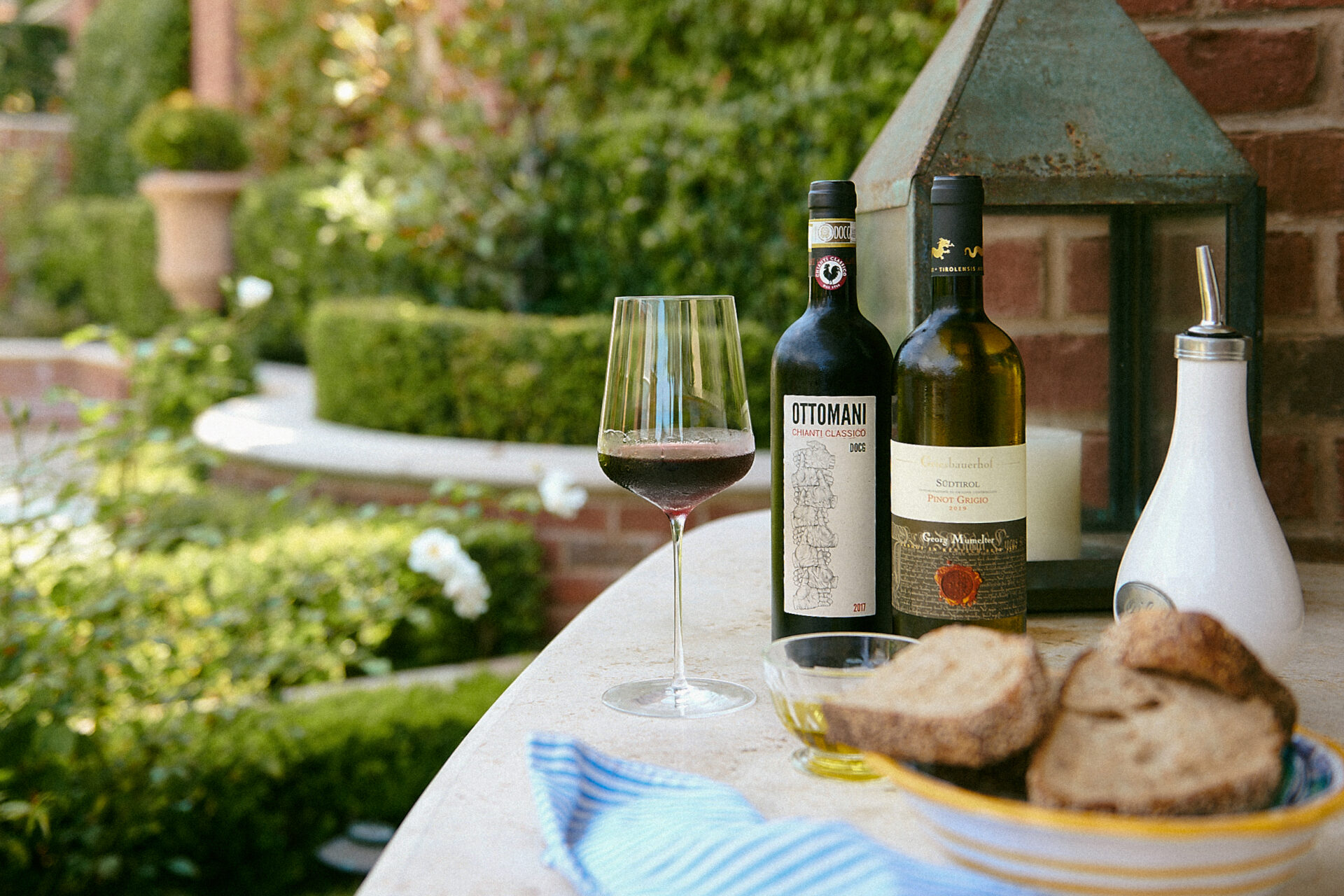
‘Gaux to Italy
We realize that jetting off to Italy is likely not in your upcoming plans, so we thought we’d bring the magic of Italy straight to your home. Check out everything you need to know about this magnificent food-and-wine mecca in our ‘Gaux to Guide below. Don’t forget to explore Argaux’s online selection of Italian Wines – or try our Taste of Italy wine tasting kit to get started!
‘Gaux to Italy – What to Know
Italy is home to 20 wine regions: Vallé d’Aosta, Piedmont, Liguria, Lombardy, Trentino-Alto Adige, Friuli-Venezia Giulia, Veneto, Emilia-Romagna, Tuscany, Le Marche, Umbria, Abruzzo, Molise, Lazio, Campania, Puglia, Basilicata, Calabria, Sardinia, and Sicily.
Grape Varieties: There are over 2,000 grape varieties in Italy, though less than a quarter of them are regularly used in wines that hit the export market.
Fun fact: Although this statistic consistently bounces back and forth between Italy and France; today, Italy is the largest producer of wine in the entire world. Over 700,000 hectares of land are under vine, which are responsible for about ⅕ of the world’s annual wine production.
Visit Italy and Italian Wine Regions
Location / How to Get There
Italy is home to a handful of international airports and dozens of smaller ones. For those interested in discovering the country’s more northerly wine regions, hop a flight to Milan and grab a train / rent a car from there. For central and southern Italian regions, flying into Rome is your best bet.\
What to Know
Italy comprises 20 main wine regions, two of which are located on islands. Certain areas (Tuscany, Piedmont, and Veneto, for example) are more popular on the international market than other regions, though each area’s viticultural scene is unique and interesting in its own right. No matter which type of travel you prefer (beach, mountains, or city-focused), Italy’s got a viticultural area lurking not too far away!
Italian Regions Not to Miss
While the obvious regions of Tuscany and Piedmont always make for unforgettable trips, we recommend venturing off-the-beaten path to lesser-known regions for some seriously delicious discoveries.
Can’t get enough smokey, acid-driven wines in your life? Venturing down to Sicily will be right up your alley. Love a side of history with your wine? Check out the lost city of Pompeii while indulging in local Campanian bottles.
Sleepy beach towns and easy-drinking whites more your thing? Head east to the regions of Abruzzo and Puglia to visit the seaside towns of Pescara and Bari, respectively (and be sure to stock up on a solid supply of local juice).
Experience small-batch Italian wines from the comfort of your own home by visiting our online wine shop!
How to Holiday Spritz, According to Team Argaux
Who says spritzes are strictly for summer? As the holiday season approaches, our palates crave something refreshing, flavor-packed, and noted with a tinge of bitterness – enter our go-to Holiday Spritz recipe.
[Note: At Argaux, we seek out our liqueurs and spirits with the same mentality that we do our wines. Beyond tasting delicious, sustainability is always placed at the forefront of our search, with a strong preference for organic farming and low-intervention production methods.]
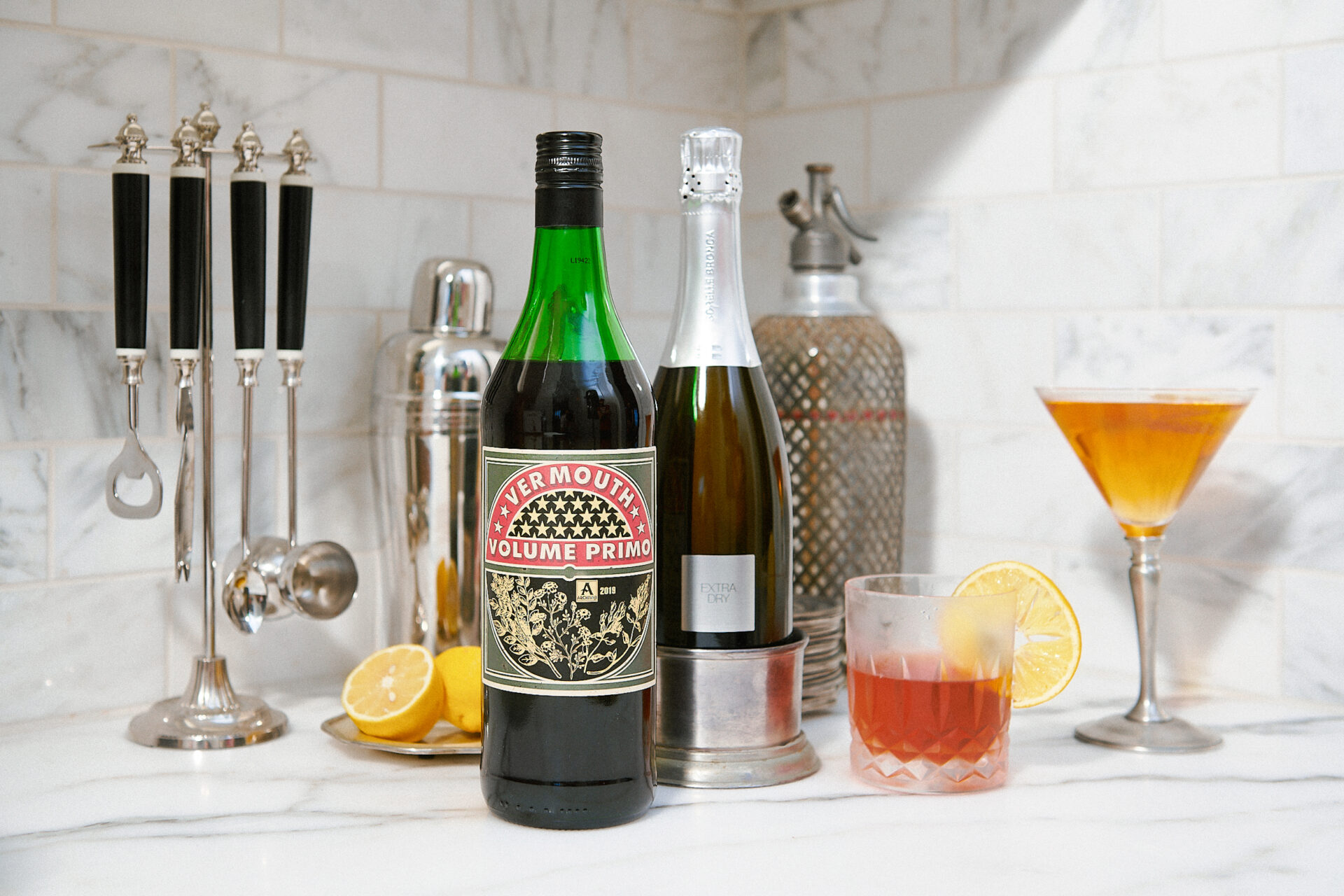
Introducing our Holiday Spritz Kit, perfect for carrying you through happy hours, holiday parties, and family gatherings alike. Our Holiday Spritz Kit features our newest find, NV Volume Primo Vermouth, as well as our go-to NV Sorelle Bronca Extra Dry Prosecco. Crafted from a blend of Moscato and Grillo Siciliano grapes, Volume Primo’s Mediterranean-style Vermouth is macerated with bittering elements such as wormwood, gentian, sage, chamomile, and vanilla. The flavor-packed nature of this aromatized wine makes it the perfect pick for mixing with bubbly Prosecco, especially during winter weather months. Think of it like Campari meets Aperol, but way less industrial (and much more delicious).
To celebrate the holidays in style, our team has put together a convenient Holiday Spritz Kit, perfect for a season full of tasty cocktails. Each kit contains one bottle of NV Volume Primo Vermouth and one bottle of bubbly Prosecco.
How to Make the Perfect Spritz
At Argaux, we like to keep things easy, which is why we use the 3-2-1 method to make the perfect Spritz at home. Simply add three parts Prosecco, two parts Vermouth, and one part sparkling water into a large wine glass with ice cubes, stir, and garnish with a slice of orange (optional). This quick and easy-to-remember method ensures the perfect balance between sweet and bitter, which is why the 3-2-1 ratio has become our go-to Spritz method.
About the Wine
We believe that all wine, including those destined for cocktails, should taste delicious and be produced responsibly, which is why we’ve chosen to include NV Sorella Bronca Extra Dry Prosecco in our Holiday Spritz Kit. Crafted from organically-farmed grapes, this refreshing bottle of sparkling jumps with flavors of citrus, ripe peach, white flowers, and almond skin.
Alternative Uses for NV Volume Primo Vermouth
Simply swap in NV Volume Primo Vermouth in any cocktail creations where you’d normally use other brands of aromatized wine. Splash with some soda water or simply sip solo on the rocks to truly enjoy the mosaic of flavors in this small-production aperitif. From our Team Argaux family to yours, we wish you a happy, healthy, and spritz-filled holiday season!
It’s Back! Cargaux 2020
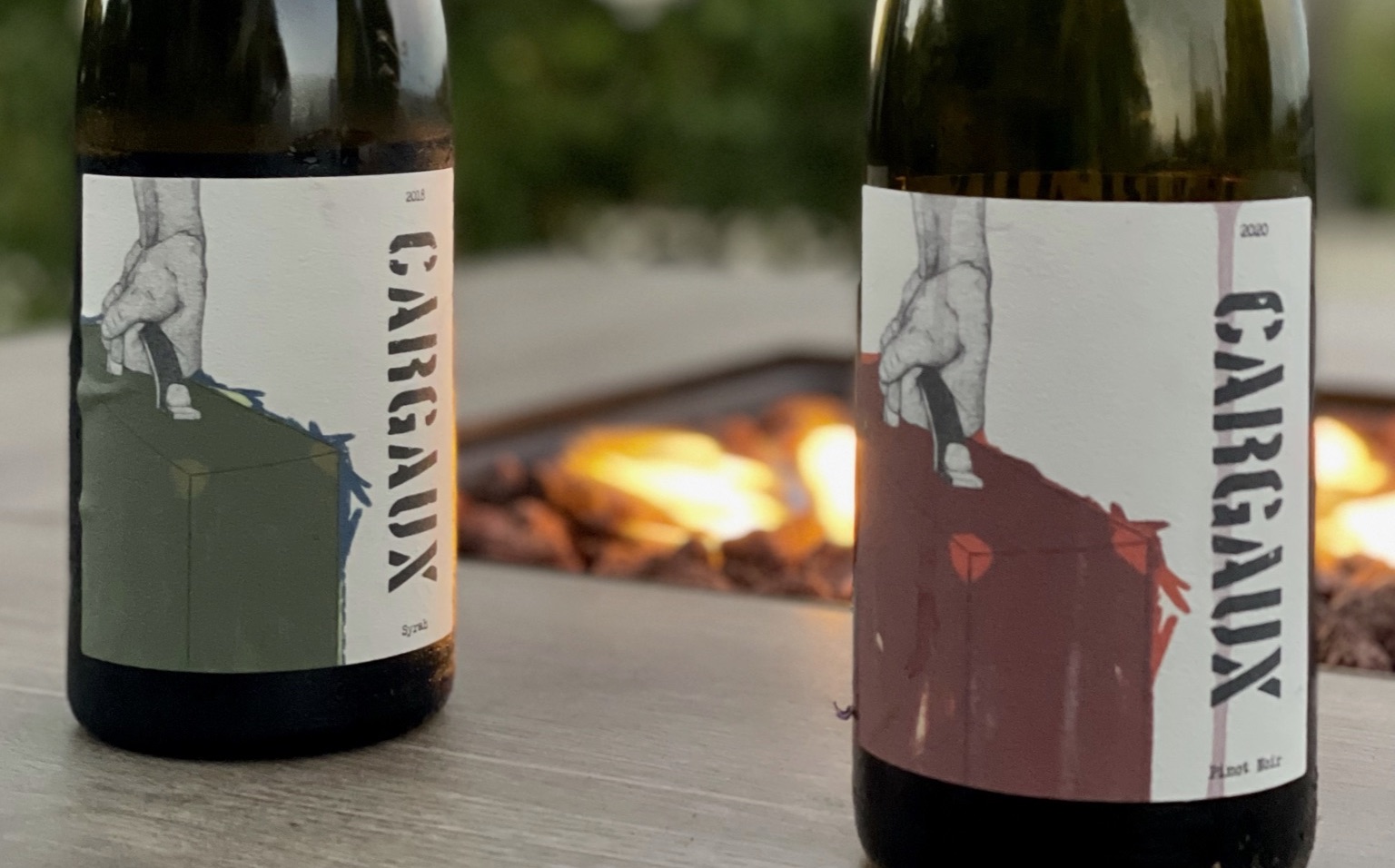
Chase Carhartt is a force to be reckoned with. In addition to crafting delicious wines at his family’s eponymous estate in the Santa Ynez Valley, Chase has spent the past five years working harvests in South Africa learning the ins-and-outs of winemaking from some of the best in the biz – so when the opportunity to combine forces with him arose, naturally we jumped.
Now two years in, Cargaux (pronounced Car-GO) is taking some serious ground. Each bottle is handmade by Chase in conjunction with Nathalia and Hannes Storm (of Storm Wines) in the heart of South Africa’s Western Cape.
Today, Cargaux currently makes two wines, a Pinot Noir and a Syrah. To celebrate our second release, we wanted to introduce you to Chase on a deeper, more personal level. Check out our mini interview with him here:
What is your greatest extravagance? 100% FOOD.
What is the quality you like most in a partner? Enjoyment of quality food and drink.
What word or phrase do you overuse? 100%
When and where are you happiest? Fly Fishing in Montana on foot.
If you could have one superpower, what would it be? An achievable one. To truly appreciate each day to the fullest extent and not dwell on the small issues that distract us from that mentality. I haven’t gotten there yet.
What life achievement are you the most proud of? Traveling to and experiencing as many places as I have.
What winemakers do you most admire?
Hannes Storm (South Africa) – for his winemaking perseverance for many years
Eben Sadie (South Africa) – for his vision and leadership
Adie Badenhorst (South Africa) – for his immense creativity
Nadia and Gordon Newton-Johnson (South Africa) – for their dedication to winemaking as a husband/wife team
Ernst Storm (USA) – for his ambition to branch out
Stefano Lubiana (Tasmania) – for his unbridled ingenuity
Mike and Brooke Carhartt (USA) – for their work ethic and authentic love of the game (grape growing/winemaking)
Which historical figure would you want to share a bottle with? My great great grandfather Hamilton Carhartt.
What motto do you live by? Put in the work.
Best wine you’ve ever tasted? Barrel tasting different Chardonnay parcels atDomaine Coche-Dury.
What is your spirit animal? Leopard.
How do you relax/decompress? Fly-fishing or cooking.
What do you drink when you’re not drinking wine? Beer or Gin & Tonic.
Soundtrack to your life: Empire of the Sun, Walking on a Dream.
— Chase Carhartt
The excitement of having a tangible product to show from my experiences abroad is coupled by the opportunity and privilege of being able to share that story and wine with the people who have followed my journey. For those who are familiar with South African wine, and to the many who aren’t, I am honored and extremely excited to unveil this new exploration and hope you enjoy it.

Best Wine for Football Games and Tailgates
I mentioned the title of this article to a few friends earlier this week and they all seemed shocked. “Wine doesn’t go with football, that’s a beer-drinking sport!” they all said. Apprehensive commentary eventually led to mocking imitations of snooty, pinkies-out “wine people” clapping politely as one 6’5 300-pound man tackled another.
Obviously, football and wine are not an easily-made association, but as the wine world continues to become more and more accessible to the average American adult, I believe that viticultural beverages will become a staple at most Sunday gatherings.
If you’re here, that means you must love wine. And if you’ve made it to this paragraph, you must also enjoy football. And this article was written to help you figure out just how well the two can go together. Football Season in the US is well underway, and if you want to make expert-level wine pairings for your Super Bowl fare you need to start tasting now. Let’s dive in.
Choosing the Best Wines for Football Season
Football gatherings are all about having a good time while cheering on your favorite team. That means that, above all, you should enjoy the wine you’re drinking. But if you’re feeling adventurous, I recommend pairing your wine selection with the array of greasy, cheesy, indulgent snacks you’re planning to have for your super bowl buffet.
Let’s start with the veggie platter. Crudités with a heavy ranch dressing calls for something sweet but sharp to both lift up the vegetables but cut through the fattiness of the dressing: think Pinot Noir for reds, or Sauvignon Blanc for whites.
Speaking of dressing, there’s bound to be some kind of chips and dip situation. A cheesy, creamy dip needs a fresh wine like a Gruner Veltliner to contrast the richness. Bean dip or chili are well complemented by tannin-heavy reds like Merlot.
For mains including hotdogs, sliders and gooey pizza a Syrah or Barbera will do the trick. Spicy wings can be tamed by a sweet white, and sweet or creamy wings uplifted by a berry-forward red.
If that wasn’t enough for you, here are some of my game day favorites from the Argaux collection.
Best Red Wine for Football
- 2020 Guido Porro Dolcetto d’Alba ‘Vigna Pari’ – $24
Soft tannins and a delightful balance between fruitier flavors and plenty of spice make this delicious red a versatile pairing that won’t betray you in the face of something on the spicy side. Smooth with medium acidity, the Vigna Pari is the ultimate companion to a slice of greasy, stringy pepperoni pizza. - 2019 Domaine de La Bonne Tonne Morgon ‘Côte du Py’ Beaujolais – $45
No reason your all-American football game can’t come with a splash from one of the great French winemaking regions. A Beaujolais from Burgundy, this Gamay wine is rich with earthy fruits and spices in the nose as well as on the tongue. Pair with pork hot dogs, spicy chicken tacos, or this timeless 7-layer bean dip. - 2019 Gouchas Luján de Cuyo Malbec – $22
The ideal red for your Sunday main course. This chillable Malbec feels like drinking a spritzer minus the bubbles, making it a great party-time drink. Juicy fruits, sweet cocoa, and just a hint of smokiness on the palate make it the perfect match for sliders, barbecued ribs, or beef chili dogs.
Best White Wine for Football
- 2019 Pedralonga Rias Baixas Albariño – $27
Green, herbaceous, and wild, this wine provides an utterly romantic take on all that football is — athletic individuals performing epic feats of strength on a perfect lawn. It’s smooth but complex and totally refreshing — a great pair for spicy wings, heavy potato salad, or barbecued veggie skewers. - 2020 Le Coste Litrozzo Bianco Orange Wine – $28
This spectacular skin-contact white is the bottle to break out when your team scores the winning point. Who says beer is the only beverage for sports fans? The lads on the label are here to prove otherwise. Notes of citrus, stone fruits, and almonds and a lively body make this wine a great match for anything fried — especially pork rinds or honey-glazed chicken drumettes. - NV Sorro Prosecco Treviso DOC – $25
Prosecco is one of the best ways to bridge the gap between the disparate beer and wine crowds. Crisp and fresh, this Treviso in particular will have even the most hardened Bud Light loyalists asking for a second glass. For a perfect pair, use this bottle of bubbles as an excuse to bring a slightly more upscale charcuterie board to the party. Or, serve alongside a mountain of classic thin-cut fries. - 2020 Les Athlètes du Vin Chenin Blanc – $25
Oenophile football players ask their coaches to ditch the gatorade and fill the cooler barrels with this wine instead. We dare anyone to spot the difference — notes of pineapple, peach, citrus fruit and blossoms, and sparkling minerality lend an appropriate air of athleticism with each sip of Les Athlètes. Pair with mac and cheese, or a rich and creamy spinach dip.
Best Rose Wine for Football
- 2020 Storm Watch Hill Vineyard Grenache Rosé – $28
Beautifully balanced with a delicious blend of sweetness and tartness fronted by cherries, blood orange, and watermelon. Pair with white cheeses, that rarest of superbowl salads, or your favorite football-season pizza.
Best Wine for Football from Argaux
This is what the Food and Wine Pairing 101 kit was made for. Many alcohol-enthusiasts see wine as this untouchable fancy thing that can only be paired with delicacies like caviar, salmon steaks, or filet mignon. Not true! If you can eat it, we promise there is a wine that will complement it — everything from hot cheetos, to stuffed potato skins, to fish and chips, to 5 layer cheese dips. Football fare is all about indulgence, and there’s no reason why that indulgence can’t include a really delicious wine. Order your kit today and receive a copy of Vanessa Price’s book Big Macs & Burgundy, as well as 2 – 4 hand selected bottles from the Argaux collection to begin your training as an a-team sommelier.

Women in Wine
Here at Argaux, we believe that women make the world of wine a better place. As a female owned-and-operated company, we take pride in elevating women winemakers and industry colleagues around the world – especially when their wines are as good as the ones included in this kit. However, despite the wonderful shifts being made within the industry, women still have quite a long way to go in catching up to their male counterparts. In honor of the incredible ladies changing the viticultural game worldwide, we’ve created this Women in Wine kit to share some of our favorite bottles produced at the hands of trailblazing female winemakers across the globe.
‘Gaux to the World of Women in Wine – What to Know
- As of 2018, there were no female CEOs at wineries with annual productions between 100K and 500K cases per year; on a positive note, 25% of wineries producing between half a million and one million cases boasted women CEOs. This same study states that women were underrepresented in sales, viticulture, and winemaking, but overrepresented in marketing and HR departments.
- Interestingly, through it all, it’s been proven that women are actually more sensitive (and therefore, more detailed and often better) tasters than men – yet this somehow does not translate to their representation in the industry.
- According to MacNeil, only 10% of winemakers in California are female, and only 7% and 5% are women in Washington and New York, respectively. However, women have made up around 40% of graduates from the Viticulture and Enology programs at UC Davis.
- Women still continue to make 82 cents to every dollar that a man earns working the same job, with said gap widening to 77 cents to the dollar at management-level positions.
- In terms of higher education, only 29 of America’s 182 Master Sommeliers are women. The statistic gets better in the Master of Wine world, where women hold 131 of the 380 titles worldwide.
Our Inspiration
When we first got into the industry, there seemed to be lots of conversation surrounding the rarity of women in wine. However, much of our inspiration was sparked by historic women like Madame Clicquot, who is credited for inventing riddling (an aging technique used in the production of Champagne), Ann Noble, who invented the aroma wheel, and Carole Meredith, who discovered the origins of Cabernet Sauvignon as a hybrid of Sauvignon Blanc and Cabernet Franc. Today we continue to be inspired by women in wine and the growing number of them strapping on their boots and heading into the vineyards, tending to grapes, and producing wines of high complexity and great esteem.
About Argaux
The statistics above (which desperately need to change) make us even more proud of who we are and what we do. Argaux was founded by co-owner Arden Gilfillan, a WSET Advanced Sommelier and Certified Sommelier and co-owner Margaux Reaume, a French Wine Scholar, WSET Advanced Sommelier, Certified Sommelier, and WSET Diploma candidate. The team’s countless combined certifications, expertise, and enthusiasm are the backbone to the company’s mission: supporting small-production, family-owned, and responsibly operating wineries across the world.
In our quest to continue to elevate female-led wineries and companies across the industry, we’ve partnered with Amlière Imports, a boutique wine importer founded by Lexi Jones. In working together, we are able to source wines directly from producers/families and are able to tell their stories honestly and authentically, while also creating strong relationships along the way. Our partnership has also allowed us to create Argaux-exclusive wines, such as our Par Fore the Course Sauvignon Blanc, Paumiste Rosé, and Gouchas Malbec.
Meet a couple #womeninwine by experiencing our Women In Wine Tasting Set
The two women behind the bottles in this box are not only trailblazers in the wine industry, they are setting a higher standard for what it means to be a leader and how to use that success to lift up women around the globe.
2022 Chateau Barbebelle Coteaux d’Aix en Provence ‘Fleurie’ Rosé
Winemaker: Madeline Herbeau
Madeleine is the fourth-generation winemaker at Château Barbebelle in Provence. She owns and cultivates 45 hectares of vines, with some being the oldest vineyards in Aix-en-Provence. The property was bought by her grandmother and they have been farming organically since the beginning. The vineyards are bordered by wild herbs de Provence, cypress trees and wildlife. Among the other animals, there are two adorable mini horses that live on the property. One of which is only 8 months old and is named “Let’s Go” for his wild morning zoomies. “I want to carry on my grandmother’s legacy of producing great quality wines, and more importantly supporting our sustainable ecosystem that we have created on this property.”
2021 Massimago ‘Marchesa MariaBella’ Valpolicella Ripasso DOC
Winemaker: Camilla Rossi Chauvenet
Massimago is derived from the Latin “Maximum Agium” which means the maximum level of well-being. The estate, in the Mezzane Valley in Valpolicella, has been owned by the Cracco family since 1883. In 2003 Camilla Rossi Chauvenet became the guardian of Massimago. She took over her mother’s vineyards and started the winery from scratch. Having good land was a blessing but she had to sell just about all of her belongings, including her car to afford the venture. In 2008 she started farming fully organically and turned the property into an eco-friendly sanctuary. Today you can stay on the property and enjoy their natural wines, food from their garden and the many animals that roam the property freely.
Liquore delle Sirene Aperitivo Americano Rosso
Winemaker: Elisa Carta
The Liquori delle Sirene are a collection of bitters and liqueurs made by the lovely Elisa Carta, a trained sommelier, olive oil taster, and a passionate herbalist. Elisa makes her liqueurs from and around Lake Garda, using recipes handed down to her that have been in her family for generations. They are artisanal creations made from herbs, flowers, roots and fruit; botanical ingredients that are infused singly in alcohol, then combined to give complex, distinctive aroma and flavor. “Sirene” is a tribute to one of the most beautiful bays in the lake, Baia delle Sirene (Bay of the Sirens), and its story.
This aperitivo is made from organically-farmed Trebbiano di Soave and Garganega grapes, as well as local wild herbs from Lake Garda, Italy. No chemicals or artificial coloring is used. The bright red color comes naturally from hibiscus flower, monarda flower, and red potato juice!
This is an aperitivo (think Aperol) but unlike Aperol, is not an industrial, mass produced product.
HOW TO DRINK IT
Enjoy on the rocks, in a Spritz, negroni, or in a paloma with your favorite tequila or mezcal.
NV Sorelle Bronca Extra Dry Prosecco
Winemaker: Sisters, Antonella and Ersiliana Bronca
Sisters Antonella and Ersiliana Bronca have steered their estate along the path of quality since they took the reigns from their father Livio. Joined by Antonella’s husband, Pietro, a winemaker, and Ersiliana’s daughter Elisa, who has recently graduated with a degree in enology, this family team works hard in the vineyard and in the cellar to produce the purest Prosecco out there. Better grapes from organic farming practices and more attention to detail make this Prosecco much tastier than the more commercial examples. This is a great way to upgrade to your spritz and avoid the sugary hangover.
Food & Wine Pairing – Find the Perfect Match
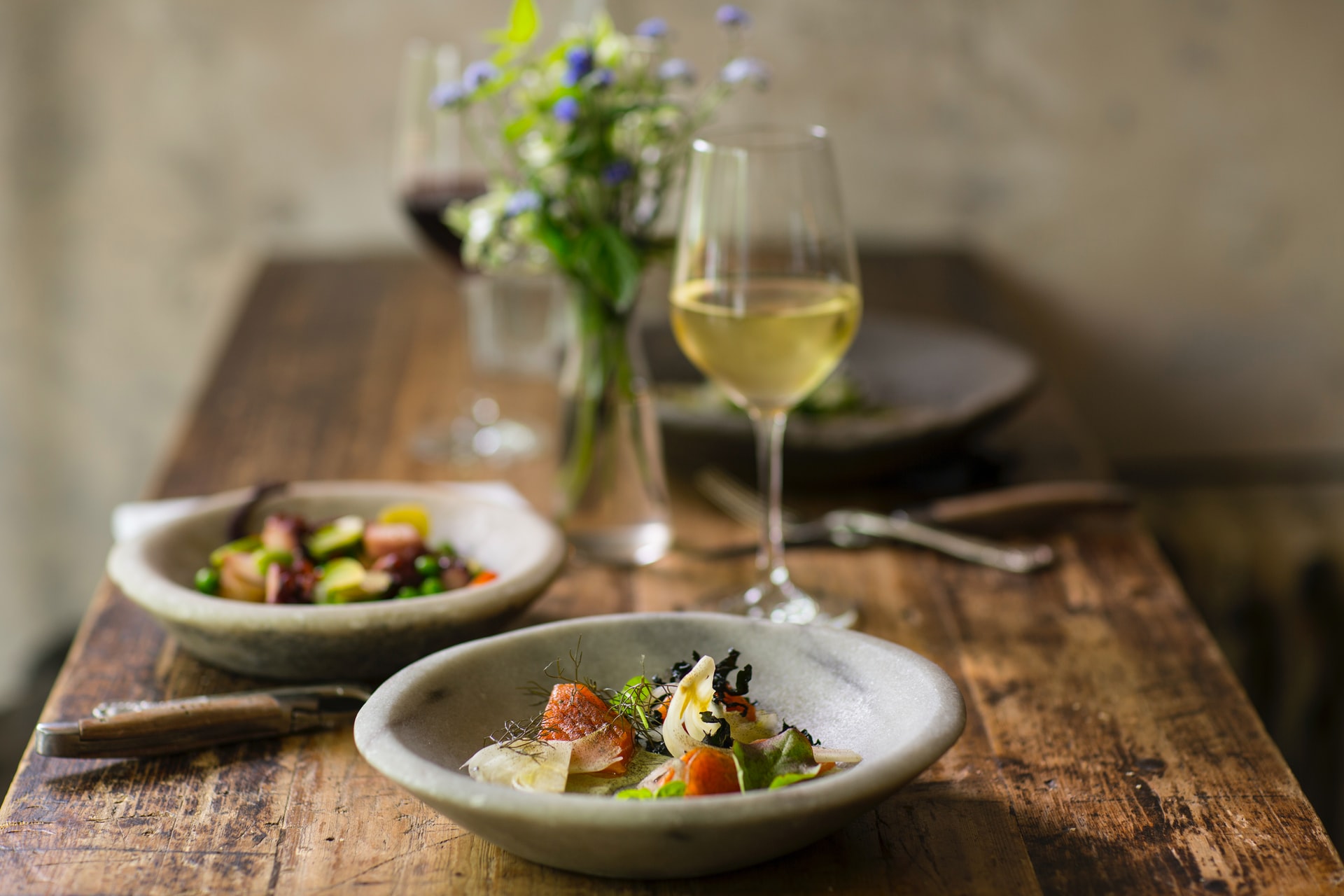
Looking to dive into the world of food and wine pairing in a fun-yet-educational way? You’ve come to the right place. Here at Argaux, we believe that wine education should be informative and approachable all at once. When we stumbled upon ‘Big Macs & Burgundy – Wine Pairings for the Real World’ by Vanessa Price, we couldn’t put it down. This entertaining book has become one of our go-to resources for wine tasting and food pairing, featuring everything from healthy staples to guilty pleasures and everything in between.
If you’re looking to ramp up your at-home sommelier skills, simply check out our basic guide to food and wine pairing below, crack open your copy of the book, and pour a glass of something delicious – though fair warning, you may leave this education sesh hungrier than when you started.
‘Gaux to the the World of Food and Wine Pairing – What to Know
Food Components: Salt, fat, acid, sweetness
Wine Components: Acidity, tannins, residual sugar
Tips & Tricks for Tasting Wine
Acid Loves Salt (and Fat, Too)
When it comes to pairing food and wine, acidity is key. Acid in wine complements salty and acidic foods (think briny oysters and tangy salad dressings), yet is also powerful enough to cut through rich, dairy-based sauces. In short, wines high in acid provide some of the most versatile food-pairing options on the planet.
Fat and Tannins Go Hand in Hand
Ever wonder why a juicy cut of steak and glass of grippy Cabernet Sauvignon or Nebbiolo are a match made in heaven? The truth is in the tannins. When fat and tannins collide on your palate, a chemical reaction actually takes place. As these molecules join, gritty tannins will feel softer on the palate, while the flavor profile of fatty foods will become even more pronounced. Skeptical? Try it out. Take a sip of high-tannin red wine and feel the way that the tannins pull on your tongue. Then, take a bite of meat and sip the wine again – the taste in your mouth will likely be totally different from the first sip!
What Grows Together Goes Together
There’s a reason why the age old saying “what goes together, grows together” still rings true today, and it’s all based on the concept of terroir. Some of the most timeless food and wine pairings on the planet are based on sharing a regional home base – think oysters with Muscadet, Comté with Savagnin, fresh chèvre with Sancerre, and beyond. When the opportunity arises to pair local food and wine together, we highly recommend doing so.
Keep Flavor Intensities Equal
When pairing food and wine together, you never want one party to overpower the other. For example, full-bodied Syrah completely takes over the delicate flavors found in oysters, just like a glass of light-bodied Pinot Blanc is swallowed whole by a cut of filet mignon. To avoid this imbalance of flavor, simply keep the food and wine’s bodies in check (full-bodied wines with full-flavored foods, light-bodied wines with lighter fare, etc.)
Heat Loves Sweet
For dishes that pack a bit of heat, look to a bottle of off-dry or sweet wine. Believe it or not, residual sugar helps tame the flame in spicy dishes, which keeps your palate gear up for another bite. If you’ve never tried spicy food with a bottle of off-dry Riesling or Chenin Blanc, we can’t recommend it enough.
…and Sweet Loves Even Sweeter
When pairing wine with dessert, the general rule of thumb is that the wine should always be sweeter than the dish. If you’ve not yet explored the joys of late-harvest Riesling, Sauternes, or fortified Ports and Madeiras with fruit-based desserts and chocolate respectively, you’re in for a real treat.
The Bottom Line: Although the tips above will be helpful in guiding you to a satisfying pairing, ultimately, the greatest food and wine pairing is the unique one that you enjoy most. Drink what you love with what you love to eat, it really is that simple! Pairing food and wine is about pleasure, enjoyment, and sharing in beautiful moments around the table with the ones you love.
Wines Included
*Note: Each kit includes one copy of Big Macs & Burgundy by Vanessa Price.
Standard Option (available in 2, 3, or 4-pack mixed boxes)
2020 Château Montfrin ‘Paumiste’ Rosé – Lobster Roll
Lobster rolls and rosé are the quintessential summer-inspired pairing, though not all rosé is created equal. In a sea of mass-produced pink wine, we recommend seeking out organic, thoughtfully-produced bottles, such as this one from Château Montfrin. Crafted from a 60/40 blend of organically-farmed Syrah and Carignan, this Southern Rhône rosé shows flavors of fresh cut strawberries, pomegranate, tart citrus, and herbs de Provence. For an instant mental escape to the sunny south of France, this pairing has got your back.
2017 Ottomani DOCG Chianti Classico – Spicy Rigatoni
The only thing better than a glass of Chianti Classico? One produced from organic/biodynamically-farmed vineyards at the hands of four longtime friends, of course. This delicious expression from Ottomani is crafted from organically-farmed fruit in Greve, located just 17 kilometers from the city of Florence. Fruit is hand harvested and spontaneously ferments with 10% whole bunches prior to aging for 14 months in concrete. Expect flavors of red fruit, dried oregano, balsamic, game and tobacco leaf to lead to an acid-driven finish. Fair warning, this may become your new favorite Sunday Supper pairing.
2018 Flâneur Willamette Valley Pinot Noir – Grilled Salmon
Red wine lovers, fear not – when it comes to pairing wine and seafood, certain fish (salmon and tuna, for example) go just as well with crisp, light-bodied reds as they do white wines. Crafted from organically-farmed fruit and native yeasts, this textured bottle of wine shows earthy flavors of cranberries, cherries, baking spice, and a touch of earth. Not a fan of salmon? No problem. This versatile bottle pairs gorgeously with a slew of dishes, including stuffed mushrooms, game birds, roasted veggies, and beyond.
NV Champagne Delavenne Père & Fils Brut Tradition Grand Cru Champagne – Fried Chicken
Champagne and fried anything are a match made in heaven. The wines’ ample amount of bright acidity beautifully complement the salt and cut through the fat of the batter, while its toasty notes perfectly pair with the savory, umami flavors found in fried foods. Delavenne’s Brut Tradition has become our go-to bottle or bubbles here at Argaux. This cuvée is produced from a 60/40 blend of Pinot Noir and Chardonnay harvested from sustainably-farmed plots in Bouzy, Ambonnay, and Cramant. Flavors of fresh apple, brioche, and lemon cream lead to a zesty, refreshing finish.
Premier Option (available in 2, 3, or 4-pack mixed boxes)
NV Champagne Delavenne Père & Fils Brut Tradition Grand Cru Champagne – Fried Chicken
Champagne and fried anything are a match made in heaven. The wines’ ample amount of bright acidity beautifully complement the salt and cut through the fat of the batter, while its toasty notes perfectly pair with the savory, umami flavors found in fried foods. Delavenne’s Brut Tradition has become our go-to bottle or bubbles here at Argaux. This cuvée is produced from a 60/40 blend of Pinot Noir and Chardonnay harvested from sustainably-farmed plots in Bouzy, Ambonnay, and Cramant. Flavors of fresh apple, brioche, and lemon cream lead to a zesty, refreshing finish.
2018 Domaine Rougeot Bourgogne Rouge ‘Les Vaux’ – Big Mac
Who says that classic expressions of French Pinot Noir can’t be enjoyed with simple-yet-delicious comfort foods? After all, Big Macs and Burgundy is what this kit’s all about! Fruit for this tasty Pinot Noir comes from an organically-farmed single-vineyard plot of 40 to 70-year-old vines rooted in clay limestone soils just outside of the town of Meursault. Flavors of red cherries, plum skin, sweet violets, and crushed stones lead to a smooth and silky finish. The wine is vinified with whole clusters, aged for 8-10 months sur-lie in oak barrels, and bottled without added sulfur. Serve slightly chilled and enjoy with your favorite fast food burger.
2020 Château Montfrin ‘Paumiste’ Rosé – Lobster Roll
Lobster rolls and rosé are the quintessential summer-inspired pairing, though not all rosé is created equal. In a sea of mass-produced pink wine, we recommend seeking out organic, thoughtfully-produced bottles, such as this one from Château Montfrin. Crafted from a 60/40 blend of organically-farmed Syrah and Carignan, this Southern Rhône rosé shows flavors of fresh cut strawberries, pomegranate, tart citrus, and herbs de Provence. For an instant mental escape to the sunny south of France, this pairing has got your back.
2017 Ottomani DOCG Chianti Classico – Spicy Rigatoni
The only thing better than a glass of Chianti Classico? One produced from organic/biodynamically-farmed vineyards at the hands of four longtime friends, of course. This delicious expression from Ottomani is crafted from organically-farmed fruit in Greve, located just 17 kilometers from the city of Florence. Fruit is hand harvested and spontaneously ferments with 10% whole bunches prior to aging for 14 months in concrete. Expect flavors of red fruit, dried oregano, balsamic, game and tobacco leaf to lead to an acid-driven finish. Fair warning, this may become your new favorite Sunday Supper pairing.
2016 Piro Presqu’ile Vineyard Pinot Noir – BBQ Chips
Marc Piro has been described as one of California’s most promising young winemakers, and the proof is found in this bottle of savory, small-production Pinot Noir. Lively flavors of strawberries, red cherries, pomegranate, sandalwood, and underbrush lead to a textured, floral-driven finish. Fruit comes from sustainably-farmed plots and is 100% destemmed, followed by 20 months of aging in barrel prior to bottling. Serve slightly chilled with your favorite bag of chips (we vote barbecue, in this instance) and get ready for a delicious at-home happy hour.
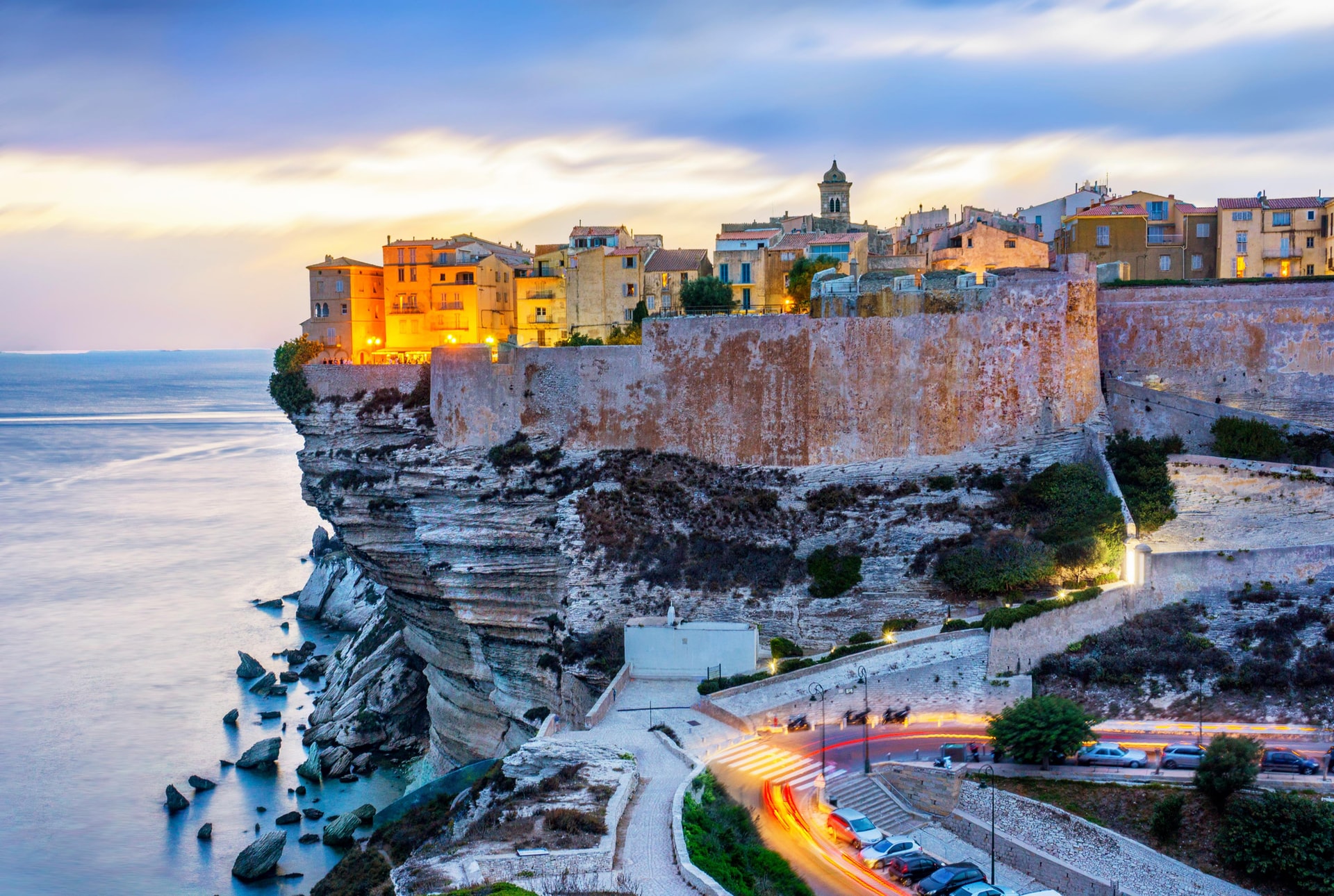
‘Gaux to the Mediterranean
Nothing delivers endless summer vibes like a mental escape to the Mediterranean. Sun-soaked days, turquoise waters, drifting off to the sound of boats rocking quietly in the harbor… what more could you ask for – besides a few glasses of delicious wine, of course? While hopping the next flight to the saline-tinged shores of the Mediterranean may not be in the cards, our ‘Gaux to the Mediterranean gift set promises a perfect at-home substitution. First stop? Corsica!
‘Gaux to the Mediterranean (Corsica) – What to Know
Main Regions: Cap Corse, Patrimonio, Calvi, Sartène, Figari, Porto-Vecchio
Grape Varieties: Nielluccio (Sangiovese), Sciaccarellu, Rolle (Vermentino)
Fun fact: Corsica is actually closer to Italy, though it has been part of France since 1769. More than half of Corsica’s wine is bottled under the regional Ile de la Beauté appellation, which translates to the island of beauty – fitting, right?
Visit the Mediterranean
Location / How to Get There: If coming from the USA, arrive in Charles de Gaulle or Orly and hop a quick flight to Bastia or Ajaccio. If you’re already in the south of France, head to Marseille and catch an even shorter flight (just 50 minutes!) to this breathtaking island – or if you’re feeling adventurous, grab the 10-hour ferry and travel by sea!
What to Know: Corsica is a rugged, jaw-droppingly beautiful island located between Provence and Tuscany. The terrain is dominated by majestic hillsides and staggering cliffs, the former of which are ideal places for cultivating grapes. The island benefits from a Mediterranean climate and ample sunshine, marked by low rainfall and a mosaic of soil types. Corsica is heavily influenced by its surrounding cultures, which is why many of its grapes and city names sound more Italian than French. The entire island falls under the generic Vin de Corse appellation, though seven AOCs are located within this overarching designation.
Not to Miss: To truly grasp the full spectrum of terrain (and beauty) found in Corsica, taking a full trip around the island is a must. We recommend renting a car and choosing a starting point, likely Ajaccio or Bastia, and doing a full 360 tour if possible. Although it may sound like a lot, the trip can actually be done in just a few days!
Producer Spotlight: Christophe Ferrandis of Clos Signadore
Although born in Marseille, Christophe Ferrandis’ strong Corsican roots ultimately led him back to the island. As a child, he spent summers with his uncle in Borgo, located just a hop, skip, and a jump away from the Mediterranean Sea. After working at Domaine Pibarnon in Bandol, Christophe made the leap to Corsica and worked as a consultant for a winery cooperative. While there, he built connections through his uncle and was eventually able to purchase a few hectares of old vines. As of 2001, Clos Signadore was established.
In 2015, Christophe planted two hectares of indigenous Corsican varieties on the eastern coast, not far from his uncle’s home. He now farms two distinct terroirs, Borgo and Patrimonio, which create very different cuvées and represent distinctly unique growing areas. All vineyards (regardless of location) are farmed organically and wines are produced naturally and with zero additives, save for a hint of SO2.
Mediterranean Wines Included
2019 Clos Signadore ‘A Mandria’ Patrimonio Vermentino
This 100% Vermentino is light bodied, aromatic, and super refreshing. Fruit comes from a one-hectare plot of 15-year-old vines rooted in limestone-clay soils and ferments with native yeasts. The wine ages for one year on the lees in stainless steel prior to bottling. Bright flavors of citrus fruits, crushed stones, and a touch of nuttiness lead to a zesty, thirst-quenching finish. Fun fact: ‘A Mandria’ means ‘sheepfold’ in the local Corsican dialect. We recommend enjoying the wine with moules frites, raw bar favorites, or fresh green salads for a delectable, island-influenced pairing.
2018 Clos Signadore ‘A Mandria’ Patrimonio Rouge
Can’t get enough medium-bodied reds in your life? Then this bottle’s for you – think of this wine as Italian-inspired Sangiovese with a twist (many locals in Corsica would call Nielluccio a close cousin of the grape). Similar to the ‘A Mandria’ white, this organic red comes mostly from clay-limestone soils in Patrimonio, ferments with native yeasts, and ages sur-lie prior to bottling. Notes of crunchy red cherries, fig, eucalyptus, tobacco, and fresh cut herbs lead to a palate-coating, lingering finish. Serve slightly chilled with grilled meats and veggies, roasted leg of lamb, or hearty Mediterranean-inspired mezze.
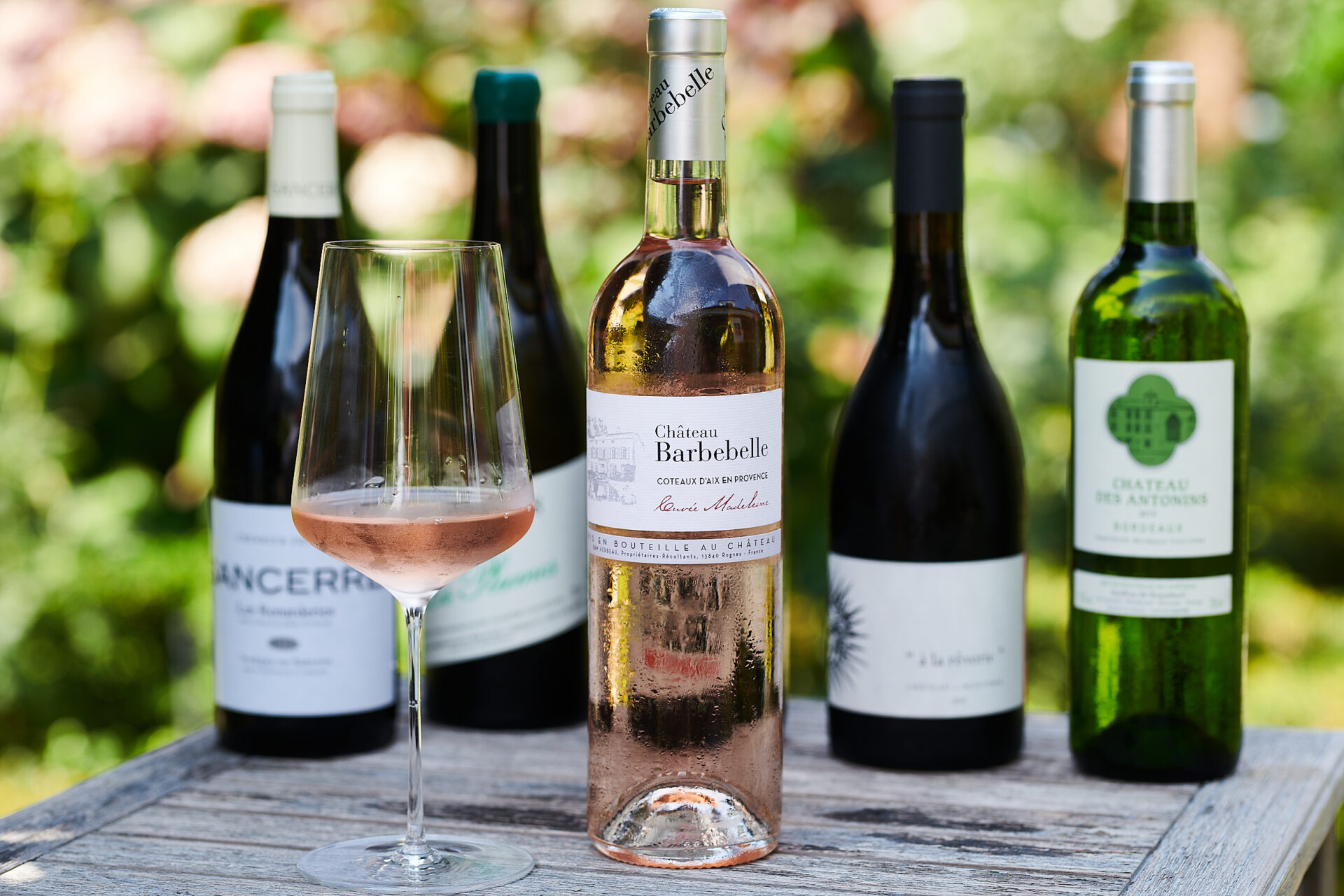
‘Gaux to France
Whether hopping the next flight to Paris or simply wanderlusting from your couch, escaping to France and drinking delicious wine go hand in hand. Home to some of the world’s most impeccable growing sites and greatest producers, it’s only natural that daily wine consumption has become embedded in French culture. Despite the rise of many other global wine-producing zones, long viticultural traditions rooted in innovation, regulation, and a standard for quality have kept France at the forefront of high-quality winemaking. It’s no surprise that the country remains a benchmark for other regions, growers, and consumers to admire.
‘Gaux to France – What to Know About French Wine
Main Regions: Loire Valley, Champagne, Alsace, Burgundy, Beaujolais, Savoie, Jura, Rhône, Provence, Corsica, Languedoc, South West, Bordeaux
Grape Varieties: Although there are hundreds of thousands of grape varieties in France, about 40 key varieties account for almost all of the country’s production.
Fun fact: Although Portugal created the first official wine designation, it was France’s Appellation d’Origine Contrôlée (AOC) system that truly put the concept of ensuring regional standards for quality and typicity on the map. (Bonus fact: France is also deemed the birthplace of the concept of terroir, a term with no direct translation that refers to the overall growing conditions of a specific place, including but not limited to climate, topography, soils, and more.)
Visit France
Location / How to Get There: Fly into Charles de Gaulle or Orly airport (likely the former) and arrive in the capital city of Paris. From there, accessing wine regions is as easy as renting a car or hopping on a high-speed TGV train.
What to Know: France is home to 13 major wine regions, all of which have a bustling oenotourisme scene. While the majority of major French cities will have some form of tasting rooms or wine tours available, getting out and visiting small producers is what really gets us excited. Do your research ahead of time, reach out for appointments, and get off the beaten path for a one-of-a-kind time.
Not to Miss: If staying in Paris, the most obvious trips to make are to Champagne and the Loire Valley. However, most viticultural regions can be accessed in less than three hours with the country’s TGV trains. For example, Strasbourg (Alsace) takes about two hours, Bordeaux takes around 2 hours and 15 minutes, and Aix-en-Provence (Provence) / Montpellier (Languedoc), around 3½. As much as we love Champagne and the Loire, there are so many accessible domaines just waiting to be discovered.
French Wines Included
Château des Antonins AOC Bordeaux Blanc 2019
Château des Antonins is housed in a 13th century convent originally built for the monks of the order of Saint Antoine. After the French Revolution, the property fell into the hands of the Roquefeuil family, who still own and operate the estate today. This latest vintage of their Bordeaux Blanc is as crisp and refreshing as it gets. Expect an explosion of honeysuckle, grapefruit, green bell pepper, orange blossom, and white pepper to lead to an herbaceous, mouth-filling finish. Produced from sustainably-farmed fruit.
Château Barbebelle Coteaux d’Aix-en-Provence ‘Cuvée Madeleine’ Rosé
Looking for the perfect bottle of rosé to carry you from happy hour straight through dinner? This easy-drinking bottle from Château Barbebelle is just the ticket. Produced from a classic blend of Grenache, Syrah, and Cinsault, this Provençal beauty shows flavors of strawberry, rose water, and germanium. Pair with a variety of apéro snacks, including crisp salads, goat cheese tarts, or a variety of fresh cheeses. Made from organic and sustainably-farmed fruit.
Domaine Rougeot Bourgogne Aligoté ‘Les Plumes’ Sans Sulfites Ajouté
If you’ve been following us for a while, you know that our love for Domaine Rougeot knows no limits. Fruit for this delicious Aligoté comes from an organically-farmed, 1.5-hectare plot rooted in clay-limestone soils. The wine ferments with native yeasts and is bottled without any added sulfites. Expect flavors of green apple skin, lemon curd, white flower blossoms, and a touch of coarse sea salt to lead to a harmonious, thirst-quenching finish.
Cherrier Frères Sancerre Rouge Pinot Noir
Based in Verdigny, Cherrier Frères is one of our go-to Loire Valley estates. Their domaine encompasses 30 hectares of vines spread across five villages in Sancerre and a handful of areas in Menetou-Salon. All farming is done sustainably, with the use of cover crops and elimination of chemicals implemented. Their Sancerre Rouge is everything you want Loire Valley Pinot Noir to be: medium-bodied, fruit-driven, and loaded with tons of acidity. Flavors of red berries, dried herbs, violets, and baking spice lead to a silky smooth finish. Enjoy slightly chilled with grilled salmon, mushroom pizza, or a variety of poultry-based dishes.
Domaine de la Bonne Tonne Morgon Grand Cras
For a crowd-pleasing red that promises to satisfy an array of palate preferences, look no further than Domaine de la Bonne Tonne’s Morgon Grand Cras. This juicy Gamay is loaded with flavors of cranberry, freshly picked cherries, baking spice, and a touch of red flowers. The wine was made from certified organic/biodynamic fruit and only 625 cases were produced. Throw a simple cheese and charcuterie board together, slap a slight chill on the wine, and get ready to have your thirst quenched!
Château des Antonins AOC Bordeaux Supérieure ‘Cuvée Spéciale’ Millésime Rouge
We’ve already shared our love for Château des Antonins’ Bordeaux Blanc above, though we’d be remiss to not share our equal appreciation for their Cuvée Spéciale Rouge. Crafted from a traditional blend of Cabernet Sauvignon (60%) and Merlot (40%), this rich and rustic wine shows flavors of black fruits, vanilla, toasted almonds, and a hint of sweet smoke. While powerful (yet drinkable) in its youth, the wine will continue to soften over the next 5-10 years.
Château de Montfrin AOC Côtes-du-Rhône ‘á la rêverie’ Rouge
As the name implies, this traditional Rhône blend is for the daydreamers (á la rêverie). Crafted from Grenache (80%), Syrah (10%), and Carignan (10%), this flavor-packed red oozes with notes of black cherry, red raspberry, citrus rind, white pepper, and leather. Château de Montfrin has been in winemaker Jean René e Fleurieu’s family since the mid-1800. It is a breathtaking property surrounded by 200 hectares of vineyards and olive orchards, all of which are farmed organically. This is the ideal BBQ wine. Light up the grill, throw on some burgers and ribs, and pop the cork on this tasty bottle!
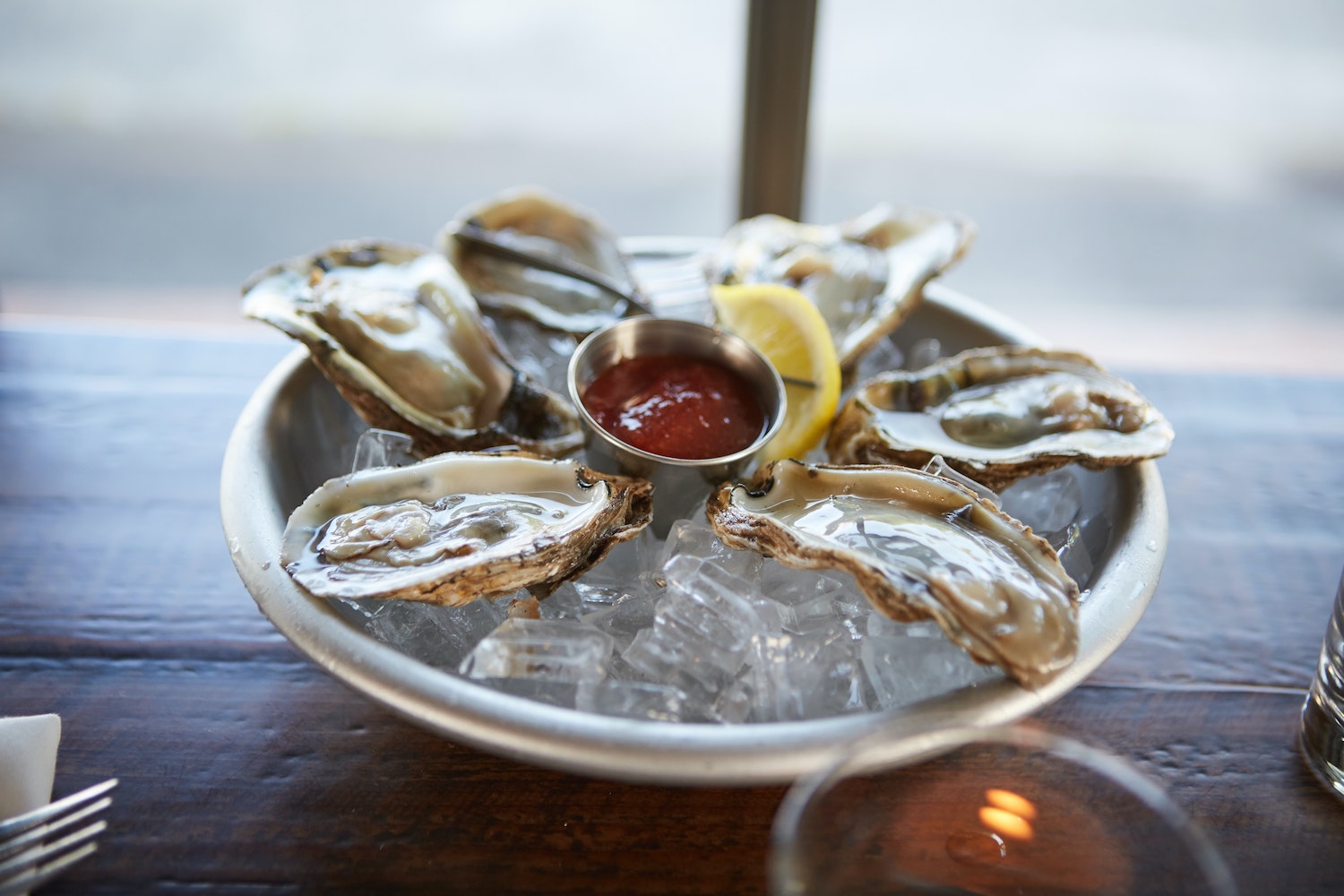
Best Wine for Oysters
Oysters and wine: a pairing for the ages. We’re willing to go out on a limb and say that oysters and wine were the first intentional food pairing ever made (realistically it was actually probably bread, but whatever.) We pair wine with food because these viticultural delights have a magic-potion-like ability to enhance or transform the subtler flavors of a variety of dishes, and are themselves made more interesting by the foods alongside which they are sipped. And with no food is this transformative power more apparent than the small-but-mighty oyster.
In this piece, we’re going to give you a few tips on selecting the right wines to go with your oyster bar, and offer up a few bottles from the Argaux collection that are perfect for pairing with a pile of bi-valves on the half shell.
How to Pair Wine With Oysters
First, the tricky bit: slightly different pairing rules exist for oysters from distinct locales. Different coasts experience different tidal conditions, temperatures, microbiomes, and other plant and animal influences, and all of these can have an effect on the precise texture and flavor of your oysters. Even oysters in the same ocean but from separate bays or islands may have completely contrasted flavors, and therefore different wine pairing recommendations.
For example, oysters from warmer waters tend to be meaty and salty, and may call for a more robust or buttery wine like a Chardonnay. Cold-water oysters, on the other hand, are typically a little more delicate, and prefer something crisp and fruity to lift them up.
While this is something to keep in mind, especially as you graduate from budding oenophile to sommelier-in-training, it doesn’t need to be this complicated. In general, the best wines to pair with your oysters tend to be on the more acidic side. Think of it like the splash of mignonette or squeeze of lemon juice you sprinkle onto your oysters before consuming — an acidic wine will do the same thing, allowing both the beverage and the mollusk to shine on your palate.
Best Wines With Oysters
2021 Chateau Barbebelle Aix-en-Provence ‘Héritage’ Rosé -$28
This rosé is the haut monde, the crème de la crème, if you will. We find it best paired with an elegant cocktail hour or enjoyed with friends at a garden party. The wine is a unique blend of Cabernet Sauvignon, Grenache, and Syrah; its balance and finesse of this rosé is unparalleled.
NV Delavenne Père & Fils Brut Nature Grand Cru Champagne $55
A Prosecco for all occasions — delicious, floral, crisp, and delicate (not to mention wonderfully affordable.) It’s also so, so refreshing and makes for an amazing spritzer if you’re feeling so called. Recommended for salty cheeses and charcuterie boards, we love it with Oysters Au Gratin.
2021 Dominique Roger ‘Domaine du Carrou’ Sancerre– $34
This wine is the squeeze of lemon we were talking about. A citrusy bouquet backed up on the palate by fresh fruits creating a truly ideal acidity, the French Sauvignon Blanc has the power to cut through grease or elevate a more minimalist oyster preparation. We’re having them fresh, with a splash of malt vinegar.
2019 Domaine De Oliveira Lecestre AC Chablis – $35
A Chablis is one of the more classic pairings for dockside oysters. And this spectacular Petit from Burgundy is no different. Made from younger vines, notes of lemon zest, apple, honeysuckle, steel, and cream shine through in every biodynamic bottle. Enjoy with oysters, prepared however you like them most.
Best Wine for Oysters from Argaux
If you still want to learn more about pairing wines with food — everything from oysters to hot cheetos — Argaux has just the thing. We paired with Vanessa Price to bring you a Food & Wine Pairing Kit that allows you to learn all you can about which wines go with what. Each kit comes with a copy of Vanessa’s book as well as 2 bottles of hand-selected wines from our collection.
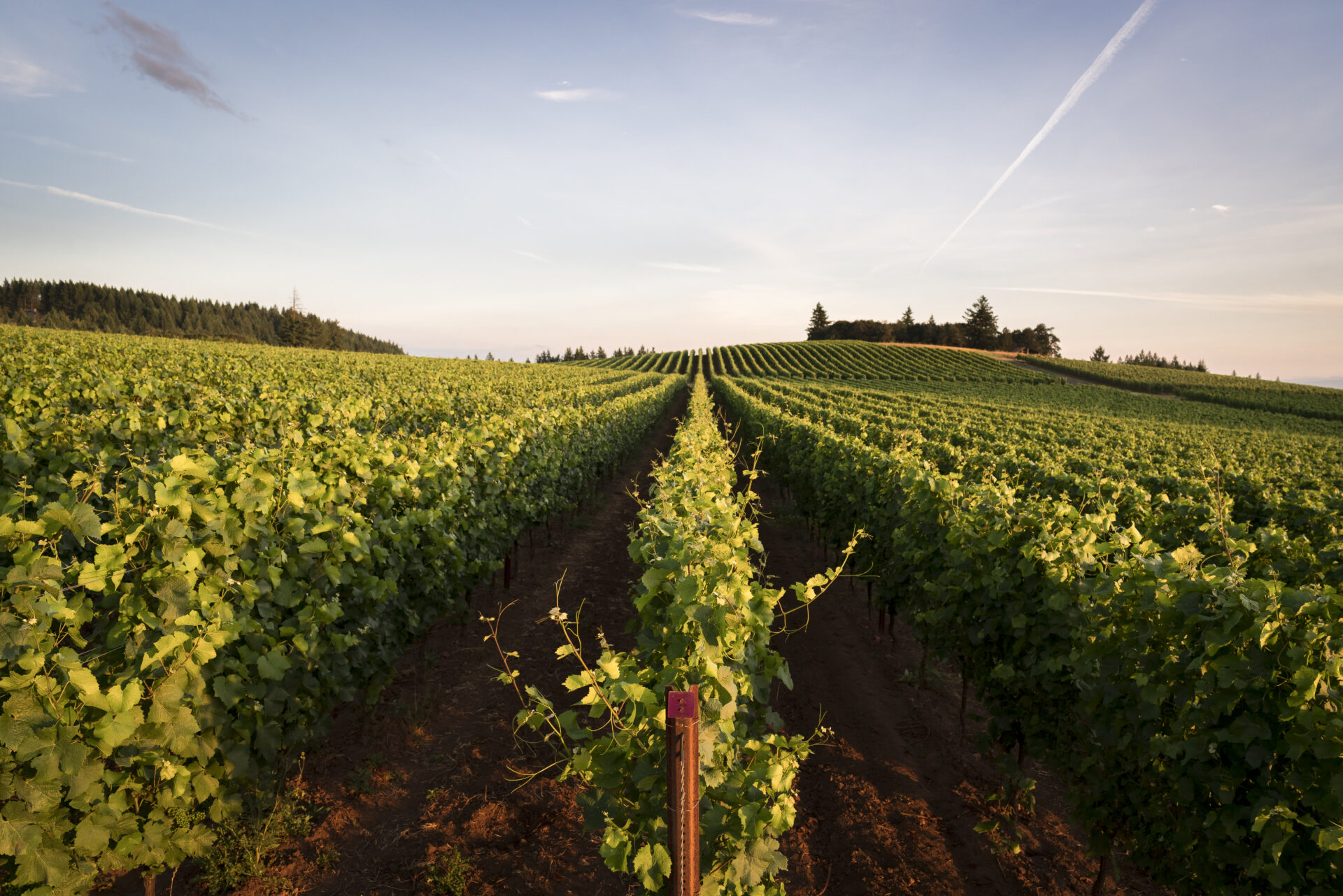
6 Go-To Wines to Keep You Warm This Fall
[vc_row][vc_column][vc_column_text]
As much as we hate to kiss summer goodbye, there’s no season we love more than the fall. Known for crisp afternoons, cozy nights, and a continuous sense of harvest looming in the air, fall months provide us with some of the greatest drinking opportunities of the year. Looking for some inspiration? We’ve rounded up six of our go-to bottles for seasonal fall sipping, as well as the situations in which we prefer to enjoy them most. Check ‘em out here (and don’t forget to tag us on IG to show us how you #sipintofall! @_argaux_)
Shop the Seasonal Six: Fall Edition now! 6 wines for $150, limited availability
[/vc_column_text][/vc_column][/vc_row][vc_row][vc_column][vc_empty_space][/vc_column][/vc_row][vc_row][vc_column][vc_single_image image=”36640″ img_size=”large”][/vc_column][/vc_row][vc_row][vc_column][vc_empty_space][/vc_column][/vc_row][vc_row][vc_column][vc_column_text]For Tailgate Gatherings – 2019 No Name Santa Barbara County Chardonnay
Tailgating parties are undeniably one of the best parts about fall, and having a solid stash of delicious bottles to drink is key. For those who prefer to ditch the hard seltzers and sip on something more complex (that doesn’t break the bank), look no further than this Santa Barbara Chardonnay from No Name. Vibrant flavors of yellow apple, wet stones, lemon zest, and a touch of vanilla lead to a ripe, palate-coating finish. Despite its medium-bodied weight, the wine remains balanced by ample amounts of zippy acidity. We can’t sing its praises enough! Sip with chips, dip, and all things snackable. [/vc_column_text][/vc_column][/vc_row][vc_row][vc_column][vc_empty_space][/vc_column][/vc_row][vc_row][vc_column][vc_column_text]For Golden Hour – 2020 Domaine Marc Portaz Vin de Savoie Apremont
Golden hour screams for something that matches the weather – cool, crisp, and utterly refreshing. Enter Marc Portaz’s Vin de Savoie from Apremont. This delicious varietal Jacquère shows notes of green apple, honeysuckle, crushed stones, and white pepper. Fruit comes from hand-harvested, steep hillside vineyards planted on and around the French alps. In the cellar, the wine If you love zesty whites from Chablis and Sancerre, this bottle is for you. Pair with grilled chicken, Alpine-inspired fondue, or creamy potato soup to satisfy your early fall cravings.[/vc_column_text][/vc_column][/vc_row][vc_row][vc_column][vc_empty_space][/vc_column][/vc_row][vc_row][vc_column][vc_column_text]For Fireside Sipping – 2018 Cherrier Frères Sancerre Rouge
The return of fireside sipping is one of our favorite things about fall. Whether gathered around a fire pit or posted up indoors, this bottle of Sancerre Rouge from Cherrier Frères is certain to fit the mood. Crafted from organically-farmed Pinot Noir, this light to medium-bodied red jumps with flavors of crunchy red berries, dried herbs, violets, and baking spice. For a high-acid red with low levels of tannins (hello, chillable red!) this bottle is the answer. Pair with a variety of foods, including grilled mushrooms, roast chicken, or various game bird dishes.[/vc_column_text][/vc_column][/vc_row][vc_row][vc_column][vc_empty_space][/vc_column][/vc_row][vc_row][vc_column][vc_column_text]For Your Thanksgiving Table – 2019 Flâneur Pinot Meunier
When it comes to choosing your Thanksgiving Day bottles, seeking out wines that are refreshing, versatile, and crowd-pleasing are key. To us, this means high-acid, low tannin reds that come alive when served with a chill. Although Gamay and Cabernet Franc are the general go-to picks, this varietal Pinot Meunier from Oregon promises to give the grapes a run for their money. Crafted from organic and biodynamically-farmed fruit in Carlton, this light-bodied wine jumps with flavors of crushed raspberries, blueberries, lavender, and warm baking spices. Delicate tannins and energetic acidity promise to keep your palate watering, no matter how you load up your Thanksgiving Day plate![/vc_column_text][/vc_column][/vc_row][vc_row][vc_column][vc_empty_space][/vc_column][/vc_row][vc_row][vc_column][vc_column_text]For Game Night In – 2016 Château des Antonins Bordeaux Rouge
Game night requires something subtle, classic, and packed with a little bit of oomph. Lately, we’ve been turning to Château des Antonins Bordeaux Rouge. Crafted from 53% Merlot, 45% Cabernet Sauvignon, and a smidge of Cabernet Franc, this medium-plus bodied wine oozes with flavors of black currants, plums, wet gravel, cedar, and tobacco leaf. For something with a bit of grip (and loads of texture), this classically elegant Bordeaux Blend is just the ticket. Serve with burgers, duck, or hearty seasonal stews.
[/vc_column_text][/vc_column][/vc_row][vc_row][vc_column][vc_empty_space][/vc_column][/vc_row][vc_row][vc_column][vc_column_text]For Homemade Pizza Night – 2020 Guido Porro Dolcetto d’Alba ‘V. Pari’
Every year, we look forward to sourcing our favorite fall ingredients and creating homemade pizzas amongst friends. Although there are plenty of wines that go well with fall-inspired pizzas, we often stick with our go-to Italian reds for the sake of keeping the “grows together, goes together” theme alive. This tasty varietal Dolcetto shows flavors of wild strawberries, red plums, cranberries, holly, pine needles, and cinnamon bark – think of it like Gamay meets Barbera meets Loire Valley Pinot in the best way possible. Serve with a slight chill and get ready for a delicious pairing.[/vc_column_text][/vc_column][/vc_row][vc_row][vc_column][vc_empty_space][/vc_column][/vc_row][vc_row][vc_column width=”1/3″][vc_single_image image=”36629″ img_size=”medium”][/vc_column][vc_column width=”1/3″][vc_single_image image=”36650″ img_size=”medium”][/vc_column][vc_column width=”1/3″][vc_single_image image=”36637″ img_size=”medium”][/vc_column][/vc_row]
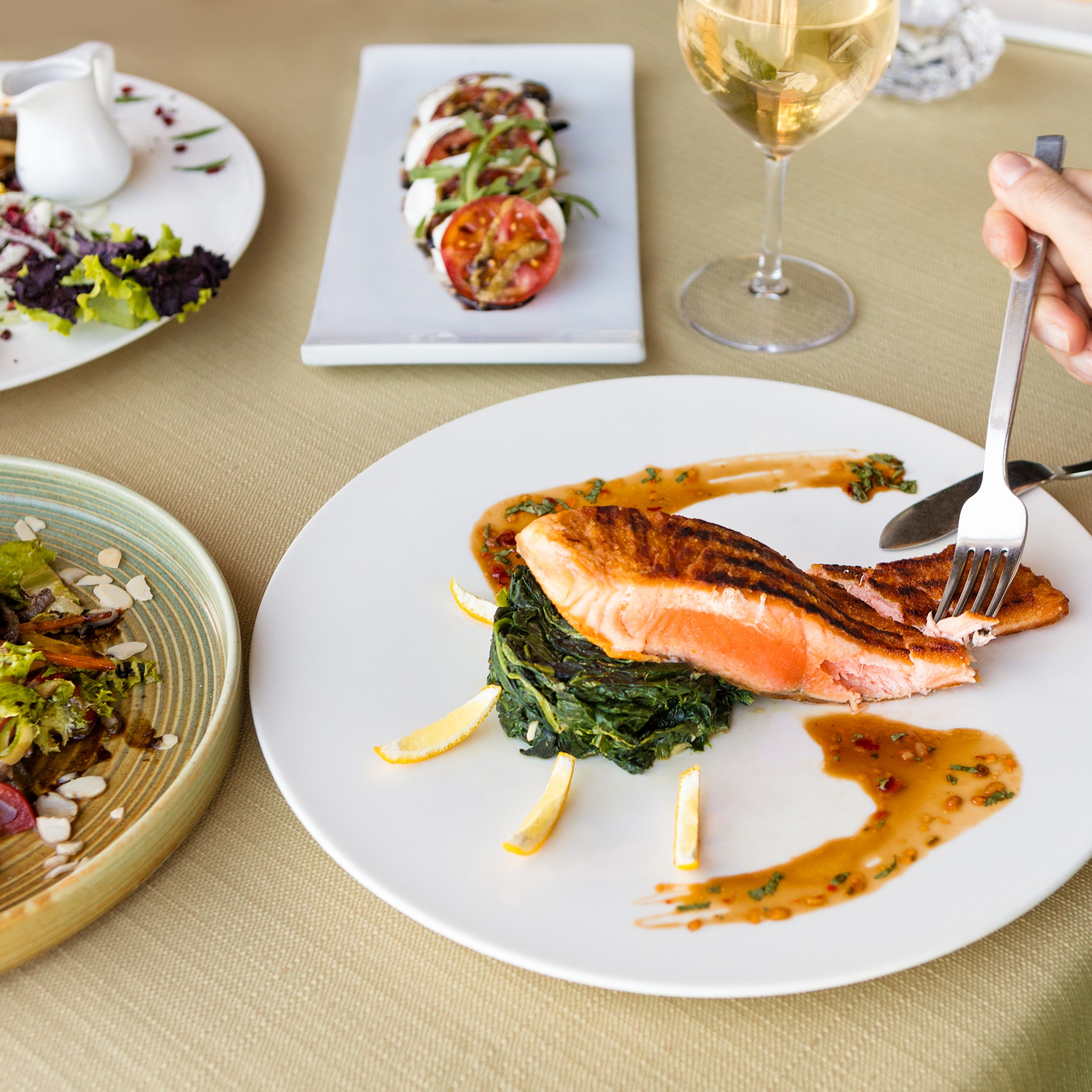
Best Wine for Salmon
Salmon are magical animals. Their lives are epic: they hatch from eggs laid in freshwater, swim hundreds of miles to the ocean to mature and grow, then swim back to the same stream in which they were born to spawn and perpetuate the species. Their bodies undergo baffling biological changes that allow them to breathe both salt and freshwater, and research seems to point to them having the equivalent of a compass in their bodies which means they can navigate with the precision of a contemporary sailor. They are powerful, beautiful, and lore-rich creatures that deserve our respect and admiration.
And one of the ways we as humans can honor the lives of this all-important member of the ecosystem is by eating them reverently, using careful preparations and pairing them with select wines that help tell their story by uplifting the unique and rich flavors in salmon meat.
Here we’ll tell you a little of what we know about pairing wines with this wonderful fish, and give you a quick glance into the most salmon-friendly bottles we have in our collection.
How to Pair Wine With Salmon
The most important thing is that you are enjoying your meal. So regardless of what wine technically goes with salmon, if you have a favorite vino you’re just dying for a glass of, that’s the right wine to drink with your fish.
But if you want to get technical, here’s how it works.
Salmon is a unique puzzle in the seafood world because it is so unlike other fish. It is a dense and fatty meat with a powerful flavor which is bold and rich enough to shine through even the heaviest seasonings. This means salmon is able to stand up well to bolder and more tannic reds: a rare feat in the fish world. Salmon is also incredibly oily, however, and does best when uplifted by light whites, lighter reds, dry rosés, and a bit of bubbles here and there.
As per usual, the preparation will determine an exact match, and you want to have your recipe down pat before making your beverage selection. When in doubt, think color-match: reach for a bottle of the pink stuff.
Best Red Wine for Salmon
- 2020 Domaine Rougeot Bourgogne Passetoutgrain ‘Sans Sulfite’ – $38
- 2017 Storm Donnachadh Vineyard Sta. Rita Hills Pinot Noir – $55
Dark and deep, like a red jewel hidden somewhere beneath the leaf litter of a redwood forest floor. This Pinot Noir lives up to the “noir” in its name, offering funky rich black fruits followed up by a surprisingly bright acidity. A ray of sunlight hitting the damp woodland soil. Sip alongside teriyaki glaze for salmon.
70% Gamay + 30% Pinot Noir. Both grapes are sourced from “Les Verchérres,” harvested at the same time and co-fermented to produce this Passetoutgrain. This wine is medium-bodied with great texture and balance. It is bright and lively on the nose with hints of bing cherry, tart cranberry, and potpourri. Crunchy red fruit shines on the forefront of the palate with earthy undertones and minerality giving the wine complexity on the mid-palate. The finish is long with velvet tannins. Enjoy with roasted salmon and sautéed mushrooms, shallots and fresh herbs
Best White Wine for Salmon
- 2019 Domaine De Oliveira Lecestre AC Chablis – $35
A clear, fresh wine with strong aromas of white flower, a hint of lemon and ripe grapefruit. On the palate it is medium bodied with flavors that develop from fruit on the forefront to earthy pine nut and chalky minerality on the long and fine finish. It’s simply begging to be served alongside a classic salmon piccata.
- 2021 Herd & Hart Western Cape Sauvignon Blanc – $20
This Sauvy B is incredibly refreshing. It has hints of tart lemon, lemon flowers, kiwi, green apple, pungent herbs and finishes off with a saltiness. It is just that touch of ocean sea breeze that reminds you it’s from the Western Cape. It is incredible with salmon poke or salmon sushi!
Best Rose Wine for Salmon
- 2020 Château Montfrin ‘Paumiste’ Rosé – $18
A courtside staple for sunny-skied tennis sessions, this rosé promises to replace mimosas as our brunch-drink-of-choice. Strawberries, peaches, citrus and sharp lavender invite you in through the nose, while pomegranate and savory herbs hold you there until the bottle has been drained. Light, tart, fragrant and fresh, this is the wine to have with bagels and lox. - NV Delavenne Père & Fils Brut Rosé Grand Cru Champagne – $60
If you have any doubts about the above bottles, this bubbly vino is now required reading. Effervescent, fruity, and SO much fun, this versatile bottle of bubbles will pay proper tribute to salmon no matter how you’re having it. Delavenne’s mono-cru Grand Cru Bouzy Brut Rosé is created by blending Pinot Noir and Chardonnay from two selected harvests with the estate’s famous Bouzy Rouge. Expect a creamy persistent mousse and an elegant, mineral-laced finish. Treat yourself and enjoy it with Slow-Roasted Salmon with Fennel, Citrus, and Chiles!
Best Wine for Salmon from Argaux
Shop all of our fish-friendly selections: Here
And make sure to pick up Big Macs & Burgundy – Wine Pairings for the Real World by Vanessa Price to learn more about the art of food & wine pairing. It is meant as a gentle invitation to start thinking about your daily bread (guilty pleasures and all) and how you can elevate those take-out treats by drinking some truly awesome wine alongside. Her book also includes healthier and more refined fare, including recipes for our beloved fishy friend the salmon.
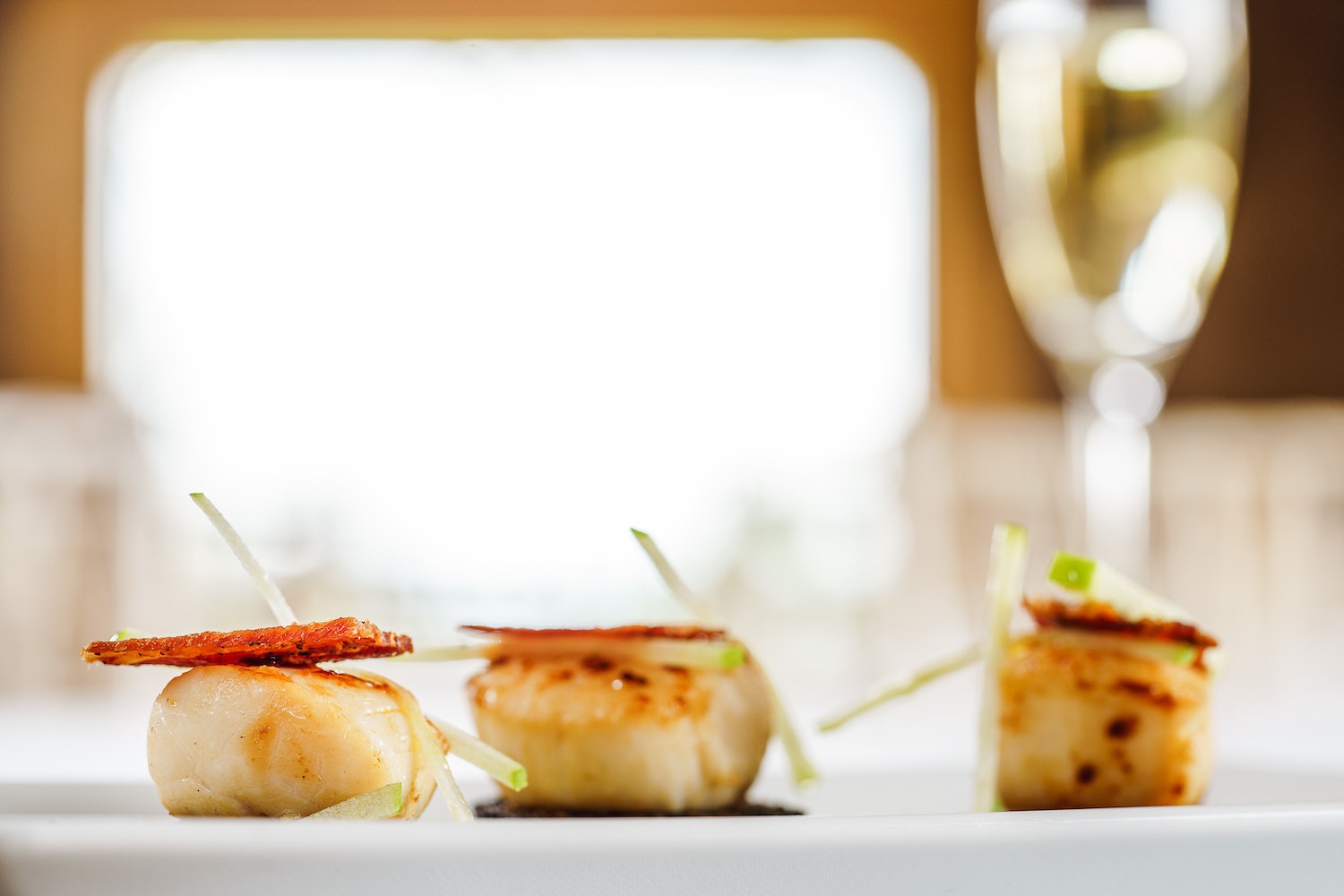
Best Wine for Scallops
Their shells symbolize beauty, grace and love, and their succulent and delicate meat is unlike any other seafood we’ve ever tried. A mouthwatering mollusk which is also capable of producing pearls, scallops are a rich delicacy often associated with luxury and many of the finer things in life — art, opera, and wine, to name a few.
A really fantastic scallop recipe can anchor a meal, even if it’s served as an appetizer, and pairing the right wine with these delicious morsels is an artform in and of itself. Here, we’re going to teach you how to go about choosing a viticultural delight to match your fruit de mer, and give our recommendations for delicious scallop-ready bottles we have in our collection.
How to Pair Wine With Scallops
In general, scallops prefer to be paired with white wine (bonus points if it’s bubbly.) Fatty, cream-forward preparations work well with smooth and buttery whites like a Chardonnay, and more acidic whites will help to elevate a finer dish and bring out the mollusk’s complexity.
When in doubt, match your wine to the sauce rather than the fish itself. Cream sauces and butter preparations love a crisp, dry wine like a Pinot Grigio to cut the fat. Raw dishes pair well with a wine on the more mineraly side. Smoked, grilled or seared scallops call for something sparkling.
You can invite a red wine to your scallop dinner, but we urge caution. While rich and unctuous in texture, the flavor of scallops on their own is subtle, delicate, and easily overwhelmed by the bolder tasting notes and heavy tannins in some of the more full-bodied reds. Err on the side of sweet and light if you’re a red-wine-only type.
Best Red Wine for Scallops
- 2019 Domaine de La Bonne Tonne Morgon ‘Côte du Py’ Beaujolais – $45
Earthy, rich, and bragging that beautiful and storied terroir of its Burgundy appellation, the Côte du Py is a surprising but undeniably delicious pairing for a simple seafood dish. Fruity with notes of overripe cherries and raspberries in the nose and cooked cranberries on the tongue, we recommend drinking this wine alongside a serving of seared salted scallops.
- NV Anthill Farms North Coast Pinot Noir – $28
As one of the lighter reds, a good Pinot is usually the red you’d reach for if you’re serving scallops. And this is a great Pinot. Moderate tannins and light acidity give it an unusual and uplifting texture while spice, plum, cherry, and apples make it distinctly delicious. Anthill Farms focuses on producing Pinot Noir, so you know they know what they’re doing. Pair with sauteed bacon-wrapped scallops, or these miso broiled scallops for an umami-forward treat.
Best White Wine for Scallops
- 2020 Cherrier Frères Sancerre Blanc – $28
Say that three times fast. This crisp Sancerre fronts citrus, white flowers, and a curious tinge of gunflint that will have you transported to summery aftertoons in the countryside, sitting under a hot tin roof. Bright and balanced, we recommend pairing this wine with your favorite butter or cream-centric scallop dish.
- 2019 Orso Friuli-Venezia Giulia Pinot Grigio – $28
Fresh, green, fruity, and floral, this Pinot Grigio injects a badly-needed dose of liveliness into an otherwise blase varietal. A balanced flavor and crisp texture make it an ideal pairing for the mollusk of the day, and it’s versatile enough that it will match any number of different preparations. We say do the bear on the label proud and have this wine with raw scallop sashimi in ponzu sauce.
- 2019 Pierre-Yves Colin-Morey Santenay Comme Dessus Blanc – $67
Another Burgundy-born beauty, the Dessus is another bright and fruity wine ripe with apples and citrus brightened by notes of chilling herbs and sweet flowers. Its acidity makes it ideal for cutting through fattier dishes, and we recommend pairing it with this recipe for seared scallop ravioli in lemon rosemary butter.
- 2019 Pierre Girardin Corton-Charlemagne Grand Cru – $295
An exquisite bottle bearing all the regal pedigree of the 60-year-old Burgundy vines from which its grapes were harvested. This is a special wine that should absolutely be shared on a coastal cliff with one or two of your favorite people. Serve reverently alongside ginger-boiled scallops.
- 2017 Peay Vineyards Estate Chardonnay Sonoma Coast – $32
A surprisingly acidic Chardonnay that’s here to break all the rules. Fruity and citrusy with a hint of almond, it still clings to that baked-good flavor so typical of a tasty Chard, but its salinity and notes of mint make it an utterly unique experience. But still a Chard, this wine pairs well with caramelized scallops in onion butter.
Best Rose Wine for Scallops
- 2020 Girolamo Russo Etna Rosato – $34
An island Rosato with a balanced bloom that brings us back to the days when Sicily was inhabited by priestesses of Aphrodite. Raspberry, peach, and pepper aromas make way for a delightfully saline and mineral-forward finish. Pair with a classic scallop and pea shoot salad.
- 2020 Purity Wine Co “The Estates” Pet Nat – $26
It’s dessert in a bottle. This Pet Nat is a spectacular, natural blend of Merlot, Cabernet Sauvignon, and Zinfandel grown primarily in Mendocino County, California. Fruit and flower forward with a delightful note of strawberry sorbet at the end, this wine should be paired with something spicy, like these Thai chili scallops.
Best Wine for Scallops from Argaux
Argaux’s number one mission is to help budding oenophiles learn about wine. And the fastest way to do that is to drink wine — preferably alongside your favorite snack. That’s why Argaux has released our Food and Wine Pairing 101 kit, coming complete with 2-4 bottles of hand-selected wines from our collection, and a copy of Vanessa Price’s Big Macs and Burgundy to help you learn what wine to drink when.
Or, reach out to us and tell us what’s on the menu for scallop night and we can give you a special recommendation straight from our cellars.
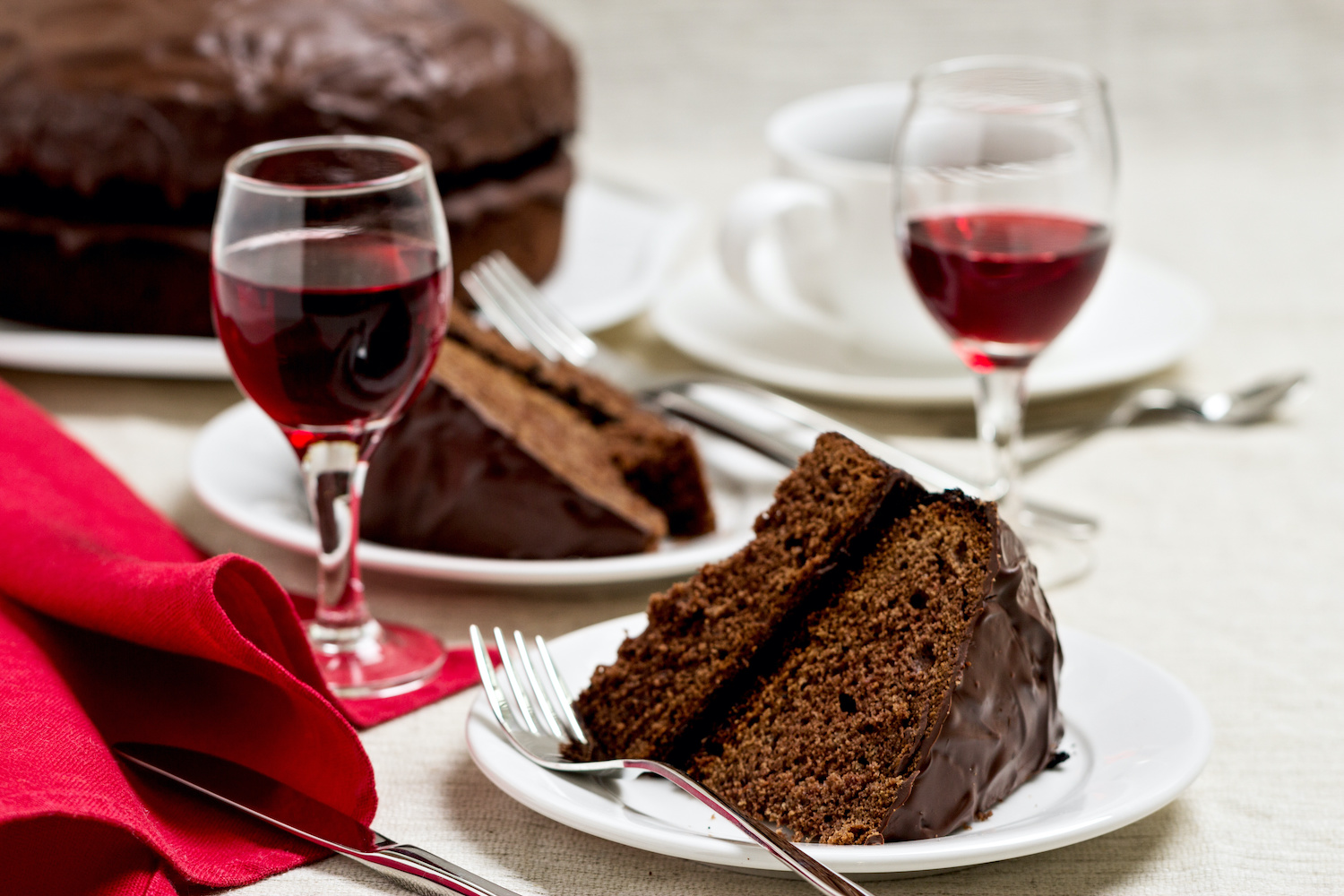
Best Sweet Red Wine for Beginners
Wine can be a bit of a challenge if you’re not already a fan of the genre. And we don’t mean the culture, history, or complex tasting techniques — you don’t have to know anything about any of that in order to appreciate a good vintage. But a lot of people have never met a bottle they like, and despite a curiosity for all that wine has to offer, can’t seem to bring themselves to ever finish their glass. Especially when it comes to reds.
White wines are usually where beginners start. They are generally very light and usually on the sweeter side, so it’s an easier transition to make if you’re used to sipping sodas or cocktails. Red wines are a bit more complicated and with a much wider range in terms of texture and taste. Reds can be sweet and fruity, or downright chewy with tasting notes like “sawdust” and “gunpowder” (we promise it tastes better than it sounds.)
If you’re new to wine and have decided to take the first steps into the world or the Rosso, we recommend saving the heavier stuff for later in your journey. For now, stick to the sweeter end of the scale for a delicious and totally drinkable experience.
How to Choose Sweet Red Wine
There are two ways in which red wine can express sweetness, or the illusion of sweetness. One is through actual sugar content, and the other through the individual wine’s unique tasting notes.
If you prefer two lumps of sugar in your tea, choose your reds by taking a quick peek at a bottle’s alcohol content. The lower the alcohol level, the sweeter your wine will be.
This correlation is due to interventions made during the fermentation process: alcohol is created when yeast consumes the sugars in grape juice. Wines left to ferment for longer will have a higher alcohol content, but will be much dryer. When fermentation is stopped early, the yeast will cease converting sugars into alcohol, and more of the sugar will be left in the wine, resulting in a sweeter beverage.
If you like sweet but don’t need sweet, you can also look at what flavors you should expect to taste in your wine. Dry or semi-sweet wines often have fruity palates that will trick an inexperienced tongue into thinking their bev is sweeter than it actually is.
Here are some of our favorite sweet red wines from the Argaux collection.
8 Best Sweet Red Wines for Beginners
- 2018 A Tribute to Grace Grenache – $30
A smooth and graceful red — as the name implies. Technically a semi-sweet, this Grenache is gentle with notes of citrus, berry, rose and spice which beautifully balance its medium acidity and tannins. Grapes grown using biodynamic farming practices on the Central Coast of California.
- NV Fattoria Moretto Lambrusco Grasparossa di Castelvetro Secco – $22
Beginner oenophiles are always surprised to learn about sparkling reds. And this Secco is a great introduction to the genre! Lambrusco is a semi-sweet and candy-forward grape that converts wonderfully into a bubbly beverage. This herbaceous and berryful wine leans a little on the dryer side, but serving it chilled helps to tame some of the tannins and bring out the subtler flavors.
- 2019 Arnot Roberts North Coast Trousseau – $35
Another chillable red that feels more like a summery spritzer than the bodacious California red that it is. Floral notes lifted by citrus and spice keeps things interesting but utterly accessible and delicious. If you’re getting to know reds for a dinner party you’re throwing, this is the wine to get — a Trousseau that truly pairs with everything!
- 2018 Piro Presqu’ile Vineyard Pinot Noir – $88 (MAGNUM)
Pinots are everyone’s first favorite red. Typically on the dryer side, you would never know it because of their light bodies and jammy flavors. This Pinot is earthy and rich but with delicious red fruits like strawberries and cherries in both the nose and on the tongue.
- 2019 Breton Val de Loire Rouge Grolleau – $29
Berries, berries and more berries! This old vine wine is sweet but spicy, earthy and herbaceous with fresh raspberries, cherries and other mystery fruits that burst on the palate. Bright and tangy but dipped in honey. Serve chilled with melty brie and Francoise Hardy.
- 2020 Guido Porro Dolcetto d’Alba ‘Vigna Pari’ – $24
A complex and utterly drinkable red from Northern Italia. Spices like cinnamon and clove, botanical notes like holly and pine, fruits like strawberry, cranberry, cherry and plum fill each glass to the brim with flavor. Gentle tannins, medium acidity and Dolcetto sweetness mean it’s also super accessible to beginners.
- 2014 Churchill’s Late-Bottled Vintage Port – $33
Port is one of the true sweet wines on our list today, often served alongside rich and sticky desserts (or often AS dessert.) Fortified after fermentation, Port has the added benefit of being strong as well as sweet.
- 2019 Domaine de la Tour Vieille Banyuls “Rimage” – $35 (500ml)
This wine has a storied history as rich and deep as the flavors it offers your palate. A second fortified wine, this technique was originally used to supply sailors with drink that wouldn’t spoil on a long sea voyage. Today, its delectable fruity-sweetness is best enjoyed alongside a tiramisu or chocolate mousse.
Choosing Sweet Red Wine with Argaux
Beginners just getting into wine should think about stretching their legs with Argaux’s Blind Tasting Kit. If you’ve tried enough wine to decide you don’t hate it, Argaux can help you quickly learn more about the viticultural delights with 2 – 4 hand-selected bottles from our collection, as well as a comprehensive tasting guide that will show you how to get the most out of your wine-drinking experience, and figure out what you like. Order today and enjoy!
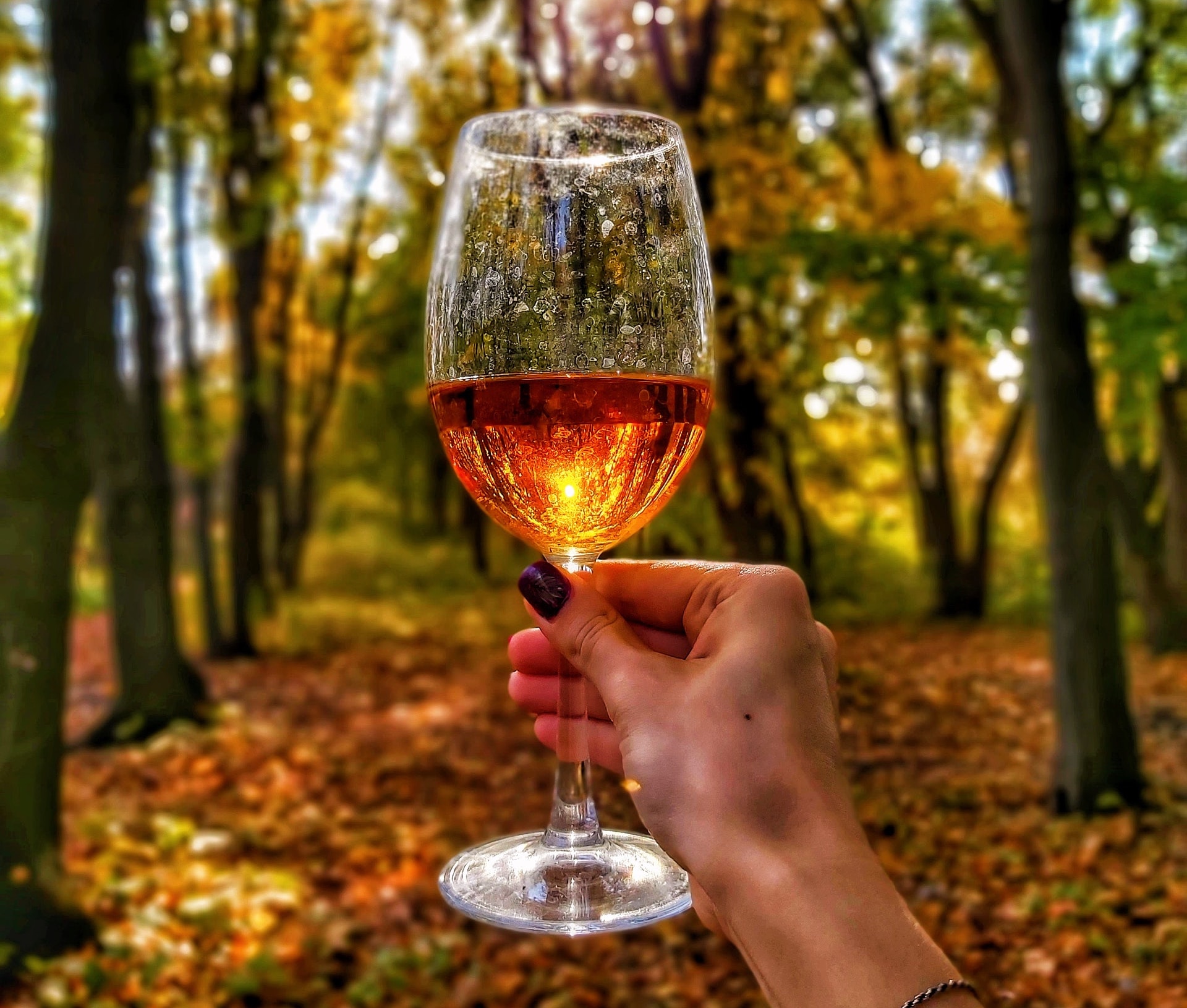
Best Wine for Autumn
Summer is winding down. The hot-weather party animals are packing up their barbecues, pulling back from the beaches, and getting ready to go back indoors. The party still rages on — just in a much cozier way.
Many of our recent posts have been chock-full of wines we describe as “summer in a bottle,” or “drinkable sunshine,” or “like drinking from the fountains of youth.” And believe us, we’re definitely going to stash a few of these away for an especially rainy day when the weather starts to turn frightful. But as the leaves start to turn, so does the vibe, and Autumn calls for something a little darker, and a little deeper.
Whether you’re cozying up by the fire, buckling up for a super-productive fall season, or gleefully prepping for the upcoming Autumnal holidays, there is a wine to get you through. Here is our guide to finding the perfect wines for the fall season.
What to Look For in an Autumn Wine
Your first instinct is probably to reach for the darkest bottle of red you can possibly procure. And you’re right: red wine is ideal for fall for a number of reasons. Usually served at room temperature, red wines won’t cool you down in chilly Autumn temperatures. And tasting notes in red wines better reflect the seasonality than white wines typically can: reds are full of dark fruits, baking spices, woodsmoke, and cozy, nostalgic flavors like leather and tobacco. Red wine is mood music for fall’s moody playlist.
That being said: you are by no means required to drink only red wine during the upcoming season. There are of course plenty of white and Rosé wines with the right tasting notes and overall feeling that will set you up for carving pumpkins, baking apple pie, and doing back-to-school shopping.
If you’re looking for a fall-ready white, keep your eyes peeled for wines on the chewier, more buttery side. Wines emphasizing spice and oak over juicy fruits will make a great companion in the darkening days.
If you’re a fan of Rosé, the same rules apply. Dry varieties like Grenache or Cinsault-derived bottles offer a spicy boldness that is much more fall-friendly than their sweeter cousins (white Zin, for example.)
As usual, the bottom line is this: drink what you like! If thinking too hard about pairing wine with the weather is getting you down, close your phone and go buy a bottle of the wine with the prettiest label. But if you want to learn more, stick around for some of our favorite fall wines.
Best Red Wine for Autumn
- 2019 Notary Public ‘Curtis Vineyard’ Carbonic Cabernet Franc – $26
Drinkable at any point during the fall OR summer, we recommend this delicious Cabernet Franc as a transition wine while you’re still eeking out the ever-shrinking daylight hours for a few more last-minute barbecues. Chillable, fruity at first sip with a spicy and herbaceous finish, this wine is perfect for welcoming in the Autumn months.
- 2018 Finca Torremilanos ‘Los Cantos’ Tempranillo – $22
A quintessential Spanish wine for a quintessential Autumn experience. This Tempranillo from woman-owned winery Finca Torremilanos is aged in oak barrels for sixteen months, imbuing it with a distinct and lively palate rich with red berries, tobacco and chocolate. Grab a quilt and a glass of this wine, and get ready to love Fall 2021.
- 2018 Damilano Barbera d’Asti DOCG – $22
Anyone who does anything in the kitchen this Thanksgiving gets a glass or two of this classic Barbera. We wouldn’t call you out for splashing a generous pour of this wine into whatever it is you’re cooking, either. Lavender, nutmeg and red fruit in the nose and vanilla, cherries, and currants make it feel like a fall-themed dessert all its own.
Best White Wine for Autumn
- 2017 Silkman Hunter Valley Semillon – $22
A deceptively summery wine, this Semillon should be a staple at every dinner table in the coming months. Citrus, honey and stone fruit make this dry and delicious white a credit to its varietal. Its archetypal beeswax notes do the work of evoking the fall feeling — candles burning in windows, on tables, and in Jack-O-Lanterns.
- 2019 Maison d’Amis Clarksburg Chenin Blanc – $23
Dry, light, and low in alcohol, this is the wine you keep around for long, long nights by the fire, or a quick lunch between classes. Bruised and overripe fruits wrapped in buttery pastry on the tongue conjure images of past-season orchards getting ready to shed their leaves and begin the growth cycle once again.
- 2018 Scar of the Sea Sauvignon Blanc Cofermented Cider – $18 (half-bottle)
It just wouldn’t be fall without apple cider. This exquisite marriage of grape and apple wine is made by fermenting apple juice, aging the product, and then re-fermenting it after introducing Sauvignon Blanc grapes and lime leaves for some added oomph. An utterly unique and absolutely delicious Autumn staple.
Best Rosé Wine for Fall
- 2019 Storm Santa Barbara County Grenache Rosé – $25
As savory a Rosé as Rosés get. Summer fruits and flowers draw you in by your olfactory senses and light red fruits keep you there long after with a delicious minerality. Rosés give off a youthful vibe (probably because they’re pink) but this one, deep and balanced and made from grapes grown on older vines, promises an Autumnal sophistication.
How Argaux can Help with Fall Wines
If you’re looking for a way to have fun during the fall season AND learn more about wine, look no further. Argaux offers a special blind-tasting kit for budding wine enthusiasts that’s perfect as an Autumn pastime. Our kit includes 2-4 hand-picked, hand-wrapped bottles from our collection as well as a comprehensive guide to the world of wine tasting. Order now and show off your wine-identification skills by the time winter rolls around.
You might also enjoy:
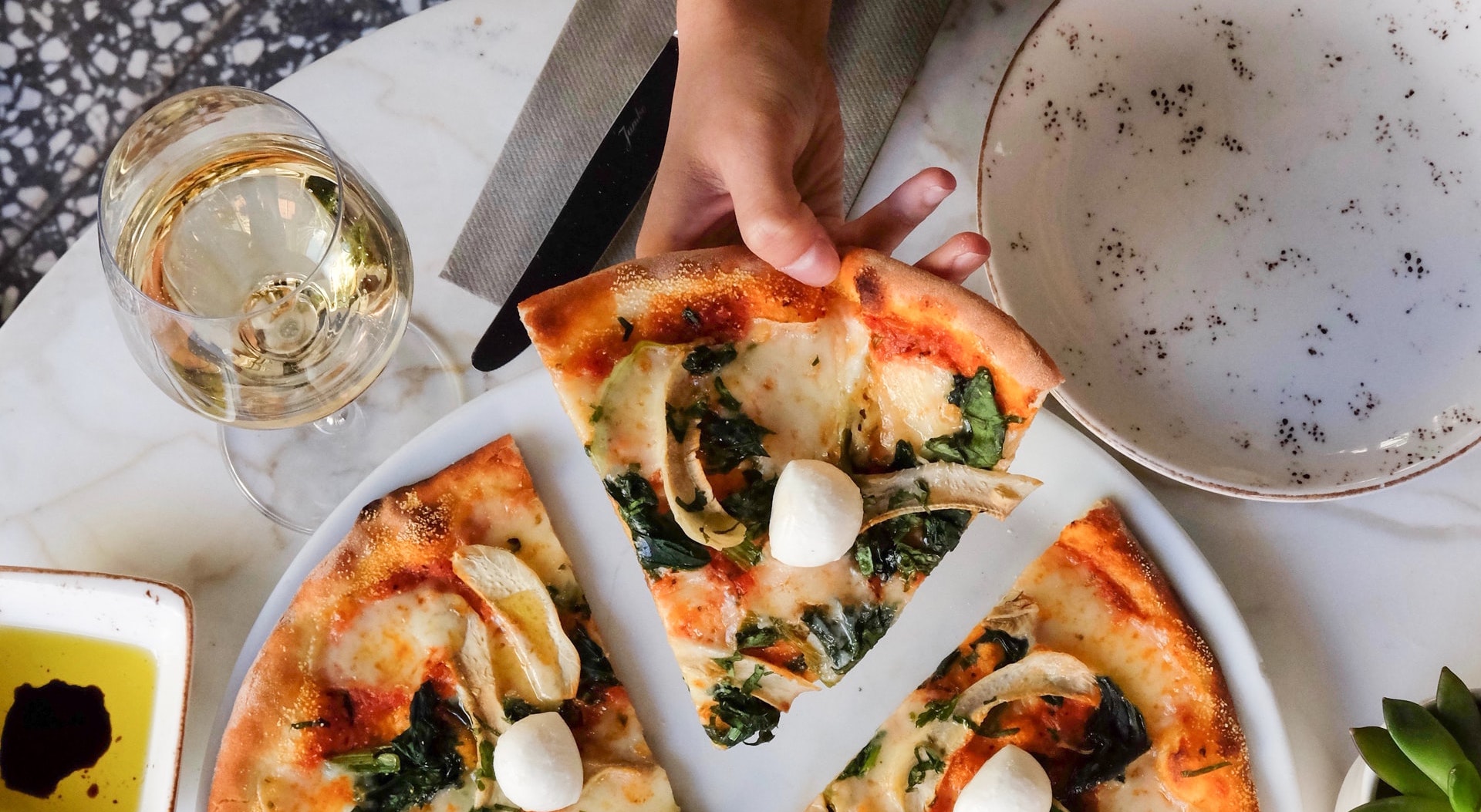
Best Wine for Pizza
They go together like peanut butter and jelly; like ice cream and birthday cake; like…well…pizza and wine!
These two iconic Italian staples were quite literally made for each other (or at least alongside one another.) One of the earliest archeological traces of wine was found on the island of Sicily, with an estimated origination date of around 4,000 BCE. Pizza as it exists today is a much more recent phenomenon, specifically described just over 1,000 years ago. But pizza-like foods — flatbread with toppings, essentially — have been around since before even the Italian viticultural scene made its debut.
We like to picture the first Italian foodie who had this world-changing thought (walking the streets of Rome, toga draped over one shoulder, goblet in hand): “Quid si Etruscum cum vino comedi?” Translation: what if I ate pizza with wine?
While it’s difficult to mess up pizza and wine, the right pairing will bring out the best of both. Here are a few tips for matching your Margherita to your Merlot, as well as a few choice bottles from our collection perfect for your next pizza party.
How to Pair Wine With Pizza
Rule number 1: drink what you like.
Seriously. Pizza is all about having fun and enjoying yourself, and if obsessing over the perfect wine pairing is making this meal feel more like business than pleasure, grab your favorite label and pop that cork.
Rule number 2: pair with the toppings, not the base.
The bready aspect of pizza is important to consider, and there are a lot of wines out there that help to elevate the tasting notes in a whiteflour dough. But the sauces, cheeses, veggies and meats you throw on your favorite pie are what make it unique and will clue you in on which wines will make the ingredients sing.
A few things to consider:
- Tomato based sauces or veggie-heavy topping spreads pair well with dryer wines including Grenache Rosés and lighter reds.
- White sauces go well with white wines of all kinds, but especially bubbles that help to cut through the fat of creamier toppings.
- Meat-heavy pizzas can be balanced with sweeter wines like Sauternes or Sangiovese.
- Different cheeses lend a variety of flavors and textural qualities to your pizza, but in general call for a bold wine: think full-bodied reds like Tempranillo, or a strong white such as a California Chardonnay.
Best Red Wine for Pizza
- 2020 Bodega Chacra ‘Cincuenta y Cinco’ Pinot Noir – $58
Our first recommendation on this tour-of-Italy listicle hails from Argentina (we know.) This deep Pinot is beautifully bright, with a range of tasting notes from berries, to smoke, to game meats. Serve with herbaceous sauces — a good pesto wouldn’t go amiss — or a cheesy arugula and prosciutto pie.
- 2017 Oddero Barolo Classico – $60
An elegant wine that offers an even more exquisite flavor the longer you wait (if you can wait), this quintessential Barolo is dark, acidic, herbaceous and earthy. A true Italian legend, the Oddero winery has been in business since 1878. For reference, Pizza Hut is almost 100 years younger. Whatever pizza you drink the Classico alongside, make sure you top it with plenty of parmigiano.
- 2019 Gouchas Luján de Cuyo Malbec – $22
A fresh and juicy Malbec that’s just waiting to become your new, summery drink-of-choice. Blueberry, cherry, cranberry and cocoa notes will trick you into thinking you’re drinking an incredibly grown-up fruit punch. Sip chilled next to a wood-fire oven and this fennel and sausage pizza.
Best White Wine for Pizza
- 2019 Pierre-Yves Colin-Morey Santenay Comme Dessus Blanc – $67
Think white-wine sangria, but with those flavors pulled through the roots of the grape itself. Green apple, stone fruit and citrus shine through above a floral and minerally base. This wine loves feta, and should be paired with a greek-inspired pizza topped with cherry tomatoes, kalamata black olives and red onions.
- 2019 Moreau-Naudet Petit Chablis – $35
Youth, bottled! Young, low-yield vines produced the precocious grapes that went into making this gorgeous Chablis. Creamy, flowery, fruity and utterly delightful, this is the bottle to reach for when you’re having a Quattro Formaggi for dinner.
- 2020 Les Athlètes du Vin Chenin Blanc – $25
A bouquet of citrus flowers, tropical fruits and white peach make this white the ideal post-workout beverage (after you’ve hydrated, of course!) Consider this vino while you’re carbo-loading on a classic Hawaiian-style pizza, or with this grilled honey and goat cheese pie.
Best Rosé Wine for Pizza
- 2020 Storm Watch Hill Vineyard Grenache Rosé – $28
A dry, dry California rosé, this old-vine Grenache is surprisingly fruity and refreshing. This wine pairs incredibly well with melon, so: If you like getting a little weird with your pizza, try shirking a bready base and swap it out for a grilled watermelon pizza experience. If you’re more traditional, a classic Neapolitan will do nicely.
- Shades of Rosé – 2020 Château Montfrin ‘Paumiste’ Rosé – $18 to 195
Another athletic bottle for the sporty sippers among us, the Paumiste offers a refreshing and fruity bevy that quenches any thirst with a botanical and berry-forward flourish. A perfect pair for a creamier pie, try this wine with any pizza made with ricotta as the primary dairy.
- NV Domaine de la Taille Aux Loups Triple Zéro Rosé Pet Nat – $39
A bottle of bubbles is just what the chef recommends after any pizza-eating experience. Old, old vines produced the beautiful bunch that went into this sparkling wine, delighting the palate with notes of tart red berries. Try with a meat-lovers pizza, or a straightforward and down-to-earth pepperoni and mozz.
How Argaux can Help
From fire-roasted pizzas made of 100-year-old sourdough starters to your favorite take-and-bake frozen pizza from the grocery store, there’s a wine that will go with it.
Argaux’s Food and Wine Pairing Kit is designed to help you find a wine for literally any food you can imagine, but especially the bready and the cheesy. Choose from a 2, 3 or 4 bottle kit and receive a copy of Vanessa Price’s wine pairing guide: Big Macs and Burgundy, as well as a hand-picked selection of featured wines guaranteed to bring out the best in your guilty-pleasure meal.
You might also enjoy:
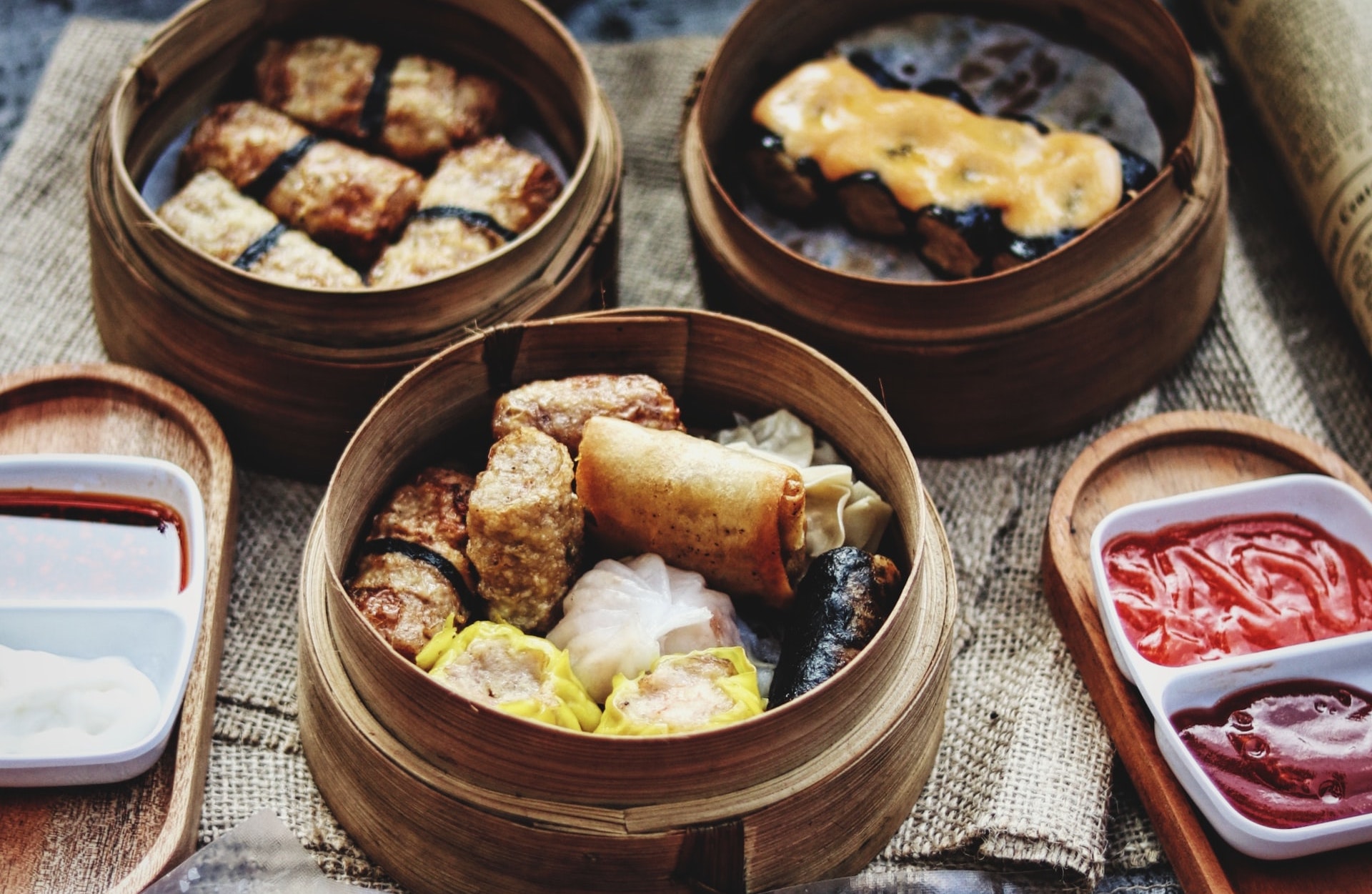
Best Wine for Chinese Food
“What grows together, goes together.” That is to say, plants and animals that exist in a similar bioregion can often combine to make delicious and uncannily cohesive dishes. This catchy statement has mostly been used to describe cultural fare, and introduce new chefs to the idea of super-localized cooking.
This idea has also been expanded to illustrate the effectiveness of combining ingredients from different bioregions across a similar latitudinal plane. That is – food grown along the same horizontal line at any point around the globe goes together remarkably well.
With this in mind, it’s no wonder that wine and Chinese food pair as incredibly as they do. The majority of the country exists along the same lines as some of the most famous wine-making regions in the world: think Italy, Spain, France and California. And each region in China has vastly different cuisines which add particular intrigue to the question of matching wine to food.
Like wine, Chinese cuisine is expansive, complex, and offers something for every palate imaginable. Here is a brief guide that will help you choose the best bottle to go with your next Zhongguo meal.
How to Pair Wine With Chinese Food
A traditional Chinese meal might involve a much greater number of dishes than Westerners are used to. Ideally each food item would be accompanied by a perfect wine pairing in order to create a truly comprehensive tasting experience. And Chinese dishes run the gamut of sweet, savory, spicy, saline, unctuous and fresh, so you would expect to have a bountiful and varied wine selection to go with them.
It gets complicated, fast. And more power to you if you feel like taking up that particular challenge. For our purposes, we’re going to focus on making great wine pairings with some of the iconic dishes you can always find at your favorite takeout spot. Top tip: when in doubt, Riesling is more than likely the answer.
- For oily and carb-forward foods such as noodles, fried dumplings and rice, you need an acidic white wine to cut through the fat. Consider Riesling (duh), Muscadet and Chablis.
- Sweet and sour meat dishes pair well with either very dry reds or aromatic whites. Your orange chicken will go great with a good Cab Sauv or Gewurztraminer.
- Spicy dishes of all kinds — stir frys, soups, and appetizers — greatly benefit from the accompaniment of sweet wines of all kinds. If you plan on biting into every pepper you find on your plate, a glass of Moscato or Shiraz will be your best friend.
Best Red Wine for Chinese Food
- 2019 Storm Single Vineyard Presqu’ile Gamay – $38
Red fruit in the nose and on the tongue, this spicy sweet Gamay gives a delightfully gentle yet complex finish that allows it to pair expertly with Chinese dishes on the hotter side. This slightly bubbly red should be served chilled alongside a serving of General Tso’s Chicken.
- 2017 Domaine Serene ‘Evenstad Reserve’ Pinot Noir – $85
This deep and luxurious Pinot tastes like the most delicious, spicy, fruity forest floor you’ve ever encountered. You can taste the richness of this wine’s Oregonian terroir with every sip. Pair with classic Peking Duck, or this dish of braised Chinese mushrooms and bok choy.
- 2019 Manos Andinas Mendoza Malbec – $20
A delectable berry pie in a bottle. This full-bodied Malbec is a tasting symphony of blackberries, black cherries, plums and blueberries dusted with baking spices. Rich and spicy, this wine is the perfect match for a bowl of beef with broccoli in oyster sauce.
- 2018 A Tribute to Grace Grenache – $30
Another sweet yet complex red offering floral, acidic, spicy and unctuous notes to the drinker. As a medium-bodied wine, this Grenache can stand up to heartier flavors without overwhelming the subtler aspects of a dish. Try with a side of Mongolian Beef.
Best White Wine for Chinese Food
- 2009 Domaine Bohn AOC Alsace Lieu-Dit Schieferberg Chapelle Oberhagel Riesling – $50
A Riesling like no other, this wonderful vintage first expresses floral and herbaceous notes including camphor, coriander and sandalwood. Following, it offers flavors of honeysuckle and a curious salinity on the tongue. Decant before serving and drink alongside an extra spicy Kung Pao Chicken.
- 2018 Willi Schaefer Graacher Himmelreich Riesling Spätlese – $58
Another unique Riesling, this bottle from an iconic German winemaker leans into the citrus experiences with lime fruit and blossom both in the nose and on the palate. Honey and honeysuckle add an extra sweetness and promise to cool the spice of dishes like Saliva Chicken or Hot and Sour Soup.
- 2020 Par Fore the Course New Zealand Sauvignon Blanc – $17
Fruity, tropical, bright and delicious, we’re having this Sauv Blanc for dessert despite its delightful dryness. Grassy, crisp and green, this is the perfect bottle to pair with greasy dishes like vegetable lo mein, classic potstickers or egg fried rice.
Best Rosé Wine for Chinese Food
- 2019 Clos Signadore Patrimonio Rosé – $40
This is the Rosé to have with your Chinese food. Sweet, fruity but with a surprising savoriness in every sip, it can stand up to meatier, more unctuous dishes, yet is subtle enough for veggie-heavy stir fries and soups. Have this bottle on hand the next time you make this Char Siu (Chinese barbecue pork.)
- 2020 Storm Watch Hill Vineyard Grenache Rosé – $28
Wrapping things up with a Grenache of a different color. This California Rosé was made for spicy foods on a hot day, and cools a burning palate with notes of watermelon, cherries and blood orange. Sip with a side of spicy sesame chicken.
How Argaux can Help
This article is only the beginning. The world of wine, like the world of Chinese cuisine, is vast and complex, and it’s going to take you more than a readthrough of a 1000-word listicle to understand how to pair vino with your favorite takeout.
That’s why Argaux has collaborated with Vanessa Price, author of Big Macs and Burgundy: Wine Pairings for the Real World to bring you a tasting kit designed to teach you how to pair wine with anything: from Crab Rangoon to Egg Flower Soup.
Choose from 2, 3 and 4 bottles and receive a copy of Vanessa’s book to help you get tasting.
You might also enjoy:
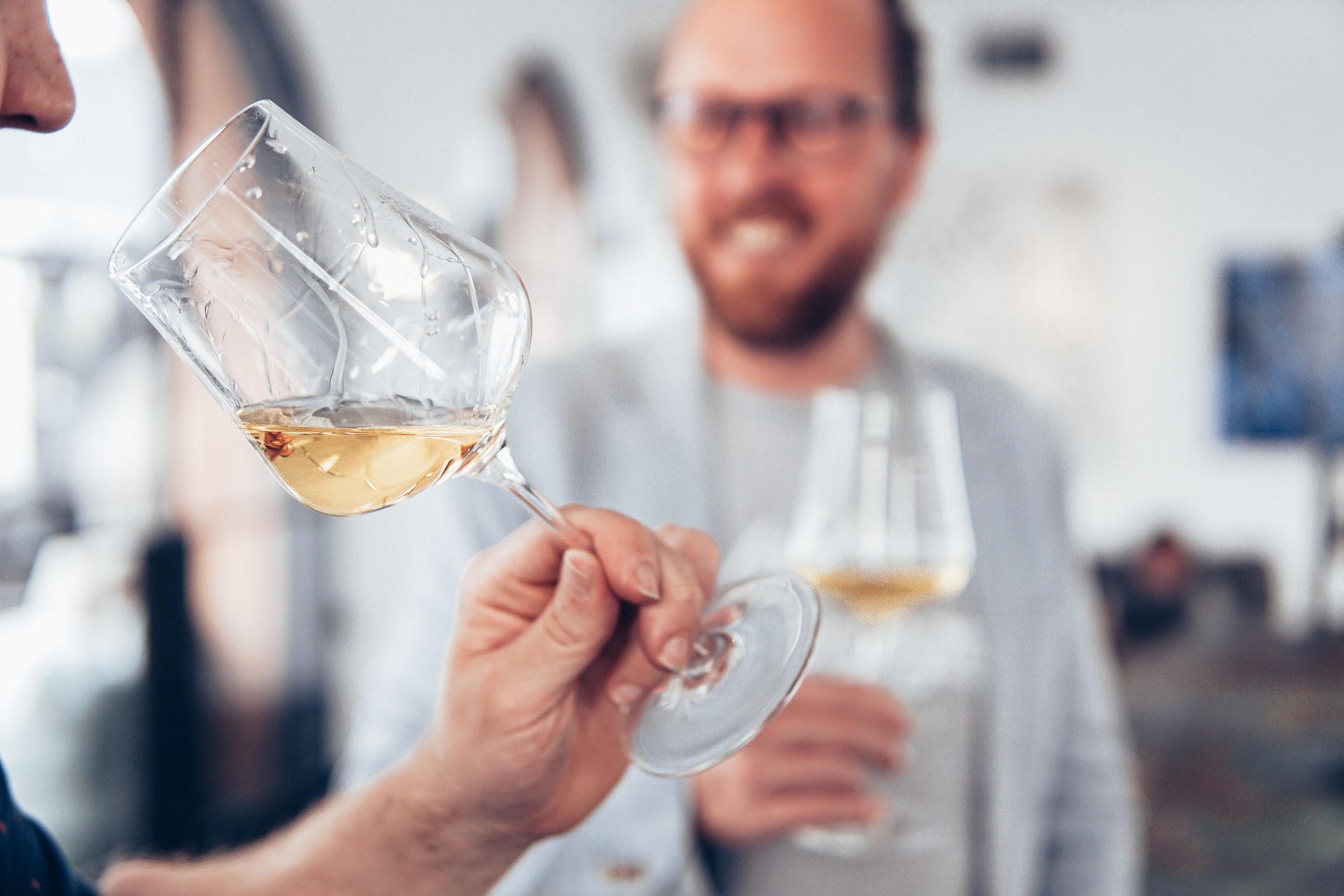
Best Argaux Wines for Beginners
The world of wine can seem unapproachable to a casual oenophile who’s used to picking out their bottles based on the label artwork. Broken down to the individual aromas and tasting notes that make them special, wines can get complicated fast and may feel intimidating to those who have never tried wine, or identify with the “casual drinker” demographic.
But learning how to taste wine like a pro is easier than you might initially think. All you need to do is pay attention the next time you sip your after-work Syrah — and, of course, a guide to wine tasting for beginners. Here we’ve put together a few basic instructions for tasting wines, as well as a list of approachable bottles that will help you build your sommelier vocabulary. Enjoy!
How to taste wine as a beginner
Tasting wine, as you may already know, is a multi-sensory experience and begins not with the palate, but with the eyes. The first thing you do when tasting wine is look at it, tilting your glass and holding it up to a light source, to examine its shade and opacity.
Next, you swirl your wine in its glass and take a deep breath through your nose to observe the aroma of the wine. Smelling the beverage is an important step in understanding its complexity, and can tell you a lot about the specifics of how a particular wine was made.
Beginners however should initially focus on the tongue-portion of tasting, as understanding the flavors of individual wines will provide the basic building-blocks for better appreciation. Let’s dive in.
Picture a grid, with an x-axis and a y-axis; just like from high school algebra, only a lot more fun. One end of the x-axis, or the horizontal line, is labeled ‘dry’, while the other is labeled ‘sweet.’ And either end of the y-axis, or vertical line, is labeled ‘strong tannins’ and ‘strong acidity.’ The center point where the x and y axes meet is labeled ‘fruity’. Everything above the x-axis is a red wine, while everything below is a white or a rosé.
All wines fall somewhere on this grid, and their most basic aspects of flavor can be categorized as either dry or sweet, and acidic, fruity or tannin-heavy (chewy or bitter.)
Of course, the space between each point is a spectrum, and you will encounter wines which might not fit neatly into each descriptor. That’s where more complex flavors will come in to help you elucidate the unique properties of each wine.
Best red wine for beginners
2018 Maitre de Chai Stampede Vineyard Zinfandel – $28
This non-standard Zin is a great dry wine for beginners as it isn’t quite as harsh as most of its kind. Bright fruits, earthiness, and a little spice make this medium-bodied red an excellent example of its varietal without being too ‘high-octane.’ New-to-the-table sommeliers will appreciate its smooth tannin and approachable pleasantness.
2019 Poco a Poco Russian River Valley Pinot Noir – $22
Pinot Noirs fall on the sweeter, fruiter side of the spectrum but remain a luxurious and quintessential red wine experience. The Poco a Poco epitomizes Pinot with rich but bright aromas of hibiscus and earth, and flavors of candy and mint on the palate. This wine is perfect for getting to know your low-tannin reds.
Best white wine for beginners
2019 Land of Saints Santa Barbara County Chardonnay – $23
Chardonnay is possibly the most popular (and controversial) white wine in the world. You’re either a huge fan of the spicy, buttery varietal or sworn to never let a drop touch your tongue. Personally, we love it, especially this beautiful bottle from Land of Saints. This California classic is the perfect example of a Chard and will make you believe you’re drinking a fine lemon pastry in a glass.
2019 Terlano Alto Adige Pinot Grigio DOC – $24
And on the other side of what good white wine should taste like is Pinot Grigio. Sweet, light, delicate, floral, fruity, etc., etc., the complex flavors of a Grigio feel dry at first but ultimately refresh the drinker with crisp acidity. It’s the grown-up version of summertime lemonade. Start your Pinot Grigio experience off right with a glass of this DOC from Terlano.
Best rosé wine for beginners
NV Vin d’Pampe Pamplemousse Vermouth Rosé – $22 (half-bottle)
If you started out your foray into wine-drinking with spritzers, this is the perfect vino to help you graduate to wine-only glasses. An aperitif which is delicious on its own or in a cocktail, the Pamplemousse Vermouth is made from Pinot Noir grapes and carries some of that spicy fruitiness into its final form.
Shades of Rosé – 2020 Chateau Barbebelle Aix-en-Provence ‘Rosé Fleurie’ – $22-237
Not only is this the Rosé for the wine-curious, it is also the Provence Rosé — offering you an intimate look into a staple of the wine world, as well as one of the most important areas of winemaking in the world. This bottle is an education on both the enjoyment and the history of wine. Plus, it’s delicious, with essential Rosé flavors including white peach, ripe melon, ruby grapefruit, apricot, and fresh strawberries.
What Argaux has to offer
Besides an incredible selection of both fine and approachable wines from small vineyards all over the world, we at Argaux have put together a blind tasting kit that’s perfect for parties, date night, or a serious study session for budding sommeliers. Have fun, discover wines you love, and refine your tasting abilities with 2 to 4 carefully wrapped bottles of hand-picked wine from our inventory. This kit also comes with step-by-step tasting instructions, as well as a comprehensive guide to wine tasting that engages all the senses. Order your blind tasting kit from Argaux today.
You might also enjoy:
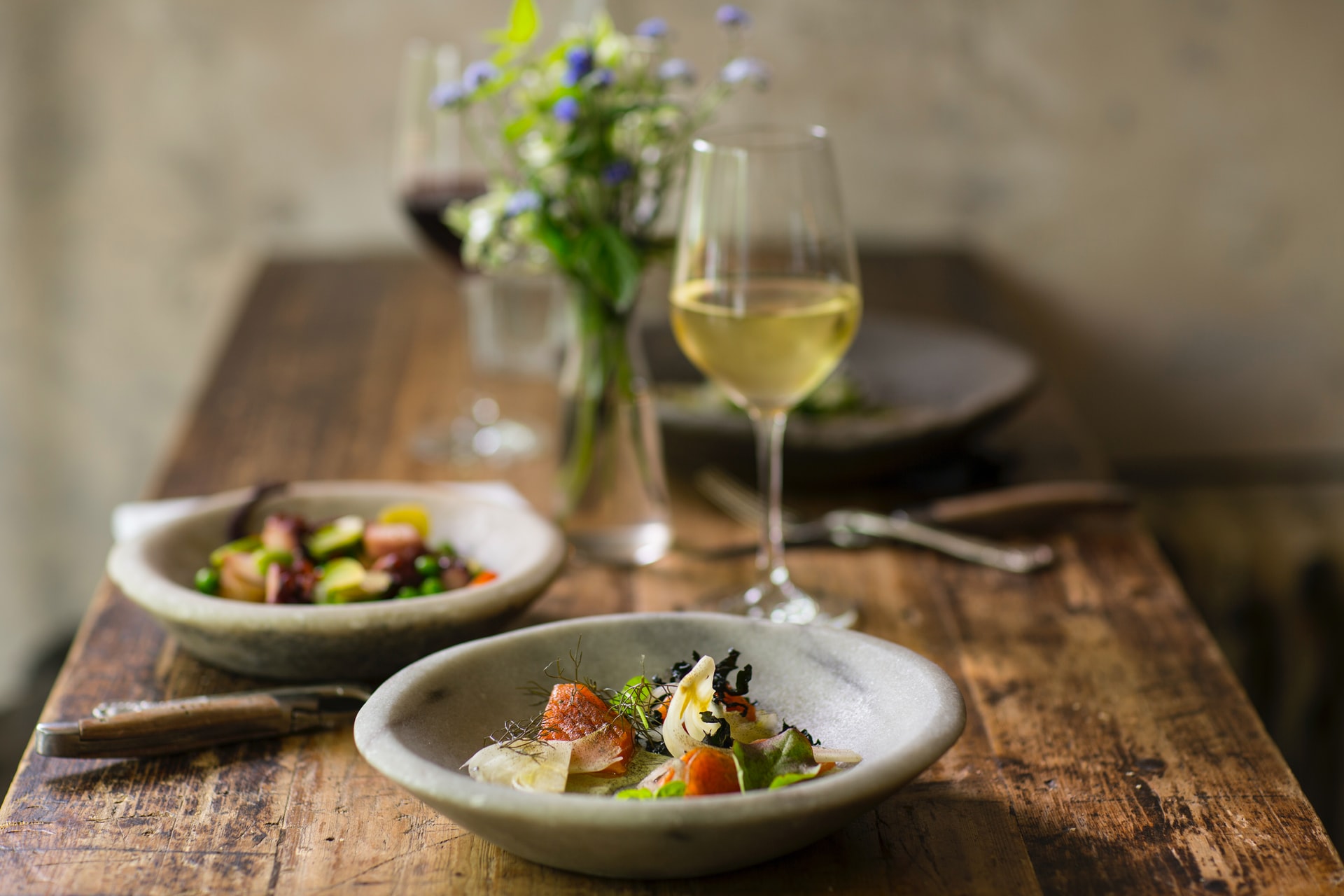
Best Wine for Seafood
How often do you daydream about seafood and wine enjoyed on a red brick patio on some blue-sea’s coast on a summer evening? Do you think about the white table cloth, the warm breeze carrying the aroma of salt spray, a ceviche app with perfectly seared sea bass for mains followed by mango sorbet and bubbly for dessert? And what will you be drinking tonight, esteemed guest?
Clearly this is a fantasy we have often, and you bet we know which bottles will be gracing our table depending on what style of ocean cuisine is being served. If you haven’t gotten quite that far, here is a guide to finding the perfect wine pairing to complete your seafood fantasy.
How to pair wine with seafood
Choose a wine you like, and drink it with seafood. No seriously. The most important thing about pairing wine with food is that you enjoy the wine you’re drinking. Sure a 2005 Zin will allow you to experience that honey-garlic salmon in a whole new atmosphere of flavor (we’re drooling, honestly) but do you like Zinfandel? If not, no worries. You do you.
But if you’re new to the world of wines, or if you want to challenge your palate and have that match-made-in-heaven pairing experience, here are some tips for drinking with the fishes.
The two goals of wine pairing are to one, enhance the flavors you are able to experience in both the food and the wine; and two, not overwhelm the food with the flavor of the wine. Since seafood is in general less flavorful on its own than other meats, such as beef or lamb, lighter, sweeter wines are typically recommended.
This of course depends on how it is prepared. One basic guideline for wine pairing is to match the wine to the sauce rather than the protein. This means cheese-forward, creamy, spicy, or otherwise bold dishes can stand up to tougher vintages.
If that wasn’t detailed enough for you, listed below are some of our favorite wines to drink alongside the fruit of the sea.
Best red wine for seafood
- 2018 Domaine de la Cote ‘Memorious’ Pinot Noir – $100
This luxurious and complex red dares you to try to pin it down. An enchanting aroma defies identification, but the tongue won’t fail to recognize cherry, pepper, orange, and loam. A dense, delicious, and utter magical wine, it must be served with something as special as it is. A sesame-seared ahi steak will love this wine.
- 2018 Tenuta di Bibbiano Chianti Classico – $23
This dark but balanced Chianti demands to be imbibed alongside something smothered in tomato sauce and cheese. The acidity of the wine perfectly matches the acidity of the tomato, and will help to both enliven and enhance the fattiness of a mozz or burrata. Or, enjoy with linguine with clams, roasted tomatoes, and a generous grating of parmesan.
- 2020 Stolpman Vineyards Carbonic Sangiovese ‘Love You Bunches’ MAGNUM – $50
Lychee and pomegranate offer a surprising twist to this Sangiovese. Served chilled, this wine is ideally paired with something spicy, complemented by a generous serving of carbs. For a dinner worthy of a Spanish sunset, drink alongside a dish of Lobster with Rice Caldoso.
Best white wine for seafood
- 2019 Ermes Pavese Blanc de Morgex et de la Salle – $40
This bottle is crafted from a native grape which grows nowhere but the Valle d’Aosta, Italia. Naturally it is an incredible experience of its unique terroir, offering a taste of citrus, stone and herbs in its bouquet. To uplift the sheer locality of this wine, drink with a serving of Pesce all’Acqua Pezza — sweet and savory vegetables with poached freshwater fish.
- 2018 Hendry Barrel-Fermented Chardonnay – $18
Created in the Napa Valley of California, this Chard takes on distinctly oaky notes from its time spent inside wooden barrels. Sharp but earthy, it can be sipped casually accompanied by a pile of crab legs and melted butter.
- 2019 Maison d’Amis Clarksburg Chenin Blanc – $23
Flowers, overripe fruit, and buttery pastry make up the bouquet of this fan-favorite Chenin Blanc. Its dryness and lightness make it an ideal pairing for more delicate seafood preparations. Try with Seared Scallop, or mackerel sashimi.
Best rose՛ wine for seafood
- La Spinetta Il Rose di Casanova Toscana Rose – $20
The citrusy aroma of this gorgeous rose will draw you in, and peach, strawberry and floral essence will delight your palate as you sip. It’s sharp, tart, and best paired with a bright serving of greens and fatty fish. We suggest a simple arugula salad topped with garlicky seared salmon.
- NV Domaine de la Taille Aux Loups Triple Zero Rose Pet Nat – $39
This delightful bottle of bubbles from the Loire Valley, France is a berry-forward blend of Gamay and Grolleau and goes wonderfully with pizza, salad, and everything in between. If you’re craving fish, we recommend pairing the Pet Nat with Pesce Alla Puttanesca — white fish served in a spicy, pungent tomato sauce.
- 2019 Storm Santa Barbara County Grenache Rose – $25
This Rose is a summery treat, with a watermelon and rose aroma followed by a mineral-forward red-berry palate. Grown on the Central Coast of California, this wine was practically designed to be paired with fresh-caught fish. Sip with a serving of Mango-Habanero Ceviche.
Argaux’s wine pairing solution
If you’re pairing wines with oceanic delicacies, you probably already have some expertise in the world of wines. But if you’re looking to spice things up, order one of Argaux’s amazing Food and Wine Pairing Kits. We teamed up with Vanessa Price — author of the ingenious Big Macs & Burgundy — to bring you a curated selection of delicious wines carefully paired with both traditional and outrageous foods you might never have thought to have alongside a glass of your favorite Pinot. This book includes such watery delicacies as lobster rolls and grilled salmon, and Argaux provides you with 2 to 4 beautiful bottles to match. Learn and enjoy!
You might also enjoy:
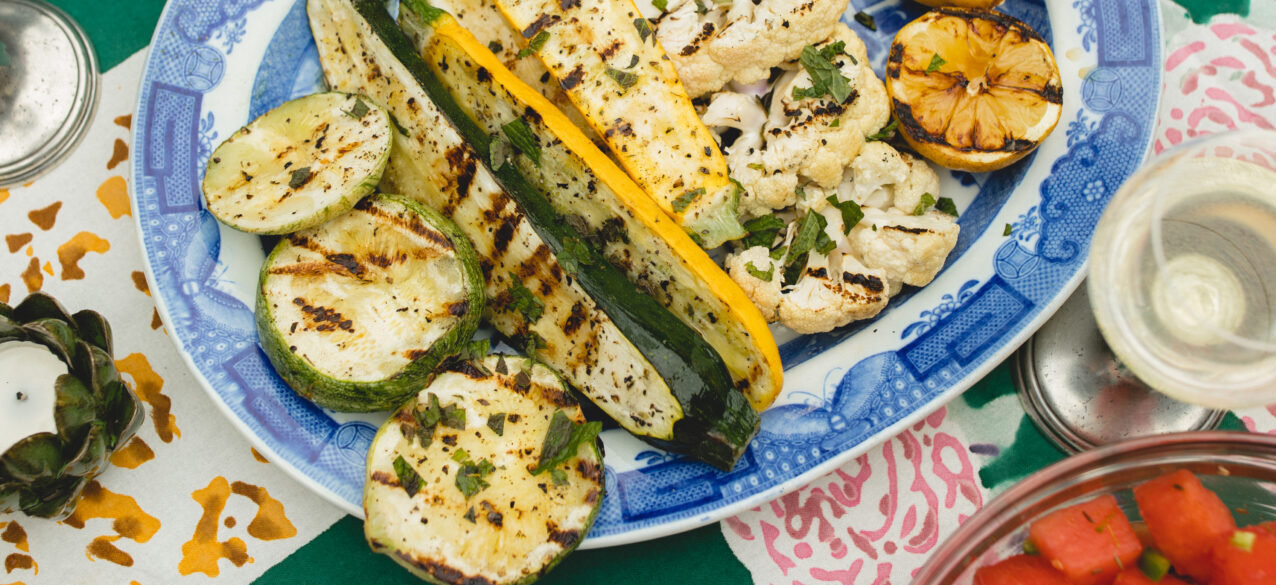
Best Wine for Barbecue
If you’re in the US, you’re probably used to drinking a cold, hoppy beer with your BBQ. It’s a classic staple at any backyard grill-off, Fourth of July fair, or other outdoorsy event. For many seasoned pit masters, beer is the only beverage they’ll be caught with while their apron’s on.
But wine is a magical libation with uncanny powers that allow it to elevate any dish with which it is paired — even the heartiest rack of ribs. If you’re wanting to make your next barbecue date into a tasting event, here is a guide that will help you pick the right Grenache for your gyros, Chardonnay for your chicken, and Bordeaux for your brisket.
How to pair wine with barbecue
Barbecue dishes range from sweet, to savory, to incredibly spicy, and involve all different kinds of meat styles and veggies — so there’s no one-size-fits-all wine that you can choose. If you’re having a feast with all the sides and trimmings, there’s those to consider as well. Have you ever thought about what wine goes best with a classic potato salad? (Our sources say to try this Albariño).
But let’s focus on the main course. Barbecue is all about big, bold flavors, and lucky for us that makes wine pairings relatively straightforward.
Anything beef — steaks, burgers, tenderloin, etc — think medium to full-bodied red wine. Cabernet Sauvignons and Malbec from Cahors are ideal for both standing up to the heaviness of red meat while also pulling forward some of their more subtle flavors. Another wine to have at the ready this summer for your backyard BBQ? This Southern Rhône Valley stunner.
Pork, chicken and other poultry could pair well with chilled red wine like this carbonic Malbec from Argentina. Think about pouring rosé with your grilled fish, especially fattier swimmers like tuna or trout.
But remember, sauce is boss so consider what you are seasoning or finishing your meat with before choosing a wine.
Vegetable-forward dishes like skewers or veggie burgers love a chilled rosé as well, whose high acidity is an excellent match for the sweet and savory flavors of grilled onion, pepper, and mushroom. Any food that feels tough to pair with i.e. vegetable centric dishes, don’t overthink it and have a Grüner Veltliner on hand at all times.
Let’s remember, BBQ isn’t fussy so your wine selection shouldn’t be either! So, let’s take a closer look at the best red, white, and rosé for BBQ if we had to choose one!
Most versatile red wine for BBQ
2020 Gouchas Luján de Cuyo Carbonic Malbec $22 – This Beaujolais-inspired Malbec is exciting and oh so fresh. Fair warning, this could be your new favorite chillable red – seriously, we would drink a lot more Malbec if they all tasted like this.
Most versatile white wine for BBQ
2022 Par Fore the Course New Zealand Sauvignon Blanc $20 – This wine is all about bright flavors, approachability, and thirst-quenching freshness. The flavor lingers, but the wine goes down fast. It is Marlborough, New Zealand to a Sauvy B TEE!
Best rosé wine for barbecue
2022 Chateau Barbebelle Aix-en-Provence ‘Cuvée Madeleine’ Rosé $25 – With slightly richer flavors than the Fleurie Cuvée, this is the perfect wine to kick off your dinner party. This rosé is the perfect transition to take you from l’apéro on the patio to apéro dînatoire.
You might also enjoy:
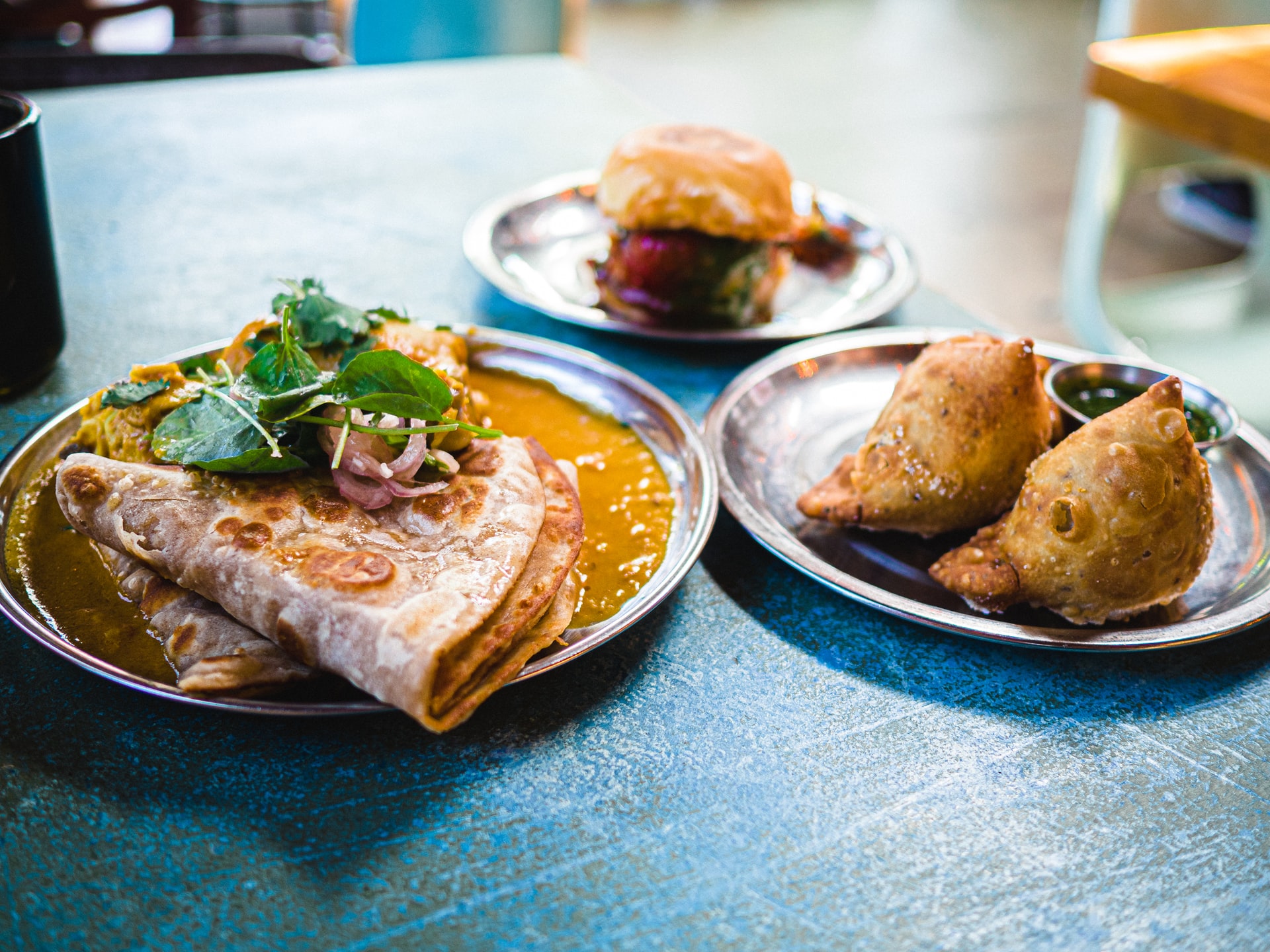
Best Wine for Indian Food
Consuming a really well-made curry can be an equivalent experience to drinking a deep and complex wine. If you’ve ever attempted to make an Indian recipe, you know how long the lists of herbs and spices that go into a dish can be. Each element adds a unique property which contributes to an overall uniform flavor, but can still be tasted individually if you are taking the time to savor each bite.
Wine is similar in that a single or multiple grape varietals in combination with yeast and perhaps the flavors of a wooden barrel blend to create a sipping experience which can be either straightforward or galactic in the number of special notes you might encounter. Naturally, this means wine and Indian cuisine are a match made in heaven, when paired correctly.
Here’s an easy guide to matching wines to some of our favorite foods from Bharat.
How to pair wine with Indian food
Indian cuisine runs the gamut from fresh, sweet, and acidic to deep, rich, and spicy. You’ll want to be careful in selecting your bottles based on the particular dishes you’ll be enjoying. Indian is all about the sauce rather than the protein, which can include either meat-based or vegetarian proteins, so make sure that’s what you’re thinking about when making your match.
For precise pairings, you can follow these simple rules:
- Very spicy dishes such as Vindaloo should be countered with a sweet wine, preferably cold. Think Riesling, Gewurztraminer, and Sauternes.
- Herbaceous dishes like Saag Paneer (spinach and cheese) call for drier bottles like a Sauvignon Blanc, or a bubbly extra-brut.
- Tomato-based dishes, including most red curries, love medium Rose՛s or low-tannin reds including Pinot Noir and Garnacha.
- Yogurt or cream-based sauces pair exquisitely with deeper Roses and darker reds. If you’re having Makhani (butter chicken), Korma or Tikka Masala, this is your opportunity to introduce a Zin or Cab Sauv to the table.
Here is a final catch-all if you’re still having doubts: the general consensus is that Riesling is the best overall wine to drink alongside Indian. So something like our 2019 Dönnhoff Oberhäuser Leistenberg Kabinett Riesling from Nahe, Germany will never go amiss.
Best red wine for Indian food
- 2018 Bruno Grimaldi Nebbiolo d’Alba – $24
A deep Italian red that pairs perfectly with most Indian animal-based dishes — especially soaked in milder red curry sauces. Red fruit and spice in the nose match the aroma of spice-heavy dishes, and balanced tannins on the tongue elevate a creamier sauce or fatty piece of meat. Pairs perfectly with a mild lamb curry. - 2018 Pierre-Yves Colin-Morey Nuits Saint-Georges – $138
This Pinot projects a fruity aroma which is bolstered with an earthy finish, and begs to be paired with roasted vegetables and game. We recommend sipping this exquisite wine alongside a Garam-Marsala Roast Duck. (Or take it with you to any upscale Indian restaurant you happen to be visiting.) - 2019 Wonderland Project No. 9 Napa Valley Cabernet Sauvignon – $50
Deep and rich, this beautiful bottle of Cab Sauv has a distinctly autumnal feel. Overripe blackberries and cedar lead the aroma with leather and bay leaf greeting the palate at first sip. A finish of currant compote and tobacco completes the storied experience on a deep but precise note. Recommended for red meat, we think this wine would make an amazing partner to a dish of creamy mushroom masala. - 2018 A Tribute to Grace Grenache – $30
This fruit-forward and remarkably floral red offers mild acidity and tannins on the palate that both cut through and elevate fattier dishes. Pairs well with meats of all kinds, as well as spicier sauces — but especially a choice Chicken Tikka Masala.
Best white wine for Indian food
- 2009 Château Climens 1er Cru Barsac Sauternes – $100 (half bottle)
The epitome of an excellent dessert wine, this Sauternes is sweet but still has personality, leading with floral notes, herbaceous tones, as well as flavors of ginger and apple. Use this beautiful bottle to tame an especially spicy dish, or pair with Gulab Jamun at the end of your meal. - 2019 Kruger Rumpf Estate Dry Riesling – $23
Citrusy and with a blend of ripe and fresh fruits, this acidic Riesling is required reading at any table laden with Indian dishes. Its off-dryness gives it a certain versatility and allows it to match with both creamier dishes as well as those skewing more spicy. Of course, the obvious pairing (and most highly recommended) is with lamb or pork Vindaloo. - 2020 Storm Santa Ynez Valley Sauvignon Blanc – $26
Tropical and bright, this delightful white wine should be a staple at every casual dining experience. Like, if you’re bringing an Indian feast on a beach picnic, this summery Sauvignon has to be there. Especially suited to seafood, we urge you to try this wine with Prawn Koliwada — an Indian appetizer of gingery, garlicky, yogurty fried prawns.
Best Rose wine for Indian food
- 2020 Stolpman Vineyards ‘Love You Bunches’ Rose՛ – $20
This wine is as adorable as it is delicious. It’s the bubbliest wine without any bubbles, and evokes a remarkable freshness through notes of under-ripe melon and strawberries. The Love You Bunches is dry, and should be served with Malabar Fish Curry — tilapia or sardines in a spicy tomato and coconut-based sauce. - 2020 Domaine de Marquiliani ‘Le Rose՛ de Pauline’ – $37
Delicate, slightly salty, with leading flavors of rose water and citrus zest, this rose must be carefully paired with foods that will not overwhelm its select preciousness. While we think it might be interesting alongside a very sweet dessert after a long and spicy banquet, Pauline’s Rose feels most well matched with a serving of Saag Paneer.
Argaux’s food pairing solution
If you’re done making decisions for the day and just want to relax with your take-out korma and a glass of wine — any wine — let Argaux pick for you, with a curated Food and Wine Pairing Kit. This box comes complete with wine pairing guide for the everyday Big Macs & Burgundy plus 2 to 4 bottles of delectable wines specially matched to both healthy meals and indulgent snacks to treat your palate while you learn about wine.
You might also enjoy:
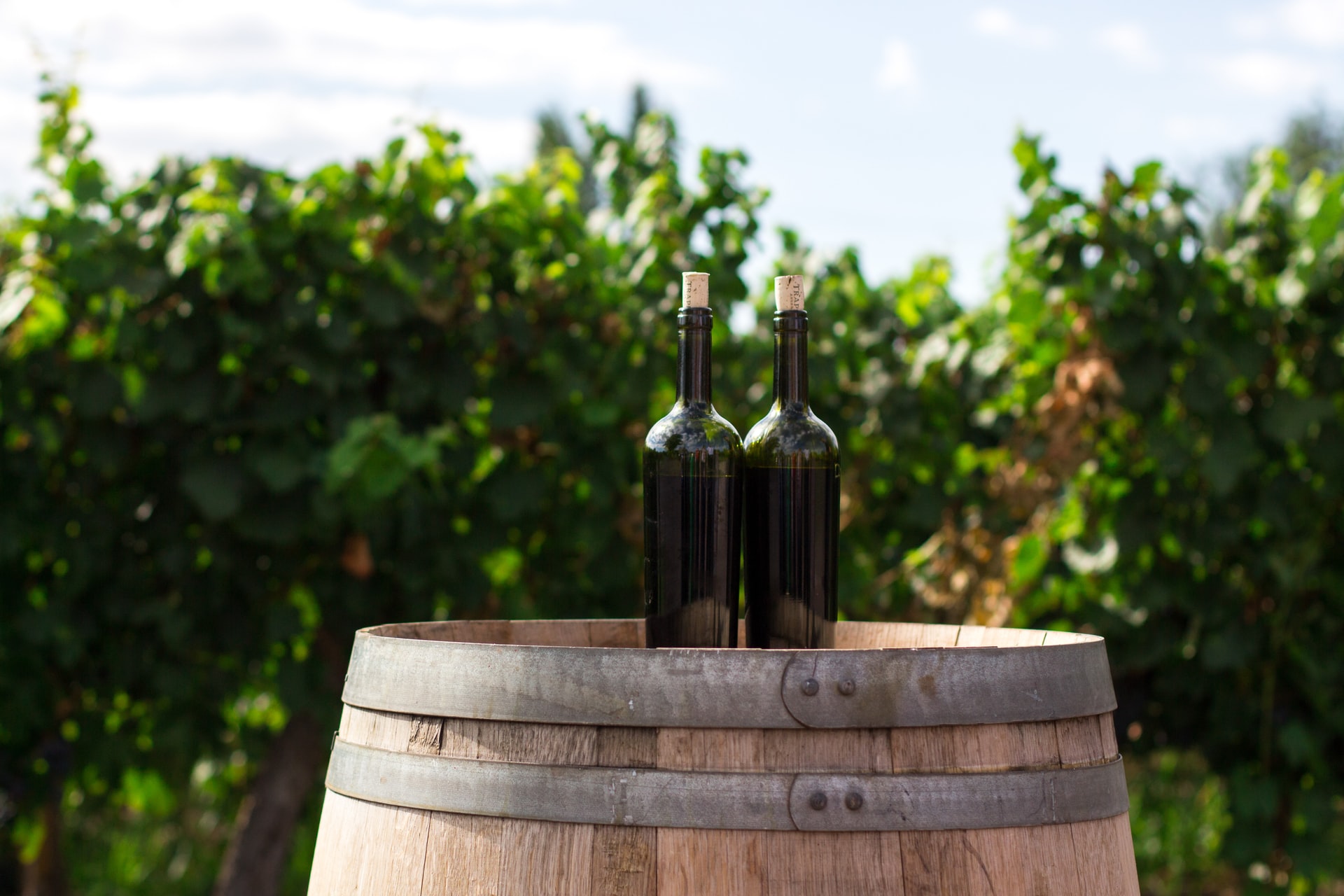
‘Gaux to the World of Natural Wine
No category of wine sparks debate like that of natural wine. Love it, hate it, or simply just don’t understand it, this hands-off style of winemaking is becoming more and more popular amongst consumers and industry folk alike. Here at Argaux, our stance towards natural wine is pretty simple – just like with any region, grape variety, or wine style, there are plenty of good and bad examples out there, and natural wine is no exception. The key to drinking great natural wine is simply knowing where to look. Not sure where to begin? That’s where we come in!
Regional Breakdown
Regions: Natural wine is made all over the world and from a plethora of grape varieties. Although this style can be found globally, certain “hotbed” regions include the Loire Valley, Beaujolais, Central California, and South Australia.
Wine Characteristics: High acid, fruit-driven, (generally) low levels of tannins in reds, and low levels of sulfites (often with zero added)
Fun fact: Not all natural wine is funky! When produced at the hands of talented winemakers, great natural wine shouldn’t taste “weird” or “funky” in any way – if anything, it should taste delicious, vibrant, and alive.
‘Gaux to the World of Natural Wine – What To Know
What Is Natural Wine?
No secrets here! Natural wine is exactly what it sounds like: wine made as naturally as possible, meaning nothing is added and nothing is taken away. Although the term is slightly debated (mostly in the realm of sulfites, which we’ll get to in a second), most industry professionals agree that the wines must be, at minimum, made from organic fruit, ferment with natural yeast, and be vinified with a low-intervention mentality, as well as bottled unfined and unfiltered.
Are There Any Natural Wine Designations?
Yes! Well, for French natural wine, at least. As of last year, the official Vin Méthode Nature designation was officially released. In order to obtain certification, the wine in question must be produced from hand-picked and organically farmed grapes, as well as indigenous yeasts. Ultra-technical winemaking methods (thermovinification, reverse osmosis, etc.) are prohibited, and only 30 mg/L of sulfur are permitted, none of which may be added before or during fermentation.
Are all natural wines brightly colored and funky tasting?
No! When made by great producers, well-made natural wines are generally tasty, fruit-driven, and reflective of the places from which they come.
Are Organic Wines and Natural Wines the Same Thing?
Not necessarily. Organic wines, or wines made with organically-farmed fruit, can still be vinified with conventional yeasts and excessive manipulation in the cellar. In this case, such organic wines are not deemed natural wines.
[Read More: Organic, Natural Wine, and Sulfites Guide]
What’s the Deal with Sulfites?
Sulfites (one atom of sulfur surrounded by three atoms of oxygen) are added to wine for preservation purposes. It’s important to note that sulfur is a byproduct of fermentation, so there’s no such thing as a sulfur-free wine. However, there are such things as no sulfites added (or sans sulfites ajoutés in French) wines.
Die hard natural winemakers will claim that wines with any added sulfur are not natural, as the supplemental portion is technically an additive; other natural winemakers will counter that by saying that minimal amounts of added sulfites are necessary to make unflawed wine. Our opinion? Keep the sulfites as low as possible while ensuring that the wine is fault free (and tastes delicious, of course!)
Wines Included:
2018 Flâneur Willamette Valley Chardonnay
Sourced from the signature basalt and jory volcanic soils of Oregon’s Willamette Valley, this medium-bodied Chardonnay jumps with flavors of peach, citrus, honey, marcona almond, and sweet baking spice. Zippy acidity and palate-coating fruit flavors lead to a lingering finish. Serve with gruyere or nutty cheddar cheese for an out-of-this-world pairing.
2018 Domaine Rougeot Bourgogne Aligote ‘Les Plumes’ Sans Sulfite Ajouté
This ‘no sulfites added’ (sans soufre) Aligoté from Domaine Rougeot is one of our all-time favorite natural white wines. Fruit comes from a 1.5-hectare vineyard dedicated to old vines (40-70 years old) rooted in clay-limestone soils. Post-harvest, the juice ferments naturally in concrete vats and ages in French oak barrels prior to bottling. Expect zippy flavors of green apple skin, lemon rind, and a touch of smoke.
2018 Flâneur Willamette Valley Pinot Noir
This light and fresh Pinot Noir from Oregon promises to give Old World favorites a run for their money. Flavors of cranberry, cherry, baking spice, and damp soil lead to a soft, lingering finish – the ultimate chillable red! Pair with a variety of meats and veggies or simply sip on its own. Bottled unfined and unfiltered.
2019 Domaine Rougeot Bourgogne Passetoutgrain ‘Les Verchèrres’ Sans Sulfite Ajouté
Pinot or Gamay – why choose? For those who love both grapes equally, Passetoutgrain is the answer. Crafted from a blend of both grapes, these light, easy-drinking wines bring the best of the worlds to the table. Rougeot’s signature blend features 70% Gamay and 30% Pinot Noir, which co-ferment together prior to aging. Medium-bodied and bright, the wine shows lively flavors of bing cherry, tart cranberries, potting soil, and potpourri. Serve slightly chilled with herb-roasted chicken, pork chops, or cheese and charcuterie boards.
2018 Domaine de la Bonne Tonne Morgon ‘Grands-Cras’ (3-Bottle Kits Only)
Looking for a go-to bottle of red that promises to please the masses? Domaine de la Bonne Tonne’s Morgon ‘Grand Cras’ has your back. This light to medium-bodied, well-balanced bottle of wine exudes luscious flavors of cranberry, cherry, and a touch of sweet baking spice. Bright acid and velvety tannins lead to vibrang, long-lasting finish. Only 625 cases produced per year.
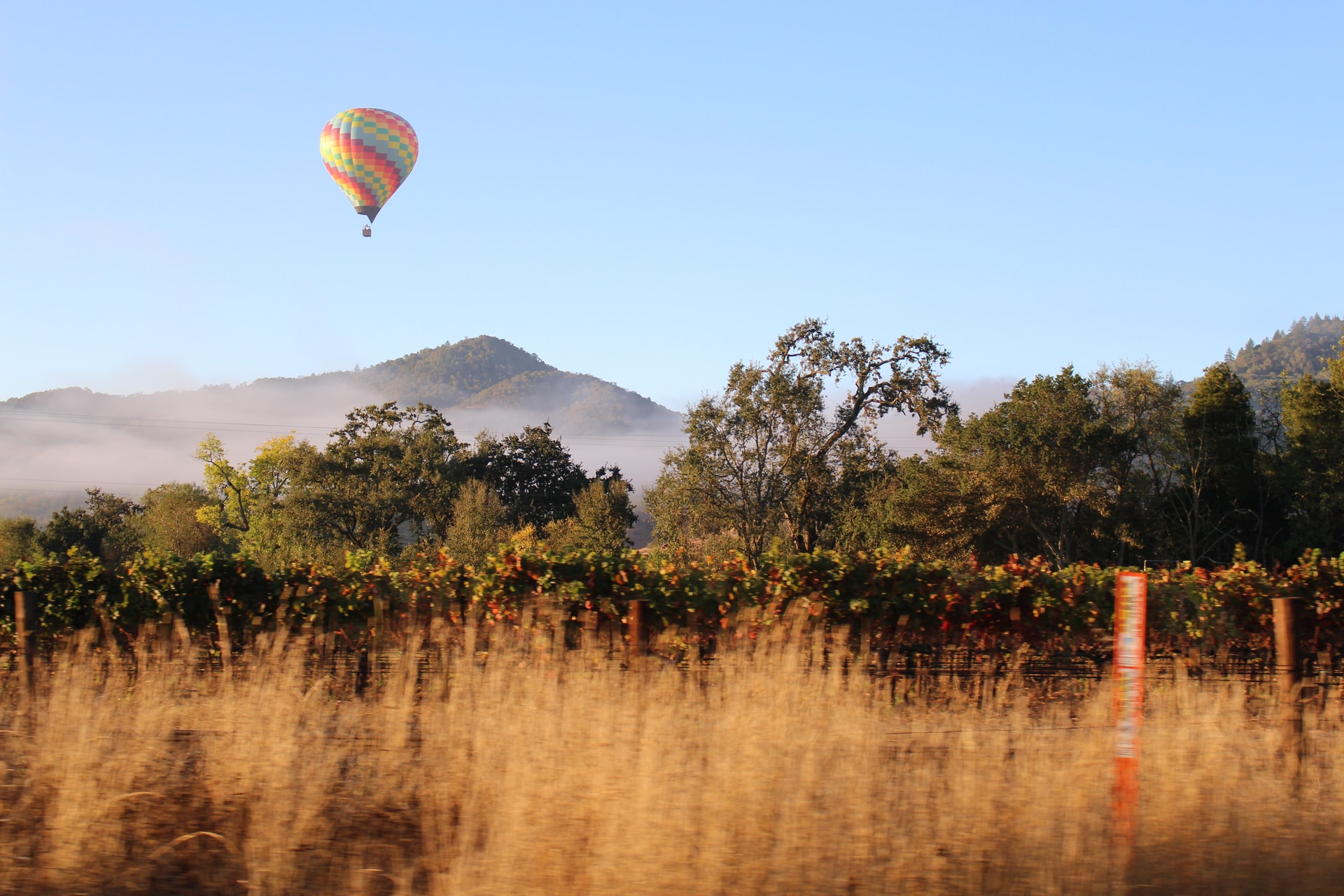
‘Gaux to California
Where else can you find peaceful Pacific coastlines, dramatic desertscapes, and lush vineyard sites all in one place? We know we may be biased, but California truly has it all. No need to hop on a plane to fulfill your dream weekend getaway! Whether looking for salt-tinged days spent on the beach or long hikes scouring through majestic Redwood forests, California has something to offer every type of long weekend traveler. Though one thing’s for sure—no matter where you choose to spend your down time, you’re definitely going to need some wine.
Shop California Wines
California Wine Regional Breakdown
Napa Valley
Location / How to Get There: Approximately a one hour drive north from San Francisco, immediately north of the San Pablo Bay
Terroir: Foggy, hilly, and very susceptible to fires
What to Know: Despite its small size, there are 16 sub-AVAs in Napa: Atlas Peak, Calistoga, Chiles Valley, Coombsville, Diamond Mountain District, Howell Mountain, Los Carneros, Mount Veeder, Oak Knoll District, Oakville, Rutherford, Spring Mountain, St. Helena, Stag’s Leap, Wild Horse Valley, and Yountville
Not to Miss: For foodies, The Restaurant at Meadowood, French Laundry, and PRESS are absolute musts!
Sonoma County
How to get there: Approximately a one hour drive from San Francisco Airport (SFO)
Terroir: Cool-climate, foggy, and heavily influenced by Pacific ocean breezes
What to Know: Sonoma is broken down into three sub-regions (Sonoma Valley, Northern Sonoma, and Sonoma Coast) and is home to 18 sub-AVAs.
Not to Miss: Downtown Healdsburg is a great place to stroll around, grab a coffee / beer break, and play a round of Bocce – did you know that more than seven local wineries have courts?
Paso Robles
How to get there: Drive from San Luis Obispo airport (approx. 35 mins) or hop a one hour flight from LAX
Terroir: Warm, vast (coastal / beachy to the west to more desert-like conditions inland), diverse soils (alluvial and sandy to calcareous and clay-based)
What to Know: This is hands-down red wine country! If you love Cabernet Sauvignon, Zinfandel, or Rhône blends, this region’s for you.
Not to Miss: Picnic in Barney Schwartz Park, shop the downtown boutiques, and cool off for an afternoon at Ravine Water Park.
Santa Barbara
How to get there: Fly directly into Santa Barbara airport, located just 7 miles away from downtown Santa Barbara. Alternatively, land in LAX and drive / take the coach bus to downtown SB (approx. 1 hour and 45 minutes).
Terroir: Nestled between two mountain ranges, with elevations ranging from 200 – 3,400+ feet; lots of soil diversity, from limestone to clay loam to diamtamaceous earth (DE)
What to Know: Unlike most valleys that run north to south, Santa Barbara actually runs east to west–in other words, sideways (yes, as in the inspiration for that Sideways!)
Not to Miss: Head down to the beach and check out Breakwater, Char West, Longboard’s Grill, or Santa Barbara Shellfish Company for some of the best (and freshest) seafood delights. Don’t forget to hit up San Ynez Valley, a hidden Santa Barbara gem.
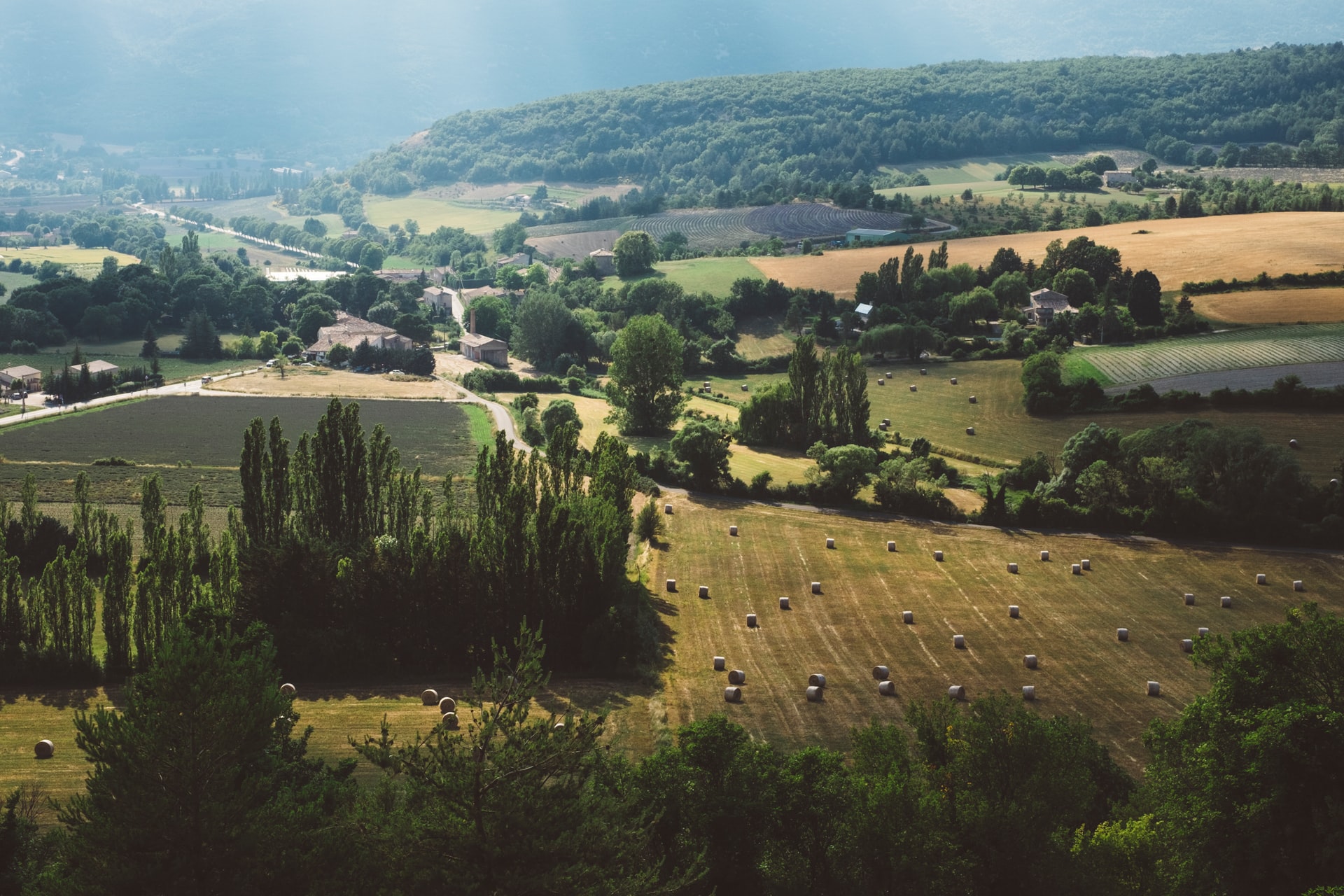
‘Gaux to Champagne
If you love to celebrate the little things in life, a trip to Champagne is just what the doctor ordered. Although synonymous with parties, weddings, and celebrations of all kinds, Champagne is actually the perfect wine for year-round sipping, festivities or not. These bubbly, versatile bottles are perfect for pairing with a variety of foods and instantly promise to elevate the mood, no matter where you’re sipping—and when the bottle’s that good, the simple act of drinking it becomes a celebration in itself!
‘Gaux to Champagne – What to Know
Main Regions: Champagne is broken down into five sub-regions: the Vallée de la Marne, Montagne de Reims, Côte des Blancs, Côte de Sézanne, and Aube (Côte des Bar).
Grape Varieties: Chardonnay, Pinot Noir, and Pinot Meunier, though technically Pinot Blanc, Pinot Meslier, Pinot Gris, and Arbane are also permitted.
Fun fact: Although Champagne is often credited with creating the méthode traditionelle, it’s likely that the process was actually first discovered in France’s southerly Languedoc region!
Visit Champagne
Location / How to Get There: Fly into Charles de Gaulle, then drive 1 hour and 54 minutes by car (to Reims) or take the fast train from the city center (approx. 57 minutes)
Terroir: Although each region and village have their own particular micro climates, the overarching region of Champagne is dominated by cool climates, hilly topography, and signature chalk soils laden with fossilized seashells.
What to Know: Visiting small growers definitely requires a bit of driving. If you prefer tasting with family producers over big houses, be sure to choose a daily designated driver, hire a car service, or have a taxi number on hand – and always book an appointment in advance!
Not to Miss: If staying in (or passing through) Reims, be sure to pop by Au Bon Manger and Glue Pot for exceptional wine lists and great snacking – you may even run into a handful of local winemakers at the latter! For a luxurious and unforgettable dinner, be sure to book a table at Les Crayeres.
How It’s Made
Champagne is crafted via the méthode traditionelle (traditional method). First, a non-sparkling base wine is produced in the same way that any given still wine is made. The wine is then bottled, and a liqueur de tirage (mix of sugar and yeast) is added. This ignites a secondary fermentation in the bottle. Because carbon dioxide is a byproduct of fermentation, the CO2 from the secondary fermentation gets trapped inside of the bottles. This is how Champagne gets its signature sparkle!
From there, the wines are aged for a given period of time and are slowly riddled on their sides, meaning that the dead yeast cells from the secondary fermentation are brought to the neck of the bottle. From there, the tip of the bottles’ necks are chilled, and the wines undergo disgorgement, a process which releases frozen dead yeast cells under pressure. Wines are then generally topped off with a mixture of wine and sugar (known as dosage) to adjust the final taste profile of the wine. Wines bottled without dosage are labeled as Brut Nature or Zero Dosage.
What’s Dosage?
Dosage refers to the amount of sugar (or combination of still wine and sugar) added to Champagne prior to bottling. This addition determines how dry / sweet the final wine will taste. Curious to know how much residual sugar is in your favorite Champagne? Here are the official designations:
Brut Nature / Zero Dosage – 0 grams of sugar per liter
Extra Brut – 0-6 grams of sugar per liter
Brut – less than 12 grams of sugar per liter
Extra Dry – 12-17 grams of sugar per liter
Sec – 17-32 grams of sugar per liter
Demi-Sec – 32-50 grams of sugar per liter
Doux – 50+ grams of sugar per liter
We know what you’re thinking – Brut is technically drier than Extra Dry? The answer is yes… we know, it’s complicated! Keep this guide in your back pocket for quick reference.
Featured Producer: Champagne Delavenne
Champagne Delavenne is a family-owned winery based in Bouzy, located in the heart of the Montagne de Reims. Generations of skill, knowledge, and technique have been passed down to current winemakers Jean-Christophe and Maelle Delavenne, who bring quality and excellence to every cuvée produced at their hands. Unlike most Champagnes, wines produced by the Delavennes do not undergo malolactic fermentation and are left to evolve in vat as naturally as possible. The wines then age in natural, underground cellars made up of local chalk for a minimum of three years. Forget the big houses – this is the stuff you want to be drinking!
Wines Included:
NV Champagne Delavenne Père & Fils Brut Nature Grand Cru Champagne – (3-Pack Set Only)
According to Jean-Christophe and Maelle, this single-village Brut Nature bottling is the purest expression of the duo’s local terroir (Bouzy, Grand Cru). Here, vines are rooted into chalky soils surrounded by natural forests, and cool evening breezes help keep natural acidity high in the grapes. Expect flavors of citrus, salty white peach, orange peel, and crushed rocks. Zero dosage added.
NV Champagne Delavenne Pere & Fils Brut Tradition Grand Cru Champagne
This Brut Tradition Grand Cru is the heart and soul of what the Delavenne’s do. Jean-Christophe describes the wine as the “embodiment of the Delavenne house tradition,” and we couldn’t think of a better bottle to elevate any dinner party, weeknight happy hour, or gathering amongst friends. Fruit comes from vineyards in Bouzy and Ambonnay. Flavors of apple fritter, brioche, fresh green apple skin, and lemon drop lead to a long, lingering finish.
NV Champagne Delavenne Père & Fils Brut Rosé Grand Cru
There aren’t many things we love more in life than rosé and Champagne; when the two collide, it’s a guaranteed party! This Grand Cru Brut Rosé comes from Pinot Noir and Chardonnay grown in Bouzy. Aromas of red berries, baked red apples, and rose petals lead to a juicy, mouth-coating palate laden with flavors of red fruits and baking spice. The wine’s creamy and persistent mousse leads to an elegant, long-lasting finish. Our mouths are watering just thinking about it!
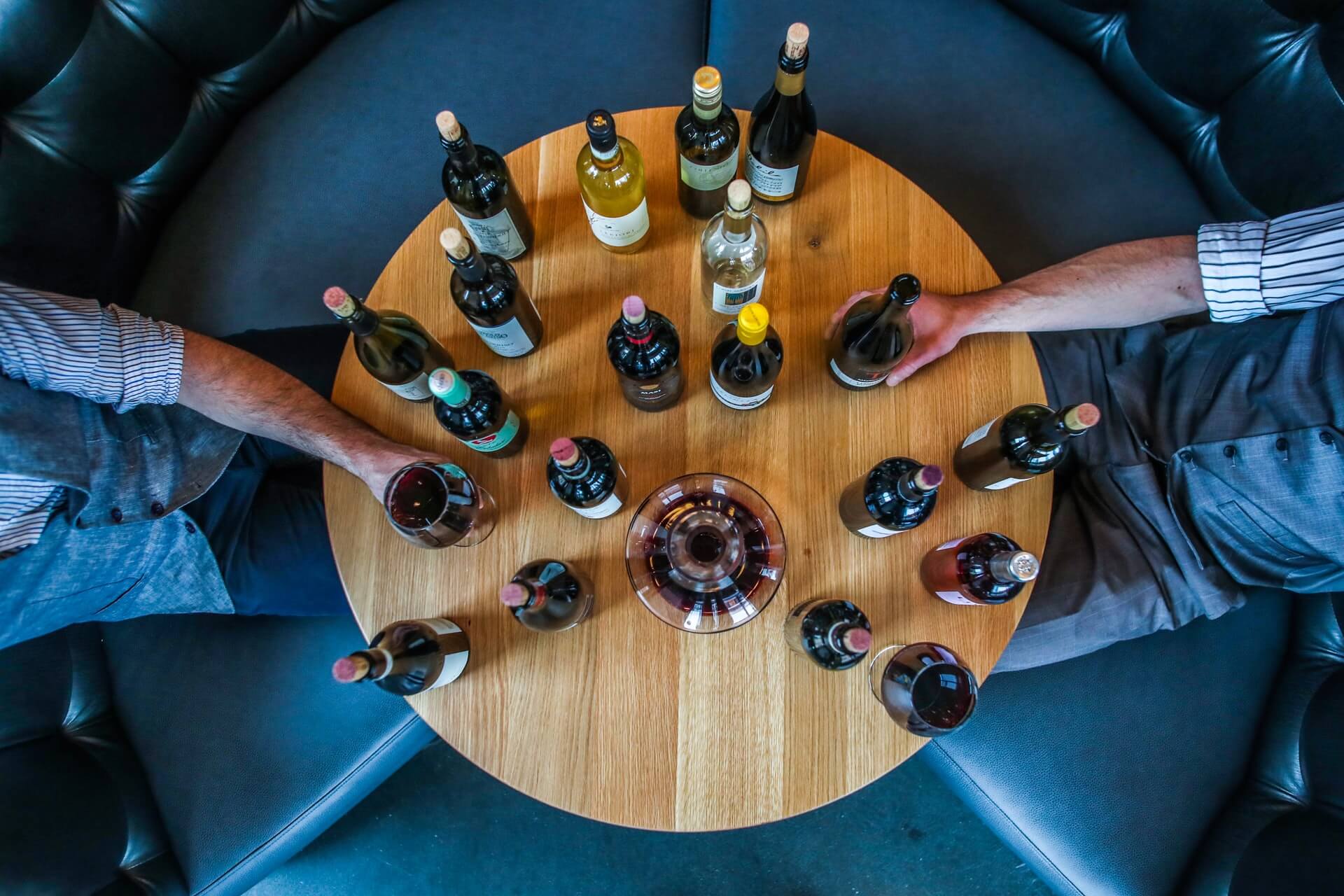
‘Gaux to Old World vs. New World
Old World versus New World – why choose? At Argaux, we’re here to bring you the best of the both worlds. When it comes to learning the ins and outs of wine tasting, starting with a solid Old World versus New World foundation is key. The fundamental traits that characterize these regions are essential in learning how to blind taste like a pro, as well as figure out your own personal palate preferences. Not sure what we mean? Check out our quick guide here.
‘Gaux to Old World vs. New World – What to Know
Regional Breakdown
Old World Wine
Regions: All wine regions located in Europe and the Middle East (Israel, Lebanon, etc.)
Wine Characteristics: High acid, earthier, lower alcohol, restrained oak use
Not to Miss: Think of exploring the Old World of wine like a backpacking trip through Europe. Discover the salty, coastal regions of Portugal, venture along the Douro river into Spain, scour the plethora of vineyards in France into the emerald hillsides of Tuscany, then end with a trek through the steep hillsides of Germany and Austria into the exotic regions of Israel, Lebanon, and Georgia (where viticulture was ultimately born!)
Note: Wine characteristics are based on textbook examples of wines from these regions. These characteristics are the first traits that professionals assess when blind tasting! However, as climate change carries on—and as more winemakers continue to break boundaries / plant more experimentally all over the world—more exceptions to these rules are created daily.
New World
Regions: All wine regions located outside of Europe and the Middle East (think North and South America, South Africa, Australia, and New Zealand)
Wine Characteristics: Lower acid, fruit-driven, higher alcohol, more prominent use of new oak
Not to Miss: A journey through the New World is a global adventure. Start your trip in the cool-climate vineyards of Washington and Oregon, then cross the state lines into sunny Napa. Head over to Sonoma and travel down the saline-tinged coastal regions of California. Hop a transcontinental flight and discover the wild regions of Australia and New Zealand, then end your tour journeying through the rugged vineyard sites of South Africa.
What To Know
– In the realm of Old World versus New World, no area is better than another. There are plenty of amazing wines to be discovered all across the globe.
– As mentioned above, the “textbook” traits of wines from these regions were much more commonplace prior to global warming. As climate change continues (and as more experimental winemakers continue to hit the scene), it’s very common to find high-acid, lower-alcohol wines from cool-climate New World regions, just as it is to find ripe, high-ABV wines in Old World regions.
– The 1976 Judgement of Paris tasting was one of the most shocking and influential events to occur in the history of wine. At the time, wines from New World regions were considered highly inferior to those from Old World regions, but a few talented California producers shook things up for the better. In a blind tasting featuring six Chardonnays and six Cabernet Sauvignons (half French, half from California), the New World wines came out on top. The wine world was shocked—and ultimately changed for the better. Industry and consumer minds alike opened themselves up to the serious potential of New World wines, and today, our industry is better for it!
Perfect for → Those looking for the best of both worlds!
Wines Included:
No Name Santa Barbara County Chardonnay
This delicious, easy-drinking wine promises to quench your thirst after long days beneath the sun. Expect flavors of banana, ripe pear, fresh apple, and red peach sherbert to jump from the wine’s smooth, mineral-driven palate. Produced from sustainably-farmed fruit and great for all occasions / palate preferences – especially if crab cakes, gouda, or Shrimp Enchiladas Verde is on the menu.
2019 Domaine De Oliveira Lecestre AC Chablis
Hailing from Burgundy’s northernmost growing area, this fresh and zesty wine jumps with flavors of white flowers, lemon rind, and a touch of citrus rind. The wine’s striking minerality and crisp acidity lead to a chalky, long-lasting finish. Compare the wine’s lip-puckering acid to the rich and round flavors found in the wine above. Make no mistake, both of these wines are made from Chardonnay, but the traditional Old World (Chablis) vs. New World (California) traits are evident in a side-by-side tasting of these two bottles.
No Name Santa Barbara County Pinot Noir
Looking for a red that covers all of your bases? This perfectly balanced Pinot Noir is just the tickets. Notes of ripe cranberry, cherry, black tea, and cacao nibs ooze from the wine’s soft, mouth-coating palate. Crafted from sustainably-farmed fruit and only 92 cases produced. Serve slightly chilled for maximum enjoyment.
2018 Cherrier Frères Sancerre Rouge Pinot Noir
Contrary to popular belief, not all that hails from Sancerre is white! Small amounts of earthy, acid-driven Pinot Noir are also produced in the region, and this expression from Cherrier Freres is one of our favorites. The wine’s light to medium body is loaded with flavors of red berries, dried herbs, violets, and a touch of sweet baking spice. Compare with the soft, palate-coating flavors of the Pinot above. We find these two wines side-by-side perfectly illustrate the classic Old World vs. New World style of Pinot Noir.
2016 Château des Antonins AOC Bordeaux Supérieur Cuvée Spéciale Millésime Rouge – (4-bottle Red Pack Only)
This classic Bordeaux blend is the epitome of Old World excellence. Composed of 65% Cabernet Sauvignon and 35% Merlot, the wine shows expressive flavors of dark fruits, cigar box, and tobacco on the palate, which lead to a complex and powerful finish. Notice the high acid, gritty tannins, and secondary (cigar, smoke) flavors on the wine – this stuff screams Old World.
2019 Wonderland Project No. 9 Napa Valley Cabernet Sauvignon – (4-bottle Red Pack Only)
Wonderland Project’s No. 9 Cabernet Sauvignon is loaded with dense flavors of smashed blackberries, cedar, bay leaf, leather, and graphite. Polished tannins and tobacco-driven undertones lead to a lasting, unforgettable finish. Compare this wine’s fruit-driven flavors to the secondary notes found in the Cabernet/Merlot blend above – this is the epitome of textbook Old World vs. New World. Made from organically-farmed fruit and only 1,5000 cases produced.