


 (949) 438-7228


 Call Us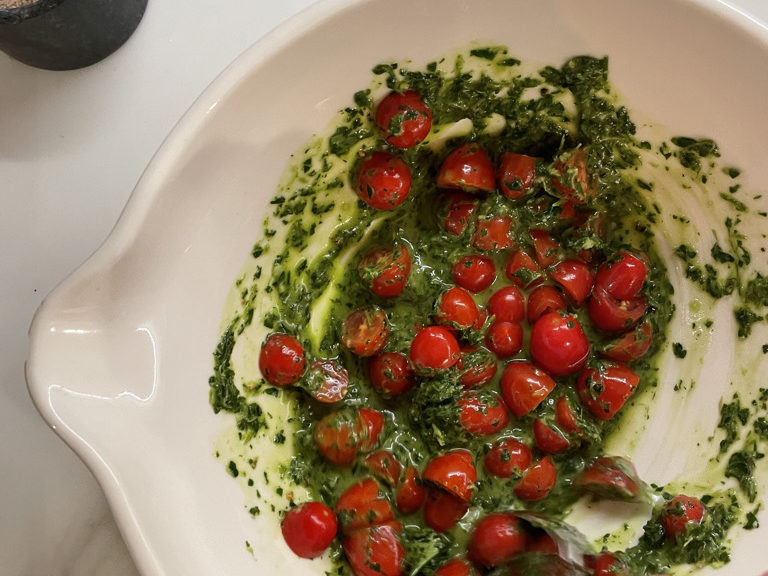
Green Herb Sauce, For Seriously Anything
Seriously. Use this for anything! I’ve added more olive oil to make it into more of a dressing and I’ve tossed it with Zucchini Carpaccio or fresh cherry tomatoes. It could even be used as a pasta sauce, or use a dollop on top of your Chicken Milanese. The herbs are interchangeable – Just use …
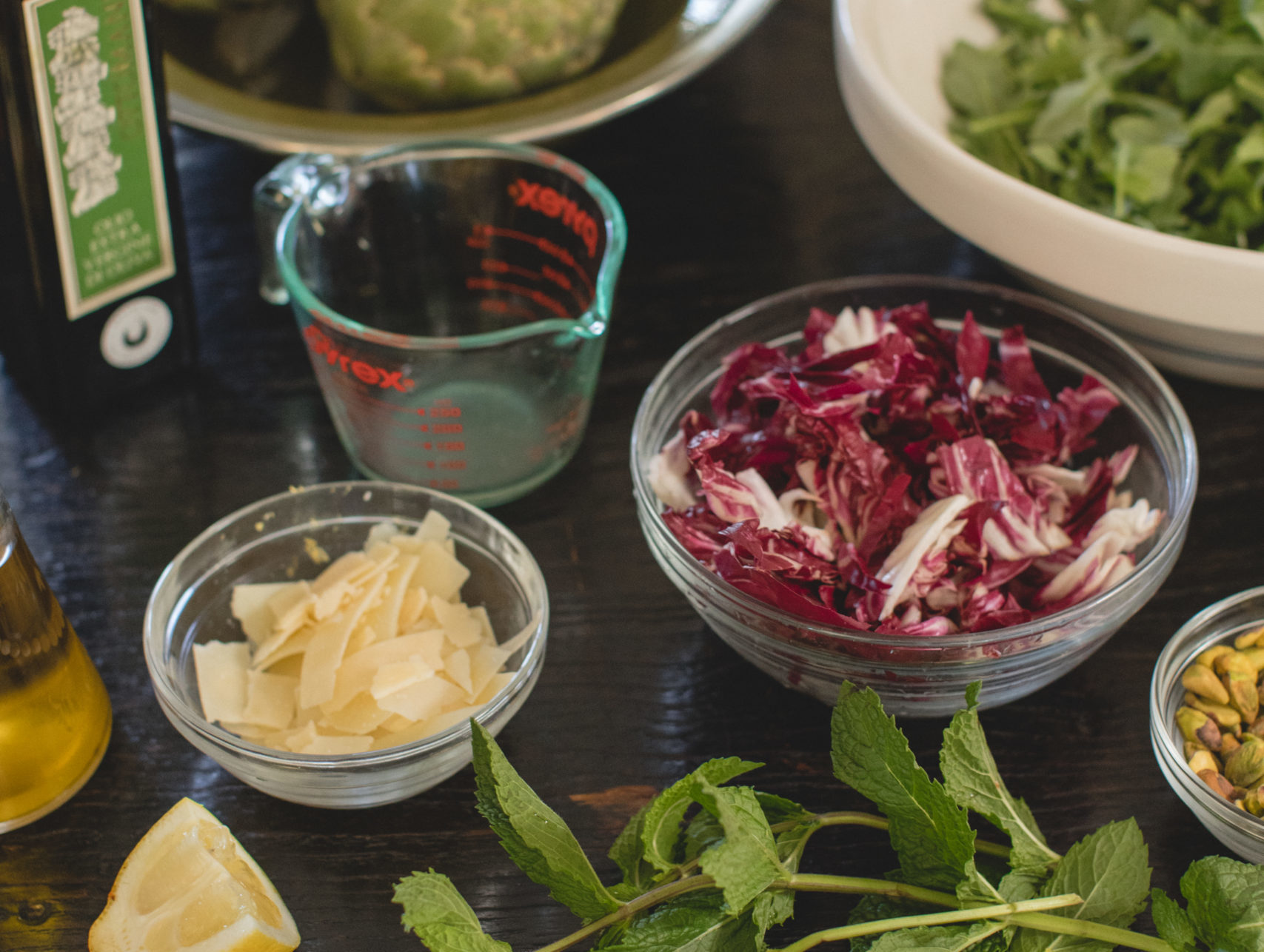
Arugula, Radicchio, and Mint Salad
Serves 4-6 Wine Pairing: 2021 Herd & Hart Western Cape Sauvignon Blanc If there’s a radicchio salad with shaved parmesan on the menu, I almost always order it! I love having a salad like this on the table alongside Chicken Milanese or a light, white fish. It’s almost like a palate cleanser. This salad would …
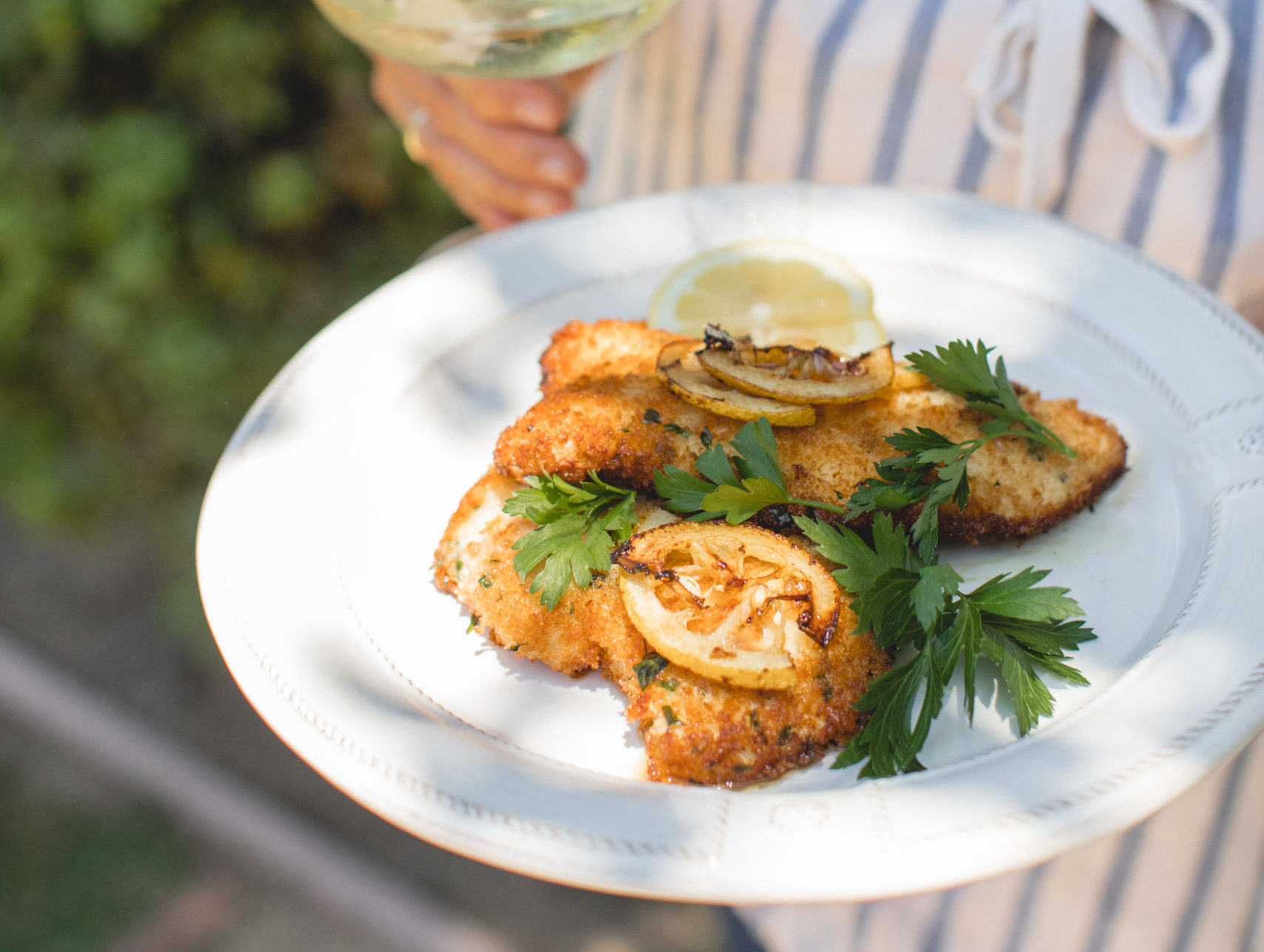
Chicken Milanese
Serves 2 Wine Pairing: Depends on what you’re eating with it. Hundred Suns is perfect with the Chicken Milanese by itself. Herd/Hart Sauvignon Blanc if served alongside the Arugula/Radicchio Salad. If you were to spoon some mushrooms over the chicken like we did here with a Marsala sauce, the Bourgogne Rouge would be perfect! This …
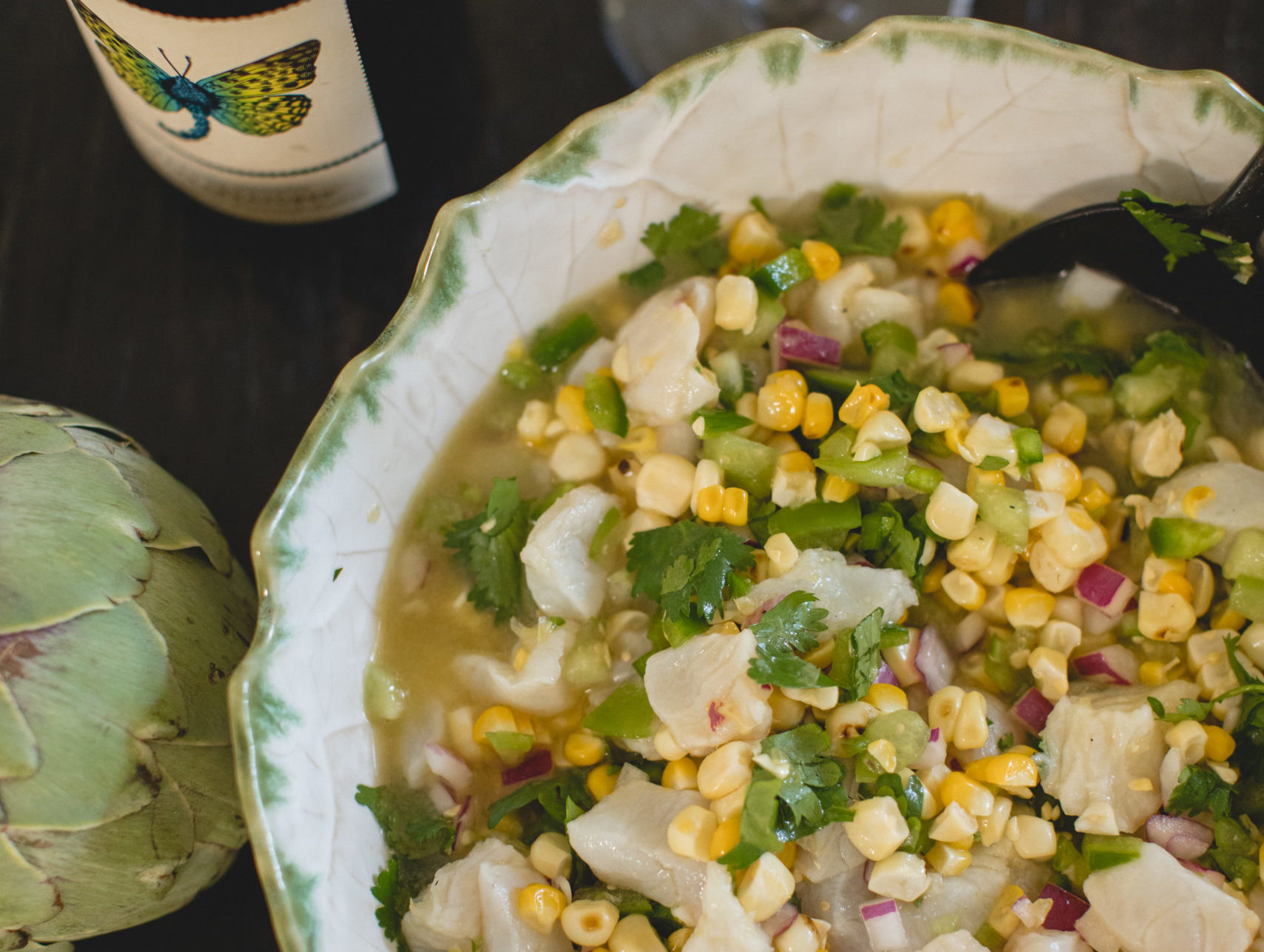
Margaux’s Halibut Ceviche
Serves 10 Wine Pairing: 2020 Crazy Creatures Kremstal Gruner Veltliner Ingredients 1 Pound of Halibut; cut into 1 inch cubes 1 cup of Lime Juice 1/2 cup Fresh Squeezed Orange Juice 1/2 cup Tomatillos; diced 1/4 cup Red Onion; chopped 1/4 cup Cilantro; chopped 2 Ears of Corn; grilled and shaved 1 Jalapeno; seeded and …
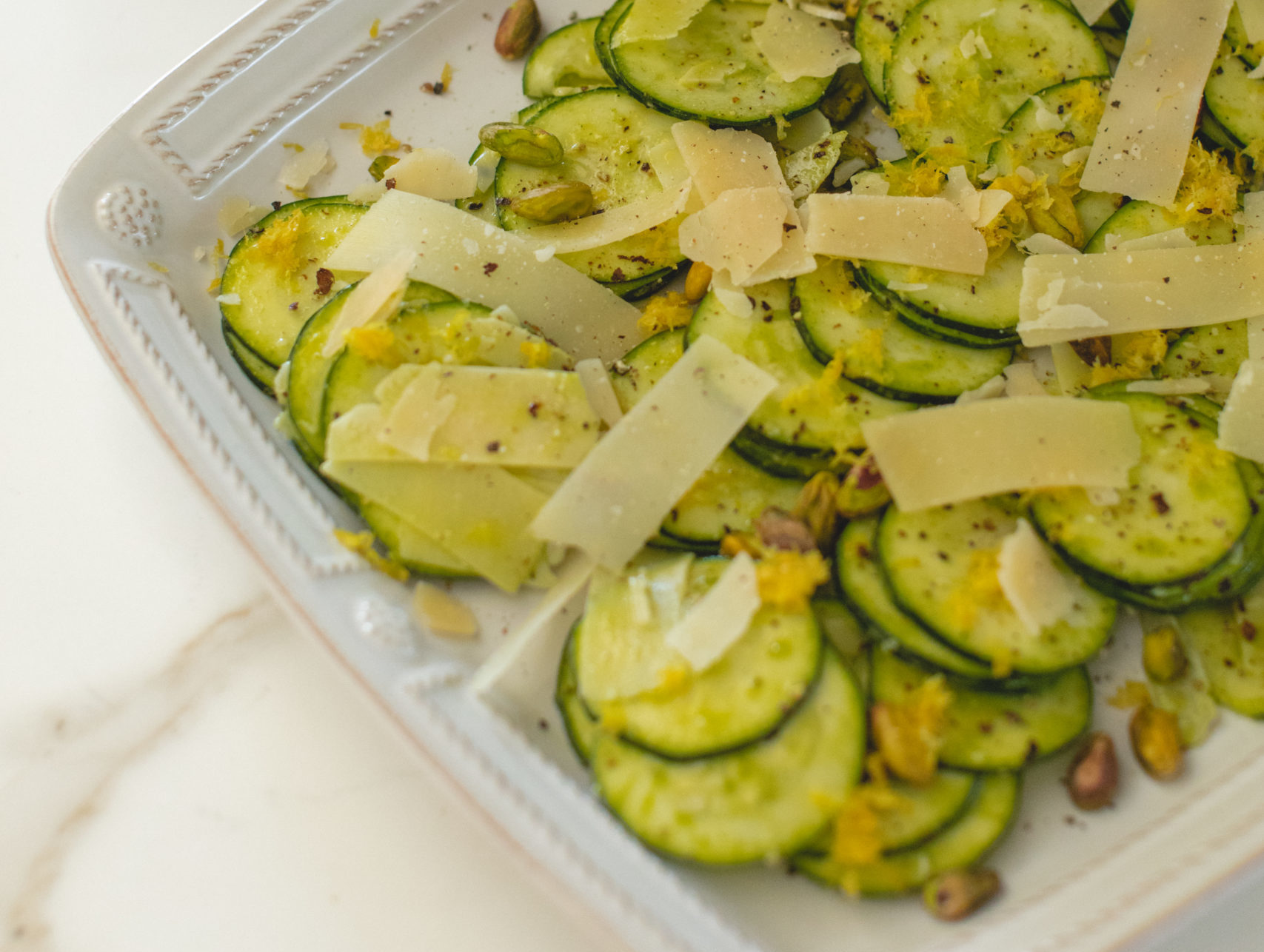
Zucchini Carpaccio
Serves 4-6 Wine Pairing: 2022 Graci Etna Bianco Terre Siciliane One of the simplest, most crowd pleasing, beautiful presentations for entertaining! If you’re tasked with bringing a salad or a side, this is something to keep in your back pocket. You can dress the Zucchini with the Green Herb Sauce for extra goodness or …
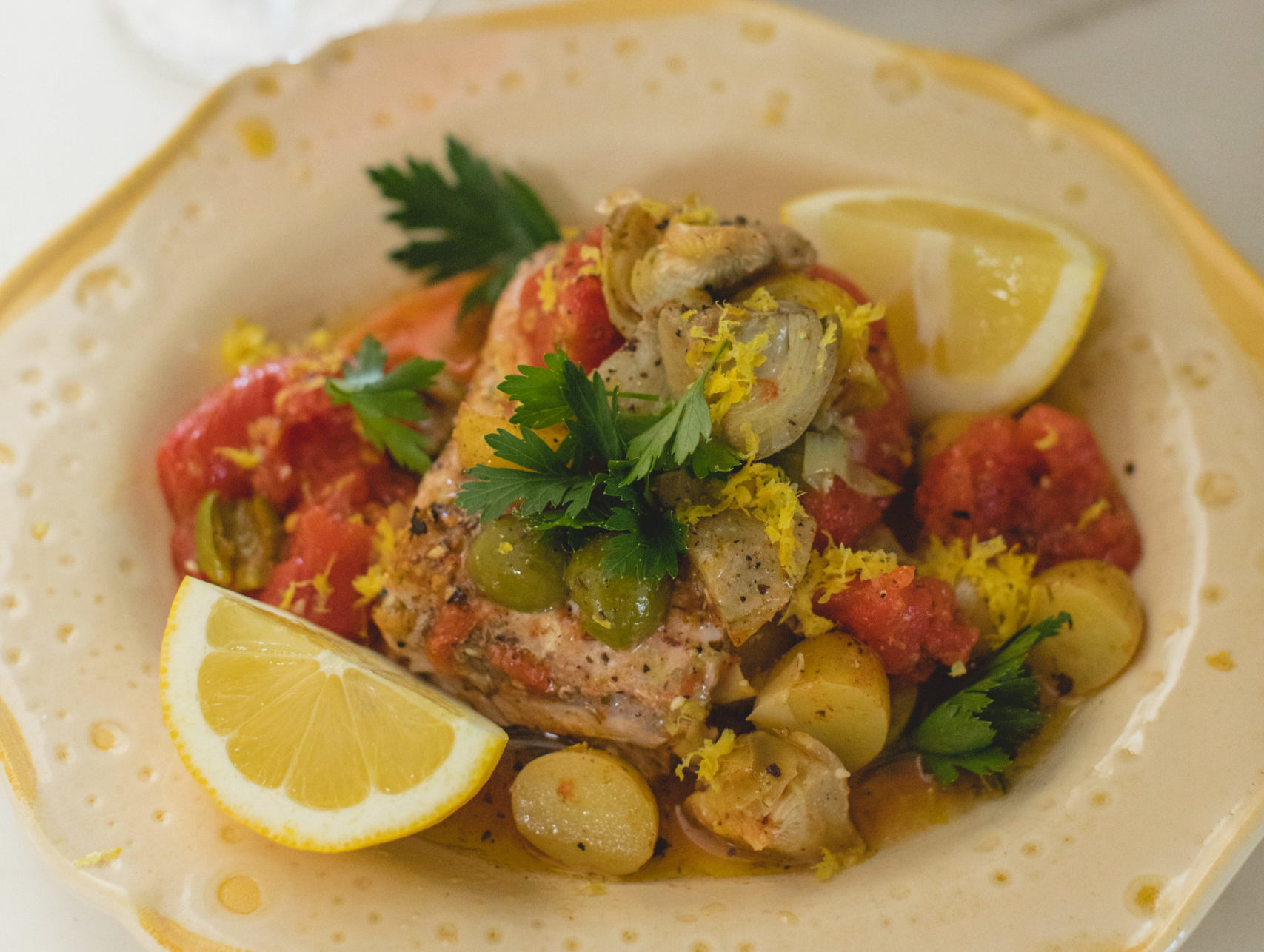
Sea Bass Acqua Pazza
Serves 2 Wine Pairing: 2022 Pedro Mendez Viño Branco Albariño When I was in Italy we had pasta of course, but something to break up pasta on top of pasta (meal after meal) is fish. One of my favorite preparations is simple, and we’re talking as simple as olive oil and lemon. However, on a …
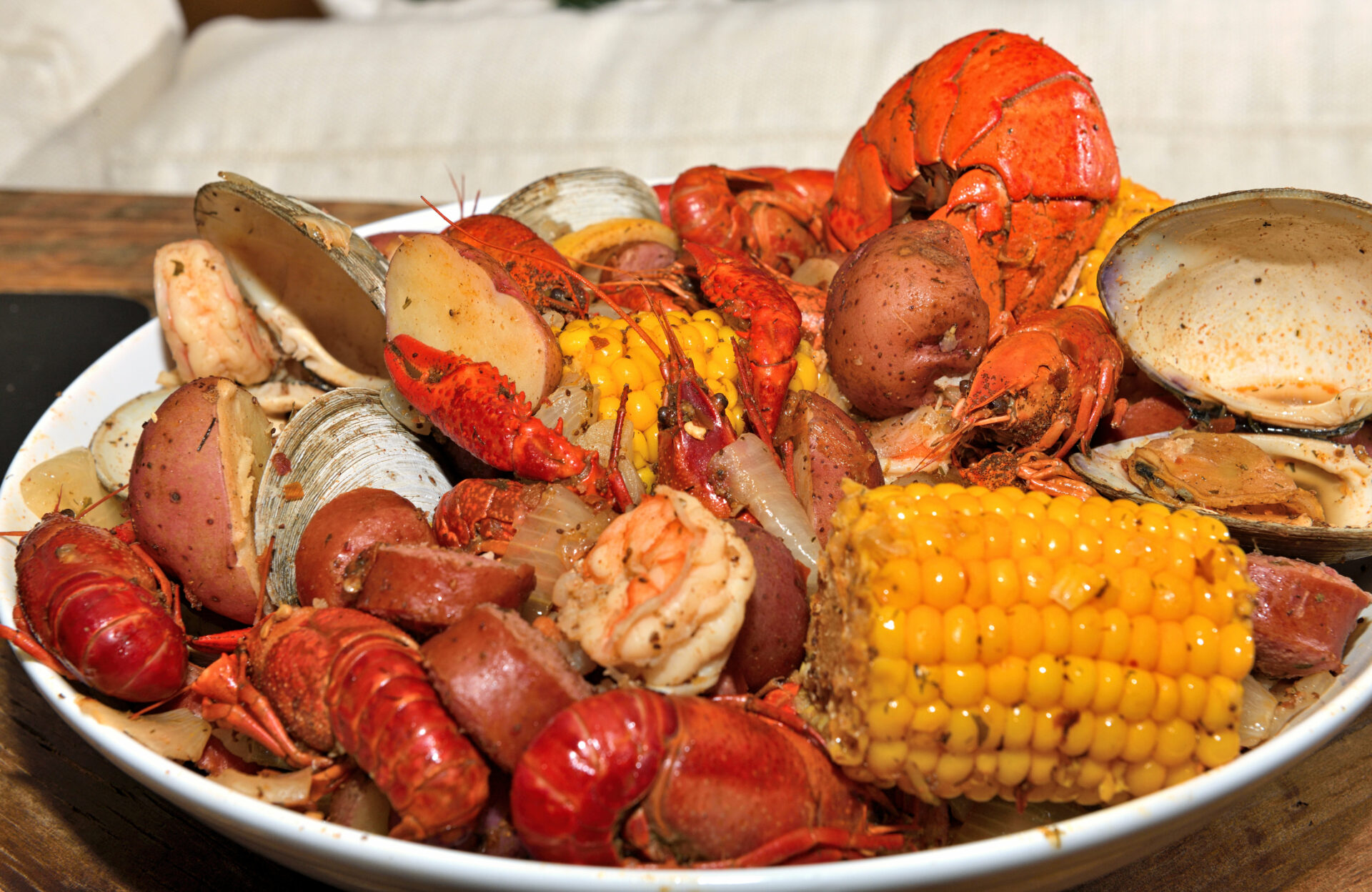
Best Wine for Crawfish Boil
Imagine you’ve been invited to a party on a dock in the Louisiana Bayou. A jug band has been promised, along with corn biscuits, dirty rice, and of course a spicy, savory crawfish boil right in the middle of everything. The host asked you to come with a bottle of your favorite beverage to share. What are you bringing?
If your answer was wine, you’re already a step ahead (also definitely in the right place.) It might not be the most intuitive pairing in the world, but an authentic crawfish recipe is complex and deep, like the ecosystem of a southern swamp or a bottle of really good vino. It follows that the two would compliment each other.
So if you know the answer is “wine,” but you’re not entirely sure which one, welcome. We’ll figure it out together.
How to pair wine with crawfish
If you are in Louisiana, definitely do your best to find a local wine that will bring you the terroir unique to that humid and bioactive environment. If not, there are some varietals you can reach for that will get the job done – however you boil your fish.
The broader “seafood boil” leaves a lot of wiggle room for home chefs to adjust ingredients and spices to their liking. But if you’re going for a crawfish dish that a Louisiannan would be proud of, there are a few must-haves to include.
Attend any of the many crawfish festivals you will find around the state in the months of April, May, and June, and you will be greeted by a hearty dish seasoned with cayenne, hot sauce, lemon, and bay leaf. In the pot will be rounds of corn, new potatoes, whole heads of garlic, onions, shrimp, and the critters themselves. Your boilmaster may also choose to include sausage and mushrooms in the final stew. Once it’s ready, expect to feast off of a picnic table covered with newspapers, or straight out of a traditional bayou fishing boat.
What this means is that the wine you choose needs to be bold enough to stand up to strong flavors, but soft enough to cool the heat of all that capsaicin you’re going to run into. We’ve got a few ideas.
Best wine for crawfish
- 2020 Von Winning Sauvignon Blanc II – $24
Sauvignon Blanc is one wine that experts agree pairs perfectly with a really classic crawfish boil. Crispy and light, the dry but fragrant white is totally refreshing and great at melting away the cayenne heat while still supporting the flavors of the dish more broadly. And this German Gem offers an extra-special experience with fruity, creamy flavors made to both soothe and delight.
- 2019 Anza Diego Magaña Rioja – $31
The touch of Malvasia in this Tempranillo-heavy red blend is really what you’re after when sipping alongside a pile of crawfish and blackeyed peas. Of course the other grapes included all have something significant to bring to the party, resulting in the winemaker’s “favorite rioja” he’s ever made. Truly a treat for your feast.
- 2018 Fiano di Avellino Rocca Del Principe – $26
Margaux’s favorite wine of all time just happens to pair perfectly with savory, spicy crustaceans. Experts recommend an Albarino for a great pair to the aromatics of a crawfish boil, but this soft and mineral-forward white gets the job done with an added air of elegance. Expect flavors of green apple, lime skin, pear, and herbs to uplift and smooth out the dish before you.
- 2017 François Mikulski Volnay ‘Santenots du Milieu’ Premier Cru – $130
Sweet, deep, and dark, the Premier Cru is to be savored and adored as you would any precious thing. It’s endlessly complex, with a palate that shifts and bends like branches of the Mangrove tree as time passes between each sip. Leather, dark plum, cherry, and peony are followed by mocha and tarragon, are followed by strawberry and raspberry, are followed by utter bliss.
- 2019 Graci Etna Rosso – $30
If you’re allergic to whites but want something sweet to cool your palate after a blast of red pepper, it must be a Pinot Noir. That’s not what this is, but you’ll love it all the same. A Nerello Mascalese blend offers the same citrusy, fruity, herbaceous sweetness that will match the briny body of the crawfish itself while dimming the heat so you can really taste what the cayenne is bringing to the table.
- NV Champagne Delavenne Père & Fils Brut Rosé Grand Cru – $60
Here’s the Pinot, and the Chardonnay! Pink bubbles are really the star of the show at a Bayou banquet, featuring a flute of sparkles that reflect the glitter of fireflies and clear, southern night sky. Strawberries, whipped cream, and rose petals come through beautifully in this true Champagne, washing elegance and delight over your palate and your party.
Argaux’s offerings
If the tasting notes we talked about throughout this article aren’t quite so intuitive yet, Argaux has you covered. We offer an array of tasting kits and experiences that will help you learn the world of wine while sipping your way through our collection of small-batch viticultural delights.
Start with our blind tasting kit and learn to discern varietals, origins, and even brands through visual and visceral aspects of drinking wine.

‘Gaux-To Paris: Our Guide to the City of Lights
‘Gaux-To Paris: Our Guide to the City of Lights
No European city screams food-and-wine-focused getaway like Paris. Regularly the most visited city in Europe year in and year out, the City of Lights is an absolute no-brainer for those looking to indulge in the best of French food, wine, and all around joie de vivre.
With international travel back in full swing, Paris remains at the top of most travelers’ bucket lists for the upcoming year ahead – and if you’re coming from the United States, getting to France’s capital city has never been easier. Many airlines have added direct flights from major cities all across the country, meaning your next wine-and-cheese laden apéro is just a few hours away.
For those who love food and wine but have never been to Paris, we can’t recommend it enough; gastronomy fans who’ve visited before, we’re certain you know why. However, as with any big city, Paris is home to a slew of restaurant tourist traps – a major no-no for us here at Argaux.
Though worry not! Our team has regularly visited the City of Lights (in fact, one of our team members even lives there part time) and has come up with this extensive list of unmissable wine bars, bistros, and authentic places to imbibe. Check it out here!
The Bigger Picture:
Paris is located in the northern half of France, about smack in the middle from its eastern and western limits. Home to over two million residents, Paris is regularly the most visited city in the world year in and year out – and if you’ve been before, you certainly understand why.
In addition to its bustling food and wine scene, Paris’ stunning architecture, countless museums, and endless exhibitions offer an unlimited supply of things to do. Whether gazing at centuries-old paintings, strolling through manicured parks, or perusing through local flea market offerings is more your thing, Paris has something to offer every type of traveler – and best of all, accessing wine regions all around the country via France’s TGV (fast train) system is incredibly easy.
Note: The city center of Paris is broken down into 20 neighborhoods, known locally as arrondissements. The numbers indicated next to each recommendation signify the neighborhood in which the establishment is located.
First Things First:
Paris and pastries go hand in hand, and no trip to France would be complete without a flaky, perfectly buttery treat. However, many of the capital’s boulangeries sadly serve up defrosted treats from the supermarket aisle in their display windows. For authentic treats to start your day, look to these local establishments:
- Terroirs d’Avenir – Perhaps the best pain au chocolat in Paris!
- Du Pain et Des Idées – Excellent pastries, do not skip on the escargot, their signature chocolate and pistachio treat
- Mokonuts – Unbelievable coffee and cookies
- Chambelland – The best gluten-free bakery in the city
- Mamiche – Savory cinnamon buns that promise to blow your mind
- Poilâne – Local favorite for bread, butter cookies, and more
Ready for Round Two:
Here at Argaux, we never recommend skipping lunch – especially if you plan on sipping on wine all the day long. Check out some of our favorite lunch spots here:
- Bistrot Paul Bert – Traditional bistro food with solid wine list (can be hard to get in for dinner, lunch is a no brainer)
- Juveniles – Wine bar near the Louvre with incredible (and affordable) three-course menu options
- Café Méricourt – Adorable café on a quiet street with eggs, sandwiches, and tasty coffee
- L’As du Falafel – You’ll definitely wait in line for a bit, but this is for sure the best falafel in town
- Clamato – Sister restaurant of Septime known for natural wine and seafood favorites
- Wild and the Moon – Disclaimer – this is not typically “French” whatsoever, but for those looking for a healthy reset (juices, smoothies, acai bowls, CBD-infused drinks), this is your spot
Wine Bars Galore:
What Paris lacks in vineyards it makes up for in wine bars. We’re confident in saying that it may just be the best city for drinking wine in the world. Here are our top places to imbibe:
- Chambre Noire – Popular industry spot for late-night hangs
- Septime La Cave – Popular expat hang for natural wine and by-the-glass pours
- Bonvivant – Do not sleep on this Left Bank gem; great cheese boards and excellent wine list
- Willi’s Wine Bar – Hidden gem in touristy part of town; great Northern Rhône selection (Alyssa’s favorite!
- Le Barav – Well-located wine bar with great bottles and extensive outdoor seating
- La Cave de Belleville – Wine bar / wine shop with massive cheese / charcuterie boards, tapas, and a solid wine selection
- Cave à Michel – Hole in the wall spot near the canal with plenty of sidewalk standing room
- La Cagouille – Pricey, but solid wine list focused on incredible white Burgundy with some of the most strictly allocated producers in the world
- Au Sauvignon – Grab a glass of Sancerre and pair with their warm goat cheese salad, you won’t be disappointed
- Le Comptoir des Caves Legrand – Arnaud Tronche’s remarkable wine program featuring producers that are usually hard to find – they also offer closer to retail pricing (instead of restaurant which is usually 3x markup). Win, win!
- Lapérouse – great wine cellar in the 6th with a ton of hidden gems. Very historic place!
- Au Petit Rozey – A hub for all the hippest locals in Paris. Ask them for the wines they’re loving now—they always have something fun behind the bar.
Dinner; The Best Meal of the Day:
Dining in Paris may just be our favorite activity, especially when the evening calls for a slow and savory meal (laden with copious amounts of wine, of course). Here are a few of our current places to dine with friends – we recommend making reservations:
- Vantre
- Le Saint-Sébastien
- Le Servan
- Early June
- Septime
- Aux Bons Crus
- Arpège (for a splurge!)
- Frenchie Bar à Vins – 2nd
- Le Bon Georges – 9th
- GEGEOR – Caviste & Restaurateur – 9th
Night Caps for All:
Contrary to popular belief, there’s more to drink in Paris than delicious wine. The city is home to one of Europe’s most bustling cocktail bar scenes. Be sure to grab a nightcap at one or more of the following places:
- Le Mary Celeste – Open late night / 7 days per week
- Little Red Door – Popular, award-winning speakeasy
- Bluebird – Retro vibes and creative drinks served up beside a massive fish tank!
- Le Perchoir – Pricy, but worth it for the rooftop views and party vibes
- Dirty Dick – Dim dive bar with Polynesian cocktails
- Arbane – Left Bank gem
Our Go-To Places to Picnic:
Sipping and snacking doesn’t necessarily mean heading to a local wine bar or restaurant. Do as the locals do and have your apéro (pre-dinner drink and snack) in one of Paris’ many lush parks and gardens. Here are a few of our preferred spots:
- Luxembourg Gardens
- Canal Saint-Martin
- Parc des Buttes-Chaumont
- Parc Montsouris (underrated Left Bank spot where the locals hang)
- Parc Monceau (also underrated, tucked away in quiet, residential neighborhood)
Additional Things to Do (beyond eating and drinking):
- After checking the Louvre and Orsay off of your bucket list, check out some of the city’s smaller museums, including the Orangerie, Musée Rodin, Musée Carnavelet, Musée Gustave Moreau, and more
- Pay a visit to the former home of Victor Hugo, located in the beautiful Places des Vosges
- Head to the upstairs reading room at Shakespeare & Co for a break with your current book
- Have a run (or walk) along the Seine
- Head to the gritty-yet-exciting Saint-Ouen flea market, located just outside of Paris
- Take an hour-long bâteau-mouche cruise along the Seine and learn a thing or two about Paris (yes, it’s touristy, but it’s totally worth it – and in English!)
- Window shop through the gorgeous boutiques of Saint-Germain
- Imbibe in local brews at Les Cuves de Fauve (okay, this involves drinking… but it’s worth it!)
- Plan a day trip to Chartres, Reims (hello, Champagne!), or other nearby cities
A Little Rest and Relaxation:
Although Paris is home to countless luxurious accommodations, we recommend renting an Airbnb for an authentic, local experience. Here are a few of our most-loved neighborhoods:
- 11th (particularly near Oberkampf, Republique, or Charonne)
- 3rd (near Republique / Haut-Marais)
- 4th (Marais area)
- 6th (quiet yet beautiful Left Bank neighborhood)
- 10th (near the Canal Saint-Martin – think Goncourt or Jacques Bonseargeant metro stops)
No matter what type of traveler you are, one thing’s for sure: Paris is always a good idea. Cheers!
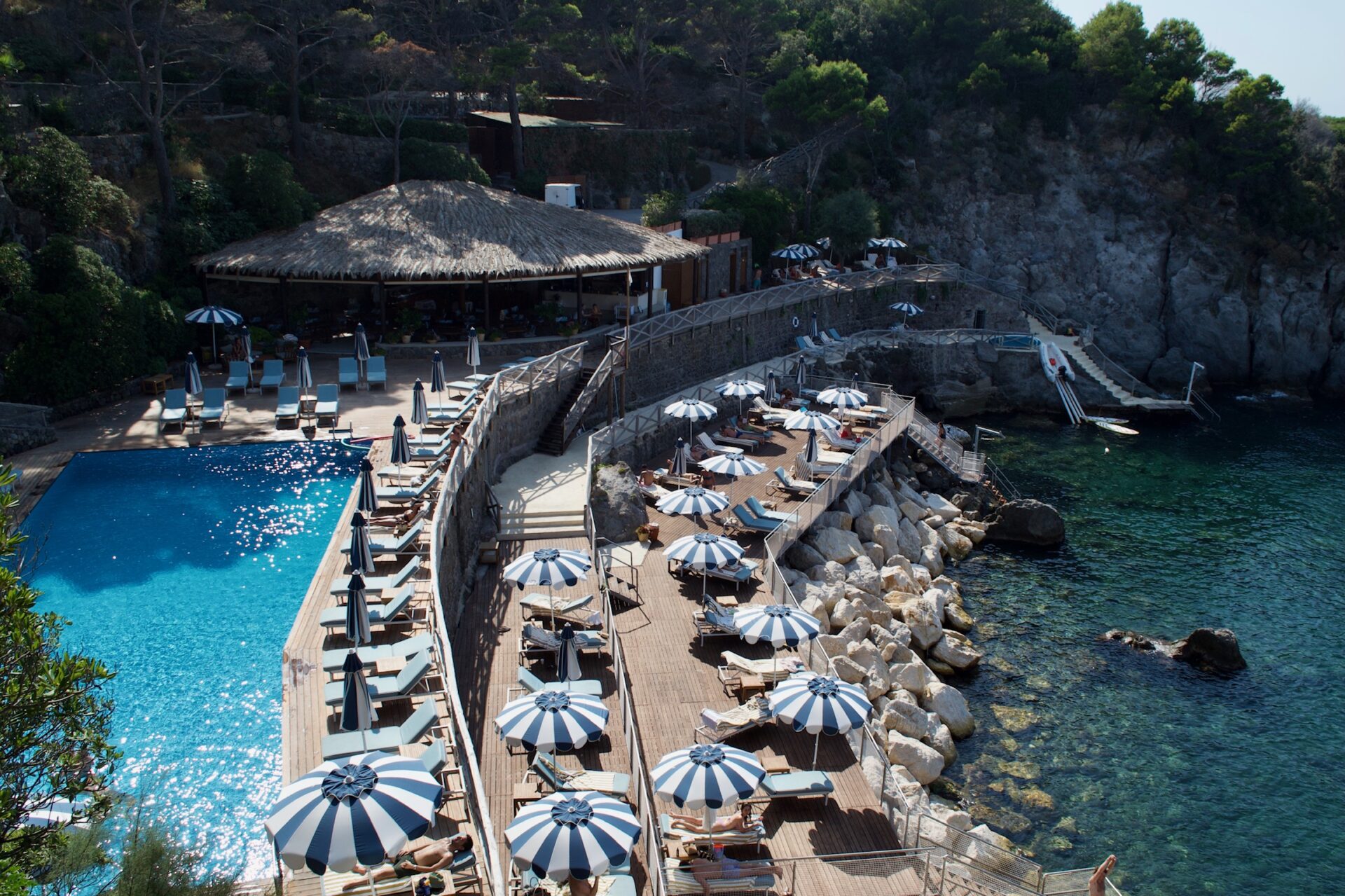
‘Gaux-To The Amalfi Coast: Our Guide to Italy’s Famous Coastline
‘Gaux-To The Amalfi Coast: Our Guide to Italy’s Famous Coastline
In the world of bucket list destinations, the Amalfi Coast sits atop the majority of travelers’ lists, and it’s no surprise why. Known as Italy’s most colorful coastline, this breathtaking stretch of land is home to charming small towns, turquoise waters, and a plethora of places to experience a taste of true Italian dolce vita.
However, like many well-visited areas, the Amalfi Coast is home to a slew of tourist traps – and if you’re anything like us, eating and drinking authentically is key to an unforgettable trip. Not to worry, our team has done the hard work for you. Check out our favorite places to swim, spritz, and soak up the summer sun along Italy’s most famous shoreline.
The Bigger Picture:
The Amalfi Coast stretches 50 kilometers along Italy’s western coastline and is best known for its colorful homes, breathtaking views, and 100+ beaches. The main towns to visit are Sorrento, Positano, Praiano, Amalfi, Atrani, Ravello, and Scala. To access the Amalfi Coast, fly into Naples and taxi, rent a car, or take the local train down to the town of your choice. Choose a home base village, go from there, and be sure to walk as much as possible!
Note: During the high season, regular summer service between Salerno, Amalfi, Positano, and Capri is available by boat. As we always say, never miss an opportunity to enjoy the water!
Coffee Like the Locals:
Just like they know how to do wine, the Italians are no strangers to making delicious coffee. While you won’t really find a hipster café culture along the Coast, we recommend simply enjoying a cappuccino in bed prior to starting your day, posting up at your hotel bar, or heading out with a magazine and sitting at a local pasticceria.
- Pasticceria Pansa Amalfi – Regarded as the best on the Amalfi Coast!
- G.A.S. Bar
- Angelo Pasticceria Artigianale 1970 (Positano)
- Leone Rosso Café (Sorrento)
Lunch O’Clock:
While many get their fill from breakfast pastries, we tend to feel that lunch is non-negotiable – especially when the food is as good as it is in Italy. For fresh seafood, salads, or various Italian-inspired delights, check out one of the following spots. (Insider tip: We recommend posting up at a beach club for the day and enjoying the fare on site!)
- L’Abside (Amalfi) – Delightful trattoria with pasta and seafood focus with ample outdoor seating on an adorable square
- Ristorante La Cambusa (Positano) – Light and airy seafood spot with local wine
- Da Adolfo Beach Club (Positano) – Local delights served up at the beach
- One Fire Beach (Praiano) – Charming and sun-drenched spot on Gavitella Beach
- Arienzo Beach Club (Positano) – Scenic beach club away from the crowds
Aperitivo Time!
The Italians would agree – aperitivo is the most important time of the day! Whether neon-hued Spritzes or a crisp and refreshing beer is more your speed, one thing’s for sure – this early evening hour for cheap drinks and salty snacks is basically mandatory when in Italy.
- Fauno Bar (Sorrento) – Plenty of outdoor seating and great people watching
- Franco’s Bar (Positano) – Trendy cocktail bar with breathtaking sea views
- Masaniello Art Café (Amalfi) – Great spritzes and open late!
- Hotel Caruso (Ravello) – Breathtaking views and solid vibes
Dinner: The Most Important Meal of the Day
Whether pizza, pasta, or robust secondi are what you fancy, dinner on the Amalfi Coast promises an unforgettable experience. After a day full of exploring (or let’s face it, simply soaking in the sun on a beach), satiate your appetite with a hearty meal at one of the following establishments:
- La Sponda (Positano) – Gorgeous, candlelit restaurant in Le Sirenuse hotel
- Aldo’s Rooftop Bar (Positano) – Beautiful cocktail bar and seafood grill
- Fuoro51 (Sorrento) – Hands down the best wine bar on the Amalfi Coast
- Lo Scoglio (Nerano) – Homemade food in family-run joint overlooking the sea
- La Tagliata (Positano) – Typical homemade cuisine, one of the best restaurants
- Quattro Passi (Nerano) – Gourmet, 2-Michelin star restaurant near Sorrento
Additional Things to Do (beyond eating and drinking):
- Li Galli Island – The perfect day trip from Positano, excellent for snorkeling
- Take a day trip to Capri
- Hike the lesser-known Il sentiero delle Formichelle between Tramonti and Maiori
- Discover the Villa Cimbrone Gardens
- Book a kayaking excursion
A Place to Lay Your Head
Having a solid place to lay your head at night is key, and while you’re likely going to pay a pretty penny for any form of accommodation, here are our recommendations of where to look, depending on the vibe you’re seeking:
- Le Sirenuse – Positano
- Hotel Santa Caterina – Amalfi
- Belmond Caruso Ravello
- Il San Pietro di Positano
- Palazzo Avino – Ravello
- Lastly, don’t sleep on AirBnb! You can generally find some hidden gem places that won’t break the bank
While Rome, Florence, and Venice may be the more obvious choice for food and wine lovers, a breathtaking trip to Italy’s Amalfi Coast is an absolute must, at least once in your lifetime. We wish you an unforgettable trip to La Divina Costiera.
Cheers!
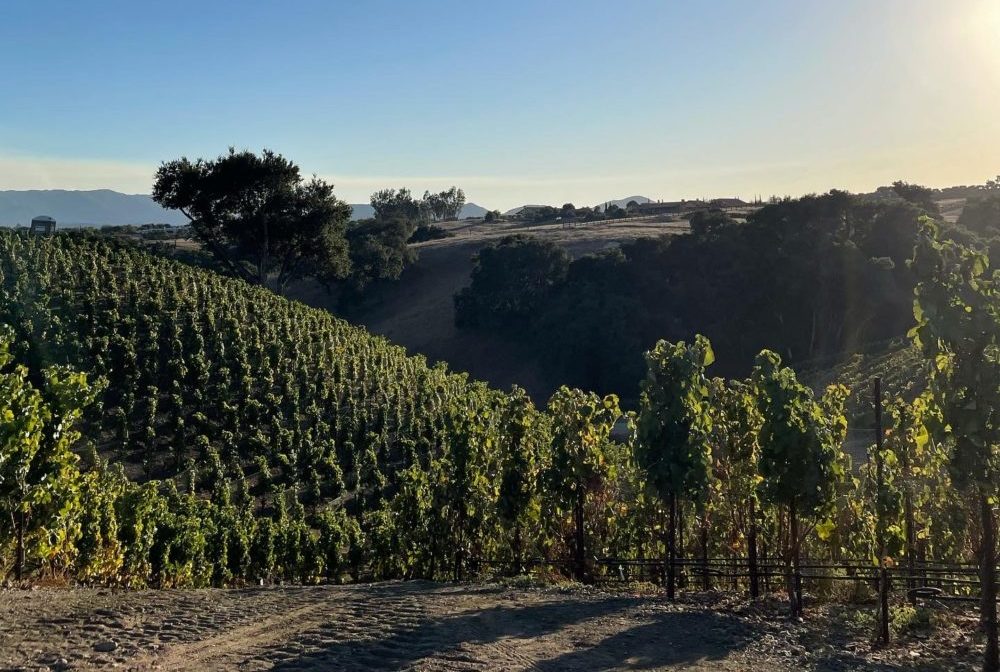
‘Gaux-To-Santa Ynez: Our Guide To Santa Barbara’s Hidden Valley
‘Gaux-To-Santa Ynez: Our Guide To Santa Barbara’s Hidden Valley
Craving a California wine trip but don’t know where to start? Recently named 2021 Wine Region of the Year by Wine Enthusiast, Santa Barbara County is your ultimate getaway – trust us!
Located on the central coast of California, just two hours north of Los Angeles and about four hours south of the San Francisco area, Santa Barbara County is home to many ‘hidden gem’ wineries. Sitting right in the heart of Santa Barbara county is our personal favorite destination, the Santa Ynez Valley.
It’s hard to properly put into words how special this valley is. This under-the-radar region gives off just the right vibe and will provide you with the perfect combination of fun, adventure, and relaxation. It’s no wonder they’re already seeing a massive boom from tourists alike!
The Santa Ynez Valley is home to the popular local towns of Los Alamos, Los Olivos, Buellton, Solvang, and Santa Ynez. Each town has their own distinct personality and boasts a multitude of tasting rooms, wineries, breweries, shops, and restaurants that are ready to excite your palate. Many of these businesses are still family-owned and smaller in production, adding to the reasons why we love them so much!
The Bigger Picture:
North of the city of Santa Barbara and just inland from Gaviota lies the Santa Ynez Valley AVA, which contains a subset of four additional AVAs, each with their own unique climates and profiles for grape growing and winemaking.
Beginning in Lompoc, the Sta. Rita Hills AVA stretches east to the town of Buellton, producing some of Santa Barbara County’s most prized and renown Chardonnay and Pinot Noir bottlings. Ballard Canyon AVA lies just beyond the Sta. Rita Hills AVA. It borders the Los Olivos District AVA, the newest of these areas. Lastly, Happy Canyon of Santa Barbara AVA is on the most eastern border of these AVAs, and is generally the warmest site for grape-growing production.
First Things First:
Breakfast (and coffee) are the most important meals of the day. Here are some of our go-to-selections whether you have 10 minutes or 2 hours:
- God’s Country Provisions (right in the Los Olivos town) – Delicious, crafty donuts
- Bob’s Well Bread (Ballard or Los Alamos) – The most insane artisanal pastries and delights
- Queen Cup Coffee (Santa Ynez) – Alyssa would live here if she could. Try the standard coffees or seasonal lattes. You can’t go wrong.
- Lefty’s Coffee Co. (Los Olivos) – new! Pop in for a pick me up while you’re out tasting wine.
- Good Seed Coffee Boutique (Solvang) – This is a staple in Solvang. Try one of their great pastries and easy breakfast items for eating on the go!
- The Baker’s Table (Santa Ynez) – The best French toast. Trust me.
- Brekkies Restaurant (Solvang)
- Succulent Cafe (Solvang)
- Mad & Vin (Solvang) – It’s hidden within the infamous Landsby hotel, but you can’t beat the brunch here
Ready for Round Two:
Don’t skip on lunch! We promise you won’t regret taking a few extra minutes from your tasting schedule to pop into one these local favorites:
- Corner House Café (Los Olivos) – Easy, Classic, Delicious.
- Panino (Los Olivos) – You’ve maybe seen this name before. With endless sandwich creations, you can’t go wrong with anything on this menu.
- Los Olivos Wine Merchant & Café (Los Olivos) – Cal-Med fare is paired with local wines
- The Lucky Hen and Larder (Santa Ynez) – Cheese board, anyone? This spot has artisan sandwiches and cut-to-order cheese.
- Peasants Feast (Solvang) – This is a staple in Solvang. Great family. Great food.
- Peasants Deli & Market (Solvang) – new! Some of the best and unique sandwiches I have ever experienced
- Nella Kitchen & Bar (Los Olivos) – They open at noon, so great apps and Pinsa’s available for to-go! Otherwise, also highly recommend for dinner as well.
- Bell’s Restaurant (Los Alamos) – Also one of our top dinner spots, but their lunch… hands down the best egg salad sandwich you’ll ever eat. A good mix of seafood, sandys, and classic French / American faire
- Full Of Life Flatbread (Los Alamos) – Creative wood-fired pizzas, locally sourced fare & craft brews
- Ramen Kotori (Solvang) – If you’re feeling a different flare, this is a Japanese ramen restaurant with fresh local ingredients and the most delicious Pork buns.
The Evening Doesn’t Have to End:
Whether you’re dining for one or with a large group of friends, these are a few of our treasured spots for dinner. The chefs, the food, the atmosphere… we can’t rave about each of these enough:
- S.Y. Kitchen (Santa Ynez) – Handmade pastas. I repeat, handmade pastas. Refined Italian meals that will keep you coming back every time.
- Bell’s Restaurant (Los Alamos) – Recently awarded a Michelin Star! French-inspired bistro from per se alums Daisy and Greg Ryan. They offer a set Prix Fixe menu that changes seasonally and will knock your socks off
- Nella Kitchen & Bar (Los Olivos) – Sister to S.Y Kitchen. Italian-Med influence with locally-sourced ingredients. There isn’t any wrong option on this menu
- Bar Le Cote (Los Olivos) – Seafood sister to Bell’s; Seafood tavern inspired by the daily catch of the Central Coast and the modern cuisine of Europe’s seaside capitals. Thoughtful maritime fare in a casual, social atmosphere
- Mattei’s Tavern (Los Olivos) – Brand new! Located inside the exquisite Auberge resort: The Inn at Mattei’s Tavern
- Coast Range & Vaquero Bar (Solvang) – Surf & Turf style – A multi-concept venture by award-winning chefs and industry veterans Anthony Carron, Lincoln Carson, and Steven Fretz. They also have a great bar area for a night cap!
- Industrial Eats (Buellton) – Modern counter serve with New American eats, a deli & wood-fired pizza, plus tap beer & wine
- Pico (Los Alamos) – Pico’s menu changes frequently according to what is locally available from farmers and ranchers. Great local atmosphere, hidden gem wines and cocktails
** For the home chefs: check out El Rancho Marketplace (Solvang) for all your recipe needs, as well as Finley Farms (Santa Ynez) for the best fresh local produce.
The Juice:
We’ve said it before and we’ll say it again: you really can’t go wrong with any of the tasting rooms or wineries within the valley. Here’s what we suggest for your first few visits:
Vineyard and Winery visits:
Piazza Family Wines, Au Bon Climat, Peake Ranch, Spear, Brave and Maiden, Racines, The Hilt Estate / Jonata, Presqu’ile, Folded Hills, Foxen, Melville, Andrew Murray, Demetria, Pence, and Sanford.
Tasting Rooms (Just to name a few):
Lompoc:
- Chanin Wine Company
- Piedrasassi Wine and Bread
- Tyler Winery
- Kita Wines
Santa Maria / Los Alamos:
- Bodega Los Alamos – Beautiful, cozy, relaxing outdoor space with an ode to natural wine, beer and goods
- A Tribute to Grace (Los Alamos)
- Tatomer (Santa Maria)
Los Olivos:
- Storm Wines – Must!
- Carhartt Family Wines
- Stolpman Vineyards
- Holus Bolus and Black Sheep
- Story of Soil
- Future Perfect
- Donnachadh Family Wines
- Dreamcote
- Grimm’s Bluff
- Solminer
Wine Bars:
The Hitching Post Restaurant and Winery (Buellton) – For all of our wine geeks, if you’ve seen Sideways, this is a must visit!
Breweries:
- Figueroa Mountain Brewing Co. (Buellton and Los Olivos)
- Firestone Walker Brewing Company (Buellton)
A Little Rest and Relaxation:
The Valley is home to many wonderful (and comfortable) places to rest your head and your feet. These are a few we frequent:
- The Inn at Mattei’s Tavern – The Valley’s newest luxury hotel by the reputable Auberge Resorts Collection. If you’re looking for a place to splurge on your well-deserved getaway weekend… look no further
- The Landsby (Solvang) – 4 star staple, warm hospitality and refined, stylish accommodations
- Skyview (Los Alamos) – An iconic roadside motel turned boutique luxury
- Hotel Ynez (Solvang) – A personal fav: relaxed, sophisticated, this property provides a respite from urban living. Private patios, a pool, bonfire pits, and a rustic outdoor pavilion for nights under the stars.
- Alamo Motel (Los Alamos) – The cutest boutique hotel conveniently located in the heart of Los Alamos downtown
- Fess Parker Wine Country Inn (Los Olivos) – In the town of Los Olivos, FP is excellent for weekend getaways, romantic retreats and destination weddings
- 11 Oaks Retreat (Ballard) – Family-owned and operated by our friends at Carhartt, Find it on AirBnB!
- The Ballard Inn (Ballard) – Another 4-star beauty with relaxed luxury
We hope you enjoy your stay in our beloved oasis that is Santa Ynez Valley. Cheers!
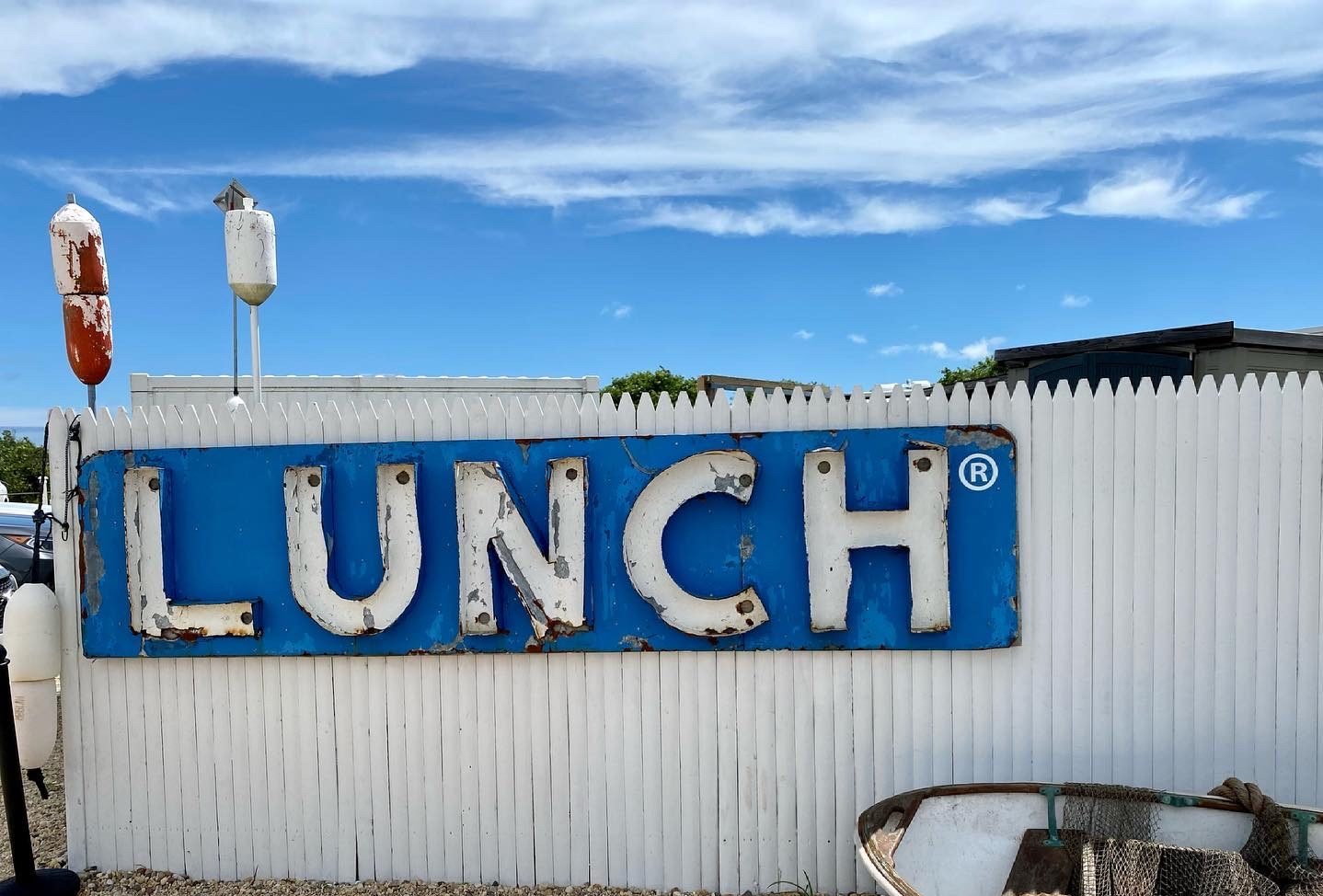
‘Gaux-To The Hamptons: Our Guide to Heading Out East
‘Gaux-To The Hamptons: Our Guide to Heading Out East
The only thing that New York city dwellers enjoy more than living the urban life? Escaping it for a weekend – especially during the dog days of summer. For residents of the Big Apple, there’s no greater summer oasis than The Hamptons. This small string of villages is known for its bustling nightlife, easy beach access, and delicious local seafood – and although heading Out East for a weekend is likely to cost you a bit of money, the payoff is definitely worth it.
Although international travel is back in full swing, finding exciting getaways in our very own backyard is one of our favorite things to do here at Argaux. For any of our East Coast-based (or bound) friends, we can’t recommend adding The Hamptons to your to-visit list enough.
However, like anywhere, knowing where to eat, drink, and stay is key. Curious to learn more about this coastal, saline-tinged oasis? We’ve got everything you need to know (including where to go) here.
The Bigger Picture:
The Hamptons are located about 90 miles east of New York City – though make no mistake, depending on which day of the week (and time of day) that you leave, the ride could take anywhere from an hour and a half to three hours.
While Westhampton and Hampton Bays are closest to NYC, most New Yorkers tend to feel that The Hamptons truly begin with Southampton. Following Southampton, the most popular villages are Water Mill, Bridgehampton, East Hampton, Amagansett, and Montauk, with Sag Harbor and Sagaponack located on either “coast” of the island between the two extremes. While driving is a preferred option, the Hampton Jitney is also a popular means of getting Out East, as is the Long Island Railroad (though the former is much quieter and generally more comfortable than the latter).
Note: For Hampton Jitney schedules, click here. To access the Long Island Railroad schedule, click here, choose Penn Station as your departing station from NYC, then select the final village destination of your choice.
First Things First:
They say that breakfast is the most important meal of the day. Here are a few of our favorite coffee spots, bakeries, and breakfast joints Out East:
- Hampton Coffee Company (Southampton, Water Mill) – Quick and easy coffee spot with drive-thru access
- The Golden Pear (Southampton, Bridgehampton) – Great for breakfast sandwiches
- Goldberg’s Bagels – Self explanatory – a local staple!
- Carissa’s Bakery (East Hampton) – Fresh-baked bread and local pastries
- Joni’s (Montauk) – Healthy breakfasts, smoothies, and juice, as well as larger fare
- John’s Pancake House (Montauk) – For those who like their breakfasts big!
Ready for Round Two:
While there are endless places to dine in The Hamptons, we tend to feel that certain spots are better for lunch than dinner. Here are a few of our afternoon recs:
- Salt (Shelter Island) – Excellent for those with a boat, perfect for pulling up in the water, parking, and jumping off for lunch and drinks.
- Hamptons Beach Bowls (Bridgehampton) – Healthy bowls and smoothies.
- Bostwick’s Chowder House (East Hampton) – Seafood, lobster, and of course, chowder!
- The Golden Pear (Southampton, Water Mill) – Mentioned above for breakfast, easy spot for takeaway sandwiches, omelets, wraps, and more.
- Clam Bar (Amagansett) – Variety of fresh and fried seafood with ample outdoor seating.
- Hooked (Montauk) – Casual seafood joint for lobster rolls, fried clams, and more.
Time for Drinks!
No trip to The Hamptons is complete without a few rounds of drinks. While the majority of locals tend to imbibe on their boats or in their backyards, there are still plenty of bustling places to stop in for a drink or two.
- Salt (Shelter Island) – See above, excellent for those with a boat!
- Armin & Judy (Bridgehampton) – Fun bar vibes open for breakfast, lunch, and dinner, although a bit isolated from center of Bridgehampton (15-min walk).
- American Hotel (Sag Harbor) – Bible-like wine list with great raw bar options.
- Lulu’s (Sag Harbor) – Mediterranean-inspired favorites made in a wood-burning grill and oven with cocktails and wine by the glass.
- Morty’s Oyster Stand (Montauk) – Great for lunch, dinner, or anytime between the two! Excellent cocktails.
- Shagwong (Montauk) – Montauk dive bar staple for draft beer, fried calamari, and bar snacks.
Summertime Supper:
As mentioned, there certainly isn’t a shortage of places to dine in The Hamptons. However, your dining decision will likely be based around two things: where you’re located (and how far you’re willing to drive), as well as the type of cuisine you’re looking to enjoy. Check out a few of our go-to spots for various cuisines below:
- Pierre’s (Bridgehampton) – French bistro favorites on main street
- Highway (East Hampton) – New American favorites with a solid bar; brunch on weekends
- Main Street Tavern (Amagansett) – American pub fare in beautiful setting
- Calissa’s (Water Mill) – Greek and Mediterranean-inspired favorites with a buzzy ambiance
- Duryea’s (Montauk) – “Seen and be seen” seafood-focused joint with massive outdoor deck – expect to wait!
- Rita Cantina (Montauk) – Probably the best Mexican food and margaritas Out East
Night Caps for All:
While most places in The Hamptons don’t generally stay open until the wee hours of the morning, there are definitely a handful of bars that keep their doors open late at night. Here are a few places we love dropping into before heading home:
- North Sea Tavern (North Sea)
- Fellingham’s Restaurant Sports Bar (Southampton)
- Murf’s Backstreet Tavern (Sag Harbor)
- Moby’s (East Hampton)
- Navy Beach (Montauk)
- Surf Lodge (Montauk)
- Grey Lady (Montauk)
Farmers’ Markets Galore:
If you aren’t staying in a hotel—that’s to say, should you be staying with friends or renting an AirBnb—stocking up on fresh produce and locally-baked goods is a no-brainer. While there are definitely a handful of supermarkets, heading to local farmers’ markets is definitely the way to go. Find the nearest one to you, depending on which village you’re staying in:
- Serene Green Farm – North Sea (accessible from Southampton and Sag Harbor)
- Round Swamp Farm – East Hampton
- Balsam Farm Stand – Amagansett
- Amber Waves of Grain – Amagansett
- Vicki’s Veggies – between Amagansett and Montauk
- Farmers’ Market at Duryea’s – Montauk
Additional Things to Do (beyond eating and drinking):
- Post up at one of the many public beach options (Cooper’s Beach, Montauk, etc.)
- Rent a boat and take a ride on the Peconic Bay
- Visit the famous lighthouse in Montauk
- Head for a wine tasting at Channing Daughters Winery, one of the only South Fork-based tasting rooms on Long Island
- Visit the Shinnecock Nation Cultural Center & Museum
- Rent bicycles (or bring your own) and bike along the backroads
- Dive into the restorative salt caves in Montauk
- Scope out some art at the Parrish Art Museum
- Shop the main streets in East Hampton and Sag Harbor
R&R: Rest and Relaxation
Having a solid place to lay your head at night is key, and while you’re likely going to pay a pretty penny for any form of accommodation, here are our recommendations of where to look, depending on the vibe you’re seeking:
- American Hotel (luxury) or Sag Harbor Inn (affordable) – Sag Harbor
- Topping Rose House (Bridgehampton) – Pricey “see and be seen” accommodation in the heart of Bridgehampton
- Gurney’s (Montauk) – Oceanfront resort with beach access, large outdoor bar, and restaurant
- Montauk Blue (Montauk) – More modest, oceanfront hotel in downtown Montauk
- AirBnb – For closest access to the city, look to Southampton or North Sea. For waterfront harbor vibes, look no further than Sag Harbor. For shopping and nightlife, East Hampton is where it’s at. Surfers, beach lovers, and those looking for a more “chill” than luxurious vibe, Montauk is the place for you.
While The Hamptons may not be the most affordable trip of your life, we firmly believe that everyone should experience this coastal New York oasis at least once. Cheers!
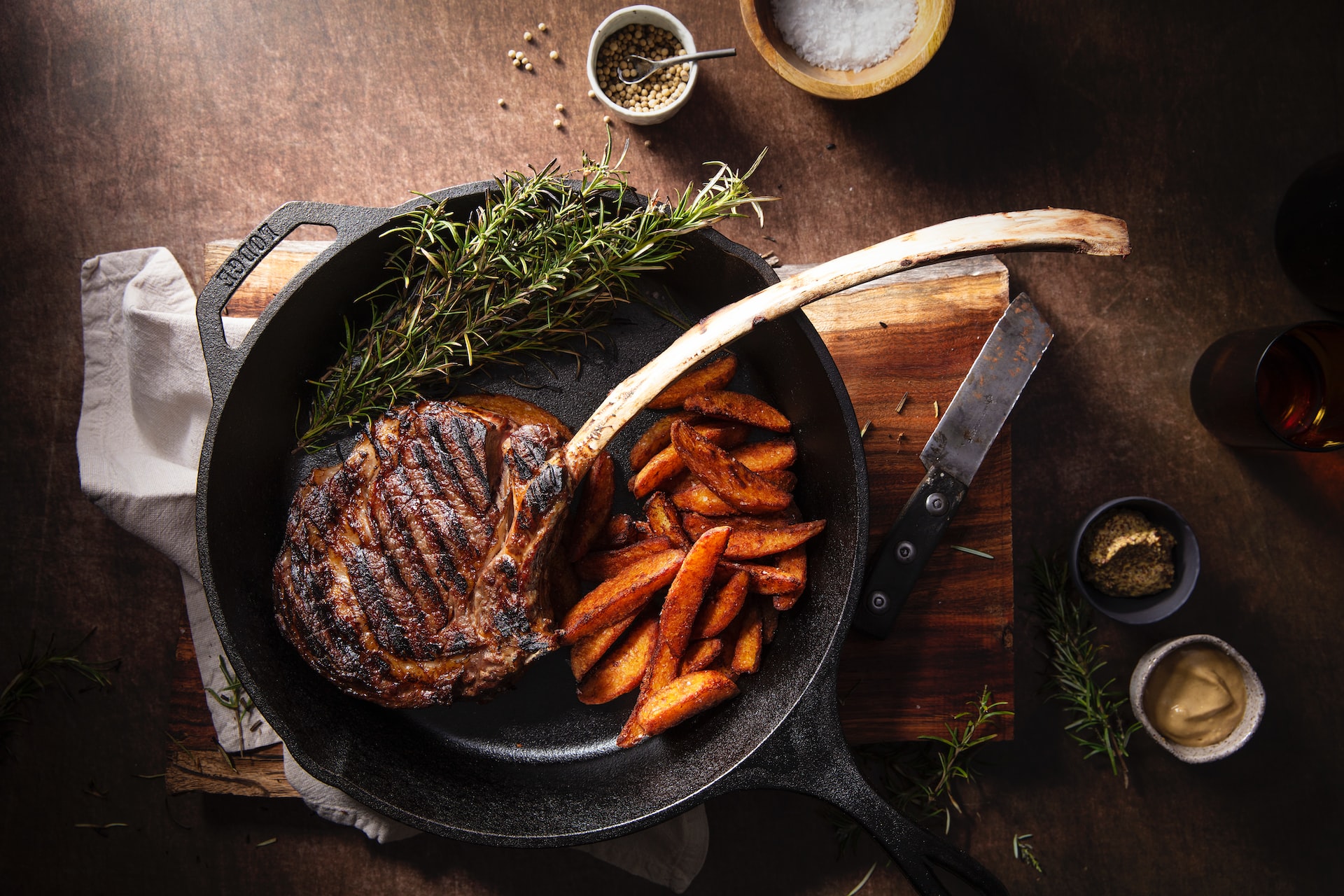
Best Wine for Tomahawk Steak
There are myriad preparation methods for that most iconic of foods which we call “beef.” Different cuts of this definitive red meat must be treated differently as discrete aspects of the animal provide varying ratios of proteins and fats which make them ideal for or adverse to a variety of cooking methods. Even how the animal was pasteurized and fed may shift how the chef should serve a similar cut from disparate animals.
Even among steaks there is huge variation, and how well the final product is received hinges on the maker knowing how to prepare each varietal based sometimes on the minutiae of marbling, thickness, and presence of bone.
Take, for example, the tomahawk steak. By any other name, this is a rib eye, or an intercostal cut of succulent and tender meat from the rib section of the animal. A tomahawk – so named because it resembles the delicate, long-handled hatchets favored by many Turtle Island tribes – is the same cut of meat, however uniquely maintains a handle of rib bone which expands the possibilities of its preparation.
These are big, grill-friendly steaks that offer a unique flavor and texture which is in part thanks to the presence of bone marrow during the cooking process. And this one-of-a-kind beefeating experience has one singular wine pairing to go with it.
How to pair wine with your cote du boeuf
If you google “what wine goes with tomahawk steak,” the answer is a resounding CABERNET SAUVIGNON!
Dry, heavy-bodied reds are already an ideal pairing for red meat, as their flavors won’t buckle in the presence of a bold cut of lamb or beef. And Cab Sauvs are a special case in the world of wines as they uniquely strike a balance between big tannin content, a heavy body, and relatively high acidity, making them overqualified to meet the challenge of a really fatty steak – which is exactly what the tomahawk is.
So let’s look at a few of the choicest Cabernets we have in the Argaux collection.
Best wine for tomahawk steak
- 2019 Origin Bates Ranch Cabernet Sauvignon – $78
This wine lets you know what it’s for right away with that beautiful bully label. And by no means is that where this bottle’s magic ends. We’re serious when we say this one is a sipper, as you’re going to want to savor this deep, dark red to the very last drop.
Black velvet in a bottle, spiced with dark fruits, pepper and violets, this smooth, smooth vino is almost as tender as your long-bone steak promises to be. So light up the grill, grab a bottle of this beautiful wine, and get ready to have your mind blown.
- 2019 Wonderland Project No. 9 Napa Valley Cabernet Sauvignon – $50
From the heart of California wine country comes this delectable testament to the genre to delight your senses and uplift any bovine feasts you have laid before you. Deep and jammy, the No. 9 has a sophisticated earthy flavor and a rich texture that feels like lounging in a vintage study while wearing a velvet bathrobe. You know?
An unpretentious bottle, have this wine with your cote du boef, steak tartare, or a medium-well cheeseburger and fries.
- 2017 Anomaly Vineyards Oakville Cabernet Sauvignon – $160
Strictly for candle-lit dinners with only your absolute favorite humans on the planet. Now or in 20 years, it’s difficult to imagine a scenario in which this zesty, spicy, meaty, fruity Cab doesn’t wow.
Be sure to decant this beautiful bottle at least 1 hour before serving alongside a bone-in ribeye with savory blackcurrant sauce.
- 2019 Land of Saints Happy Canyon Cabernet Sauvignon – $27
We’re telling you to have this wine with tomahawk steak, but know that if we could turn it into jelly and have it on french toast, we would. That’s not a bad idea, actually.
This wine has a delightfully savory undertone that fronts Cab Sauv’s signature bell pepper palate behind classic violet, chocolate, and strawberry. This is the one to take to your summer grill sessions, and serve next to ribeye, veggie skewers, and a cute charcuterie board.
- 2013 Mirror Oak Knoll District Cabernet Sauvignon MAGNUM – $215
For your discerning guests who like an extra-heavy pour. The nose on this wine is like an autumnal potpourri with aromas of rose, ripe blackberries, cedar, and currants. The palate follows with an array of black and red fruits, baking spices, and the darkest of chocolate.
Pairs with burgers, ribs, pasta dishes, and of course the mighty tomahawk.
What Argaux has to offer
We leaned into the Cab Sauv side of things pretty heavily in this article. And we understand that this dry, savory varietal is not a sure match for everyone’s tasting sensibilities. If this is true for you, have no fear. We do in fact have other bottles available within our cellars.
In addition to our wide selection of small-batch wines, Argaux offers a number of curated kits and collections to tickle all manner of palates and to suit all kinds of gatherings – from golf tournaments, to beach days, to cozy weekends on the couch curled up next to a bag of corn chips. Choose from our blind tasting and food pairing kits, travel packs, wedding boxes, natural packs and more for a surprising and delicious selection. (Keep in mind you can always specify ‘no Cab Sauv’ at checkout.)
Or, if you want a more personalized experience, get in touch with our team of sommeliers for a specific suggestion.
Cheers!

Best Wine for Surf and Turf
Summer is the season for fun in the sun and sensational meals that bring together the best that land and sea have to offer. Summer is the season for surf & turf. Whether you’re firing up the grill or hosting a summer soirée, choosing the right wine can elevate your culinary creations to new heights. We’re excited to guide you through the best wine pairings for your favorite surf and turf dishes, featuring some of our favorite seasonal selections.
Who would have thought that delicate fruit de mer would go so well with a robust cut of red meat. A most unexpected match, a surf and turf dish is nonetheless one made in heaven. An exquisite combination of flavors and textures, and a most decadent vehicle for serving melted butter, when crustacean and mammalian meet together above a white tablecloth, sparks fly, and good times are guaranteed.
The next question then becomes how to select a beverage worthy of accompanying such an extraordinary feast.
How to Choose Wine for Seafood and Steak
Surf and turf, when seen on menus, most commonly includes a succulent cut of beefsteak, typically filet mignon, and either shrimp, crab, or lobster – home chefs can feel free to interpret either aspect of the entree any way they like. And while these elements pair amazingly well with one another, they sit opposite each other on the scales of both flavor and texture, which makes wine pairing a little complicated.
Dry, heavy-bodied red wines are the go-to for serving red meat, as their bold flavors and relatively high tannins give them the strength they need to stand up to weightier dishes which center beef.
Seafood, on the other hand, usually wants something lighter, sweeter, and more acidic as its pair: light bodied whites are less likely to overwhelm the delicate and nuanced notes carried by seafaring fare. Finding a middle ground to match either aspect of the dish is no easy feat.
While not all red wines are ideal for red meat, it’s difficult to find one which is just plain incompatible. So, finding a red wine that pairs well with seafood is a good place to start. Pinot Noirs, light-bodied reds that have distinctive but not overwhelming flavors, are a safe bet. Strong whites, too, such as a good Champagne, have the power to chew the fat offered by beef while also uplifting the subtleties of your seafood.
When all else fails, don’t be afraid to have one white and one red at your table for good measure…a bottle of rosé isn’t a bad idea either!
Let’s take a look at some of our seasonal favorites for your surf & turf in summertime…
2023 Caruso e Minini Frappato Organic Rosé ‘Frappo’
For a rosé that sings of summer, look no further than the 2023 Caruso e Minini Frappato Organic Rosé ‘Frappo’. This organic Sicilian gem is bursting with fresh red berries and a hint of floral notes, making it an ideal match for succulent crab legs and grilled shrimp. The crisp acidity cuts through the richness of seafood, offering a beautifully balanced experience.
2022 Moreau-Naudet Chablis
Chablis and seafood are a match made in heaven, and the 2022 Moreau-Naudet Chablis is no exception. Its minerality makes it the perfect companion for grilled scallops and lemon-butter lobster. The wine’s clean and elegant profile enhances the delicate flavors of the sea. There’s no better match for the surf to your turf than Chablis!
2022 Manuel Moldes ‘Afelio’ Albariño
This wine isn’t just another bottle on the shelf—it’s a masterpiece of craftsmanship and can stand shoulder-to-shoulder with some of the world’s most revered white wines. This is a MUST-TRY.
Crunchy and fresh, full of verve and utterly lovely. This Pinot from the Rio Negro in Patagonia is something we are going to be sipping on all summer long.
2022 Sette Barbera d’Asti DOCG Nizza Monferrato
When it comes to pairing a red wine with not only your grilled meats, but something that can also carry well as you’re going back and forth from your turf to your surf, the 2022 Sette Barbera d’Asti DOCG Nizza Monferrato stands out. Its fresh and vibrant for warm summer nights, and its subtle spice notes complement the robust flavors of grilled steak and ribs. Although this wine is soft and low in tannin, it’s a versatile choice that holds its own against smoky, savory dishes.
Looking for something more hearty for your meat? See notes on Wonderland Cabernet below.
Conclusion
This summer, elevate your surf and turf meals with the perfect wine pairings from the sommeliers at Argaux. Whether you’re indulging in grilled lobster, crab legs, or a perfectly seared steak, our curated selection ensures that every bite is complemented by an exquisite sip.
Looking to create memorable corporate events or join a community of wine enthusiasts? Explore our corporate gifting options and join Club Argaux for exclusive access to curated wines and experiences. Cheers to exceptional wine and unforgettable summer moments!
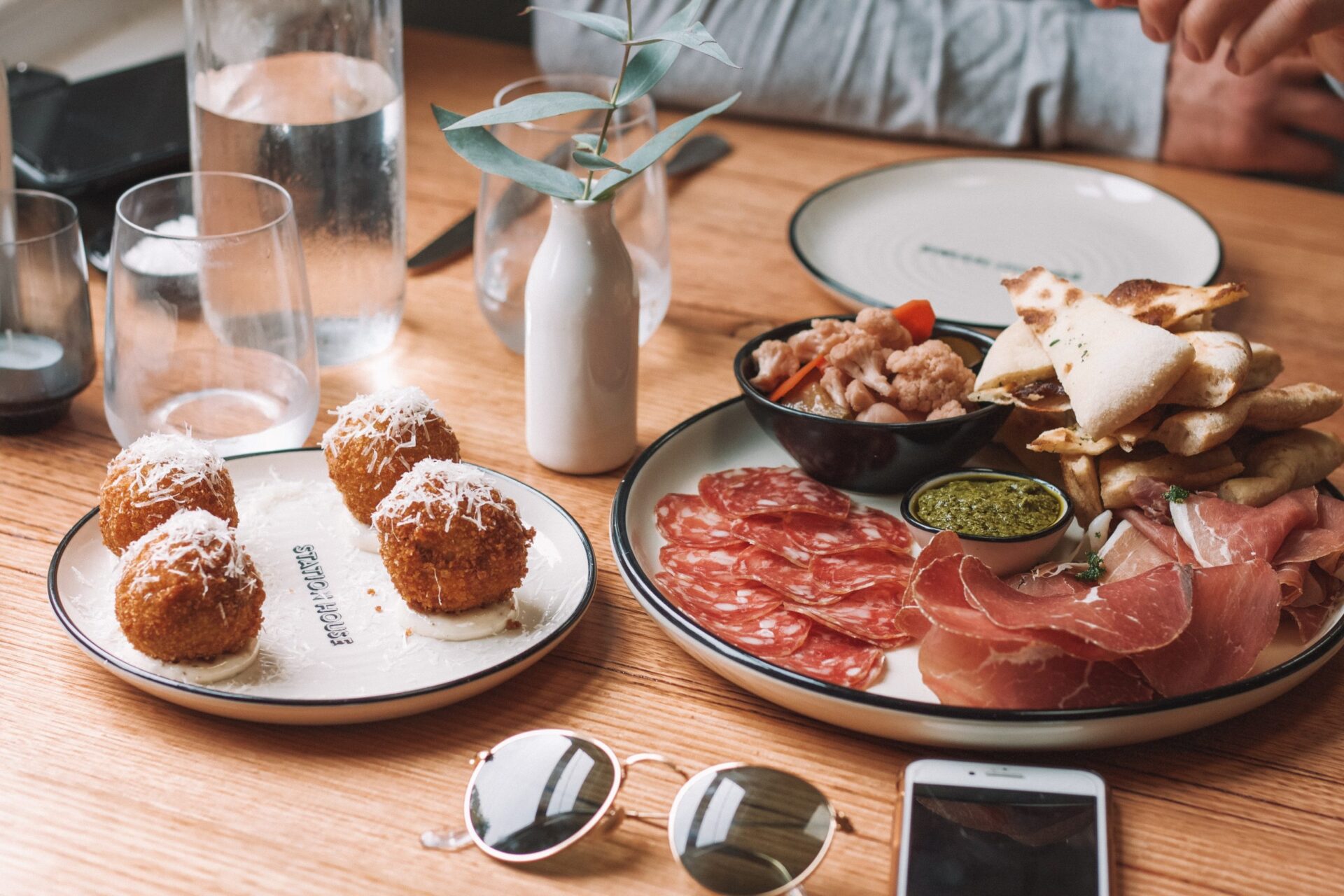
Best Wine for Spanish Food
The flavors of Spanish cuisine are distinguished for their boldness, their breadth, and their utter deliciousness. Foods with storied regional histories as well as a habit of integrating sumptuous culinary traditions from neighboring countries combine to bring us such iconic dishes as tapas, paella, and gazpacho. These munchable mains are of course to be preceded by the proverbial charcuterie board of cured meats, cheeses, and fruit and veg dishes produced within the Iberian peninsula.
Spain has also given the world an array of sweets to follow the savories, with treats like flan, churros, and pantxineta. We’re getting hungry just thinking about it.
As is true for many countries, Spain’s food and wine cultures go hand-in-hand, and pairing the right bottle with the right comida de España is an artform in and of itself. A properly selected viticultural beverage will bring out the complexity in any Spanish dish, while itself shining through to delight the palate. Let’s talk about how to make this happen at your next fiesta de cena.
How to pair wine with Spanish food
Traditional Spanish fare is complex and varied, and it can be difficult to pin down one vino that pairs across the board. So the first thing you need to do when choosing your next bottle for the job is to take a look at the main ingredients in your dish or spread and go from there.
Riojas or other red wines are best matched with dense, heavy dishes that rely on cream, cheese, red meat or pork as they are bold enough to both stand up to stronger flavors, and cut through fats and oils. If you prefer white, look for acidic varietals like Sauvignon Blanc or a drier Riesling to achieve the same effect. These bottles are also an excellent pair for seafood as they won’t overwhelm the more delicate flavors offered by mariscos. If your main dish is very pepper-forward, lean away from acidic or tannin-heavy wines and into something sweeter to help soothe the sting of a spicy meal.
When all else fails, the bottle to reach for may prove a rosé. Spanish cuisine relies heavily on that most beloved allium garlic, and a pink pairing will always uplift and complement the resulting flavors.
Best wine to pair with Spanish food
-
- 2019 Anza Diego Magaña Rioja – $31
We’re kicking off this list with probably the best pairing for Spanish food within the Argaux collection – Navarra native Diego Magaña’s signature Rioja blend.
The sumptuous Tempranillo-forward red is a testament to both the varietals of the region – this blend incorporates Garnacha, Graciano, Mazuelo, Viura and Malvasía Riojana – and the terroirs offered by the Spanish soils in which the 50-year-old vines are grown. Smooth tannins, a distinct chalky texture, and notes of cherry and purple flower beg to be paired with a strong queso, or this chorizo and shrimp paella.
- 2019 Anza Diego Magaña Rioja – $31
- 2019 François Carillon Bourgogne Chardonnay – $30
An acidic and citrusy Chard that we would take sailing down the Riviera any day. Finished in oak barrels, the sustainably farmed white wine offers notes of lime, pear and peach that complement a salinity which make the bottle compatible with a range of savory treats.
A decidedly French vino, this wine loves vacationing in Spain, especially if this grilled oregano chicken is on the menu.
- 2020 San Salvatore ‘Vetere’ Paestum Rosé – $30
A sangria-ready rosé that will surely feature at all of your summer gatherings this year. This wine comes decked out with its own array of fruity flavors that promise to enliven your experience of any green salad, or soothe the fire after downing an especially spicy salsa.
We recommend matching these notes of sensuous pink and red fruits and flowers with a Spanish-style green chili shakshuka or this lighthearted gazpacho.
- NV Conquilla Cava Brut (half-bottle) – $13
The perfect sparkly sip to accompany your 4 PM tapas.
Cava is a traditional Spanish bubbly that has flown under the radar and at incredibly low prices in the wake of Prosecco’s wild popularity (take our advice: buy Cava now before the general populous gets wise!)
Cava is the beverage for Spanish finger foods, and this one in particular will pair marvelously with tortilla de patatas, grilled squid, or roasted red peppers with vinegar and garlic.
- 2019 Origin Bates Ranch Cabernet Sauvignon MAGNUM – $150
If it grows together, it goes together, as the saying goes. Much of the country of Spain lines up longitudinally with the west coast states, meaning Spanish food and Californian wines are serendipitously well matched. This beautiful Cab Sauv makes that pairing abundantly clear with the prominent illustration of a majestic Spanish bull right on the label.
Deep flavors of dark fruits, an utterly smooth texture and silky tannins make drinking this wine feel like sipping liquid black velvet. Naturally, it is an intuitive pairing with Galician sirloin steak, and a flamenco soundtrack.
What Argaux has to offer
This list of delectable wines from the Argaux collection is by no means an exhaustive one. The choice is yours when it comes to which wines to pair with what foods, and we have a cellar full of selections to suit all tastes and sensibilities.
If you feel like doing some viticultural explorations from the comfort of your own home, check out our ‘Gaux baskets, which include hand-selected bottles from the Mediterranean coast, Champagne, France, California, and more.
If your goal is to drink wine and learn while doing it, may we suggest the blind tasting kit? 2 – 4 wrapped bottles, accompanied by a detailed tasting guide, allows you to build your tasting expertise while having fun, on your own or with friends.
Or, if you’re looking for the perfect bottle to go with a special evening, download our pocket somm app and get professional advice from our on-staff sommeliers.
Cheers!
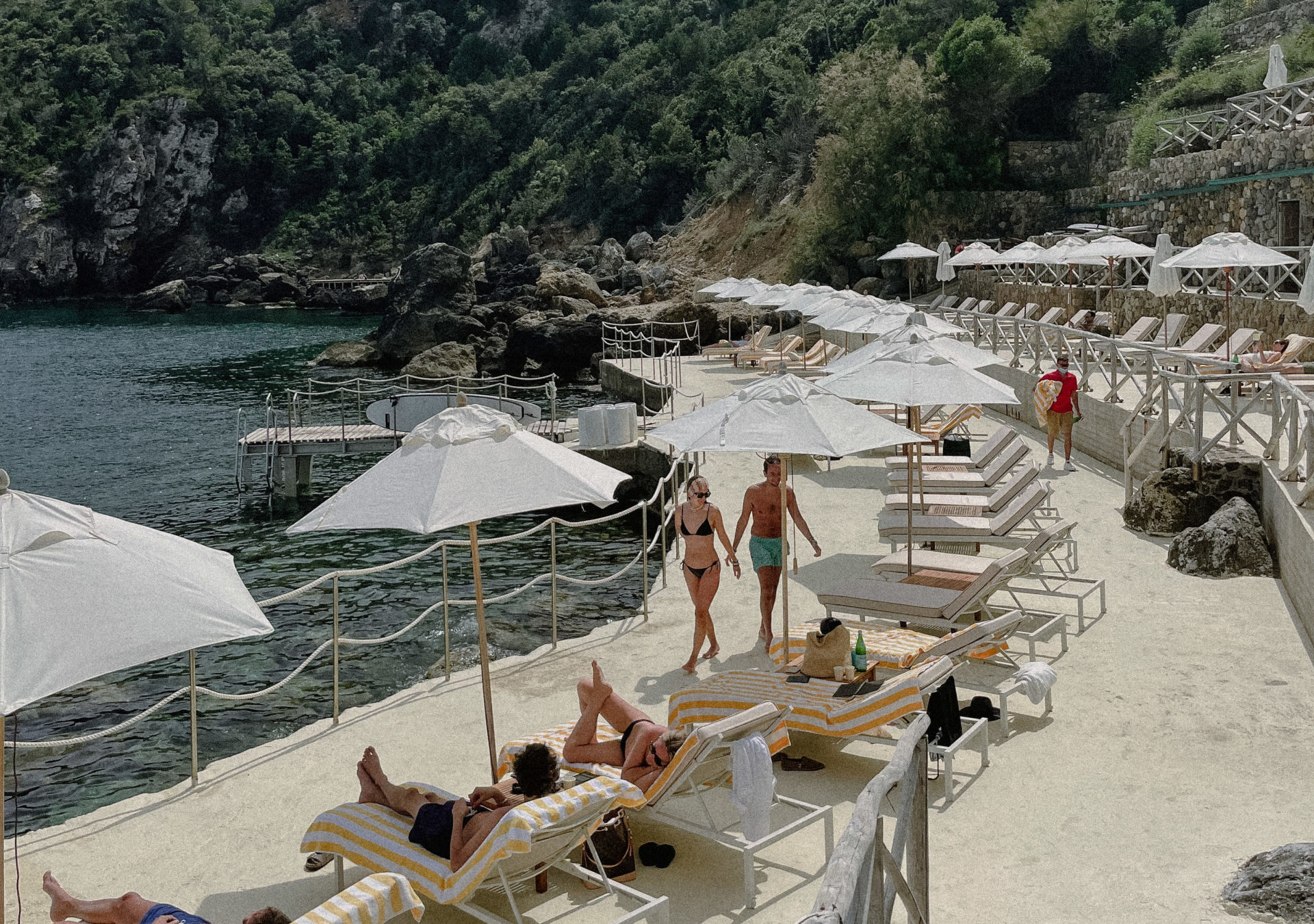
Summer Like an Italian at Hotel Il Pellicano
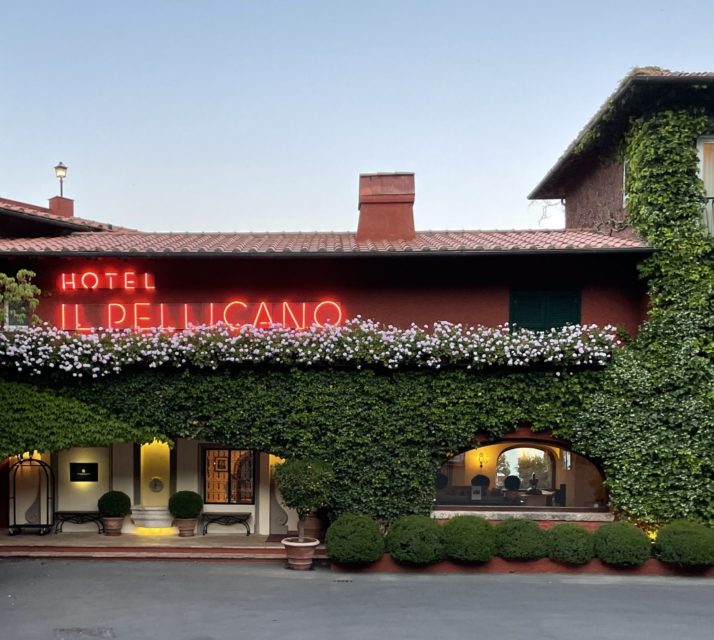
Hotel Il Pellicano. Where to begin? As I write this I’m reminiscing on the many slices of heaven I found myself uncovering while staying on property back in May. From the location itself, a sliver of the Maremma coastline, to the food, wine, and cocktail program. There was no shortage of ‘kodak moments’ or inspiration for pasta night back home. I left having a newfound enthusiasm for both martini’s and impeccably manicured plants!
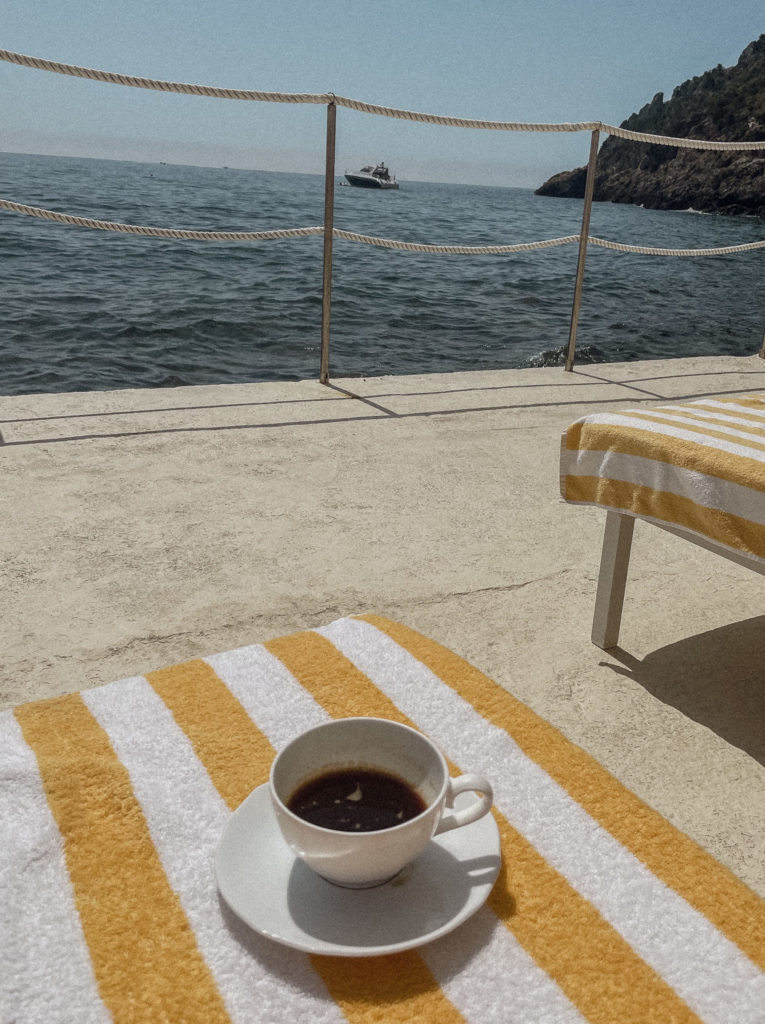
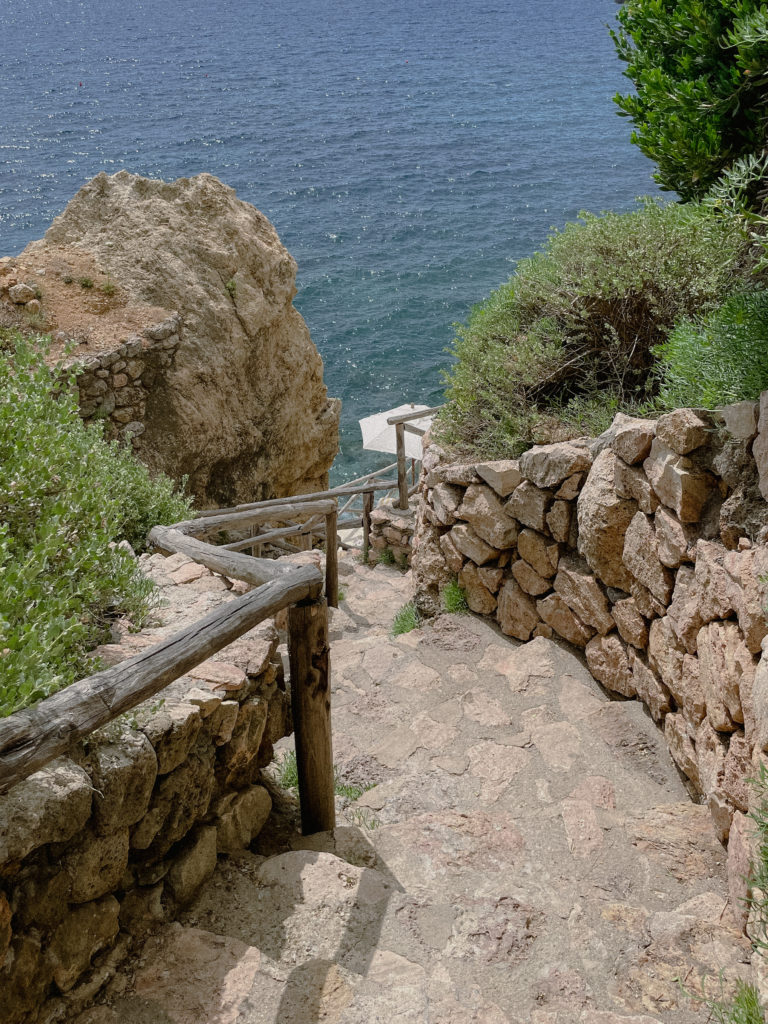
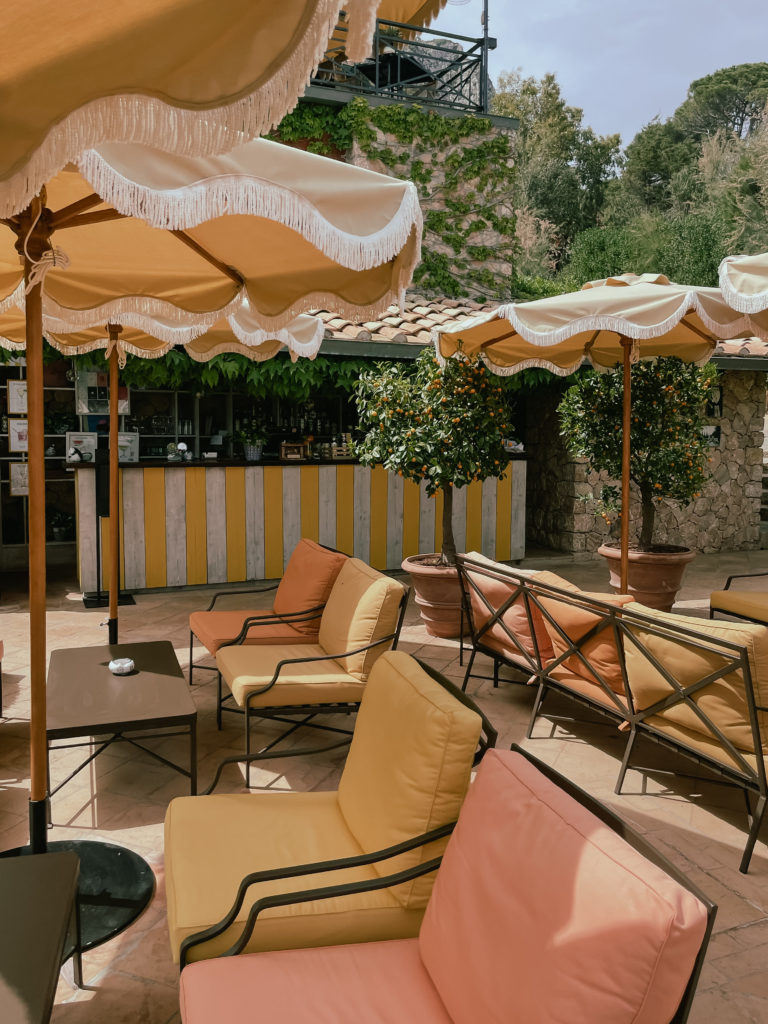
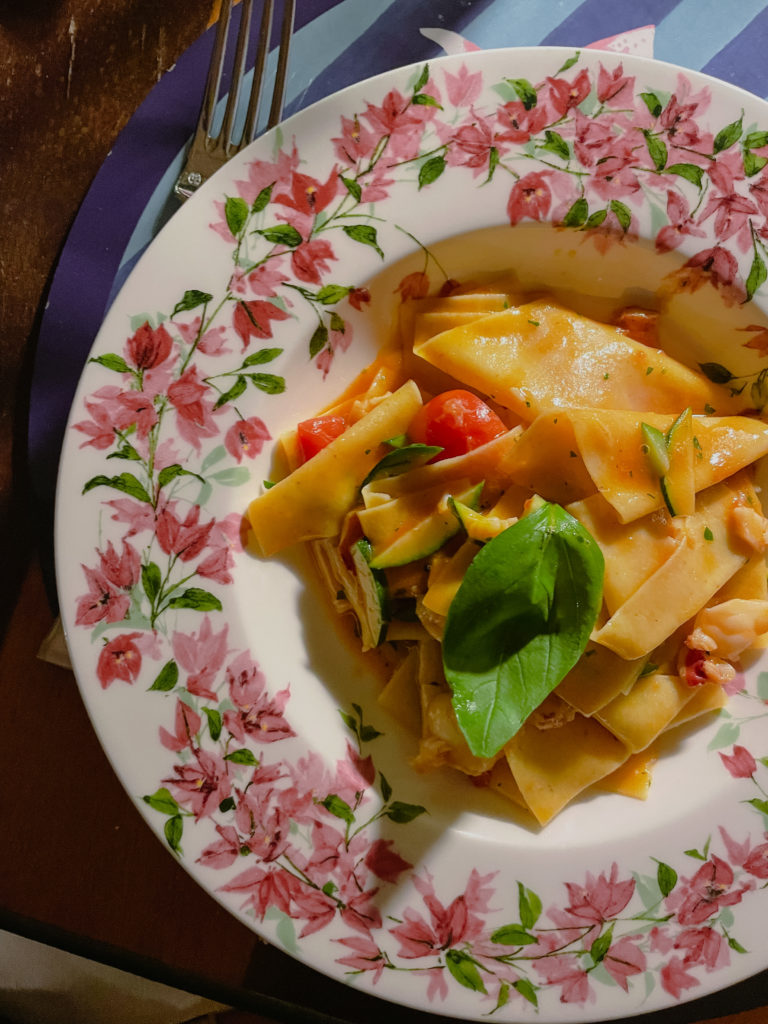
There are two restaurants on property, one of which is a Michelin star. We enjoyed the more casual ‘Pelligrill’ and ended up eating here 2 nights out of our 3 night stay. If you like pasta and eat fish, you will have a hard time deciding what to order! It was difficult choosing between the gnocchi and spaghetti alle vongole with squash blossoms which is why we were happy to have a second night to explore the menu and get a taste of everything. A highlight was the sea bass acqua pazza (poached white fish in a broth with herbs, potatoes, vegetables).
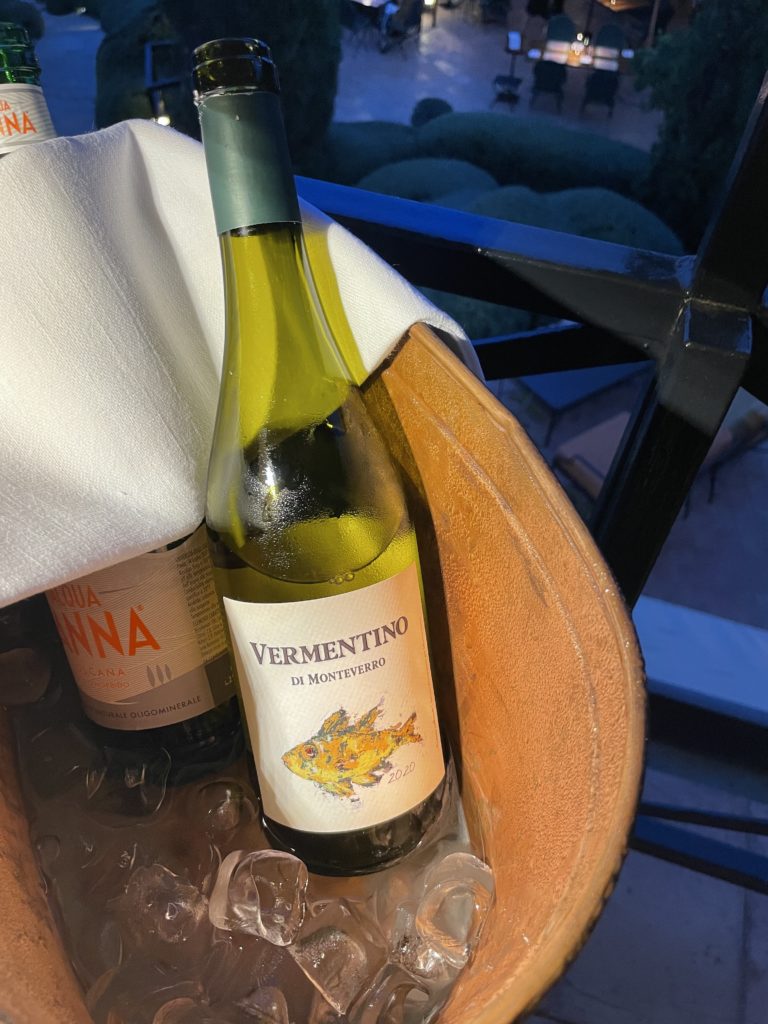
We enjoyed tasting wines from in and around Maremma. Maremma is considered a part of Tuscany within the province of Grosseto. Despite the region being home to the world renowned wines of Sassicaia and Ornellaia (Bolgheri is geographically in the Maremma region but gained its own DOC in the ’80s), it remains a somewhat obscure region to the general wine consumer. We tasted vermentino, canaiolo, and trebbiano from the region. I think the vermentino is what will continue to make this region shine and put Maremma in the running as the ‘motherland of vermentino.’

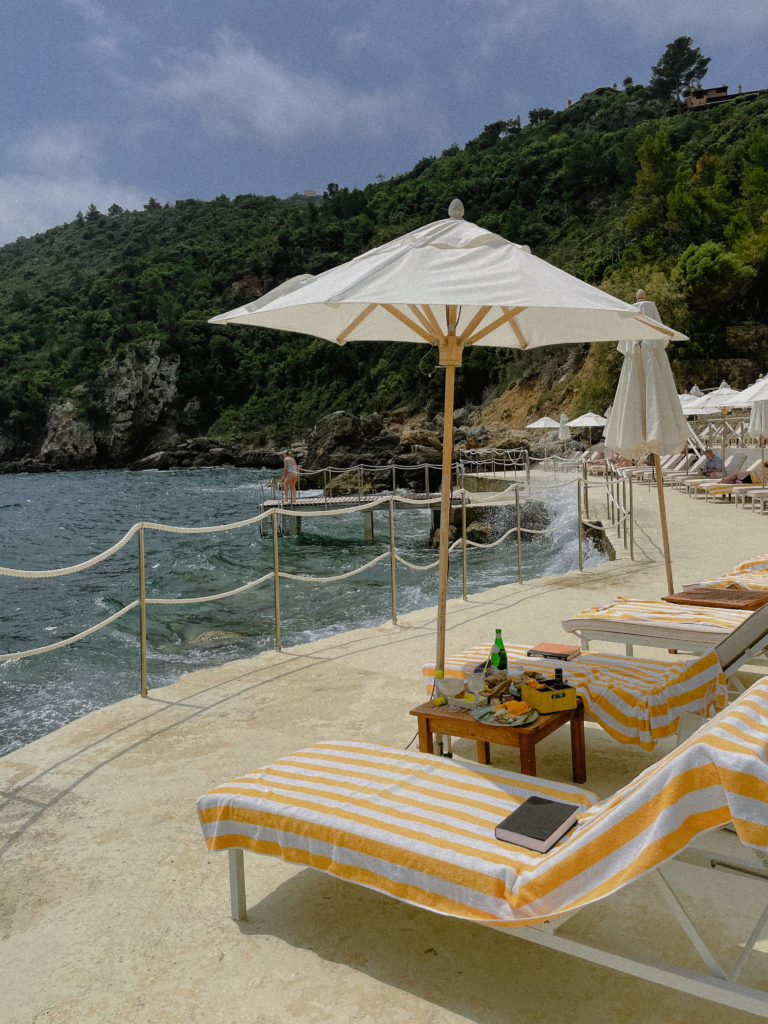
To be honest, the most delicious – hit – the – spot – meal we had was a club sandwich down at “the beach,” which isn’t quite a beach as in a ‘sandy beach’ but I’ll take it any day, all day (see photo below). No sand, no problem. Just give me a club sandwich, a glass of rosé, and I’ll see you for dinner in 8 hours. Having started our trip in Rome where breakfast, lunch, and dinner consists of carbonara and amatriciana (no complaints whatsoever)…seeing a club sandwich on the menu was unexpected and so appreciated! The game changing ingredient and key to success here is the perfectly hard boiled egg. It should be required.
The beach club was a slice of heaven.
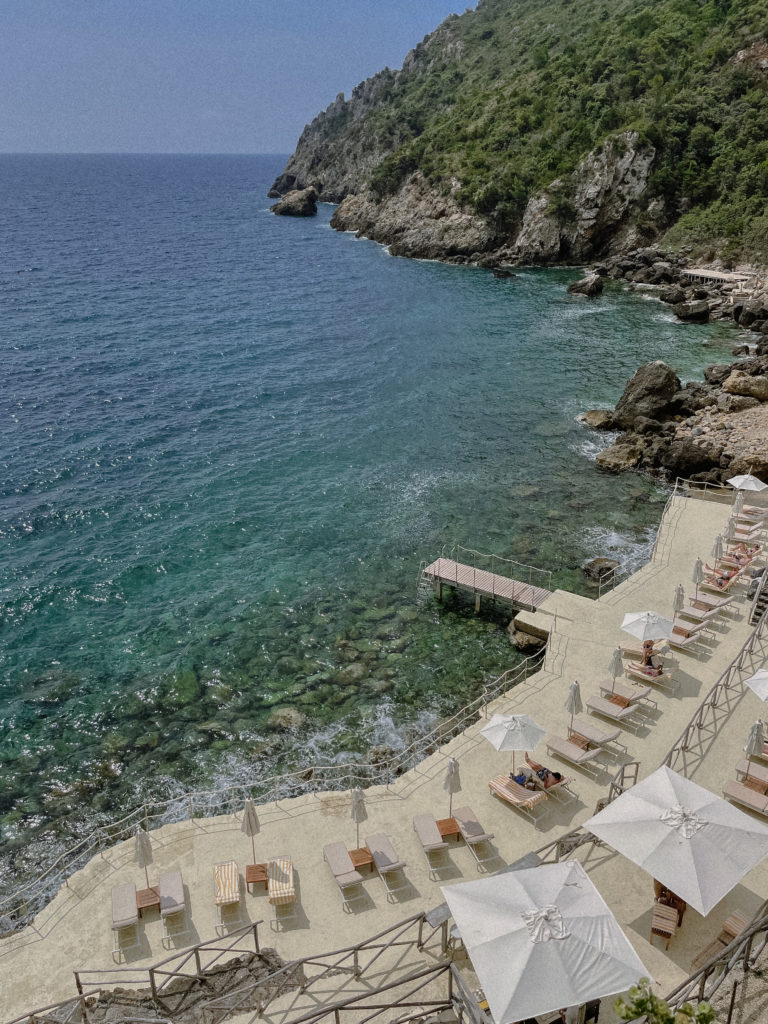
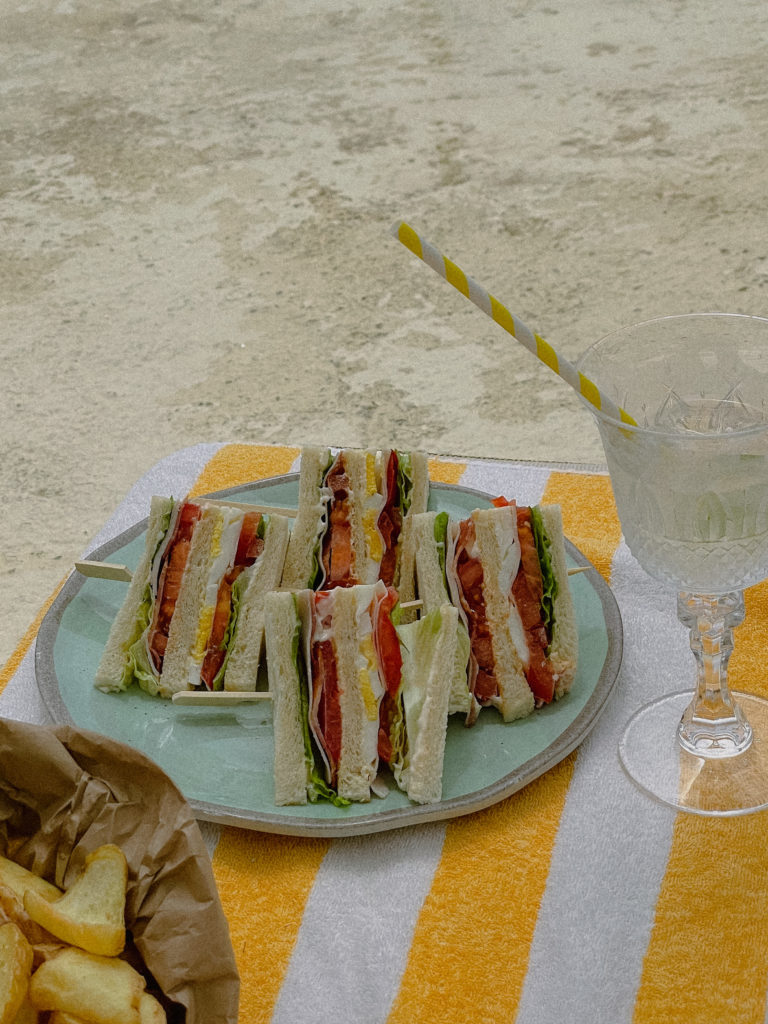
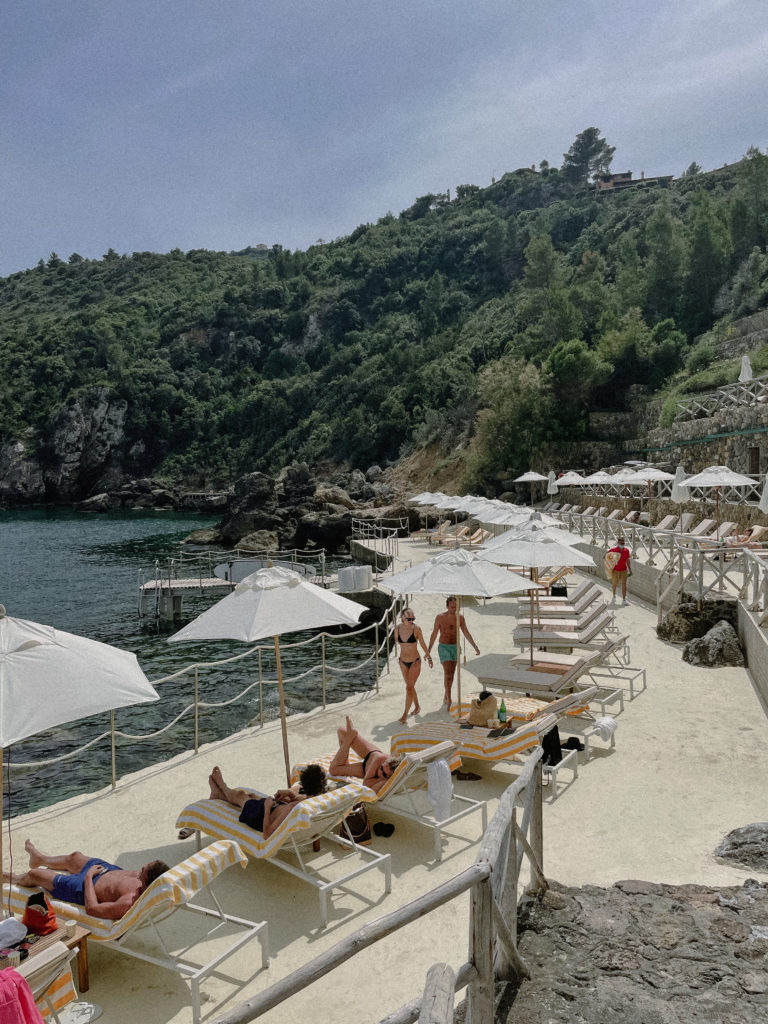
The hotel offers both a Cocktail Master Class and Wine Tasting Journey which are perfect to help break up the day, and get you off your bum down at the beach club. For the wine tasting, you get to see the Il Pellicano cellar and taste a lineup of wines not just from Maremma but from all over Italy. We tasted and then worked with the sommelier to select some fun wines for dinner.
Some wines from Italy I re-discovered during our tasting were from Sicily like the 2018 Girolamo Russo ‘A Rina’ Etna Rosso and the 2020 Caruso y Minini Catarratto Sicilia Naturalmente Bianco. Nothing compares to finding #hiddengems that become favorites like the 2016 Eraldo Borgogno Barolo.
A highlight of our weekend here was the Cocktail Master Class with Luca. We got to taste and discover small batch vermouths like NV Volume Primo Vermouth and alternatives to Aperol and Campari . We left inspired by the unique cocktails Luca showed us how to make. From Patsy’s Spritz to the Pelican Martini, I took diligent notes in hopes of finding some of the product back home. We might just have to import it ourselves because I now crave my aperitivo cocktail before my first glass of wine when the clock strikes 5:00. Our Summer Spritz Kit featuring Liquore Delle Sirene Aperitivo Americano Bianco will give you a few recipes inspired by my time spent with Luca.
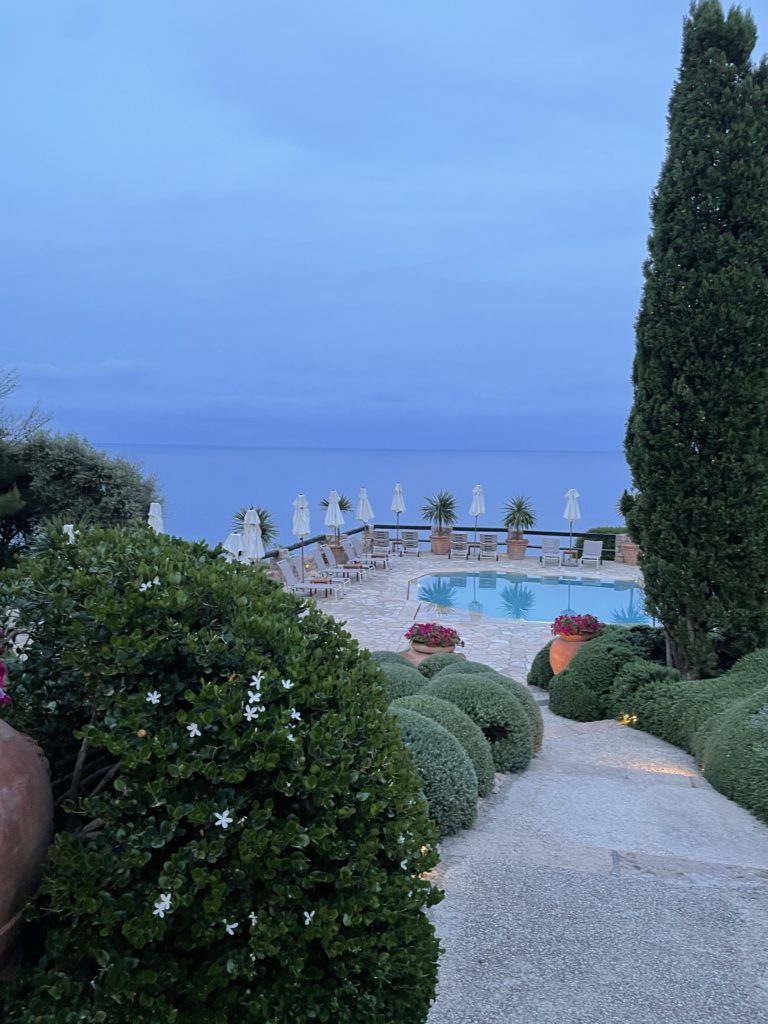

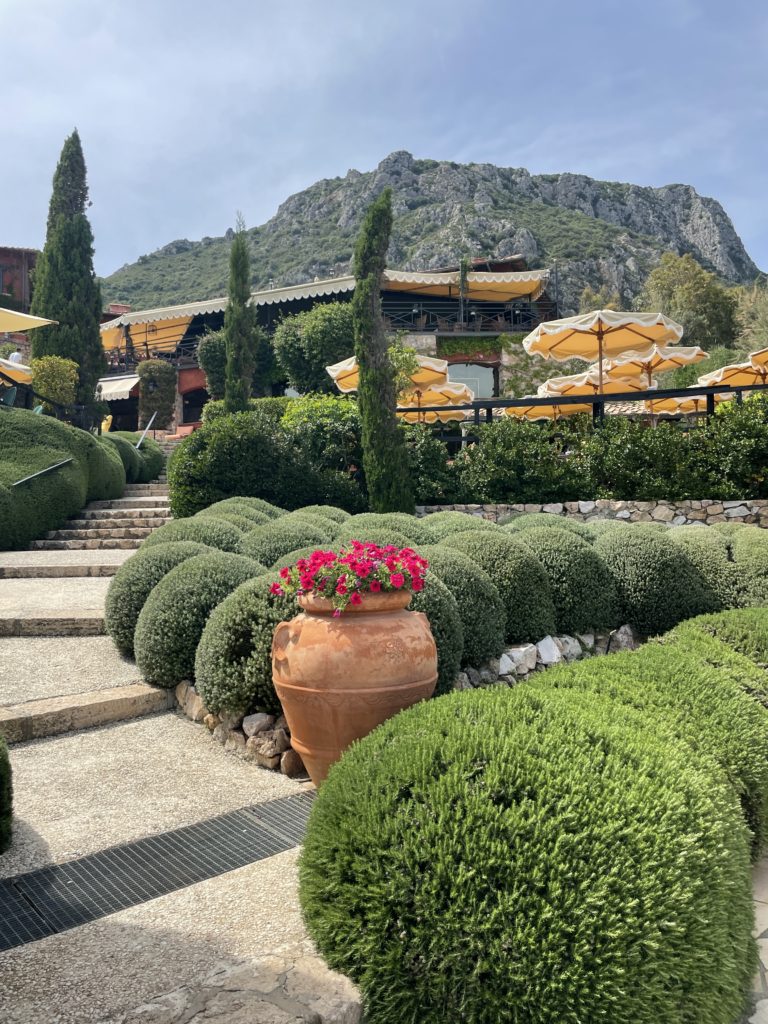
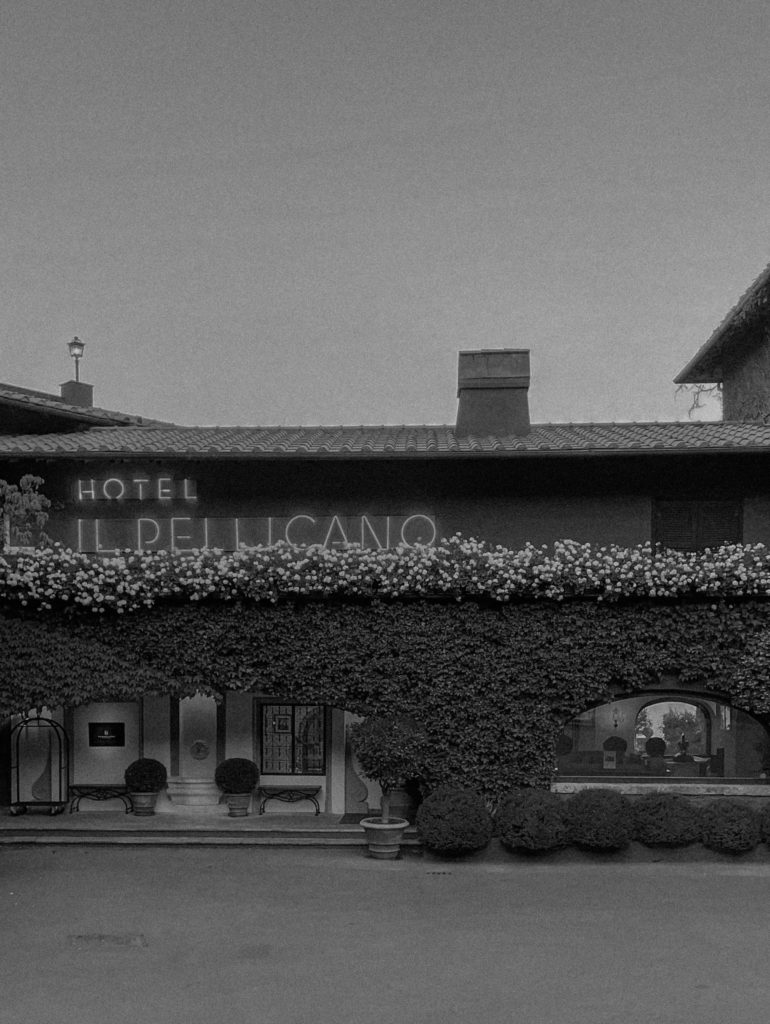
I think of the laid back days and indulgent nights of wine and pasta at Hotel Il Pellicano often and hope to be back again soon, just so I can make sure it wasn’t all a dream.
Best Wine for Casual Drinking
Wine drinking is often made to feel like an activity. And it’s an activity that many of us love deeply. It’s like playing a puzzle game – complex viticultural beverages challenge you to stretch your senses and experience and honor all contributing elements that placed such a beautiful array of flavors and textures into your goblet (or flute, or tumbler, or coupe, or snifter…)
The question of food pairing adds an extra layer to the problem, and whole careers in the wine world are based on which white white goes with what pasta dish depending on the minute differences in preparation exercised by various regional culinary traditions. And we love that.
But sometimes (read: often) we’d like to forget all of this and just enjoy a bottle of wine with a bowl of popcorn and our favorite rom-com, without all the pretense and intellectual tasting practices. And some bottles are better suited to this side of the wine world than others.
What makes for an informal imbibable?
The concept of “casual” means different things to different people. In some offices, Casual Friday is rung in by a flood of cargo shorts, Crocs and hibiscus-print tees. In others, you wear your Italian blazer over a crisp, white shirt that has one less button done up.
In wine terms, that looks like this: some oenophiles might push their own comfort zones by swirling their 2018 Francophone Merlot clockwise instead of counter before they sniff. Others might choose to drink their 2-Buck Chuck out of a coffee mug with “World’s Best Grandma” printed on the side.
We’re going to assume a midground for the purposes of this piece. For us, a casual wine will sit at the intersection of deliciousness and affordability, and will pair nicely with our takeout order of cheesy garlic fries and a Downton Abbey binge sesh. It should not break the bank – whatever that means to you – and it should not require a chef-prepared steak tartare to bring out its better side. It should be delicious, and something you know you will continue to enjoy.
Here are some of our favorites from the Argaux collection.
Best wine for casual drinking
- 2020 Les Athlètes du Vin Touraine Pinot Noir – $25
This is the one we like to sip on while preparing an early dinner on weeknights. Energetic, fruity, with a smooth and unchallenging texture, the Les Athletes Pinot Noir pairs perfectly with casual fare like street tacos, frozen pepperoni pizza, and your lazy Wednesday ham-and-cheddar charcuterie board.
Put this one briefly on ice before serving for a cool and utterly drinkable experience.
- 2020 Chateau Barbebelle Aix-en-Provence ‘Héritage’ Rosé
The shape of this bottle makes you feel like royalty while at the same time allowing you to chill and put your feet up at every sit. Think Kirsten Dunst as Marie Antoinette surrounded by cakes – you know the scene.
This is an incredibly food-friendly wine that can be dressed up or dressed down for any occasion. Pair with squid ink risotto on a first date, and chicken strips with ranch on a fifteenth.
- Topa Topa Level Line Pale Ale 6-Pack – $12
No white tablecloths, appetizer forks, or decanters to be found when you’re standing waist-deep in the rushing waters of a fish-filled river. No matter your proximity to moving water, this delicious lemongrass-and-tangerine-forward pale ale gives you permission to relax and unwind, whether lakeside, couchside, or at a bestie’s backyard barbecue.
- 2019 Casa Vinicola Triacca ‘Gaux Dopo’ Nebbiolo – $22
A beautiful, deep wine with a complex fermentation process that is oh-so easy to drink. Light, floral, fruity with a crispness unusual to reds, the Gaux Dopo is fermented in mono-temp steel tanks that maintain the brightness of the grape’s original flavor. What we’re saying is, this one can be drunk like juice. Super casual.
- 2020 Par Fore the Course New Zealand Sauvignon Blanc – $17
An athletic wine that makes no demands on how, when or where it should be enjoyed. Every sip packs a tropical punch with notes of guava, fresh grass, and pineapple on the tongue. Great for a day on the green with your mates, we recommend pairing with grilled cheese sammies, or croque monsieurs if you can be persuaded to dress up your dockers just a little bit.
- 2018 Poco a Poco Mendocino County Chardonnay – $25
This wine pays tribute, both through its title and its creation, to the slow but steady process of farming, harvesting, juicing, and fermenting grapes to create beautiful and delectable wines. Even the cheaper wines on the market deserve to be sipped and savored. But as long as you’re enjoying them, you can enjoy them however you like.
Little By Little is a classic Chardonnay that feels like drinking a French bakery from the inside out, with notes of buttery pastry and lemon custard. Enjoy alongside whatever you’d like – you’ve earned it.
Argaux has what you need
If none of our recommendations quite hit the mark for your chilled-out drinking experience, allow us to make a few more.
Argaux’s pocket somm app allows you to connect with our team wine experts, who can help you to find a delicious bottle from the collection that meets all of your needs – from tastes, to pricing, to food pairings, to even regional preferences. Simply text or call to get set up, and receive a personalized wine recommendation sure to suit your preferences.
Ready to level up? Try exploring more of what the world of wine has to offer with an Argaux tasting kit. Learn how to discern varietals with our blind tasting basket. Sail to old-world wine countries with our ‘Gaux To collections. Or have your feminism in a glass with our Women in Wine tasting set.
Cheers!
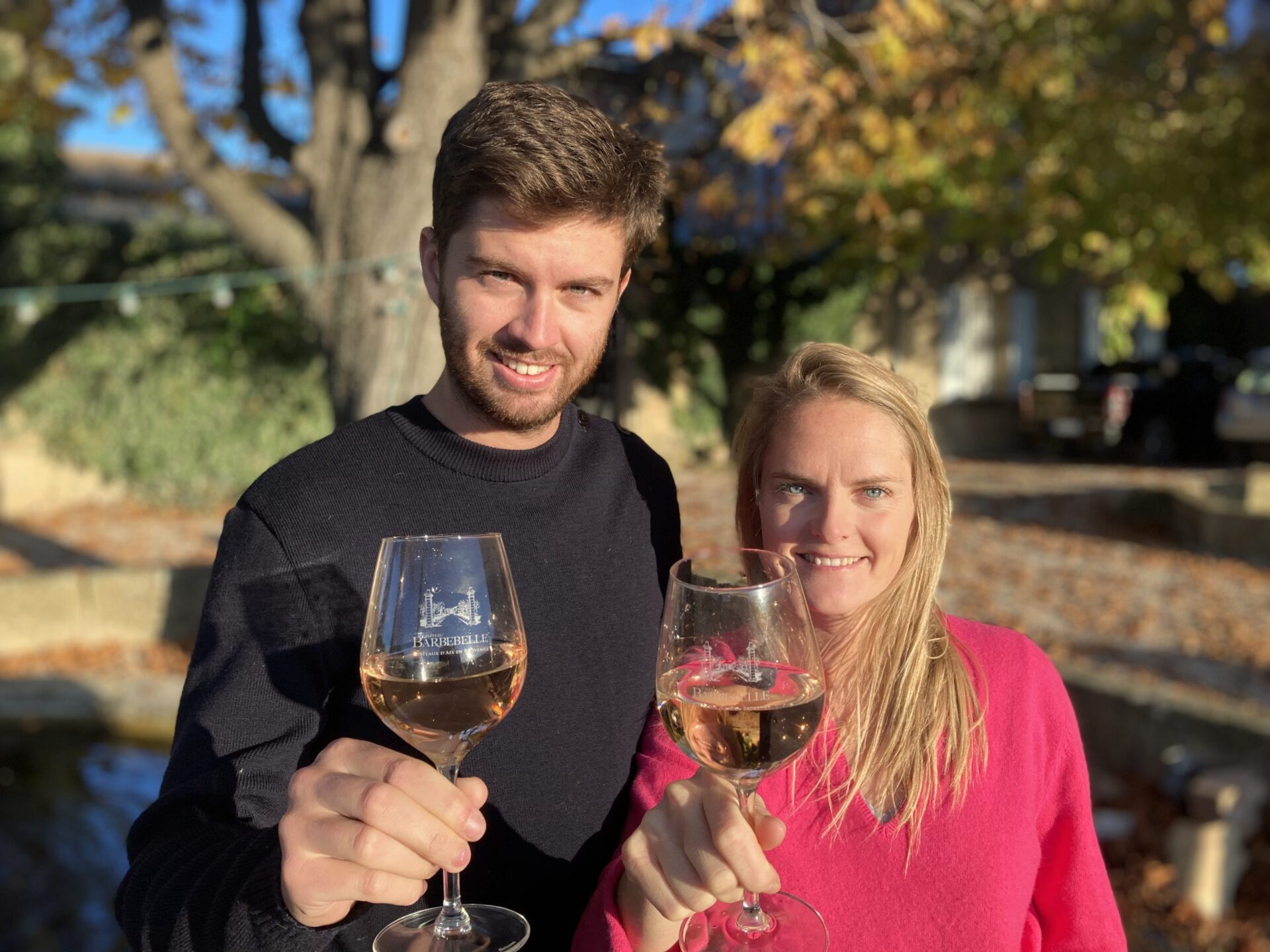
Meet the Maker: Madeleine Herbeau, Château Barbebelle
“I want to carry on my grandmother’s legacy of producing great quality wines, and more importantly supporting our sustainable ecosystem that we have created on this property”
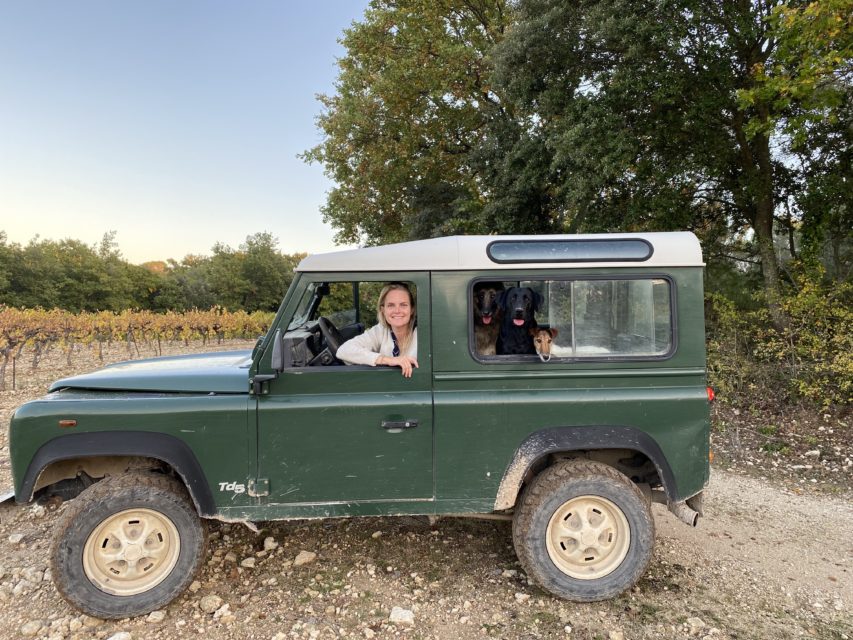
With the Herbeau family at the helm, Château Barbebelle is one of the oldest vineyards in Aix en Provence. Lands cultivated by the Romans, it lies in the heart of protected wildlife between cypress and pine trees. The grape varieties of the appellation are settled on a homogeneous terroir of clayey-limestone slopes on a hilly relief, favorable to viticulture and very representative of Provence. They own and cultivate 45 hectares of vines that enjoy copious amounts of sunshine. The rugged relief ensures good ventilation and the average altitude of the vineyard – 370 meters – gives them cool, fresh nights even in the midst of summer. The dry mistral de Provence makes it easy for them to farm sustainably.
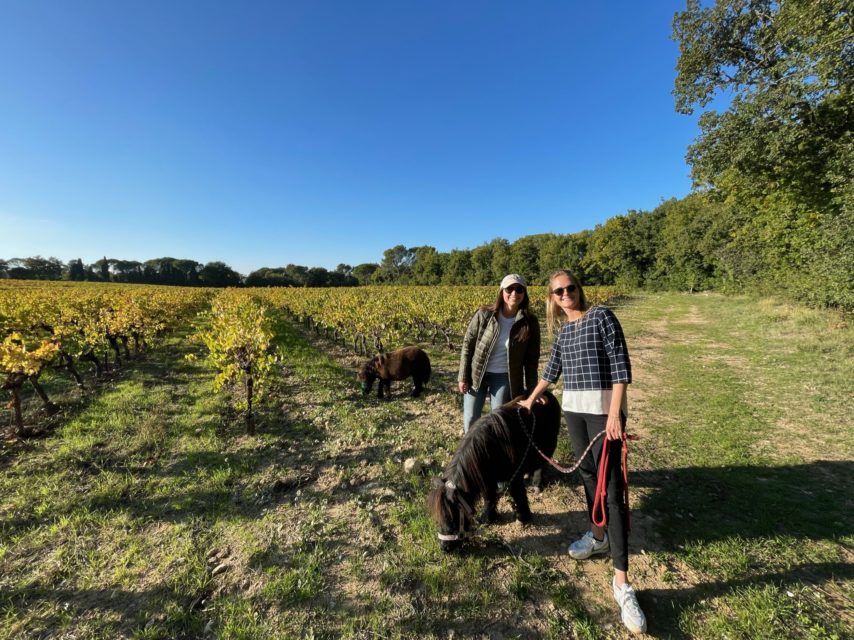
Visiting this property really brings a whole new understanding to the terroir in these wines. Provence rose as a category is a very recognizable wine style, but being slightly higher in elevation and nestled up in the woods gives these wines a distinct ‘je ne sais pas’. The property is 300 hectares and filled with Cypress trees and wildlife. Madeleine’s passion and love for animals is so apparent when we took a walk through the vineyards with their mini-horses, and tasted wines in the winery with their dogs. At sunset, we took a drive in her father’s 1990 Landrover Defender through the steeper parts of the property and saw deer wandering through the vines and grazing. It is a magical place that truly embodies sustainable lifestyle as a whole. The wines pair well with whatever is in season at their local farmers markets. Soaking up the scenery was all I needed to fall even more in love with this winery and these wines.
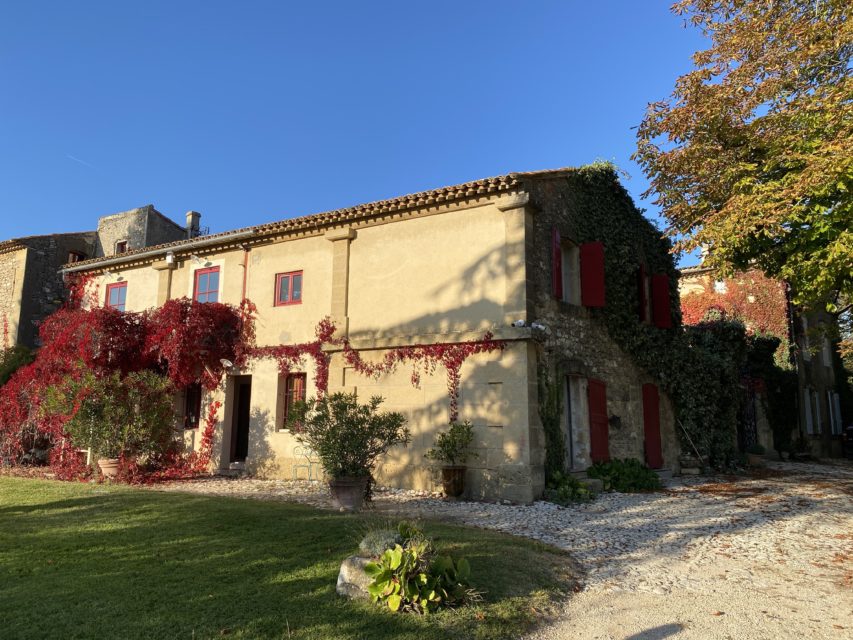
The Cuvee Madeleine was named by Madeleine’s father, his favorite cuvee. This rosé is the perfect transition wine to take you from l’apéro on the patio to apéro dînatoire. With slightly richer flavors than the Fleurie Cuvee, this is the perfect way to kick off your casual summer dinner party.
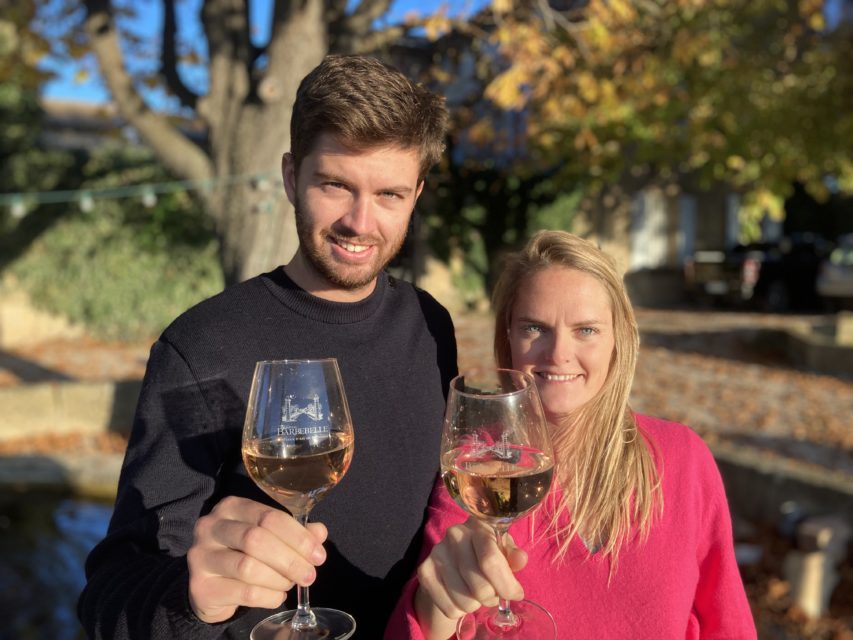
Château Barbebelle Aix-en-Provence ‘Cuvée Madeleine’ Rosé: A classic blend of Grenache, Syrah, & Cinsault, this Provence rosé is dry and aromatic with hints of rose water, geranium, strawberry, and red raspberry. It has minerality and precision that follows through to a very long finish.
We suggest pairing this rosé with ahi poke, Peperonata on Country Bread, grilled peaches or watermelon salad and if you like Cuvée Madeleine, we highly recommend trying Barbebelle’s Heritage rosé.
Madeleine Herbeau is now a 4th generation winemaker alongside her husband, Valentin Premmereur, and oenologist Thomas Benard. Their passion for quality, typicity, and precision in their wines are unparalleled. They make a great team, and share the common goal of bringing high-quality, delicious wines that speak to the terroir of Aix en Provence.
Among many other animals, there are two adorable mini horses that live on the property. One of which is only 8 months old and his name is “Let’s Go”
Property has strong female roots, her grandmother was the one who purchased the land. Madeleine is a 4th generation winemaker in her family.
Farming organically since the property was purchased by her grandmother, but in the process of becoming certified now.
“I want our wines to represent the terroir of this place”
Here’s an interview between Lexi and Madeleine…
Who were/are your mentors?: My father, who lives on the property still and is on property most days
Describe your Farming: In conversion to be certified organic
What is so special about the wine that comes from this area?: The soils. They are a little more calcareous limestone than the typical garigue in Provence.
Why do you make wine? As a winemaker do you take a creative or academic approach to it?: Making wine is a lifestyle I love. It is my creative outlet.
When selling your wine in the US, what is the most important thing you would want us to communicate about your brand and/or the wines you make?: To communicate the terroir, communicate the culture, and to have a bottle of this and slow down American way of life and savor like the French
What are your favorite foods to pair with your wines?: “I love to cook. I do not go to the market to shop for food to make a recipe, I go to the market to see what’s fresh and in season and then cook something from that. The fresh produce from the area will pair nicely with the wines naturally because they are coming from similar terroir and climate.”
Tell us about the property: The land was purchased by my great grandmother, 300 hectares. About 150 are under vine. It is a very nice feeling to be continuing the matriarch culture here on my property. The area that we are in is basically the forest. We are surrounded by woods and wildlife roams the property at sunset every evening. The house was built in the 17th century, we live in it today as well as renting out some rooms. My husband, Valentin, and I now run the property. We work hard to continue my great grandmother’s legacy.
What is the difference in quality between large production and small production wineries? The fact of producing in the family for 4 generations allows us to maintain a very good quality from year to year. Customers know what to expect when they buy our wines. They know the origin and history of wine. Our estate is conducted reasonably and with great balance. That is why it is still in the hands of our family. We make a lot of thoughtful investments.
What is so special about the terroir that you work with? The terroir is magnificent, north of Aix-en-Provence on the Luberon road. We are 400 meters above sea level, limestone soil, lots of sun and wind! Our 50 hectares of vines are divided between 250 hectares of woods and wildlife. The best plots have been selected from generation to generation.
What activity besides making wine, does your family like to do? We have a great seasonal rental activity at the estate. We welcome holidaymakers in pretty houses: from studios for 2 people to houses for 10 people. We also organize events, concerts, and private dinners in the grounds of the Château.
When and where are you happiest? When I’m on horseback: in the woods or on a competition field!
What life achievement are you the most proud of? The fact of working as a family and being surrounded by a team with us, which is great. It seems that they are happy in Barbebelle, and the atmosphere is excellent!
What winemakers do you most admire? I really like the work of Peter Fischer at Château Revelette. He is very approachable and passionate. I also admire the work of a friend who created his estate in Bandol from scratch: Baraveou, Jean Philippe Fourney
What motto do you live by? I am very speedy, I like things to move forward and be done in the moment.
How do you relax/decompress? Horseback riding is my passion. But competing isn’t always very relaxing! It’s sporty and adrenaline-charged!
What do you drink when you are not drinking wine? Belgium Beer!
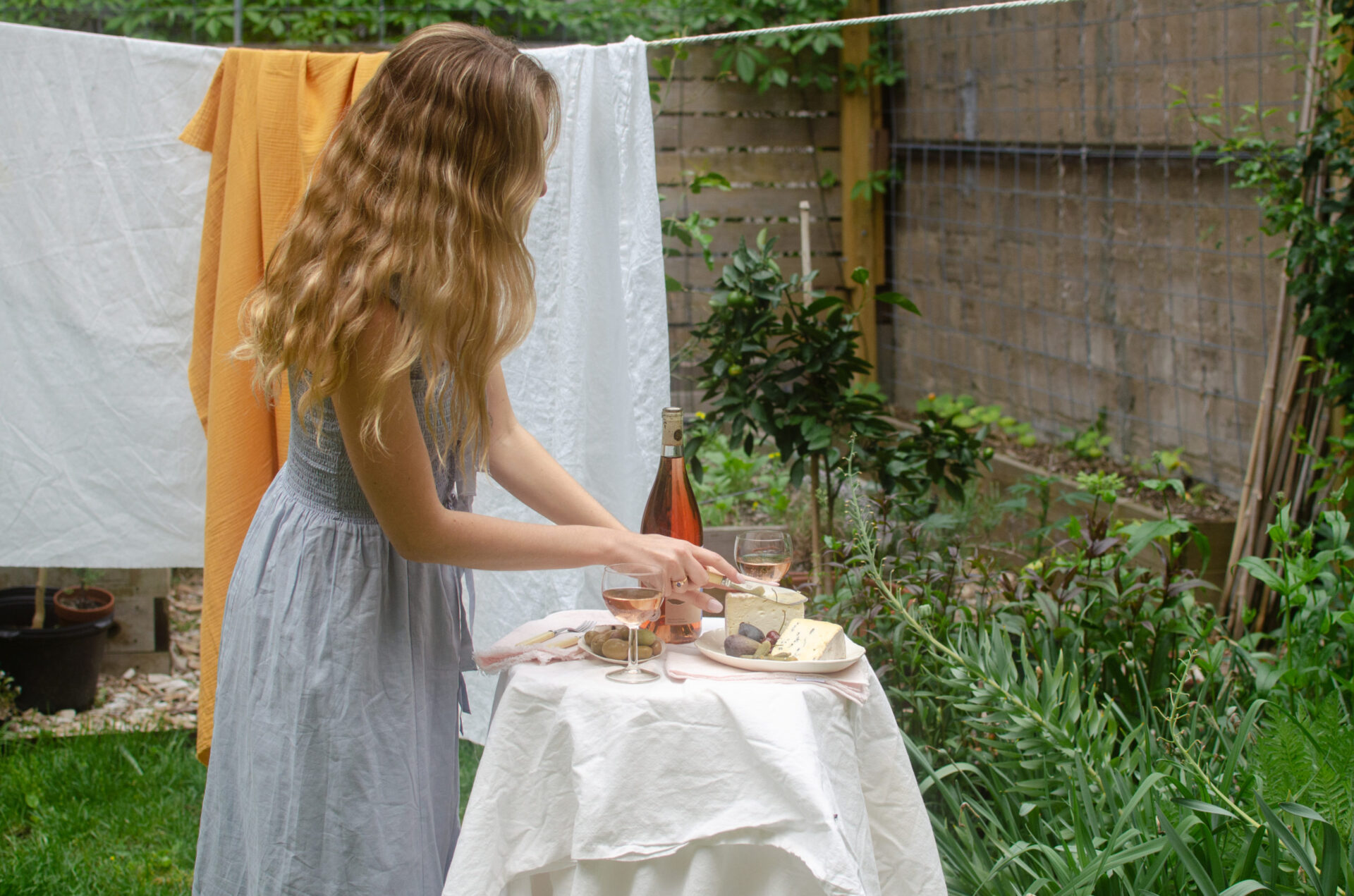
How I Argaux: Happy Hour with Samantha Rees of Saison
Samantha Rees is a Brooklyn-based stylist, chef, Vogue contributing editor + Founder of Saison, female-founded/female-run catering and gifting studio.
Saison is a female-founded, female-run catering and gifting studio, set out to create thoughtful, one-of-a-kind experiences, for all occasions – big and small. Inspired by nature, Saison believes in intentionality every step of the way, from cooking with organic, local ingredients to sourcing eco-friendly, compostable materials. Saison has been featured in T Magazine, Vogue + Garmentory. Clients include Ulla Johnson, Tiffany & Co, Tweezerman, Neogen Global, Prounis, Catbird, Maker & Son, Honest Beauty, Minted & More.
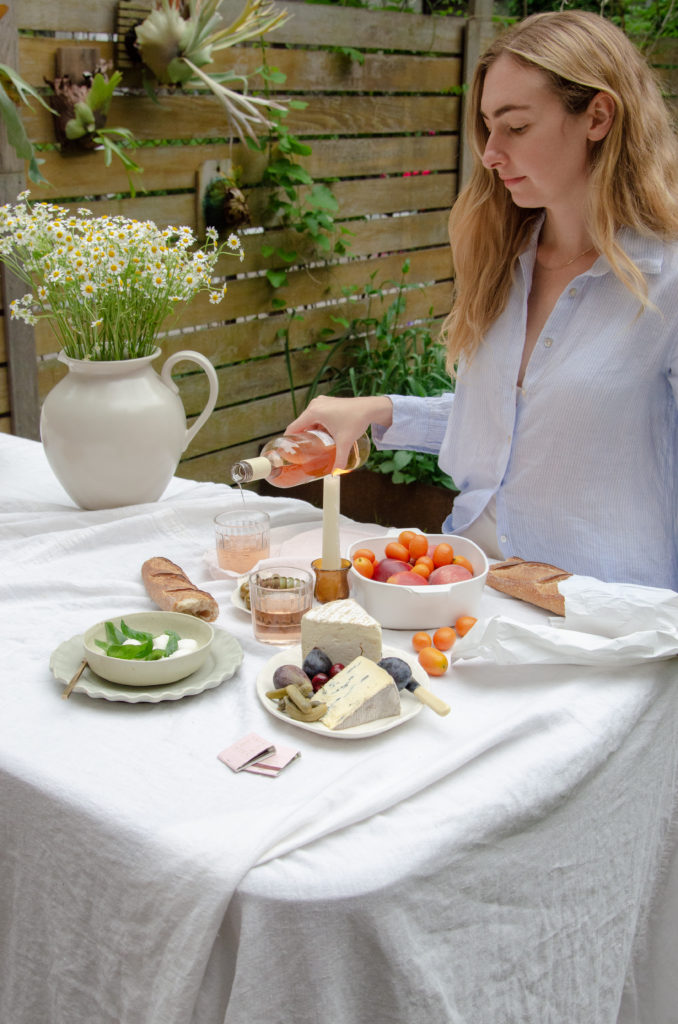
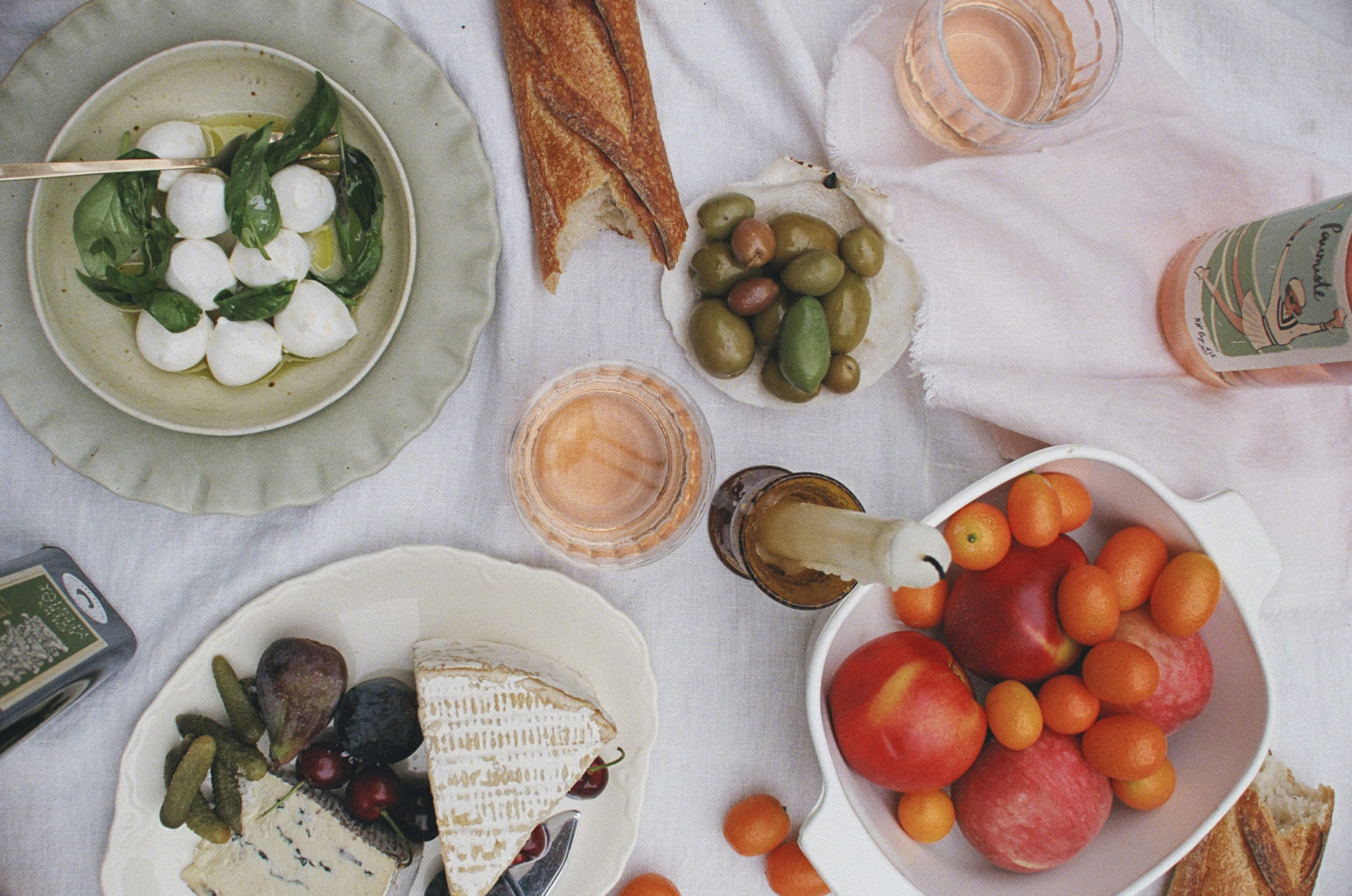
Tell us about yourself, Samantha! We have a lot in common and there is a lot of ground we could cover, but introduce yourself to the Argaux community.
Hi! I’m founder of Saison — a boutique catering and gifting studio based in Brooklyn. I’ve called Brooklyn my home for my entire life and just married the love of my life who I met way back when in first grade. Cooking, dining and gathering friends around the table are my passions — nothing makes me happier than sharing a glass of wine and a home cooked meal with friends old and new. I’m also a wine and floral enthusiast — constantly foraging for blooms on country roads when I leave the city and arranging wildflower bouquets. Some of my favorite memories over the years have all been over a glass of wine — from sipping gamay’s in the Loire Valley with my girlfriends to beach picnics at sunset with crisp rosés.
Have you always had an interest in food? Did you go to culinary school or are you a dinner party/homecook enthusiast like Margaux and me?
I’ve been gathering friends and family around the table for as long as I can remember, it’s always been something that brings me immense joy and when I feel most at ease. I have no formal cooking training, but around the time right after college was when I began to really find my way in the kitchen and hosting became a meaningful way to gather friends. It’s always been about simple, seasonal meals, made with love — unfussy and beautiful.
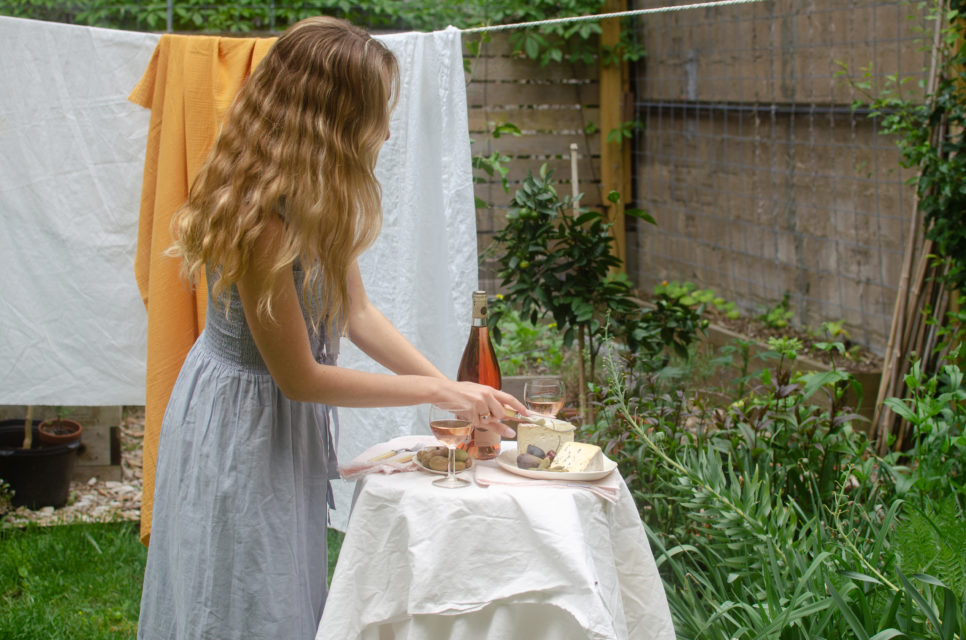
Where does the inspiration for Saison come from? When and why did you decide to start the business?
Saison is a natural extension of my approach to cooking and gathering. However, it came to be in a more official way in the spring of 2020, as our garden began to bloom and I longed to cook for friends and family again during the pandemic. There was no real game plan or goal for it to grow into a business, just a way to bring something sweet to my community during such an uncertain time. It started with weekly food boxes filled with homemade baked goods and foods from our garden produce — garlicscape tapenades, mini olive oil cakes studded with berries and stone fruit and herby white bean salads to name a few — and has grown into a small catering business mostly working with creative clients and brands I deeply admire. I never sought out to do exactly what I am doing with Saison, it’s all happened very organically and unfolded in ways I could have never imagined.
The inspiration comes from a combination of so many things, but mostly the beauty of summertime. It’s a season so streaked with nostalgia for me and one I long for year-round — sweet warm air, juicy stone fruits, briny shellfish, nights spent under the stars, and al fresco meals with the ones I love. I try to capture that feeling and it’s tenderness in everything I create with Saison. Whether you are receiving a box of shortbread, a beautiful cheeseboard or ordering a market tote, my hope is that it transports you somewhere special.
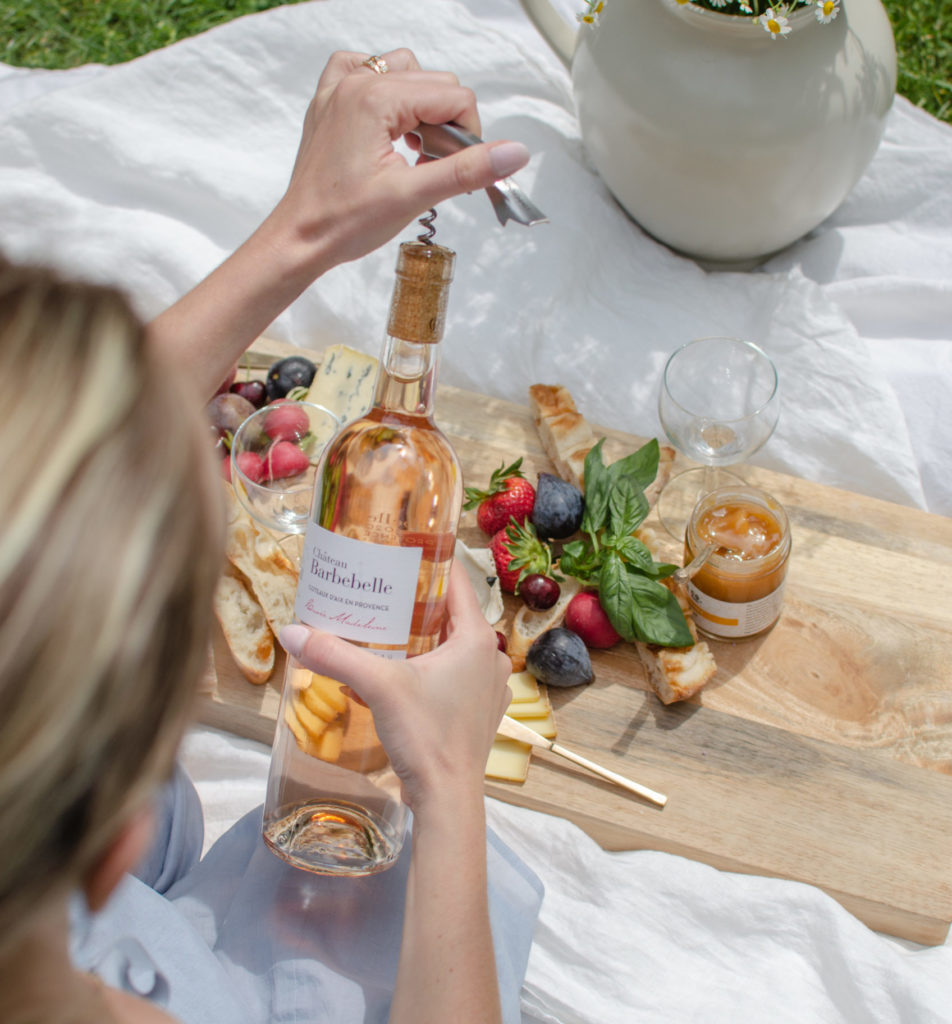
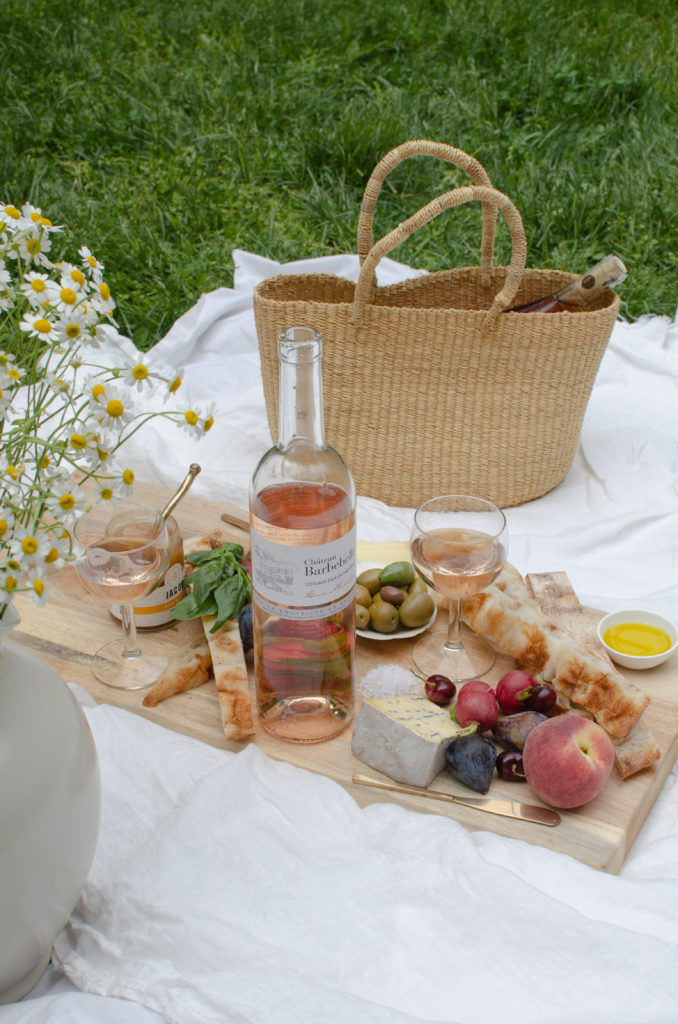
What is your ideal ‘happy hour’ routine?
I absolutely adore happy hour and it’s by far my favorite part of entertaining — whether it’s for a large group, a few friends or myself. It’s a moment of transition in the day and I find sets the mood for the rest of the evening. At home, I opt for simple selections and items I normally keep in my fridge — good olives, a lovely cheese or two, berries, a torn baguette, and a few selections of natural wine.
What role does entertaining play in your life? What role does wine play while entertaining?
A week doesn’t go by without friends around my table — sometimes planned, but more often than not, impromptu. Entertaining has always been an extension of who I am — it’s an essential part of my life and a constant inspiration. Whether we’re gathering over an elaborate meal and I set the table with linens or are squeezed around the table over a big bowl of pasta, wine is always flowing until the candles flicker away, bellies are full and conversation lingers.
Do you have a go-to hostess gift?
I always bring wine and something sweet for dessert, but I don’t count that as a hostess gift! In the summer months, a selection of freshly picked produce from the garden, a bundle of flowering herbs or a carton of eggs from our chickens is often a go-to. I love to leave the host with something that will last beyond the evening or to enjoy the next day for breakfast.
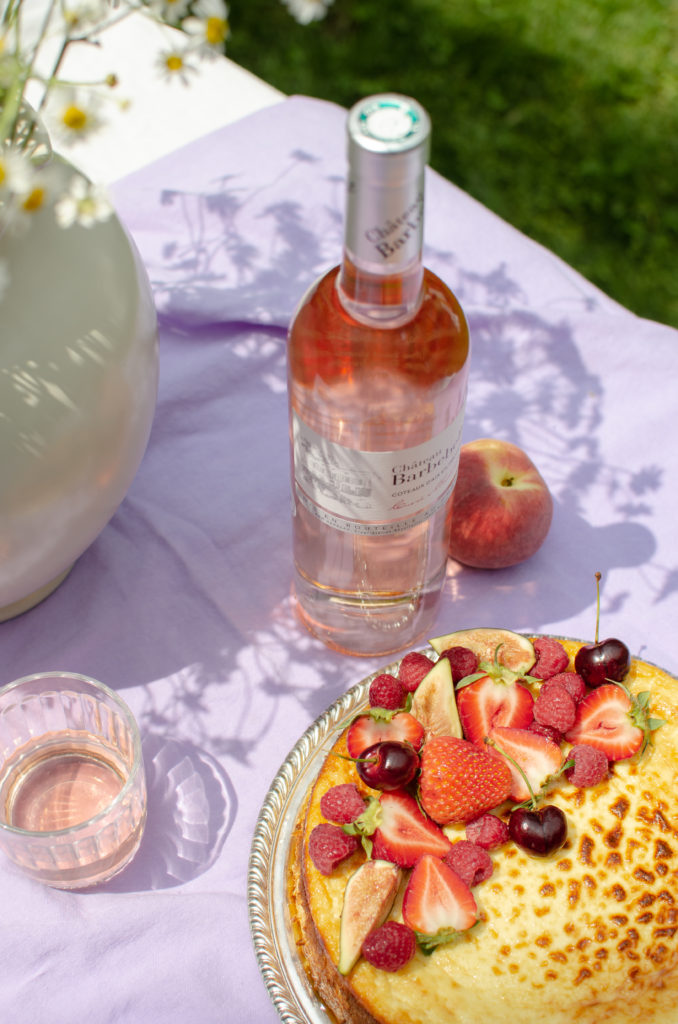
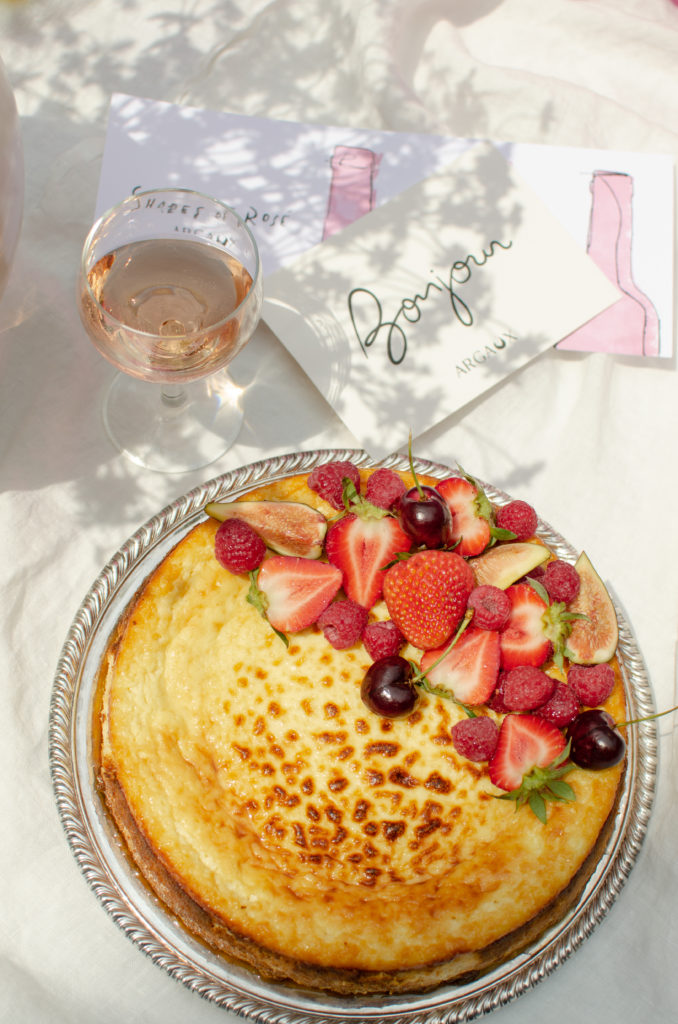
How do you incorporate Argaux wines into dinners at home? Even when you aren’t entertaining?
Wine plays a big role in my life and influences so much that goes on in the kitchen. Most evenings, I love to pour a glass of wine while cooking dinner, it marks the end of my work day in the kitchen (which is often very scheduled) to leisurely cooking for myself. My husband also loves to cook and we always make dinner together — it’s one of the most special traditions and something I look forward to everyday. Sharing a new bottle of wine or a favorite from Argaux is such a nice addition to this routine.
What are you cooking these days? Any new favorite recipes?
Late spring is such an exciting time in the kitchen — the markets are bursting again with beautiful produce, and am overwhelmed with inspiration and the beauty of it all. At the moment, I’ve been cooking with a surplus of herbs, tender greens and highlighting all the delicate, nuanced flavors of spring.
There are a few recipes I make over and over in spring — sourdough toasties topped with whipped goat cheese, marinated white beans, peas and basil and a simple fresh pasta with smoked ricotta, peas, asparagus and loads of herbs and lemon. Our rooftop strawberries are ready to harvest so they have been the star of baking lately — olive oil cake topped with whipped cream and strawberries, lemony ricotta cheesecake with strawberry compote and a wildly addictive strawberry cornmeal snacking cake are a few favorites. The strawberries are so delicious though and are perfect on their own or with a little whipped cream.
What are your’ al fresco dining’ essentials?
Besides for delicious food and bottles of chilled wine — linens, candles, a good playlist and citronella incense sticks or bug spray are essentials. I wait all year to dine al fresco — there is really nothing more magical to me than that, so making sure everyone’s comfortable (a buggy night can ruin the vibe!) is key and I find the rest just falls into place.
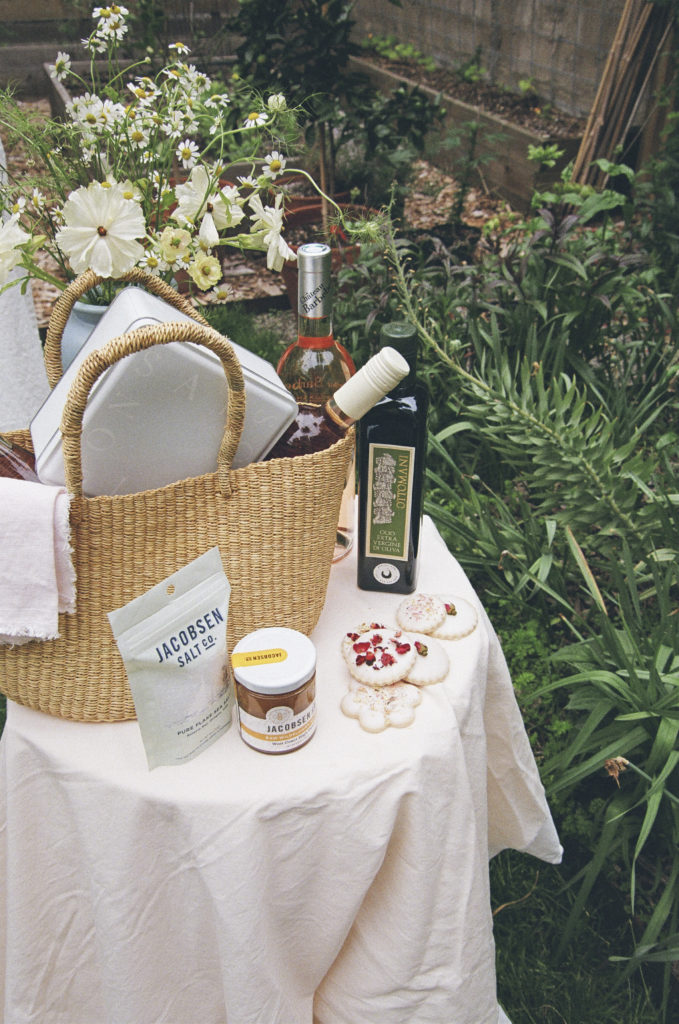
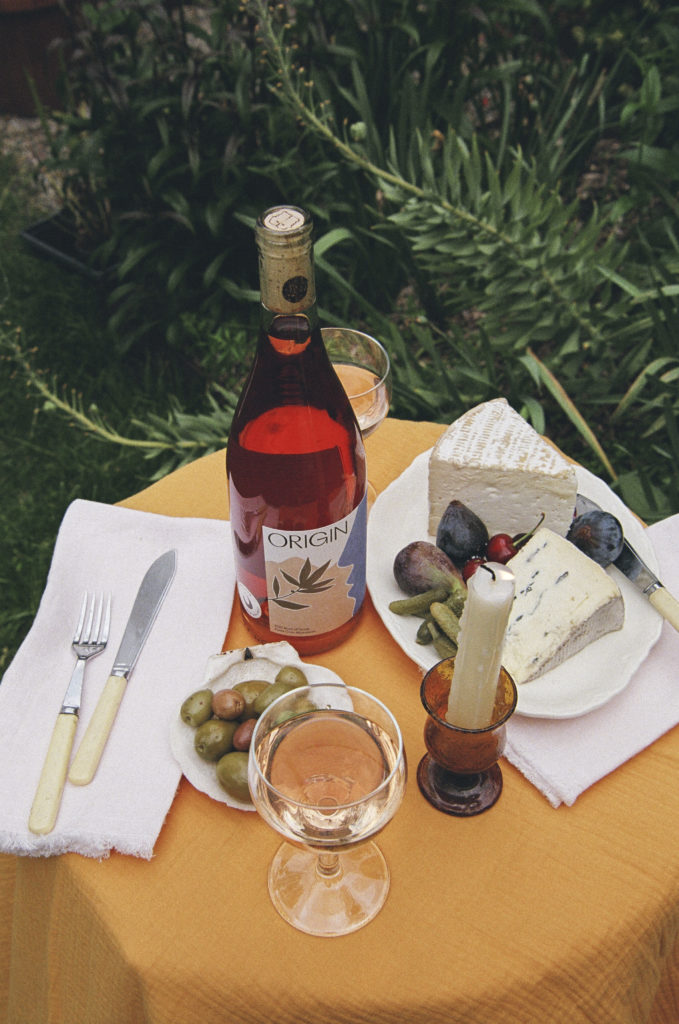
Do you have a favorite Spotify playlist to listen to while you are cooking?
I have so many! Most of them are ones friends have made over the years. Since I normally spend all day in the kitchen, I try to structure the day a bit by what I listen to so it’s a balance between podcasts and playlists. Recently Harry’s House has been playing a lot 🙂
Favorite restaurant in New York? We’ll give you two! I know how hard this question is 😉
Oof this is so hard, but neighborhood spots are my favorite. One favorite is Locanda Vini E Olli, a rustic Italian spot nestled in an old pharmacy in Clinton Hill. Their homemade pastas are delicious, but I especially love going in the summer for a spritz and anchovy toast. Chez Ma Tante in Greenpoint is another very special spot — my husband and I actually just got married there over an intimate dinner a few weeks ago and it was perfect. Their chilled mussels and chips are a must.
Lightning Round:
- Olive oil or butter? Butter
- Rosé or chilled red? Chilled Red
- Pasta or Pizza? Pasta
- France or Italy? Italy
Here are some of Samantha’s Argaux favorites:
2019 Origin Bates Ranch Cabernet Sauvignon
2019 Breton Val de Loire Rouge Grolleau
Shades of Rosé 3-Pack, particularly the Château Barbebelle Cuvee Madeline
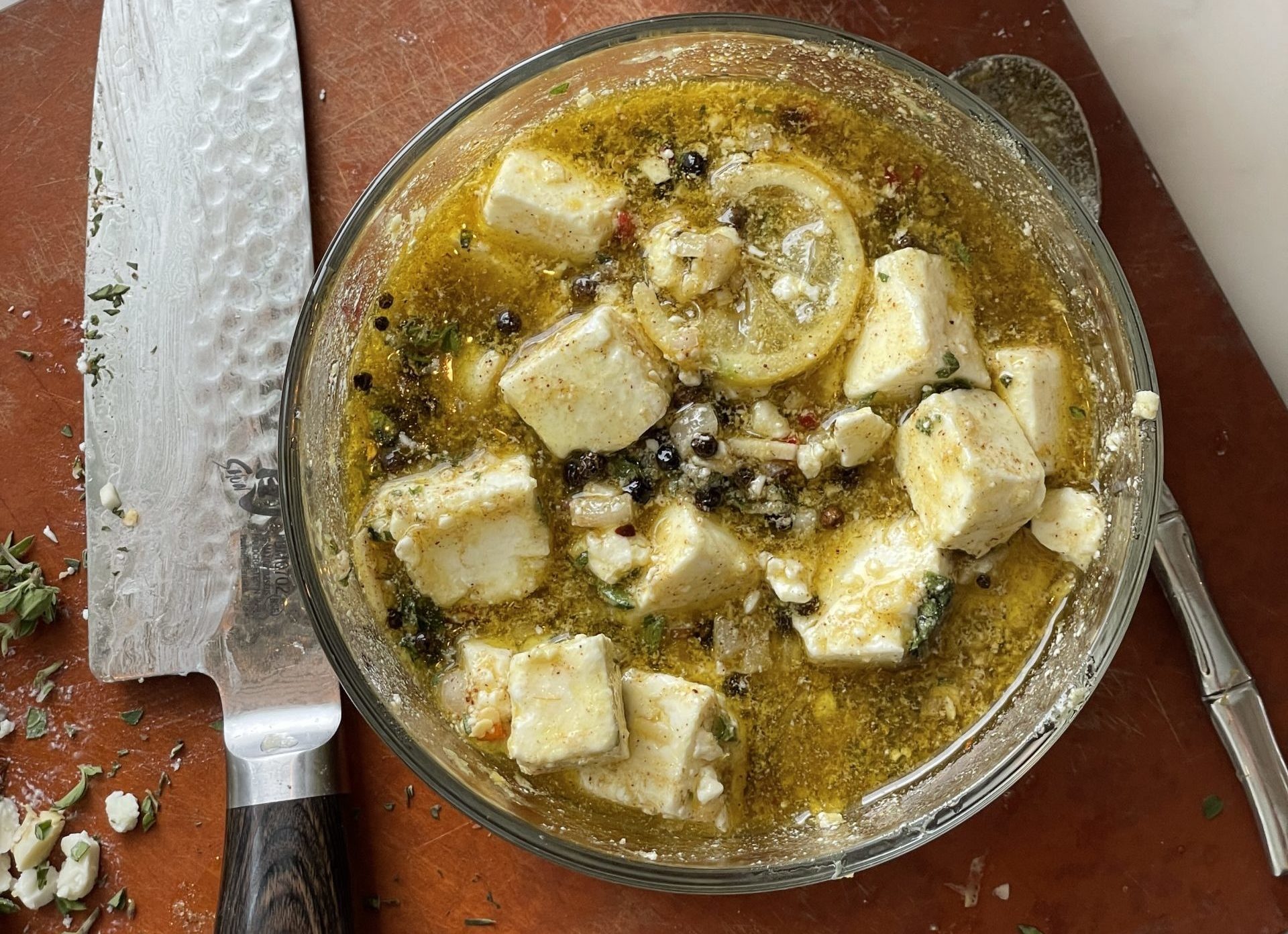
Marinated Feta
This is an easy, no-brainer, make ahead trick to keep in your back pocket for that next dinner party or backyard BBQ – Marinade your feta.
You can marinade the feta with whatever herbs and spices you want but olive oil and lemon juice tend to be the best base for the marinade.
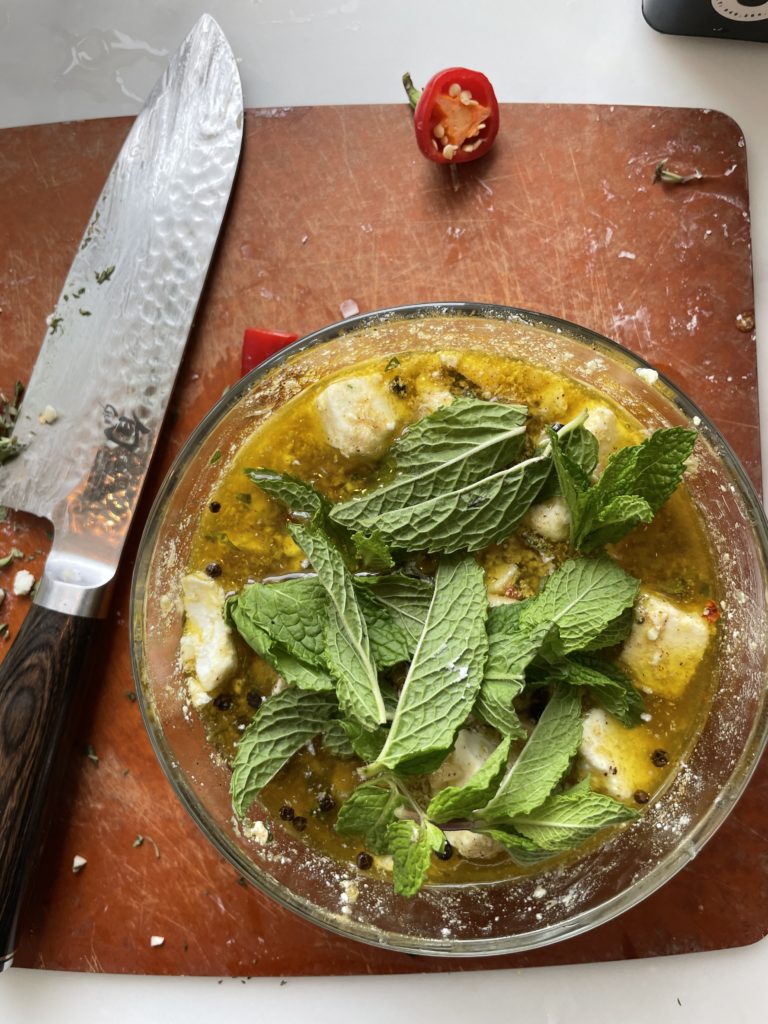
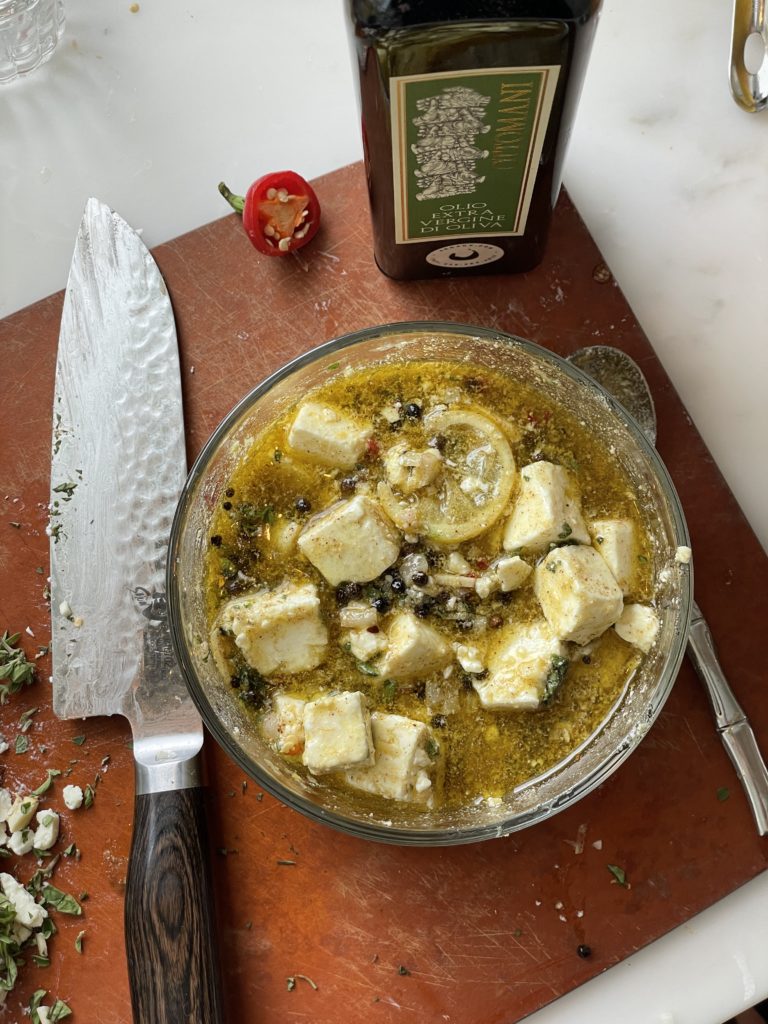
Here is your grocery list for a smaller portion, if your party is bigger I would double the amount below if not triple:
- 1 block creamy feta (French or Bulgarian)
- Olive oil (enough to cover the feta
- 1 tsp. peppercorns
- Juice and zest of 1 lemon, save a slice or two to throw into the bowl
- 1 tbsp. cumin
- 1 tbsp. coriander
- 1 chopped red jalapeño
- Handful fresh mint leaves
- 1 minced shallot
- 1 minced garlic clove
Combine everything aside from the feta into a mixed bowl and combine. Place the feta into a bowl that can be sealed airtight and pour the olive oil mixture over the feta and let sit for an hour or so. Can sit overnight and will continue to get better. When ready to serve, let come to room to temperature and enjoy alongside crusty bread or crackers!
Enjoy with a glass of 2018 Rocca del Principe Fiano di Avellino ‘Tognano’
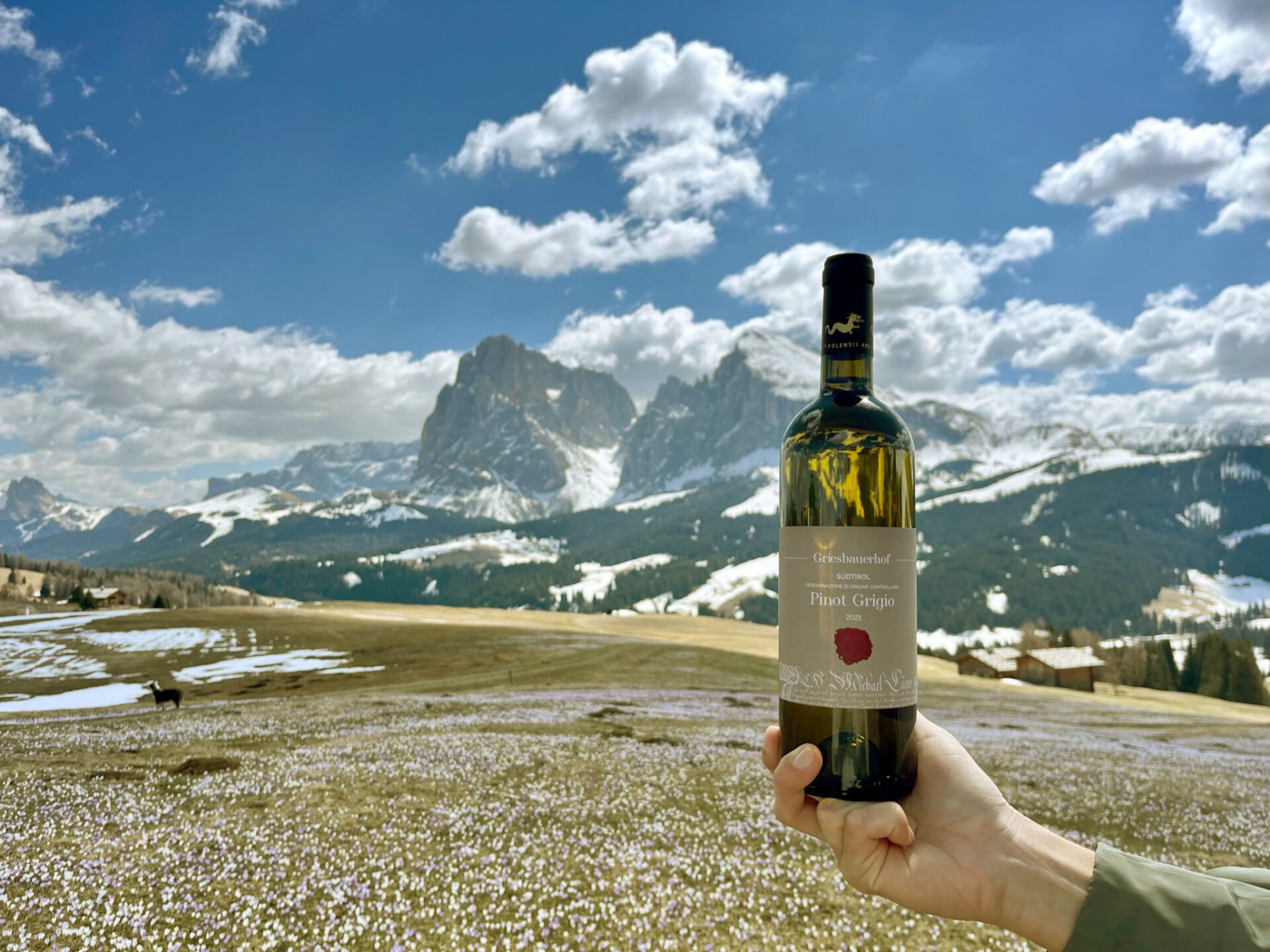
Meet the Maker: Weingut Griesbauerhof
“It’s more than a job, it’s our purpose”
Weingut Griesbauerhof is located on the hills of St. Magdalener in Bolzano of Alto Adige. This is one of the oldest and northernmost wine growing regions in Italy that borders Austria with steep slopes that blanket the valley. Wine has accompanied human history and culture in Alto Adige for more than three thousand years and has decisively shaped the development of the province.
Since 1785 the Mumelter family has been cultivating grapes and apples from the same farm where they lie at an altitude of 300 meters above sea level. The ancestral farm has been handed down from generation to generation in the Mumelter family, with Lukas as 7th generation winemaker now at the helm. The barrels remain in the cellar built in the 11th century underneath the house. As a family, they work as a team to run the estate. Georg has passed on his winemaking to Lukas and he now spends his time tending to the apple orchards. In 2019 Michael, the eldest brother, opened the Osteria Freiraum Mumi on the property which is a wine bar he opens from around late April / May until harvest. He makes homemade focaccia and showcases the Griesbauerhof wines for his patrons. Margareth handles tasting visits at the winery, day to day administration, and farming her region’s famous tomatoes.
Griesbauerhof’s philosophy is all about their terroir. They believe in sustainable farming, and minimal intervention in the winery. Their vineyards receive a good amount of sunshine and the sandy clay soil creates complex red wines and extra rich white wines. They are all hand harvested and Pergola trained.
Upon arriving at the estate, we were immediately greeted with lunch cooked by Michael. He used his mothers tomatoes for a fresh pasta sauce and made a simple green salad from the garden. It was the largest plate of pasta I have ever eaten, and yet I didn’t feel weighed down or overly full. We learned quickly that the food from this region is a refreshing blend of Italian, Austrian, and German culture that we have never seen in the US. It is all about light dishes with fresh ingredients; right up my ally. We were lucky that we arrived at the beginning of a beautiful spring, and during the peak of Asparagus season. Every restaurant had an assortment of dishes made from freshly harvested white and green asparagus, paired with local wines.
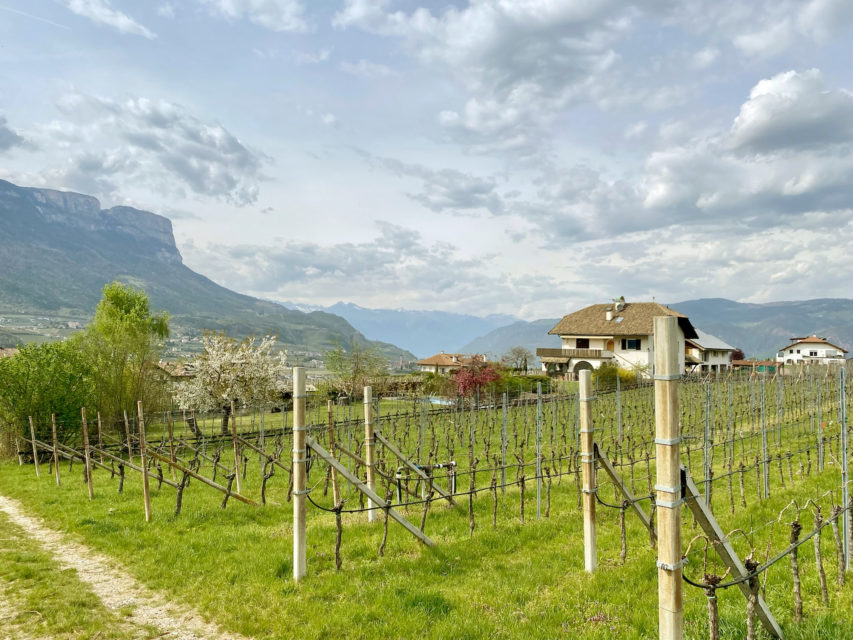
After touring the vineyards, we visited their apple orchards which is a huge part of their family business as well. Margareth had a table set up with coffee and homemade apple strudel made from the apples we were surrounded by.
Just a half an hour behind the winery up a windy road, you’ll find the most beautiful peaks of the Dolomite Mountains; this mountain range is what separates the Italian border to Austria. We drove up the mountain the next morning and ventured out for a hike, the family’s favorite pastime when they are not making wine. We hiked up to the Rauchhütte Chalet at the top of the mountain for lunch and local wines. These chalet’s are very common in this area on peaks of the mountains, making it a destination for hikers in the spring and summer, and skiers in the winter.

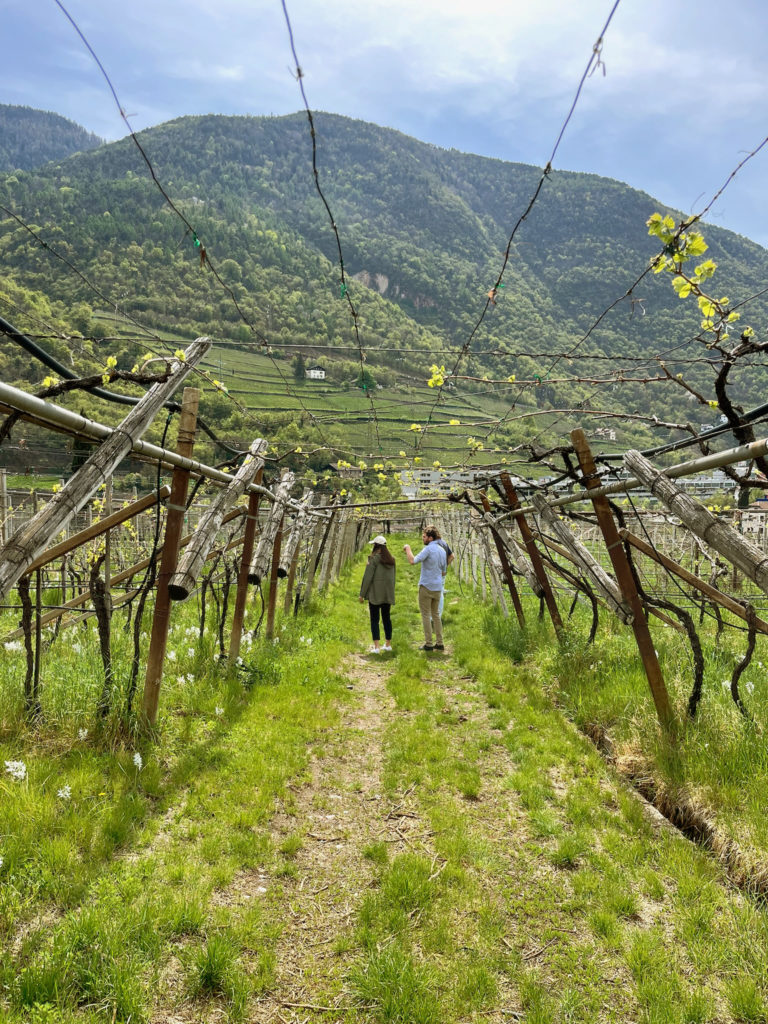
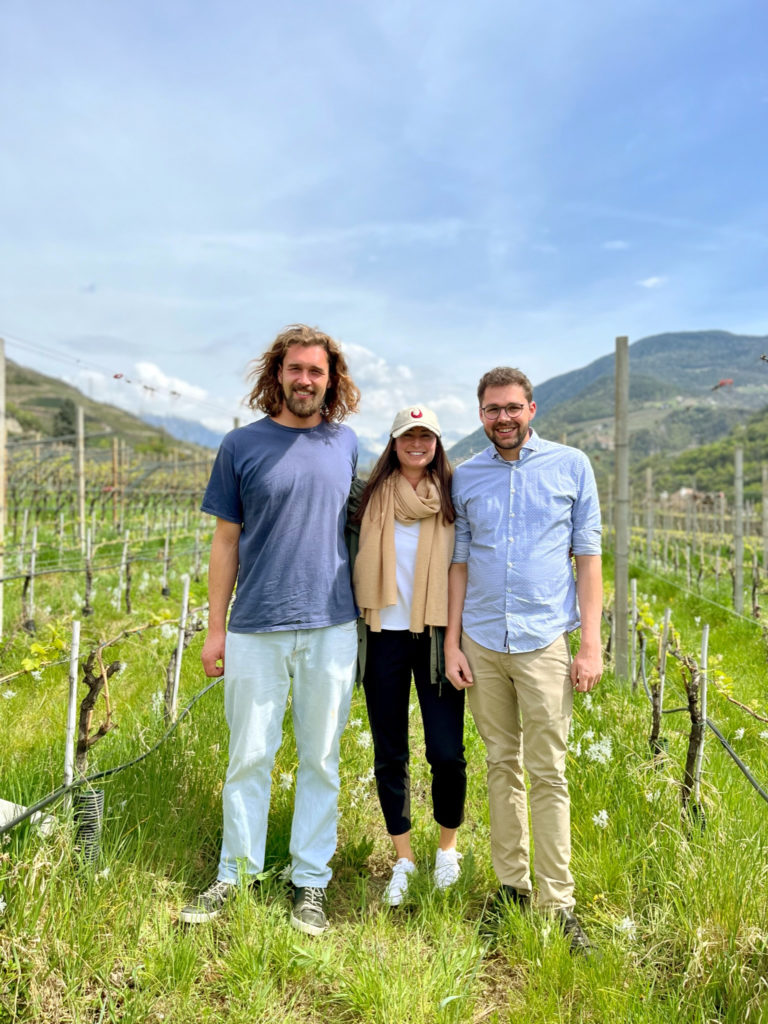
After years of training in Germany, Lukas Mumelter is now a 7th generation winemaker for his family’s estate. He is passionate about carrying on tradition while also implementing innovative ideas.
Fun Facts
- Margareth Mumelter, the matriarch of the estate, has a passion for growing tomatoes. She grows 30 types of tomatoes of different sizes and colors every year. Every two years a Tomato Festival is held on the Mumelter farm, where starred chefs create delicious dishes from tomatoes.
- The Mumleter family also has apple orchards they farm, and Margareth makes the most incredible apple strudel with them!
- Both grapes and apples are needed to be harvested at the same time, making it a community effort every year! Friends and family of the Mumelter lend helping hands.
- The family Mumelter has been in Bolzano for hundreds of years. They have traced back generations and cannot find relatives from anywhere else.
Amlière imports the wineries Pinot Grigio and St. Magdalener.
The 2020 Weingut Griesbauerhof Pinot Grigio has notes of green pear, lemon zest, dried apricot, almond skin, and a wet glacial minerality.
The 2019 Weingut Griesbauerhof St. Magdalener Classico has notes of sour black cherry, red currant, strawberry, and almond skin.
For some more information on food/wine pairings with wines like Pinot Grigio, check out Best Wine For Scallops and Best Wine For Spicy Food. If you like Pinot Grigio, you’d probably enjoy trying other wines like this Grüner Veltliner.
Here is an excerpt from our interview with Georg Mumelter, patriarch of the family.
Who are you, what do you make, when did you start your winery, where is it located and why? My Name is Georg Mumelter, I was born on the Griesbauerhof in Bolzano in 1956. After the early death of my father in 1966, I was raised with my two little sisters by my mum, looking after us, the farm and a Hotel. After I finished agriculture school in San Michele/Mezzocorona I started working full time and taking over the farm in 1976. The Griesbauerhof is located at the east End of Bolzano, on the bottom of the St. Magdalener hill and at the south of the Valle d‘ Isarco. In this area, the Romans started to grow vines during the roman empire as early as the year 1610, proven by a script we found hidden in the estate. There was also always wine produced, we have never sold just grapes, but in history it was mostly exported in big vats by train. In the beginning of the 80’s the mind-set started to change in the Alto Adige Region. We started to bottle all our wine, and focus more on quality and get into greater contact with clients and final customers. Quality you gain with passion and experience is why we are continuously trying to improve and make the best possible wines with the fruit of our vineyards.
What is your story? Why did you get into wine? As I said in answer number one, I was literally born into wine. Being a farmer, working close to nature, growing apples, grapes and producing wine is more than just a job, it is my purpose.
Explain your farming/winemaking practices. How many cases of wine do you produce a year? Our farm consists of 7 ha of apple orchards and 4 ha of vineyards. We grow our two autochtone grape varieties Schiava and Lagrein on the classic Pergola system. A growing system in the shape of an arc, with a long history, which suits the best for the two local grapes. The white and the Bordeaux varieties on classic vertical systems. Our vineyards are located in Rencio around our estate (300m above sea level), Bolzano Sud « Spitz » (250m) and for our Pinot Grigio and Weissburgunder in Cornaiano/Appiano (500m). We have yearly production of 35,000 bottles (about 3,000 cases), which is a medium sized winery for our standards in Alto Adige.
What is the difference in quality between large production and small production wineries? Larger wineries produce more wine and they need to sell more wine, that is why they must make a wine which taste suits to more people. I guess larger wineries can reach very good qualities, they are able to operate on a very high standard, working with the best technology and very well educated and experienced people working here. However, it might be hard to make wines with character, wines who are telling stories. A small winery is often also a family’s business, a very exciting and hard work requiring workplace. It is often people’s life so they put all their passion in it. I think they can work out their own style of wine, their own signature. Wines from smaller wineries show mostly more difference between the vintages, why? Because they have to work with the grapes only from their little plots, not having the chance to choose from a lot of different vineyards spread over a bigger area. The bigger machinery is often shared between a group of smaller wineries, which allows them to work on the same standards as the big ones, keeping up with the quality.
What is the quality you like most in a partner? Respect, Loyalty, Trust.
What activity besides making wine, does your family like to do? Eat and drink! We also like to go skiing in winter all together.
What word or phrase do you overuse? Logical.
When and where are you happiest? After harvest when all grapes are in the cellar and fermentation is finished. Being in nature!
What life achievement are you the most proud of? When my Lagrein Riserva 1999 in 2002 received the tre bicchieri of Gambero Rosso. And to be in Rome at the Celebration together with my friends Josephus Mayer – Unterganzner and Andreas Berger – Thurnhof.
What winemakers do you most admire? My Friend Franz Gojer from Glögglhof. He motivated me the most back in the 80‘s to start bottling all our wine and work hard for higher quality!
What motto do you live by? To work my land the best possible way, make the best possible wine, and spend as much time with my family and travel if there is some time in the winter!
Best wine you have ever tasted? Masseto 2001 in a blind tasting! Outstanding!
How do you relax/decompress? Being in nature and hiking.
What do you drink when you are not drinking wine? Water! Beer! I also like Cognac and Whisky but I do not drink it often!
Shop all Weingut Griesbauerhof wines here.
How I Argaux: Braai (BBQ) with Winemaker Ernst Storm
In preparation for Memorial Day, we interviewed Ernst who is from South Africa, on braai (what we know as a BBQ). South Africans prefer to use wood to cook their meat because it brings out the best flavors in the meat. Ernst talks all things braai, meat, and even shares what he’ll be drinking from Argaux over Memorial Day weekend…
| Hi Ernst! Can you introduce yourself? I am the owner winemaker for Storm Wines in Santa Barbara County. I run our little wine brand with my wife Brooke.
What role does wine play in your life? Aside from being a winemaker, as a consumer of the beverage, what role does it play? Our whole life is influenced by wine. We love everything that goes along with wine. Food, travel and friends in wine to name a few. Wine is the social lubricant. What was it like growing up in South Africa? As kids we spent a lot of time out in nature, roaming and taking in the beauty. This instilled a deep respect for the natural world which eventually led me to pursue winemaking. Team Argaux/Amlière has been lucky enough to experience a Braai with you and Chase Carhartt. Can you explain what Braai means to those who aren’t familiar? A Braai is a coming together of friends and family to cook food over coals. It is a time to catch up with family, friends and enjoy some food and wine. What is the difference between a South African Braai and what we know as BBQ here in America? A braai is usually over coals where meat is grilled. Never hamburger or hot dogs over gas. Is there a best meat used for Braai? Any meat is suitable as long as it is done with intention and if high quality. Even chicken works. I remember you made some sort of sandwich for us that was a traditional SA preparation – It was like a fire-grilled cheese. Can you tell us a bit about what that was? It is called a braaibroodjie, which translates to “bbq sandwich “. It has cheese, tomato and onion on it. We also like to add chutney for sweetness. Is this pretty typical if you go over to someone’s house for Braai? Yes, on weekends one day is always set aside to braai with family and friends. Usually everyone brings a salad or a side dish. What are your Braai/BBQ tips? Take your time and make sure you have enough wood and wine! Never braai too close to the coals. Start high and lower the grill as you go. Ok. Let’s talk about wine pairings. What are your favorite BBQ wines from the Argaux shop? Starting with some fresh whites is always nice like the Von Winning Riesling or the Cherrier Freres Sancerre Blanc. For reds we always start with something lighter like the Storm SBC Pinot and end with something with a little more meat like the Bernard Cote Rotie. If you’re not drinking wine, what are you drinking? Gin & Tonic or a Margarita! |
Shop Storm Wines here.
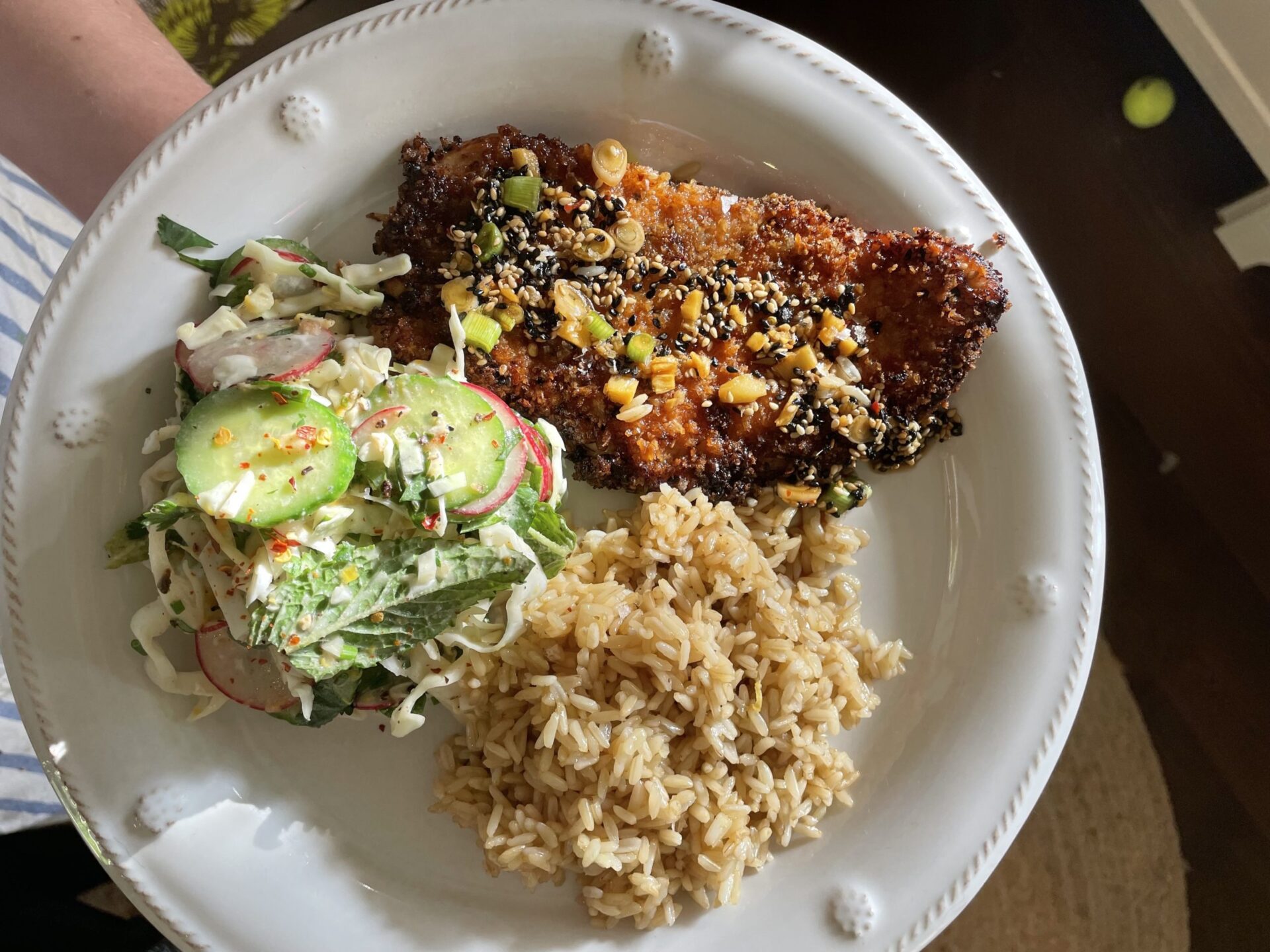
Chicken Katsu For Your Riesling
If you know me, you know a favorite recipe and meal of mine is chicken piccata or milanese. I say “or” because my piccata over the years has become more of a milanese. Maybe I should coin it “milanata” and call it a day. Anyways, I naturally gravitate towards any chicken preparation that involves breadcrumbs and now, I have a new favorite recipe for when I want to change things up a bit. More importantly, for when the riesling is chilling…
Before diving in, let’s take a moment to cover the facts. Riesling is one of the more food-friendly wines out there and a personal favorite when it comes to food + wine pairings.

We typically see riesling from Germany or Australia, and a new #hiddengem crossed our desks recently from Oregon. If you’re not familiar with riesling or not sure how you feel about it, the 2020 Norris Ribbon Ridge Dry Riesling is a great place to start. This 2020 Dry Riesling from Norris Vineyards is something we are truly excited to share with you. Lexi met the Mckinley family about two years ago now, and has been looking forward to the release of this wine ever since. This wine has everything we’re looking for; namely that green apple crunch that we typically can’t find in domestic riesling. The care and precision that went into this wine is unparalleled!
Our excitement for this wine had us eager to start cooking. Note: What really takes this pairing over the top is the cucumber side salad to be enjoyed alongside the chicken katsu. Together, the umami – savory – nutty – earthy – crunchy – flavorful components of this dish make for the ultimate mirror pairing in tandem with the citrus – floral – mineral – bright – savory – nuances present with every sip of the wine. You can prepare some brown rice as well if you’d like!
Ingredients:
Serves 4 people
1 ginger root, peeled and minced or grated
1 cup sesame seeds
1 tbsp. honey
Red pepper flakes
1 bunch radishes
Olive oil
4-6 scallions sliced
½ cup soy sauce
4 chicken cutlets
1 cup panko breadcrumbs
Sunflower oil
Juice and zest of 1 lemon
1 tbsp. tahini
1 tbsp. dijon mustard
Handful chives
½ teaspoon white wine vinegar
Handful cilantro
Handful mint
4 persian cucumbers
½ head green cabbage, chopped lengthwise
Cracked black pepper
Make the marinade for the chicken by combining 1 tbsp. minced ginger, ½ of your sliced scallions, sesame seeds, red pepper flakes, soy sauce, and honey into a bowl. Mix everything together and then set ⅓ of the marinade aside for the chicken before serving, and pour the rest of the marinade over the uncooked chicken in a bag. Let the marinade sit with the chicken for a few minutes.
While the chicken is marinating, prepare the salad by combining the cucumbers, the remainder of the scallions, radishes, about half the cabbage head into a bowl with the chopped chives, mint, and cilantro.
Prepare the dressing by combining lemon juice, tahini, dijon mustard, white wine vinegar, 1 teaspoon ginger, and cracked black pepper. Go ahead and dress the salad. Mix everything together thoroughly, season to taste with more pepper and some red pepper flakes if you’d like. Set aside.
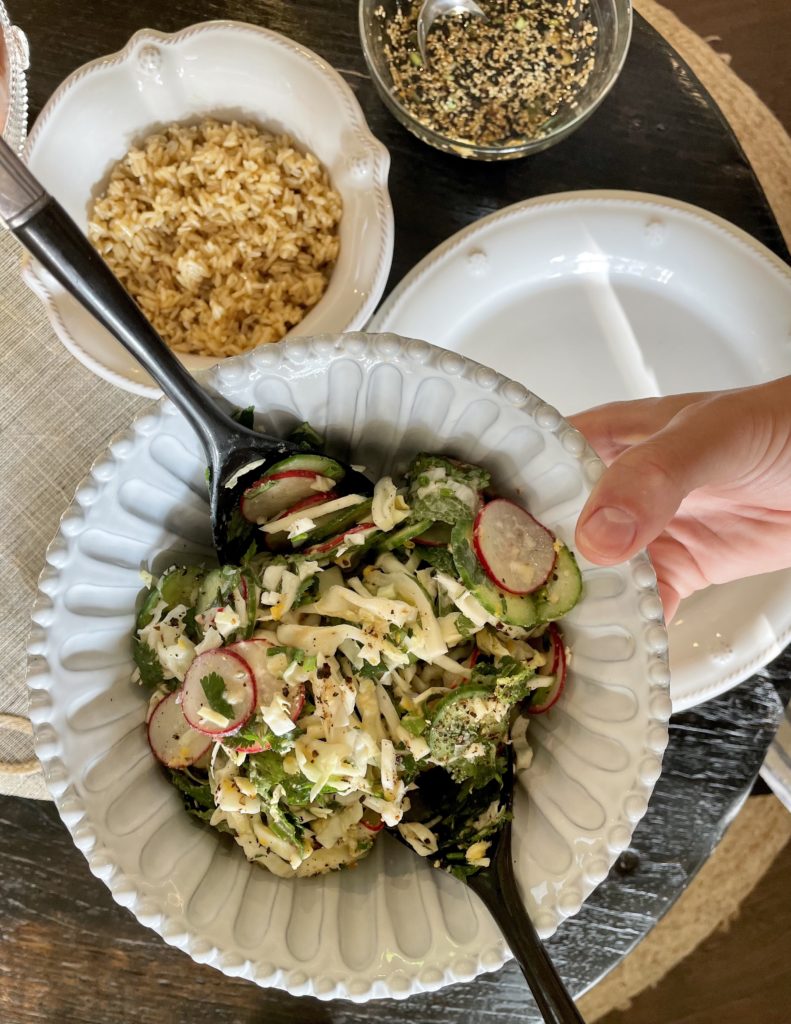
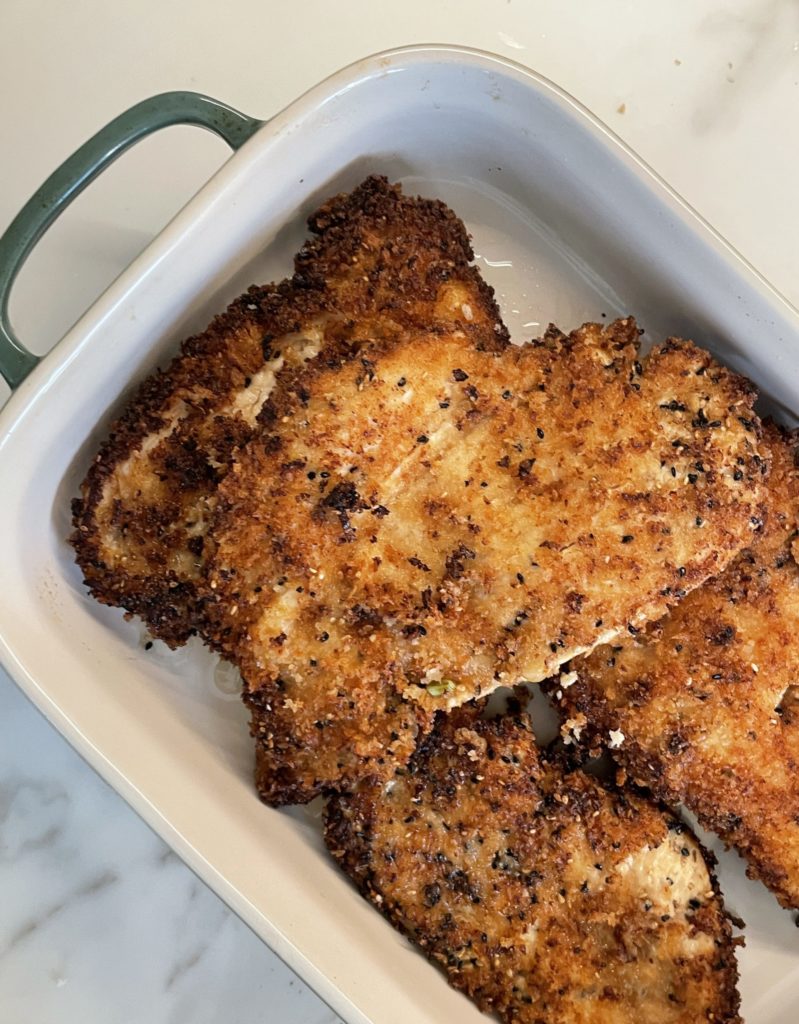
Cover the surface of a baking sheet with the breadcrumbs. Heat the sunflower oil in a pan over medium heat. Remove the chicken cutlets one by one from the bag and place on top of the breadcrumbs. Pat down one side and then the other to coat the cutlets in the breadcrumbs. Place the cutlets into the skillet with the now heated oil. This should take about 4 minutes per side. The cutlets should be golden brown. To prevent the sesame seeds or breadcrumbs from burning if the chicken cutlets aren’t cooking through quick enough (depending on the thickness), you can always have the oven ready to go at about 350 degrees so you can pop in the chicken to keep warm while you continue with the remaining cutlets, and finish cooking.
Once all the cutlets are cooked, plate alongside the salad and spoon some of the leftover marinade over the chicken. Pour yourself a glass of Riesling and enjoy 🙂
Vintage Stylist, Illustrator, & Textile Designer Behind our ‘Paumiste’ Rosé Label
So, we’ve piqued your interest and you’re wondering who’s responsible for the ‘Paumiste’ tennis label design? Meet Leslie Randall. The vintage stylist, illustrator, & textile designer behind the ‘Paumiste’ brand.
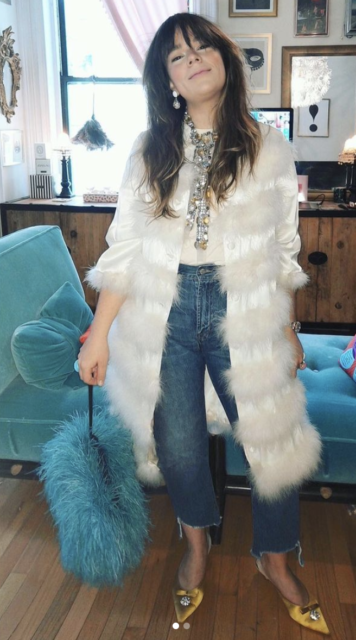
Leslie is a designer who spent almost a decade in New York designing for Oscar de La Renta and Kate Spade New York.
As Leslie continued to work in New York, she fell more & more in love with vintage, the incredible vendors that sell it, the feeling when you find a piece that speaks to your soul, & the ability to buy sustainably. She began to buy vintage & redesign pieces to match her aesthetic, breathing new life into old fashions.
At the same time, Leslie began designing novelty graphic artwork for Kate Spade New York & private clients through The Luxury Shrink.
Paumiste was inspired by the French phrase ‘Jeu de Paume,’ also known as the “palm game,” what we now know as racket sports like tennis or the ever so trending pickle ball. Jeu de Paume was first played by French monks during the medieval times. This game, which gave way to every modern-day racket sport was originally a ball and court game played with the palm of one’s hands.
The palm game made its way back to England through the jail mates of Duke Charles of Orleans who was imprisoned by Henri V at the beginning of the Hundred Years War. This soon became known as “the sport of kings” with nobility across Europe participating and building salles de jeu de paumes in their summer châteaus and noble residences. The English really codified the sport with the invention of the racket and scoring system. These trendsetting palm players were referred to as ‘Paumistes’.

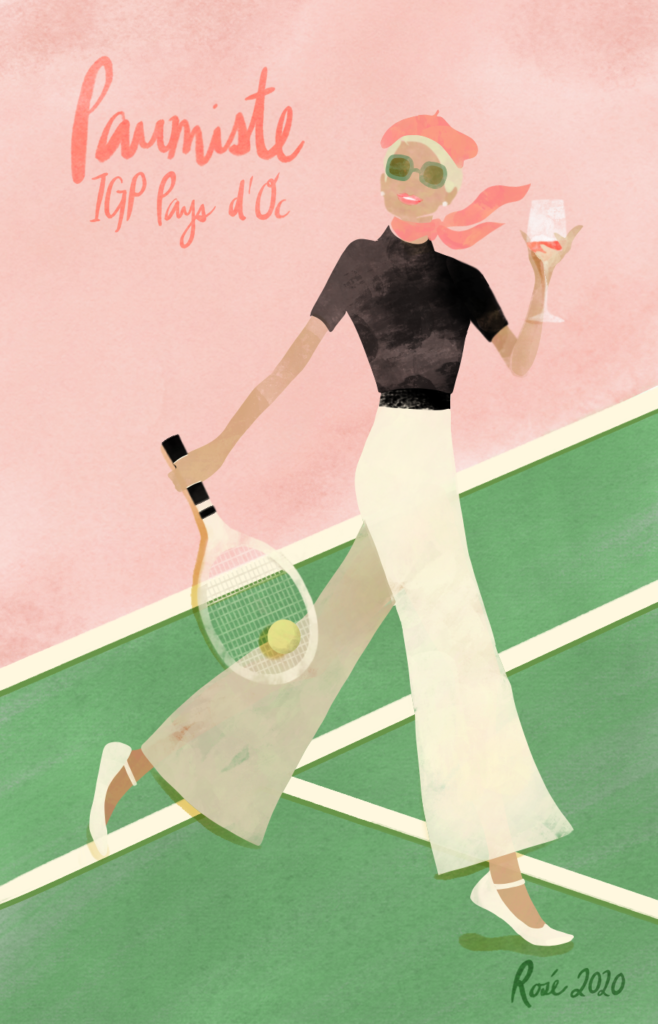
We teamed up with our friend Jean-René at Château de Montfrin to make this delicious, easy-drinking rose. As a part of our ‘GAUX PLAY APRES’ initiative including Par Fore the Course Sauvignon Blanc and ‘Gaux Dopo Nebbiolo, we wanted to make an affordable, organically farmed, & clean rosé to pair with a day on (or off) the court. The label went through a few iterations to get it just right, but we truly loved every version and it was difficult to choose which we were going to move forward with.

Leslie’s curated eye in vintage, branding design & artwork created a playful, chic, and classic label that reflects the wine inside the bottle.
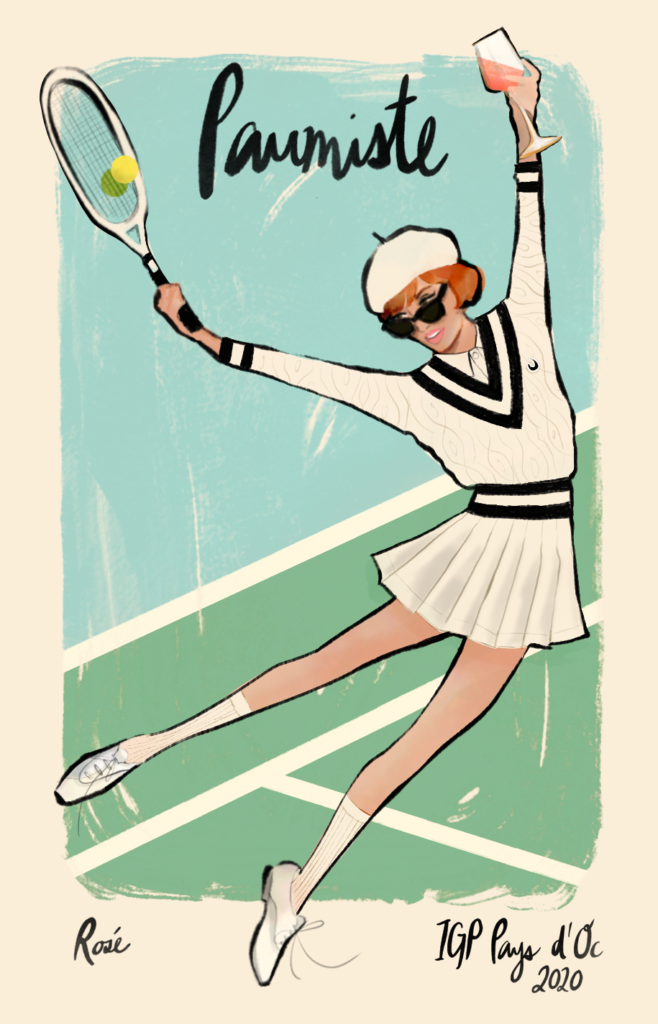
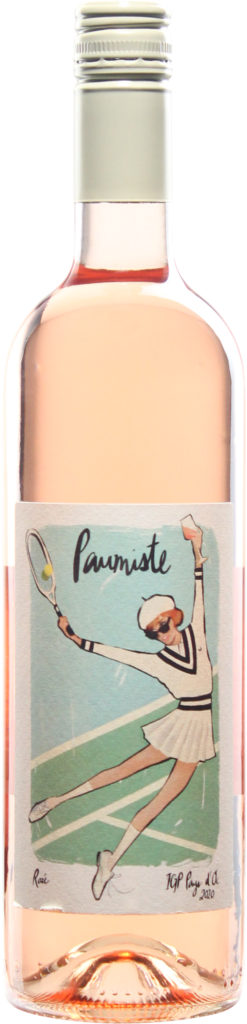
In 2019 Leslie relocated to Saint Paul, MN & decided to give The Luxury Shrink a facelift, making it a one stop shop for Leslie’s curated eye in vintage, branding design, & artwork.
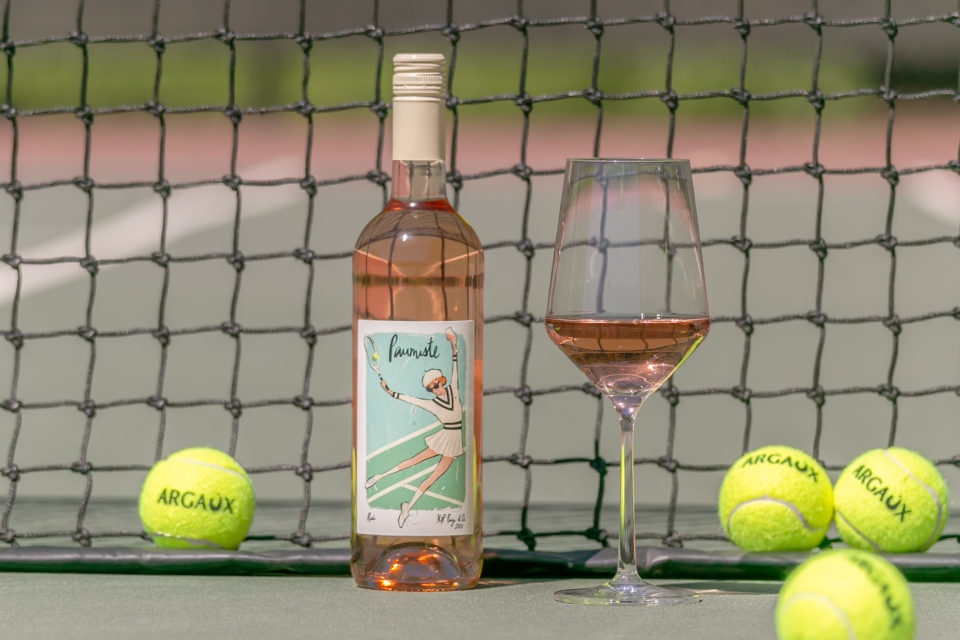
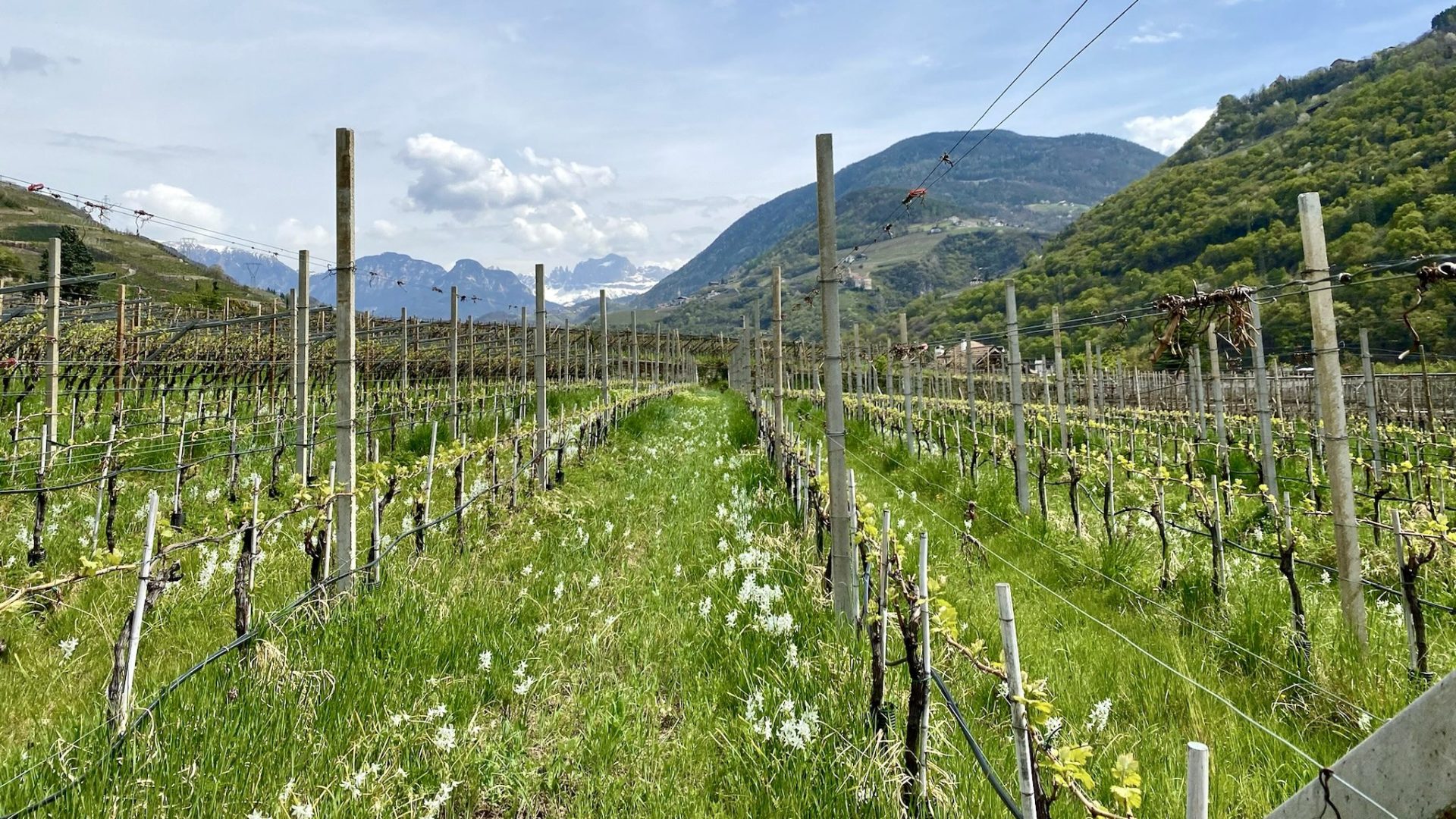
The Search for Sustainability
The search for sustainability is an ongoing topic and point of conversation here at Argaux & Amliere. Sustainability doesn’t look the same across the world and our goal is to work with people that are doing what they can to find their answer of sustainability from production and distribution to business practices, fair wages and community growth. I recently spent some time researching the effects of climate change on the wine industry and long-term sustainability from agriculture to packaging to worldwide distribution. Below are a few highlights…
“Grapevines respond to differences in climate and weather perhaps more than any other fruit crop and the sugar levels in grapes at harvest are directly related to the quality of the site, all other things being equal.” In an attempt to reduce vulnerability, winemakers are seeking solutions to the global challenges they are facing including “long-term varietal suitability, water resource issues, and changes in ripening characteristics and wine styles.”
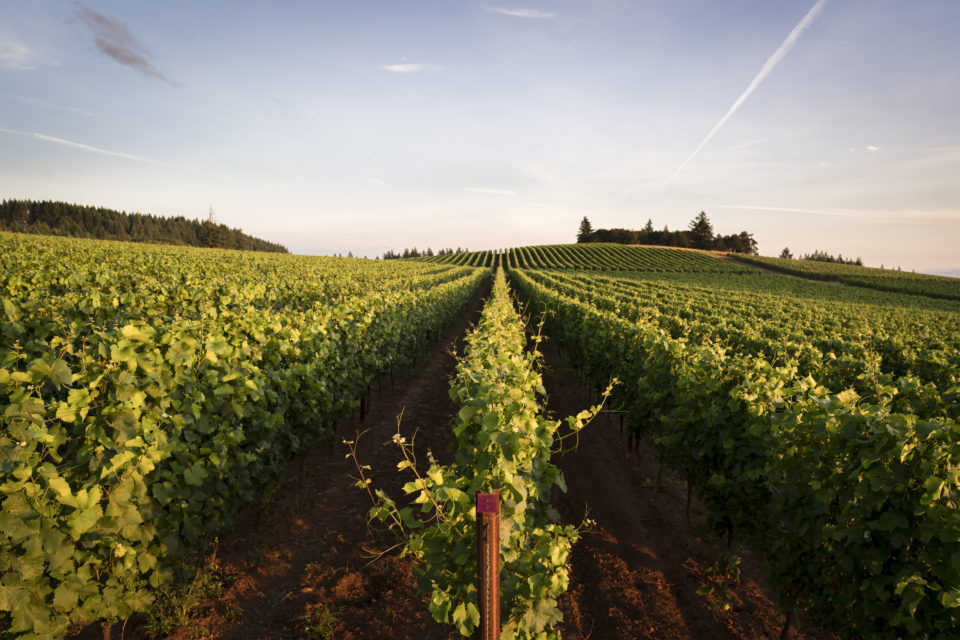 Day to Day Challenges and Adaptations
Grant Coulter, winemaker for Flaneur Winery, is all too familiar with these challenges and faces them on a day-to-day basis. Flaneur is a small, family-owned winery located in the Willamette Valley in Oregon. They focus on Chardonnay and Pinot Noir from vineyards that they farm organically without irrigation. During our interview, Grant mentioned that they have felt the effects of climate change at an accelerated pace the past couple of years. “Cooler years just aren’t happening as frequently, so we have started to change our farming methods as a result.” One method they have implemented in recent years is killing off rows of vines to preserve water for their strongest vines. As a dry farmer, they can’t rely on irrigation, and after years of water shortages, their vineyards simply do not get enough water to produce healthy vines. They have also had to start to minimize leaf removal, a practice they used to do religiously in the summer months “to open up the canopy, avoid disease pressure and encourage ripening. Now we are minimizing leaf removal for the fear of sunburn and to extend the ripening period,” explains Coulter. When discussing the questions of long-term adaptations, Grant noted that in the more immediate future his team has discussed picking earlier in order to attain their trademark style of higher acid, low-alcohol wine. However, Grant is aware of the shortcomings that accompany a short ripening period. Flavor loss and lack of complexity is a major concern. Another major concern is whether or not they are going to have to start irrigation in the next ten years. “If we don’t get this in check, are we going to have to start planting different varieties, and looking at different rootstock? Maybe vertical shoot positioning isn’t the best trellising system for us anymore.” Grant is fully aware of the moral implications of climate change. He has two kids and he wants to create a sustainable future for them, but he does not see a clear road to a fully sustainable industry. He feels as if he does his part, but he is also well aware that the wine industry at its core relies on petroleum and water. Without it he wouldn’t be able to get the winemaking tools he needs or get his wines to market.
 Our Single Bullet
Nicole Rolet, owner and principal at Chene Bleu winery in the southern Rhone Valley, has a very different take on the issue. Nicole is a huge advocate of sustainability and regenerative agriculture. Chene Bleu has a partnership with the SMAEMV biologists of the UNESCO Mt Ventoux Biosphere, and Avignon University, which results in mutually beneficial scientific exchanges. She is also on the board of the AOC Ventoux, which has done several studies on the impact of climate change on the region and most recently she was asked to be on the board of The Porto Protocol Foundation, a non-profit “commited to make a greater contribution to mitigate climate change.” Given its location in the Southern Rhone Valley, Chene Bleu has not experienced the pinch of climate change quite as harshly as other regions in France. However, the winery practices organic and biodynamic farming methods to build up the immune system of their vineyard, so it has the strength to survive a change in environment from weather to unwanted pests and disease. They are also certified PEFC forest management partners, meaning that they work with the local authorities to reconcile farming and promote sustainable forest management practices. Nicole believes wholeheartedly that regenerative agriculture is the answer to solving climate change. Thinking about the big picture, Nicole explained that if we were to stop using cars, producing electricity, and eating meat, the best case scenario would be stopping the destruction that is currently happening. However, she believes that “agriculture is our single bullet.” She goes on to explain that “agriculture is the only human activity on the planet that will not only stop the destruction of climate change, it will actually reverse the damage because it has the capacity to suck existing carbon out of the atmosphere.” Agriculture needs to be a net absorber of carbon, not a net producer of carbon. She believes that our single priority should be to convert the planet to sustainable agriculture, “managing the water, air and soil in a thoughtful way. In theory, if everyone did that, we would be in a very good place.”
 Other than water and soil management, Chene Bleu is going one step further to combat climate change in the vineyard. They call it their SUSTAINA-BEE-LITY initiative. The idea is to harness the power of bees to make better wine. Nicole went on to explain that she believes people have an oversimplified view of vines as being self-pollinating. As a result, many people think that vineyards don’t have a use for bees, unlike other agricultural products. However, through their research they discovered that bees can help cross-pollinate vines, increase yields up to 30%, transport indigenous yeasts, provide popolis (a natural fungicide that can replace copper in the treatment of Downy mildew), and most importantly, transport cover crops which absorb carbon, increase water retention, help the vines grow resistant to diseases and pests, and increase good microorganisms in the soil. In turn, the microorganisms in the soil provide the vines with nutrients which translate to unique flavor components in the wine, giving it identity and a sense of place.
Global Trade and Shipping Initiatives
According to Reuters, “with about 90% of world trade transported by sea, global shipping accounts for nearly 3% of the world’s CO2 emissions.” However, clean commercial transportation appears to be on the fastrack with big names, big money and government behind brands like Rivian, Flagship and the Green Shipping Program. In Europe, hydrogen cargo transport vessels developed by the European initiatives project, Flagship, will be operating on the river Seine by the end of 2021. Similarly, the Norwegian Green Shipping Program, “a public-private partnership for the development of environmentally advanced shipping projects,” released a handbook for hydrogen fueled vessels this year and is working on multiple projects to get zero-emissions cargo ships on the water by 2024. Rivian, on the other hand, is an electric vehicle startup based in California backed by big companies like Ford and Amazon. This year, Amazon released its first wave of Rivian electric delivery vehicles and they have “ordered 100,000 electric vans from Rivian through 2024.” This will make them one step closer to their goal of being net carbon zero by 2040. Reuters notes that there is a global race to “achieve zero emissions in the global shipping industry by 2050” and initiatives like these are putting pressure on last mile couriers to provide environmentally responsible solutions. Aside from Amazon, companies like DHL and UPS are supporting green shipping initiatives by providing environmentally-friendly and biodegradable packaging material and transitioning to electric delivery trucks.
Educated consumers are asking questions and “in a survey carried out by Nielsen, approximately 81% of respondents said that they attach importance to companies implementing programs that improve the environment.” For wine retailers in the direct-to-consumer world, that provides pressure for them to do their due diligence and provide consumers with not just wines made from sustainably farmed grapes, but also use environmentally-friendly packaging alternatives like lighter glass, cans or boxed wine. Consumers want to know the lifecycle of a product from conception to consumption and they are holding companies responsible for choosing greed and ease over transparency and sustainability.